Astragalus alpinus
Astragalus alpinus
FamilyGenus: Tragantnative in Germany
🌿
9
Species
interact
🔗
11
Interactions
documented
🐛
3
Host relationships
Species
About this species
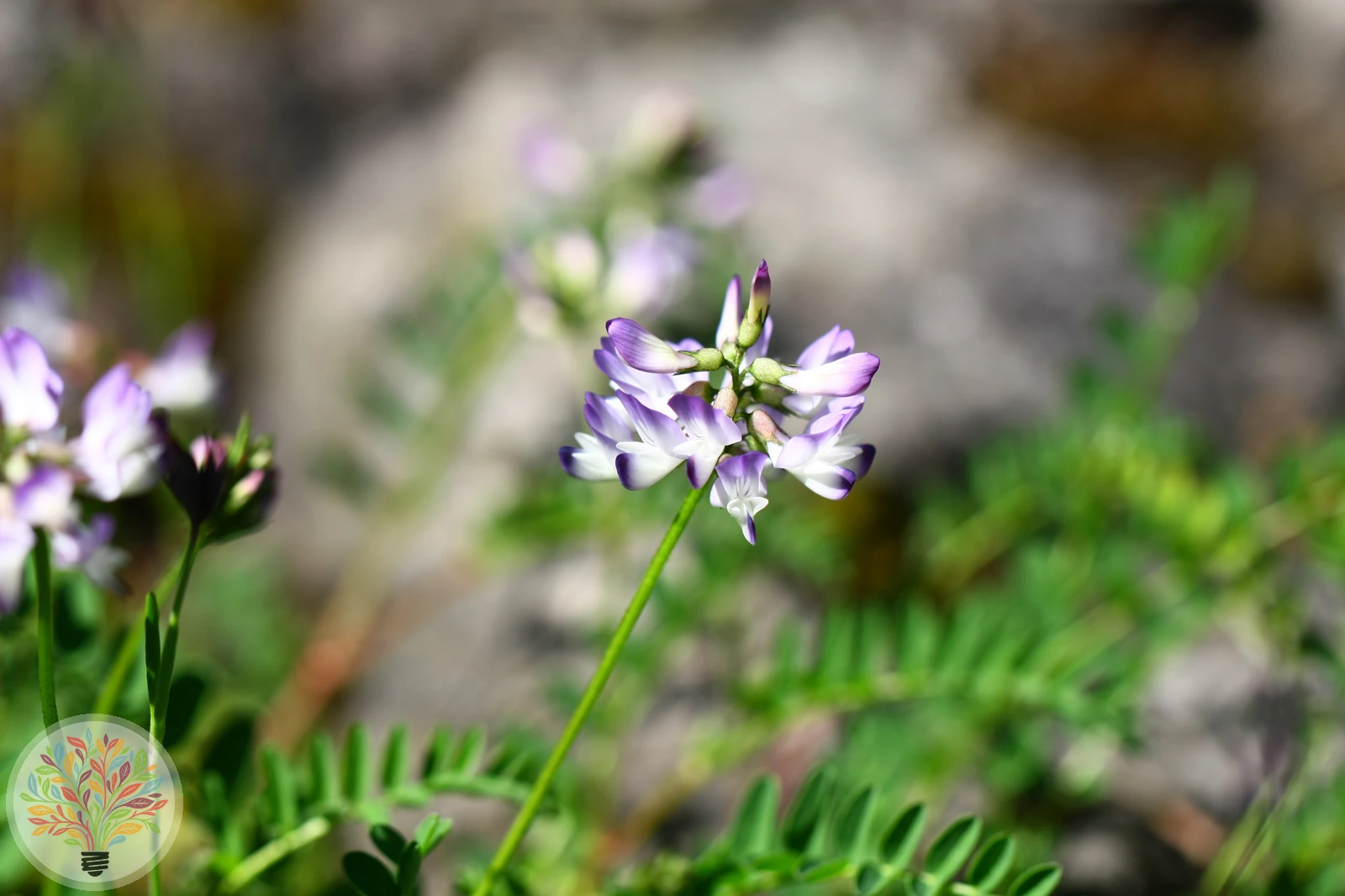
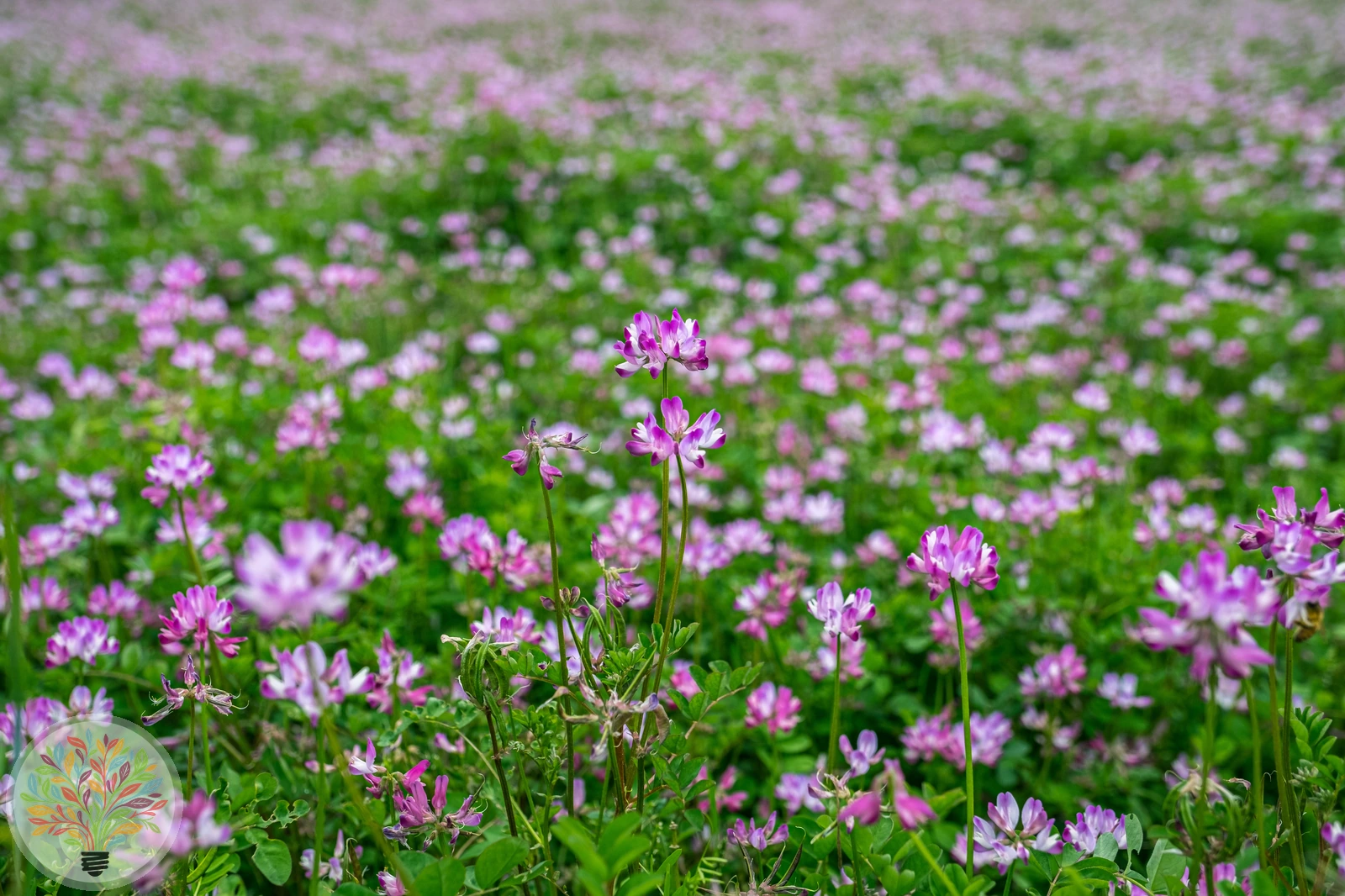
A diminutive native alpine milk-vetch, bearing blue, white and violet pea flowers from June to August on sunny, nutrient-poor ground.
Ecological network
Click to highlight connections · Click again to open the species page
Loading network...
PollinationLarval host
Ecological significance
Its flowers provide a moderate pollen and nectar resource for insect visitors.
Annual cycle
Flowering occurs from June to August, after which seed pods mature.
Standort & Merkmale
Light
Sonne
Moisture
Frisch (Mäßig feucht)
Soil
—
Flowering period
Jun – Aug
Bioregion
Continental
Nectar value
2
Pollen value
2
Growth form
Krautige Pflanze
Woodiness
Nicht verholzt
Leaf type
Breitblättrig
Plant height
0.088 m
Morphological traits: TRY ID3 (CC BY 3.0) & TRY ID81 (CC BY)
Pflege & Anbau
In cultivation it requires full sun, a moderately moist, nutrient-poor, neutral to slightly acid soil and cool conditions; it is naturally adapted to alpine habitats.
Scientific profile
Astragalus alpinus is a low-growing, herbaceous perennial reaching about 9 cm in height. Its compound leaves typically bear (4–)7–12 pairs of veined, broad leaflets that are hairy at least on the undersides; ovate stipules 3–5 mm long are present at the leaf bases. The short, stalked racemes carry 5–15 pea flowers, each 10–14 mm long, with a bluish standard, white wings and a violet keel. The flower stalk is usually longer than the accompanying leaf. The calyx is 4–5 mm long, truncate at the apex. The inflated pod, 8–15 mm long by 3–5 mm wide, is at first covered in black hairs. Seeds are tiny (diaspore mass 2.15 mg). The plant forms arbuscular mycorrhizal (AM) associations. It is native in Great Britain, growing in full sun on nutrient-poor, fresh, neutral to slightly acid soils under cold alpine conditions, and is red-listed. It offers a moderate pollen and nectar reward (value 2) to flower-visiting insects.
Pollinators & visitors
6 Arten interagieren mit dieser Pflanze
Cupido minimusAlbulina orbitulusApis melliferaAgriades glandonBombus jonellusMegachile circumcincta
Host relationships
3 species use this plant as a host
Zygaena exulansOrgyia antiquaLycaeides idas
Sources & data origin
•Interaktionsdaten via GloBI (CC-BY 4.0)
•FloraWeb / BfN
•EIVE 1.0 — Dengler et al. (2023), DOI: 10.3897/VCS.98324 (CC BY 4.0)
•EuPPollNet — Kuppler et al. (2025), DOI: 10.1111/geb.70000 (CC BY 4.0)
•Database of Pollinator Interactions (DoPI) — Pocock et al. (2022), DOI: 10.1002/ecy.3801 (CC BY)
•GBIF Backbone Taxonomy — GBIF Secretariat (2024), DOI: 10.15468/39omei (CC BY 4.0)
•TRY Categorical Traits (ID3) — Kattge et al. (2012), DOI: 10.17871/TRY.3 (CC BY 3.0)
•TRY Global Spectrum (ID81) — Díaz et al. (2016/2021), DOI: 10.17871/TRY.81 (CC BY)
•Govaerts R et al. (2025) — World Checklist of Vascular Plants (WCVP) v14. Royal Botanic Gardens, Kew. DOI: 10.34885/xs7h-ze42 (CC BY 4.0)
•Foto: © Adobe Stock / AdobeStock_516941406
All data is licensed under CC BY 4.0, CC0, or compatible terms. Attribution according to license conditions. Full source overview →