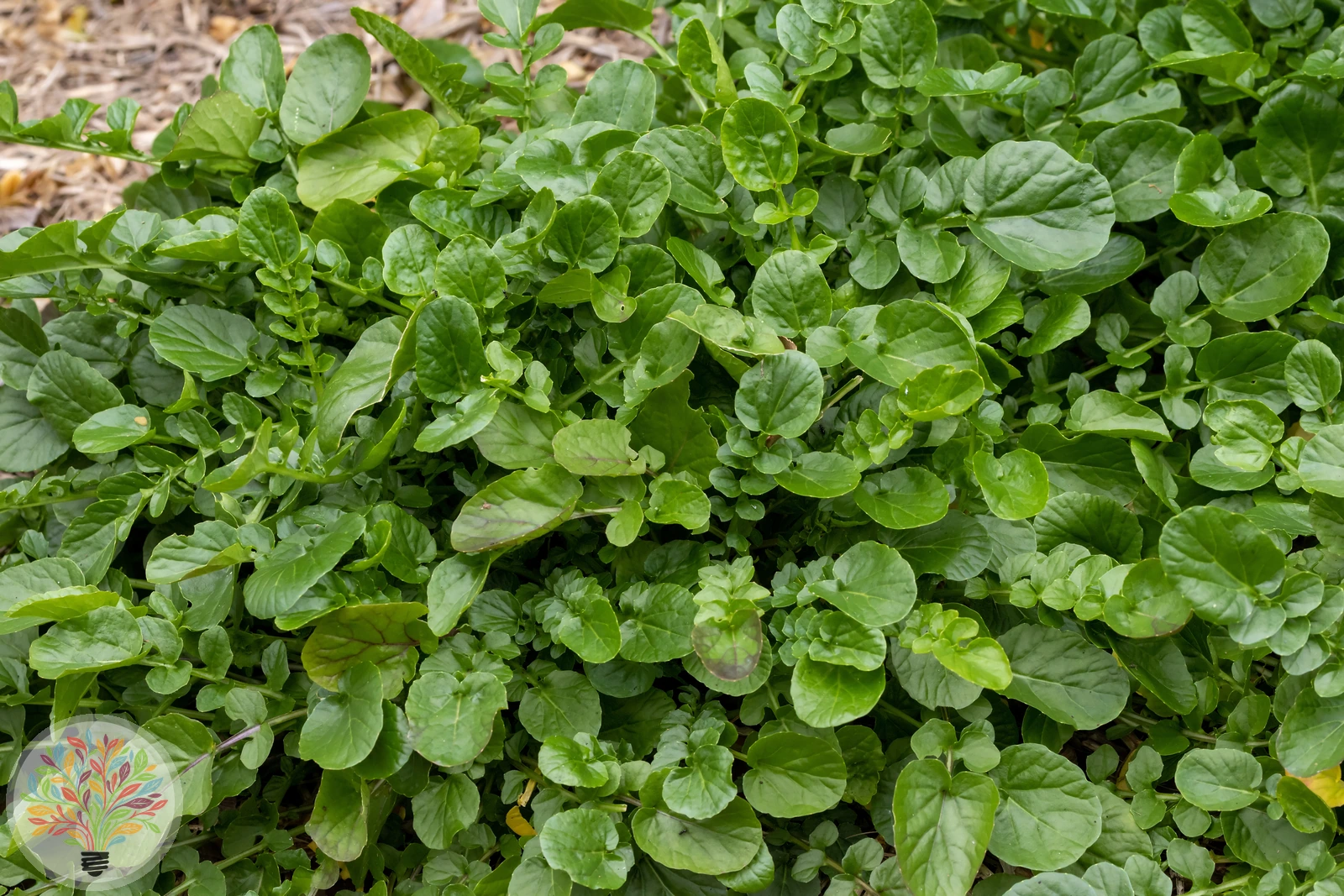
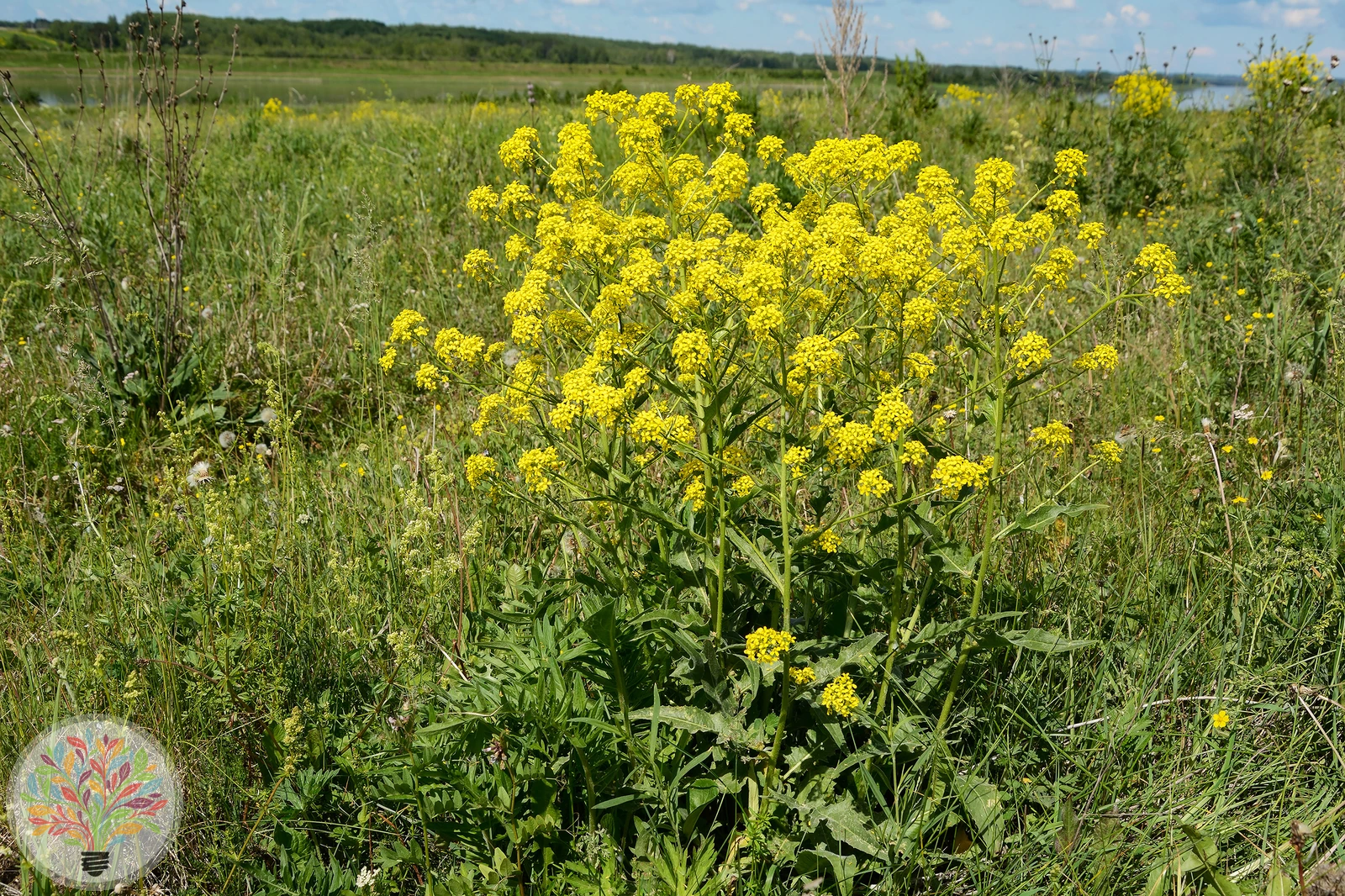
Barbarea vulgaris
Barbarea vulgaris
FamilyGenus: Barbareanative in Germany
🌿
55
Species
interact
🔗
146
Interactions
documented
About this species
A native herbaceous plant of sunny, moderately moist, calcareous soils, flowering in May and June and providing nectar and pollen for visiting insects.
Ecological network
Click to highlight connections · Click again to open the species page
Loading network...
PollinationFlower visit
Ecological significance
Barbarea vulgaris contributes to the diet of nectar- and pollen-feeding insects during its flowering season, playing a role in supporting local insect populations.
Annual cycle
Flowering May–June.
Standort & Merkmale
Light
Sonne
Moisture
Frisch (Mäßig feucht)
Soil
Mittelzehrer (Normaler Boden)
Flowering period
Mai – Jun
Soil reaction
Mäßig sauer bis neutral
Bioregion
Continental
Nectar value
4
Pollen value
4
Growth form
Krautige Pflanze
Woodiness
Nicht verholzt
Leaf type
Breitblättrig
Plant height
0.499 m
Morphological traits: TRY ID3 (CC BY 3.0) & TRY ID81 (CC BY)
Pflege & Anbau
Provide full sun and a moist but well-drained, lime-rich soil of moderate fertility. The species thrives in low-disturbance settings and requires no special maintenance once established.
Scientific profile
Barbarea vulgaris is a native broad-leaved herbaceous plant, non-woody and terrestrial, reaching around half a metre in height. It prefers full sun and fresh, moderately fertile, calcareous soils, typically establishing in sites with low disturbance. Flowering takes place in May and June, when the plant offers both nectar and pollen, attracting a range of insects.
Pollinators & visitors
42 Arten interagieren mit dieser Pflanze
Anthocharis cardaminesPieris napiAndrena barbilabrisNomada flavaAndrena chrysoscelesAndrena flavipesBombus pascuorumAndrena coitanaAndrena haemorrhoaBombus sylvarumApis melliferaAndrena fucataLasioglossum morioAndrena dorsataBombus terrestrisBombus pratorumBombus sylvestrisBombus lapidariusPieris rapaeHalictus confususVanessa carduiVanessa atalantaHalictus rubicundusAndrena lagopusLasioglossum zonulumOsmia caerulescensAndrena wilkellaSyritta pipiensHelophilus pendulusHelophilus hybridusEristalis tenaxAndrena variansPlatycheirus albimanusSphaerophoria interruptaEpisyrphus balteatusParagus tibialisSphaerophoria scriptaAndrena minutulaCephus pygmeusBombylius majorCheilosia albitarsisRhingia rostrata
Other flower visitors
13 other species visit the flowers
Micropterix calthellaSiphona cristataDelia radicumAdela violellaMeligethes viridescensSarcophagidaeHilaraTenthredo koehleriEmpis tessellataBombylius venosusSarcophagidae sp. 1Cephus pygmaeusCheilosia albitarsus
Sources & data origin
•Cook et al. (2025) UK Butterfly & Moth Traits (DOI: 10.5285/dbc7cc17-cbbd-49dd-bab4-8e8855768d66)
•Interaktionsdaten via GloBI (CC-BY 4.0)
•pollinator_interactions
•FloraWeb / BfN
•EIVE 1.0 — Dengler et al. (2023), DOI: 10.3897/VCS.98324 (CC BY 4.0)
•EuPPollNet — Kuppler et al. (2025), DOI: 10.1111/geb.70000 (CC BY 4.0)
•Database of Pollinator Interactions (DoPI) — Pocock et al. (2022), DOI: 10.1002/ecy.3801 (CC BY)
•GBIF Backbone Taxonomy — GBIF Secretariat (2024), DOI: 10.15468/39omei (CC BY 4.0)
•TRY Categorical Traits (ID3) — Kattge et al. (2012), DOI: 10.17871/TRY.3 (CC BY 3.0)
•TRY Global Spectrum (ID81) — Díaz et al. (2016/2021), DOI: 10.17871/TRY.81 (CC BY)
•Govaerts R et al. (2025) — World Checklist of Vascular Plants (WCVP) v14. Royal Botanic Gardens, Kew. DOI: 10.34885/xs7h-ze42 (CC BY 4.0)
•Foto: © Adobe Stock / AdobeStock_526974708
All data is licensed under CC BY 4.0, CC0, or compatible terms. Attribution according to license conditions. Full source overview →