Convallaria majalis
Convallaria majalis
FamilyGenus: Convallarianative in Germany
🌿
6
Species
interact
🔗
7
Interactions
documented
About this species
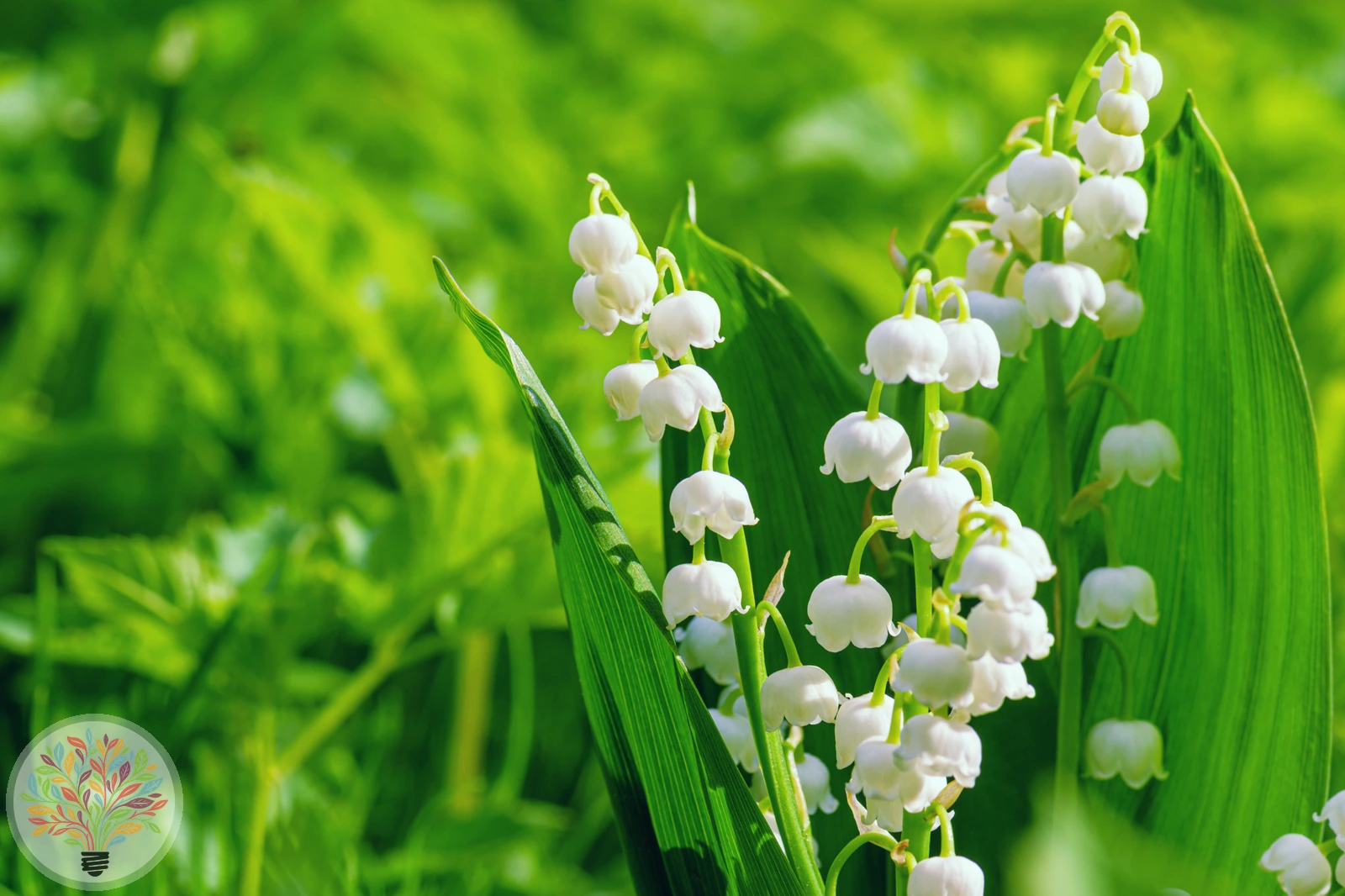
A native perennial herb that produces fragrant white bell-shaped flowers in May and June, thriving in partial shade and moist, moderately fertile soils.
Ecological network
Click to highlight connections · Click again to open the species page
Loading network...
PollinationFlower visit
Ecological significance
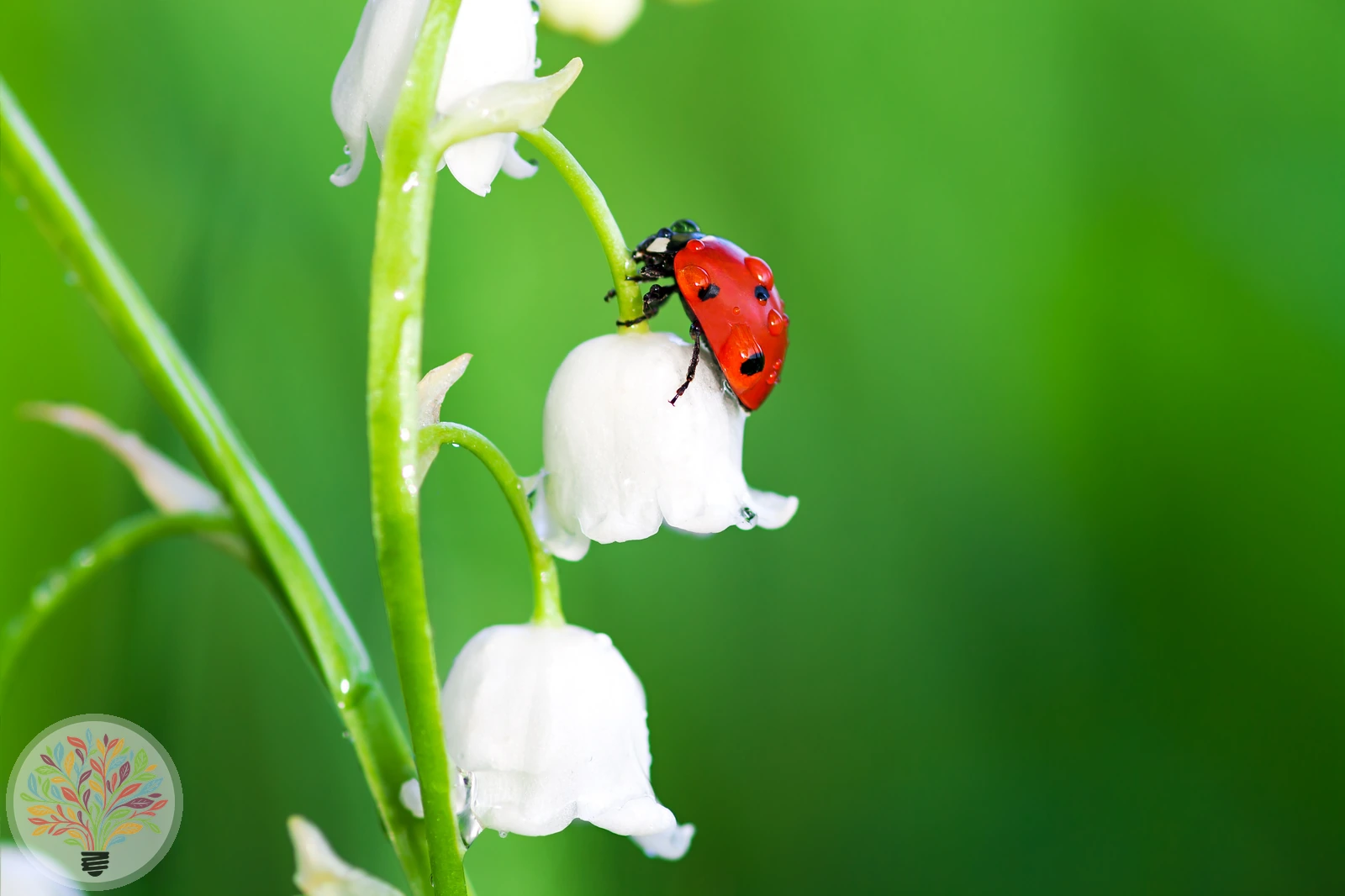
The flowers provide a small source of nectar and pollen for pollinating insects. The plant associates with arbuscular mycorrhizal fungi, supporting nutrient uptake.
Annual cycle
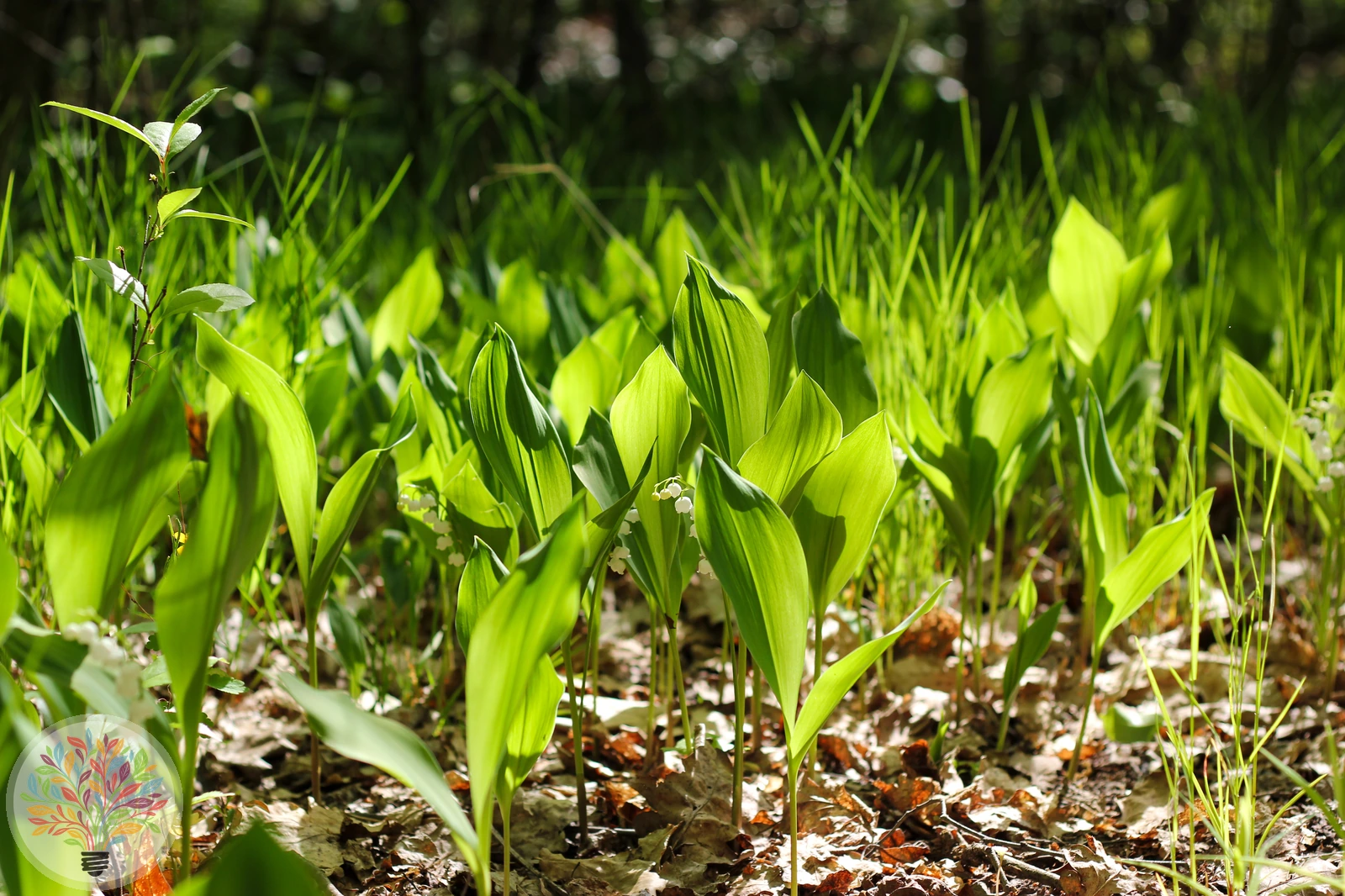
Shoots emerge in early spring, bearing broad green leaves. Flowering occurs from May to June, with the fragrant white bells hanging from an arching stem. The foliage dies back in autumn as the plant enters dormancy.
Standort & Merkmale
Light
Halbschatten
Moisture
Frisch (Mäßig feucht)
Soil
—
Flowering period
Mai – Jun
Bioregion
Continental
Nectar value
1
Pollen value
1
Growth form
Krautige Pflanze
Woodiness
Nicht verholzt
Leaf type
Breitblättrig
Plant height
0.19 m
Morphological traits: TRY ID3 (CC BY 3.0) & TRY ID81 (CC BY)
Pflege & Anbau
Grow in partial shade in moist but well-drained soil that is neutral to slightly acidic. It copes with moderate nutrient levels and benefits from the addition of leaf mould or organic matter. Once established, it needs little attention and will spread slowly by underground rhizomes.
Scientific profile
Convallaria majalis is a non-woody, broad-leaved, terrestrial herb in the asparagus family (Asparagaceae). It reaches a height of about 19 cm and blooms from May to June. The flowers provide a modest amount of nectar and pollen for visiting insects. The species forms arbuscular mycorrhizal associations. Ecological indicator values point to a preference for fresh, moderately moist, neutral to weakly acidic soils with moderate nutrient levels and low disturbance. Seed diaspores average around 24 mg.
Pollinators & visitors
4 Arten interagieren mit dieser Pflanze
Lilioceris liliiLasioglossum morioHalictus rubicundusBombus lucorum
Other flower visitors
2 other species visit the flowers
Lilioceris merdigeraSerica brunnea
Sources & data origin
•Interaktionsdaten via GloBI (CC-BY 4.0)
•pollinator_interactions
•FloraWeb / BfN
•EIVE 1.0 — Dengler et al. (2023), DOI: 10.3897/VCS.98324 (CC BY 4.0)
•EuPPollNet — Kuppler et al. (2025), DOI: 10.1111/geb.70000 (CC BY 4.0)
•Database of Pollinator Interactions (DoPI) — Pocock et al. (2022), DOI: 10.1002/ecy.3801 (CC BY)
•GBIF Backbone Taxonomy — GBIF Secretariat (2024), DOI: 10.15468/39omei (CC BY 4.0)
•TRY Categorical Traits (ID3) — Kattge et al. (2012), DOI: 10.17871/TRY.3 (CC BY 3.0)
•TRY Global Spectrum (ID81) — Díaz et al. (2016/2021), DOI: 10.17871/TRY.81 (CC BY)
•Govaerts R et al. (2025) — World Checklist of Vascular Plants (WCVP) v14. Royal Botanic Gardens, Kew. DOI: 10.34885/xs7h-ze42 (CC BY 4.0)
•Foto: © Adobe Stock / AdobeStock_321313242
All data is licensed under CC BY 4.0, CC0, or compatible terms. Attribution according to license conditions. Full source overview →