Dactylorhiza maculata
Dactylorhiza maculata
FamilyGenus: Dactylorhizanative in Germany
🌿
13
Species
interact
🔗
19
Interactions
documented
🐛
1
Host relationships
Species
About this species
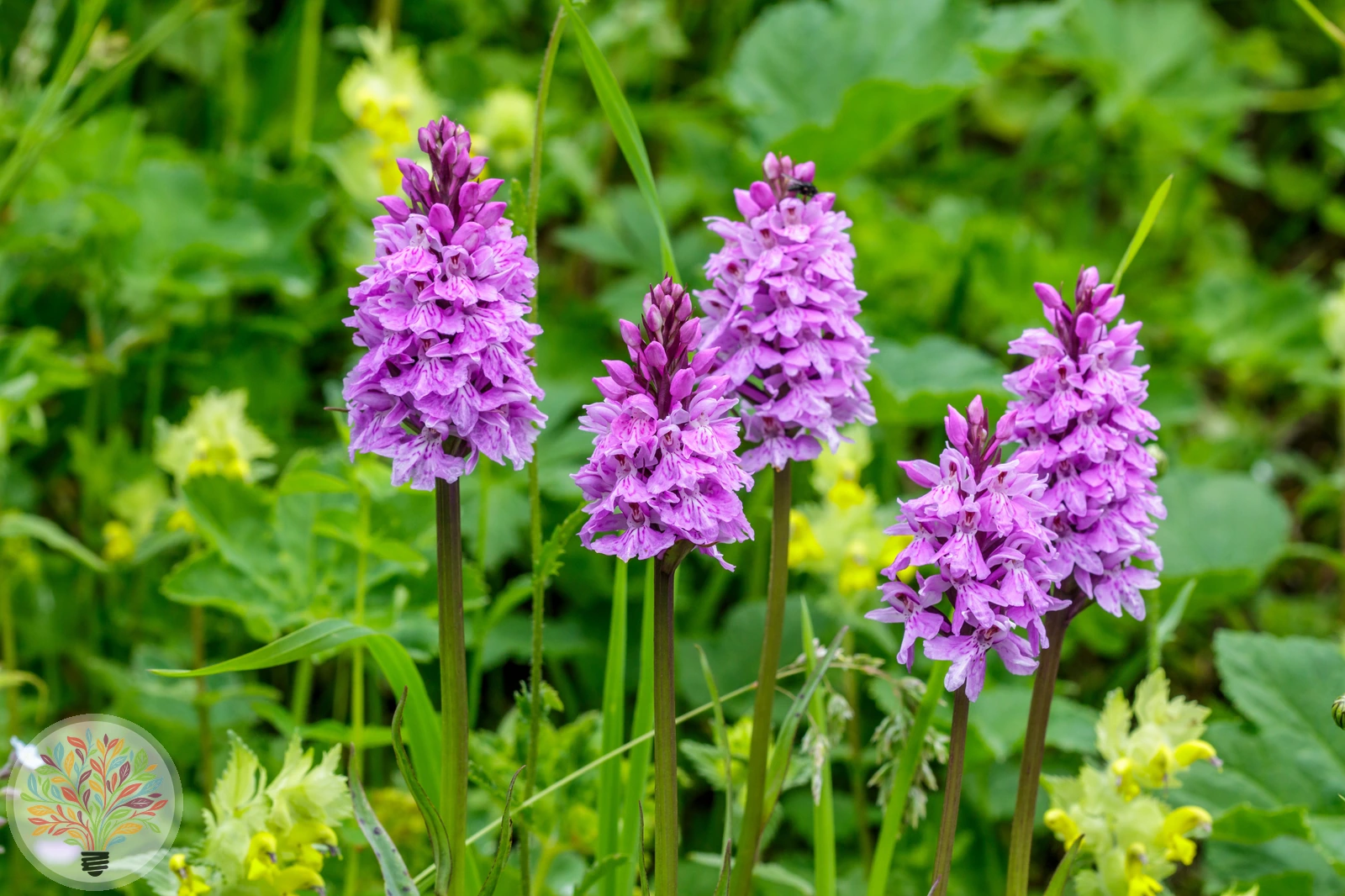
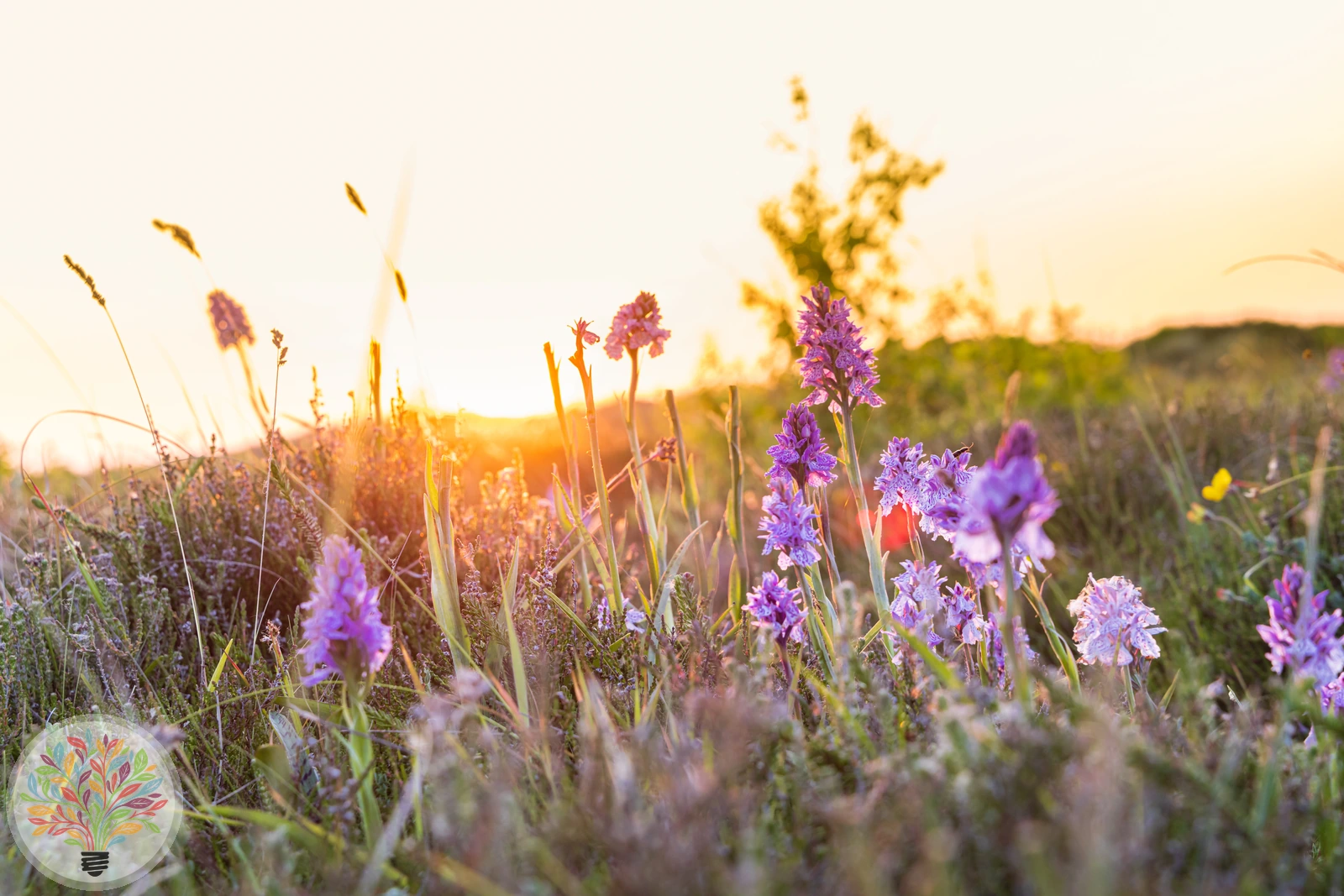
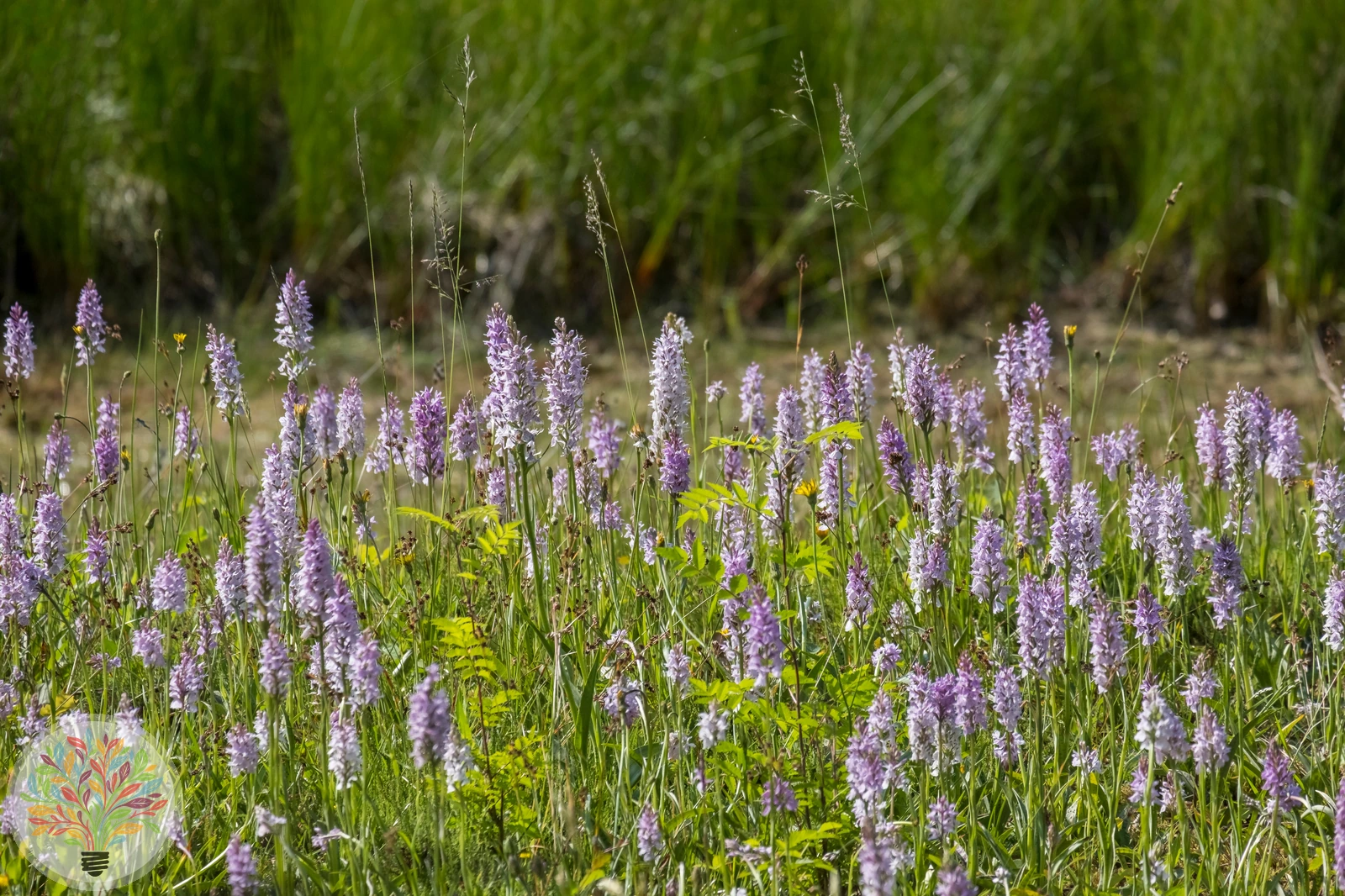
A native terrestrial orchid of Great Britain, Dactylorhiza maculata flowers from April to September. It grows to around 28 cm tall, with broad leaves, in full sun on moist, nutrient-poor soils.
Ecological network
Click to highlight connections · Click again to open the species page
Loading network...
PollinationLarval hostFlower visit
Ecological significance
As a native species in Great Britain, it is a natural part of its habitat and no negative ecological impacts are documented.
Annual cycle
Flowering occurs from April to September.
Safety note
No hazards are recorded for this species.
Standort & Merkmale
Light
Sonne
Moisture
Frisch (Mäßig feucht)
Soil
Schwachzehrer (Magerer Boden)
Flowering period
Apr – Sep
Soil reaction
Mäßig sauer bis neutral
Bioregion
Continental
Growth form
Krautige Pflanze
Woodiness
Nicht verholzt
Leaf type
Breitblättrig
Plant height
0.284 m
Morphological traits: TRY ID3 (CC BY 3.0) & TRY ID81 (CC BY)
Pflege & Anbau
This terrestrial orchid requires full sun and a fresh, moderately moist, nutrient-poor soil. It is suited to cool conditions. Beyond these preferences, no further cultivation details are given in the source data.
Scientific profile
Dactylorhiza maculata is a herbaceous, non-woody terrestrial orchid native in Great Britain. It reaches a height of approximately 0.28 m and bears broad leaves. Flowering extends from April to September. The species prefers full sun and fresh, moderately moist soils that are nutrient-poor (weak nutrient demand), with a neutral to slightly acidic reaction. It is adapted to colder, alpine or northern temperature regimes. Leaf area is around 1249 mm², and the dust-like seeds weigh about 0.01 mg each. Ecological indicator values record a light score of 7 (full sun), a moisture score of 7 (moist), a reaction score of 6 (neutral/slightly acidic), and a nutrient score of 2 (very nutrient-poor).
Pollinators & visitors
9 Arten interagieren mit dieser Pflanze
Bombus pascuorumPieris napiBombus soroeensisBombus pratorumBombus wurfleniiBombus ssBombus hortorumPieris bryoniaeMelitaea diamina
Other flower visitors
3 other species visit the flowers
Delia aff. angustiventrisDelia nigrescensHylemya variata
Sources & data origin
•Cook et al. (2025) UK Butterfly & Moth Traits (DOI: 10.5285/dbc7cc17-cbbd-49dd-bab4-8e8855768d66)
•pollinator_interactions
•FloraWeb / BfN
•EIVE 1.0 — Dengler et al. (2023), DOI: 10.3897/VCS.98324 (CC BY 4.0)
•GBIF Backbone Taxonomy — GBIF Secretariat (2024), DOI: 10.15468/39omei (CC BY 4.0)
•TRY Categorical Traits (ID3) — Kattge et al. (2012), DOI: 10.17871/TRY.3 (CC BY 3.0)
•TRY Global Spectrum (ID81) — Díaz et al. (2016/2021), DOI: 10.17871/TRY.81 (CC BY)
•Govaerts R et al. (2025) — World Checklist of Vascular Plants (WCVP) v14. Royal Botanic Gardens, Kew. DOI: 10.34885/xs7h-ze42 (CC BY 4.0)
•Foto: © Rolf Mueller, Keine Vergabe von Exklusivrechten / Adobe Stock / AdobeStock_403380661
All data is licensed under CC BY 4.0, CC0, or compatible terms. Attribution according to license conditions. Full source overview →