Digitalis grandiflora
Digitalis grandiflora
FamilyGenus: Digitalisnative in Germany
🌿
10
Species
interact
🔗
10
Interactions
documented
🐛
1
Host relationships
Species
About this species
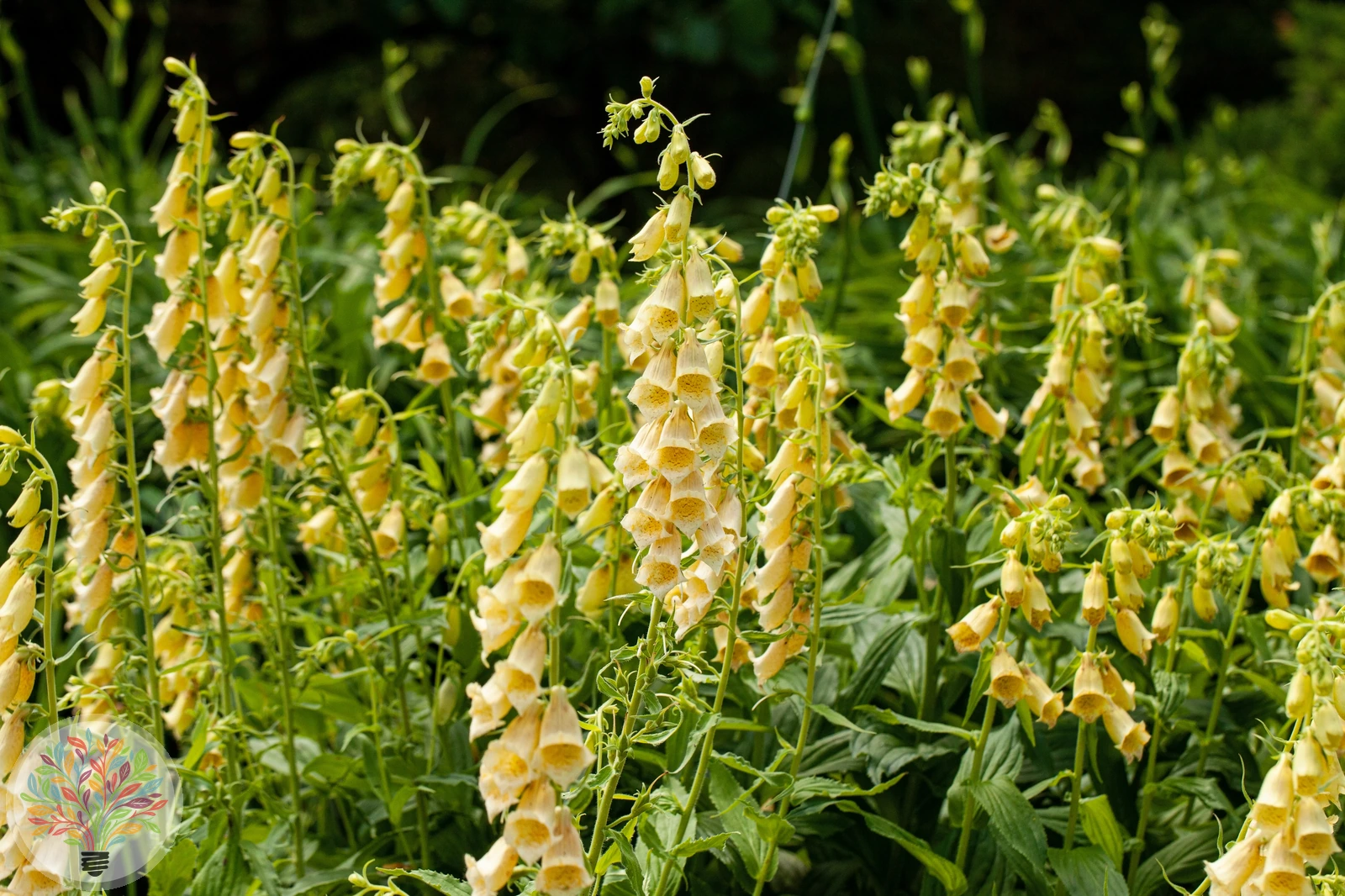
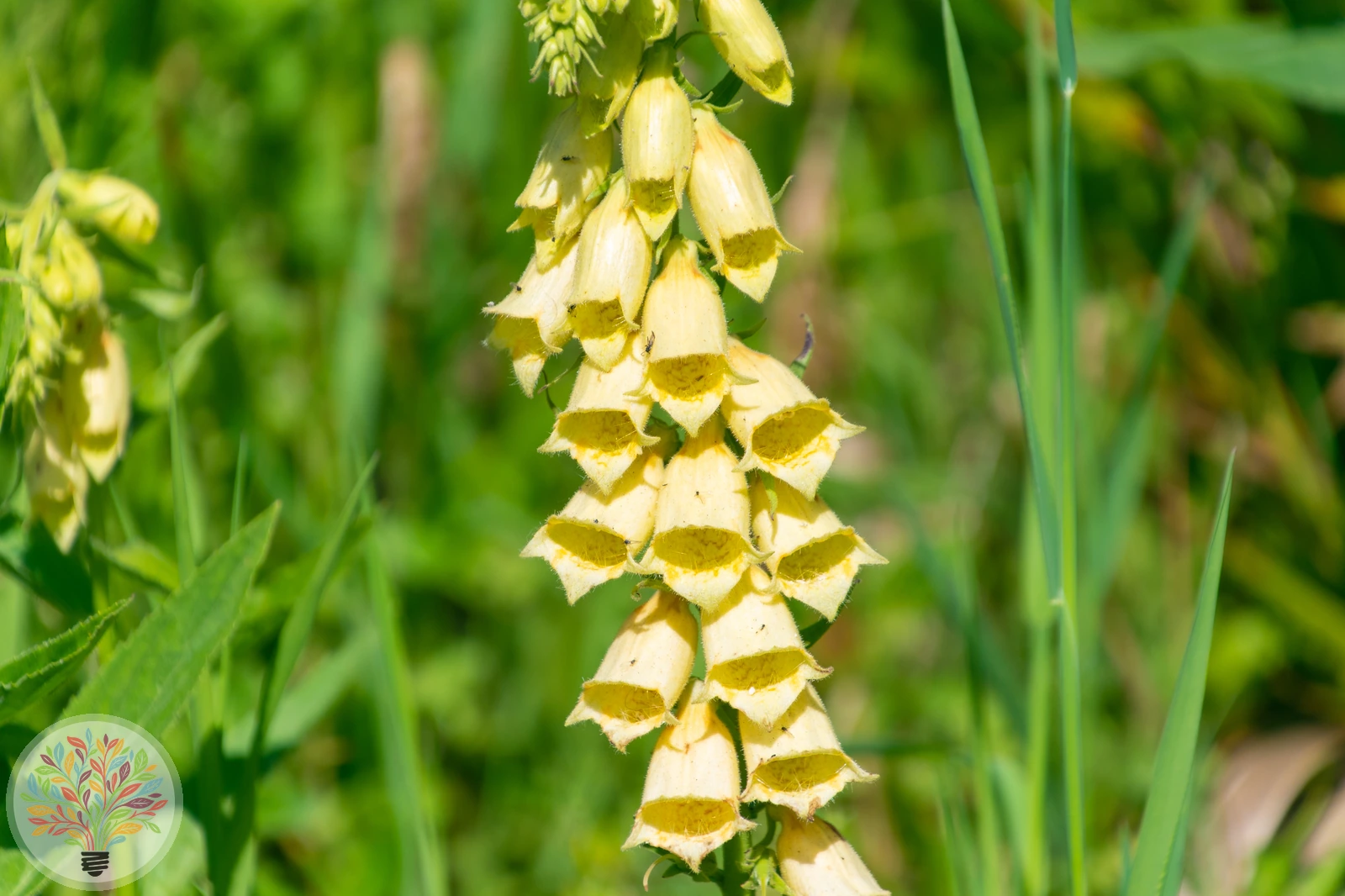
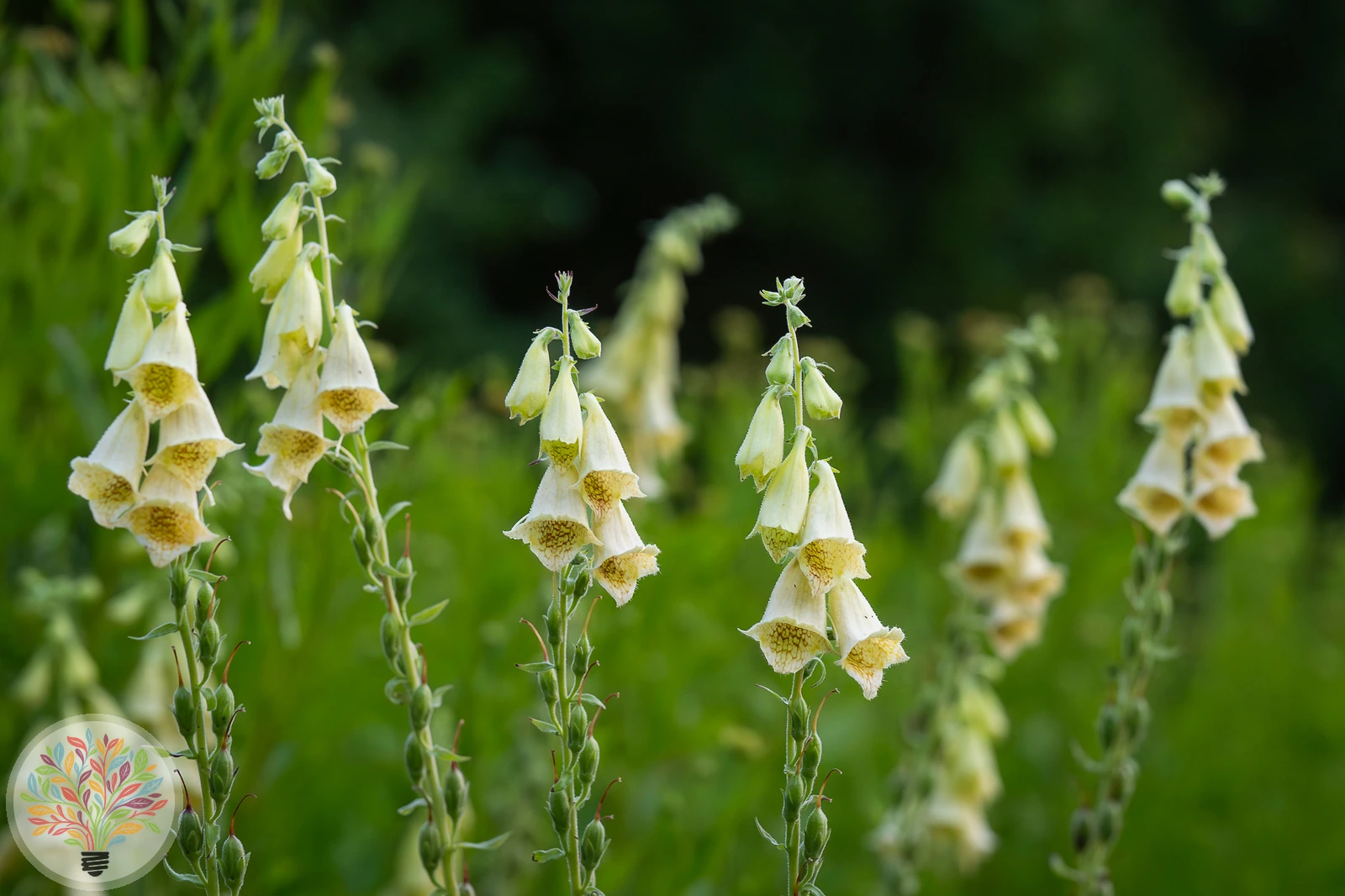
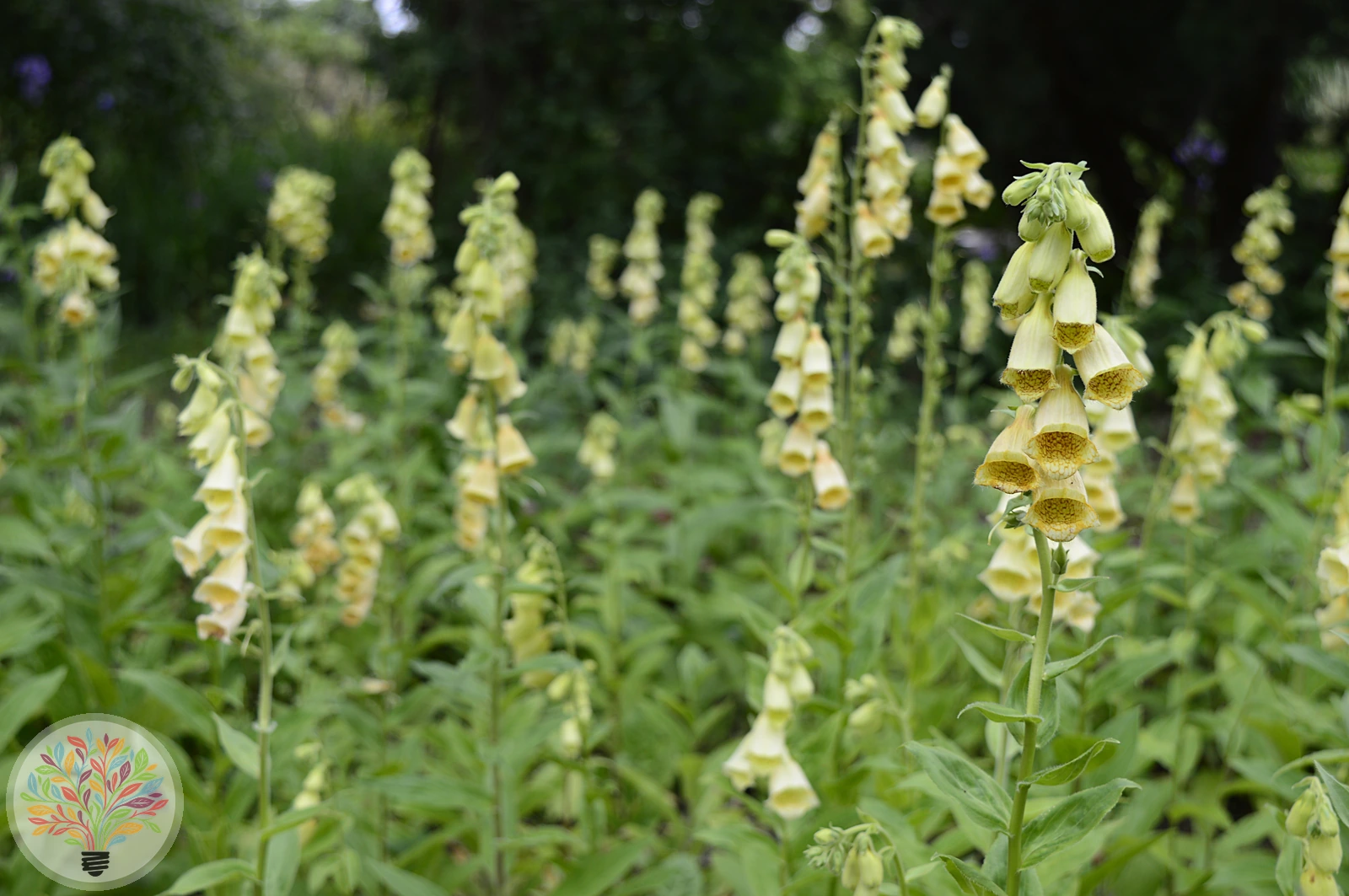
A native British foxglove that grows in semi-shade and fresh, moderately moist soil. It flowers from June to August and reaches about 66 cm in height.
Ecological network
Click to highlight connections · Click again to open the species page
Loading network...
PollinationLarval hostFlower visit
Ecological significance
As a native wild plant, it forms part of the herb layer in semi-shaded, moist habitats. Its presence contributes to the structural diversity of native plant communities and provides nectar and foliage structure for wildlife.
Annual cycle
Flowering occurs from June to August. As a herbaceous plant, the aerial growth dies back in autumn, with new shoots emerging in spring.
Standort & Merkmale
Light
Halbschatten
Moisture
Frisch (Mäßig feucht)
Soil
Mittelzehrer (Normaler Boden)
Flowering period
Jun – Aug
Soil reaction
Mäßig sauer bis neutral
Bioregion
Continental
Growth form
Krautige Pflanze
Woodiness
Nicht verholzt
Leaf type
Breitblättrig
Plant height
0.66 m
Morphological traits: TRY ID3 (CC BY 3.0) & TRY ID81 (CC BY)
Pflege & Anbau
•
Light: Grow in semi-shade; sites that avoid strong midday sun are ideal.
•
Moisture: Keep the substrate consistently fresh and moderately moist, but avoid waterlogging.
•
Soil: A well-drained, moderately fertile (mesotrophic) soil suits it. It tolerates neutral to slightly acidic reactions.
•
Planting: Fits into the partially shaded layers of a woodland garden, a mixed border or a naturalistic meadow edge.
•
Maintenance: Once established it requires little intervention; additional feeding is seldom necessary.
Scientific profile
Digitalis grandiflora is a herbaceous, non-woody plant that typically attains a height of 0.66 m. Its broad leaves have an average area of approximately 2932 mm². The flowering period extends from June to August. The species is native in Great Britain, where it occupies semi-shaded locations with fresh, moderately moist soil. It shows a preference for neutral to weakly acidic conditions and forms arbuscular mycorrhizal associations. Ellenberg indicator values suggest an affinity for moderately warm temperatures (value 4), low disturbance severity (0.65), and moderately fertile, fresh soils (moisture value 5, nutrients value 5). The dust-like seeds are very light, with a mean diaspore mass around 0.17 mg.
Pollinators & visitors
8 Arten interagieren mit dieser Pflanze
Bombus jonellusAnthidium manicatumBombus wurfleniiAnthophora terminalisBombus bimaculatusBombus borealisBombus impatiensBombus hortorum
Host relationships
1 species use this plant as a host
Eupithecia linariata
Other flower visitors
1 other species visit the flowers
Augochlora pura
Sources & data origin
•TraitCH — CC BY 4.0TraitCH 2.0 contributors; imported as source-preserving NaturKompass taxon evidence.
•Interaktionsdaten via GloBI (CC-BY 4.0)
•pollinator_interactions
•FloraWeb / BfN
•EIVE 1.0 — Dengler et al. (2023), DOI: 10.3897/VCS.98324 (CC BY 4.0)
•GBIF Backbone Taxonomy — GBIF Secretariat (2024), DOI: 10.15468/39omei (CC BY 4.0)
•TRY Categorical Traits (ID3) — Kattge et al. (2012), DOI: 10.17871/TRY.3 (CC BY 3.0)
•TRY Global Spectrum (ID81) — Díaz et al. (2016/2021), DOI: 10.17871/TRY.81 (CC BY)
•Govaerts R et al. (2025) — World Checklist of Vascular Plants (WCVP) v14. Royal Botanic Gardens, Kew. DOI: 10.34885/xs7h-ze42 (CC BY 4.0)
•Foto: © Adobe Stock / AdobeStock_1868838026
All data is licensed under CC BY 4.0, CC0, or compatible terms. Attribution according to license conditions. Full source overview →