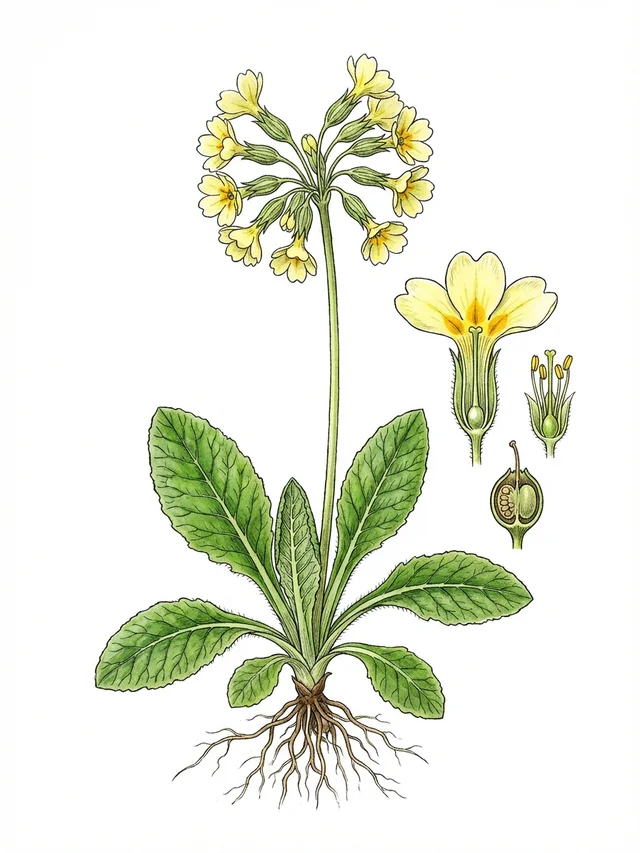
 Image to followAI-generated illustration
Cotoneaster horizontalis
Cotoneaster horizontalis
FamilyGenus: Zwergmispelnnative in Germany⚠️ Invasive species
⚠️
Invasive alien species
This species is classified as an invasive neophyte. It can affect native ecosystems and should not be introduced into the wild. Please check regional regulations before planting.
🌿
40
Species
interact
🔗
64
Interactions
documented
🐛
1
Host relationships
Species
About this species
A deciduous shrub with a distinctive herringbone branch pattern, native in Great Britain. It produces small pink flowers in May and is considered invasive.
Ecological network
Click to highlight connections · Click again to open the species page
Loading network...
PollinationLarval hostFlower visit
Annual cycle
Leaves emerge in spring and are shed in autumn. The flowering period is brief, centred on May.
Standort & Merkmale
Light
—
Moisture
—
Soil
—
Flowering period
Mai – Mai
Bioregion
Continental
Growth form
Strauch
Woodiness
Verholzt
Leaf type
Breitblättrig
Leaf phenology
Laubabwerfend
Plant height
1.114 m
Morphological traits: TRY ID3 (CC BY 3.0) & TRY ID81 (CC BY)
Scientific profile
Cotoneaster horizontalis is a woody, broad-leaved shrub in the rose family (Rosaceae). It typically reaches around 1.1 metres in height and displays a characteristic horizontal branching habit. The leaves are deciduous, falling in autumn. Flowering occurs in May. It is a warm-loving species, indicative of milder conditions. Although native in Great Britain, the plant is invasive and can spread aggressively, forming dense thickets. Its diaspores (seeds) are relatively heavy, averaging 21.72 milligrams.
Pollinators & visitors
36 Arten interagieren mit dieser Pflanze
Plebejus argusCelastrina argiolusBombus pascuorumBombus sylvestrisPieris rapaeOsmia bicornisManiola jurtinaAglais urticaeHalictus rubicundusHylaeus communisAndrena carantonicaApis melliferaAndrena flavipesBombus lapidariusBombus hypnorumBombus lucorumAndrena labialisAndrena fulvaBombus pratorumAndrena wilkellaAndrena nigroaeneaVanessa atalantaAndrena haemorrhoaAndrena nitidaCallophrys rubiOsmia caerulescensBombus terrestrisBombus monticolaVespa crabroAporia crataegiBombus magnusBombus jonellusLymantria disparVespula vulgarisBombus hortorumBombus cryptarum
Sources & data origin
•Interaktionsdaten via GloBI (CC-BY 4.0)
•Cook et al. (2025) UK Butterfly & Moth Traits (DOI: 10.5285/dbc7cc17-cbbd-49dd-bab4-8e8855768d66)
•pollinator_interactions
•GBIF Backbone Taxonomy — GBIF Secretariat (2024), DOI: 10.15468/39omei (CC BY 4.0)
•TRY Categorical Traits (ID3) — Kattge et al. (2012), DOI: 10.17871/TRY.3 (CC BY 3.0)
•TRY Global Spectrum (ID81) — Díaz et al. (2016/2021), DOI: 10.17871/TRY.81 (CC BY)
•Checklist Alien Plants Belgium — Verloove F (2023), Botanic Garden Meise (CC BY 4.0)
•DAISIE — Roy H et al. (2019), DOI: 10.15468/ybwd3x (CC BY 4.0)
•Govaerts R et al. (2025) — World Checklist of Vascular Plants (WCVP) v14. Royal Botanic Gardens, Kew. DOI: 10.34885/xs7h-ze42 (CC BY 4.0)
All data is licensed under CC BY 4.0, CC0, or compatible terms. Attribution according to license conditions. Full source overview →