Hippocrepis comosa
Hippocrepis comosa
FamilyGenus: Hippocrepisnative in Germany
🌿
83
Species
interact
🔗
800
Interactions
documented
🐛
7
Host relationships
Species
About this species
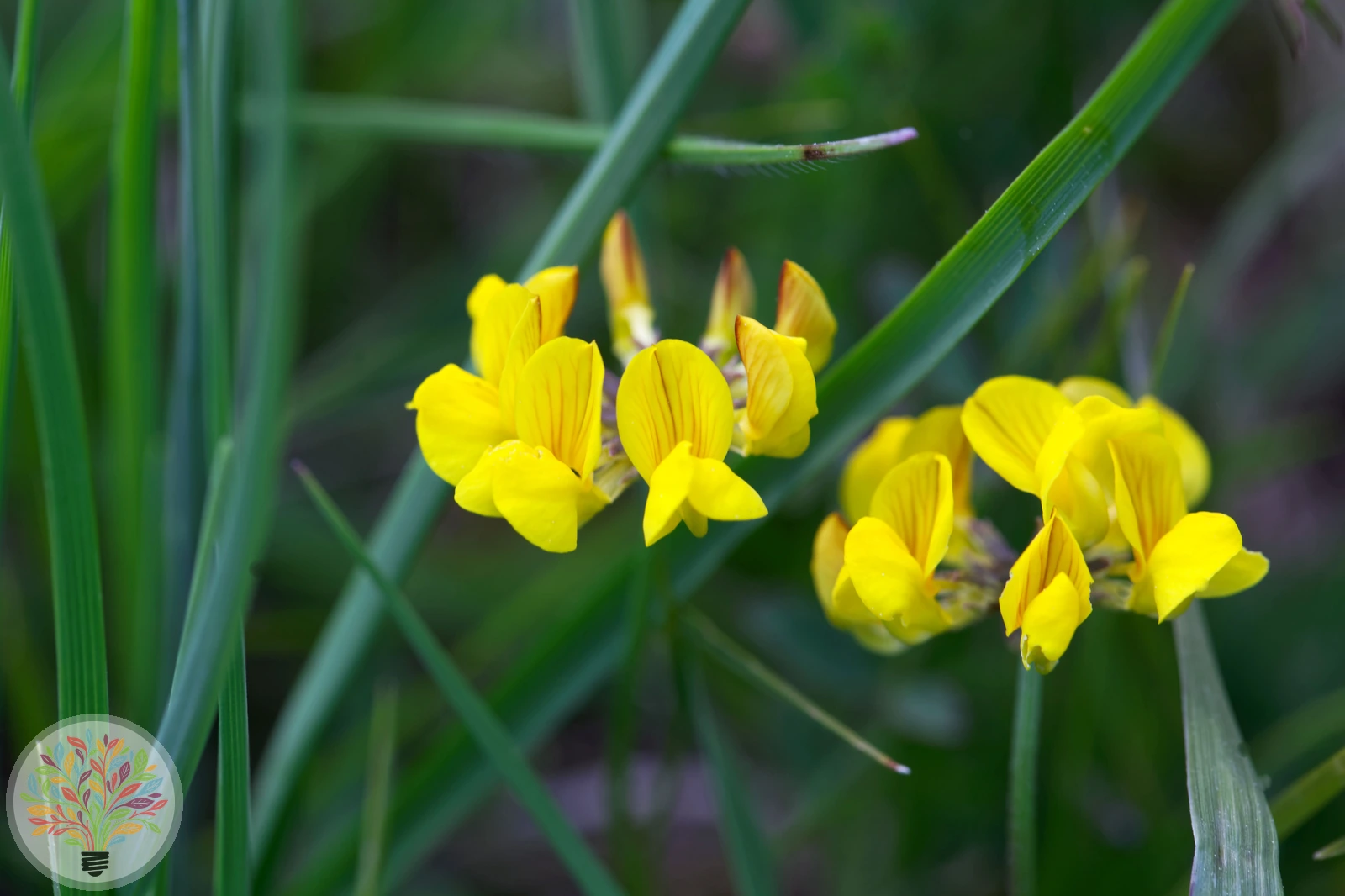
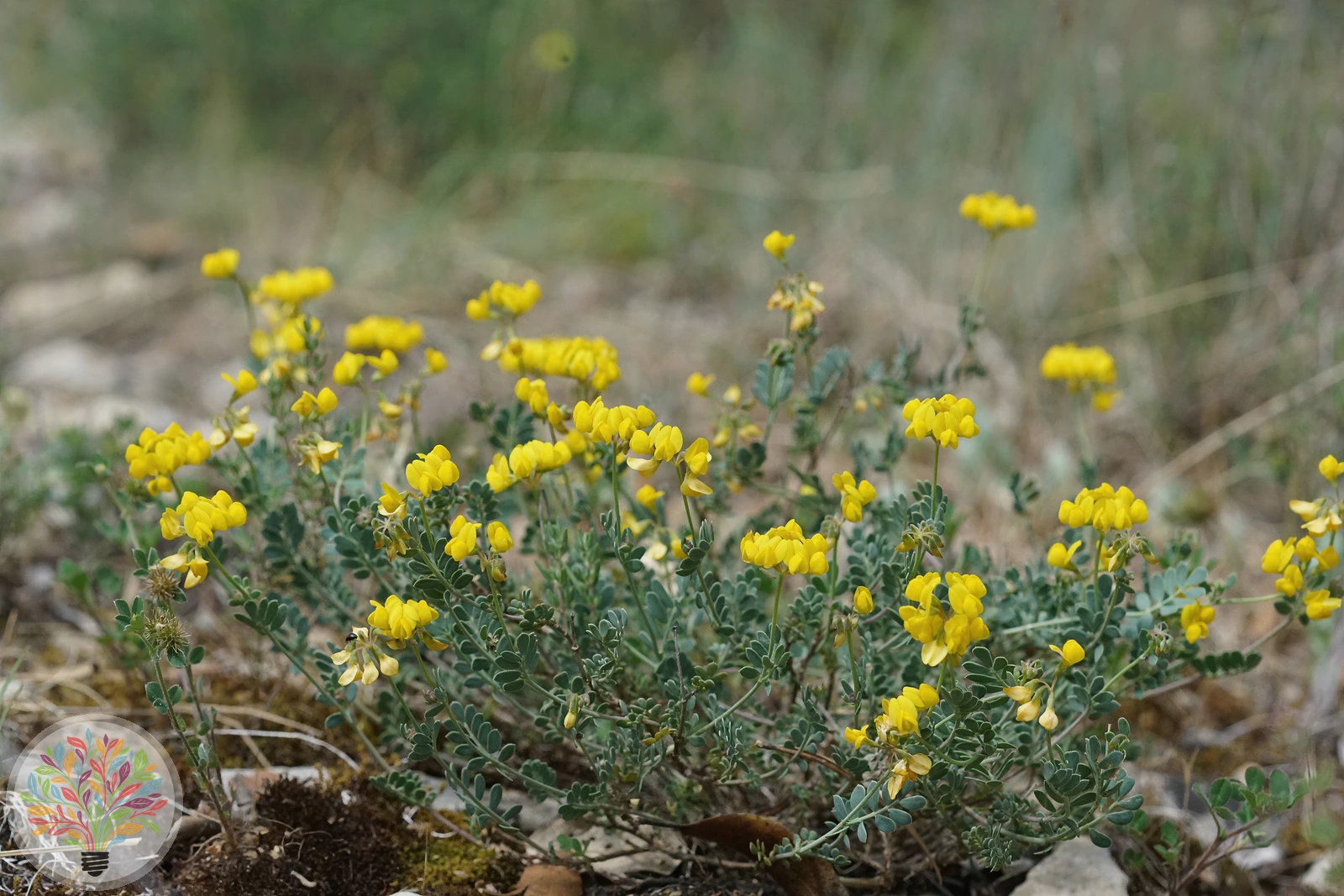
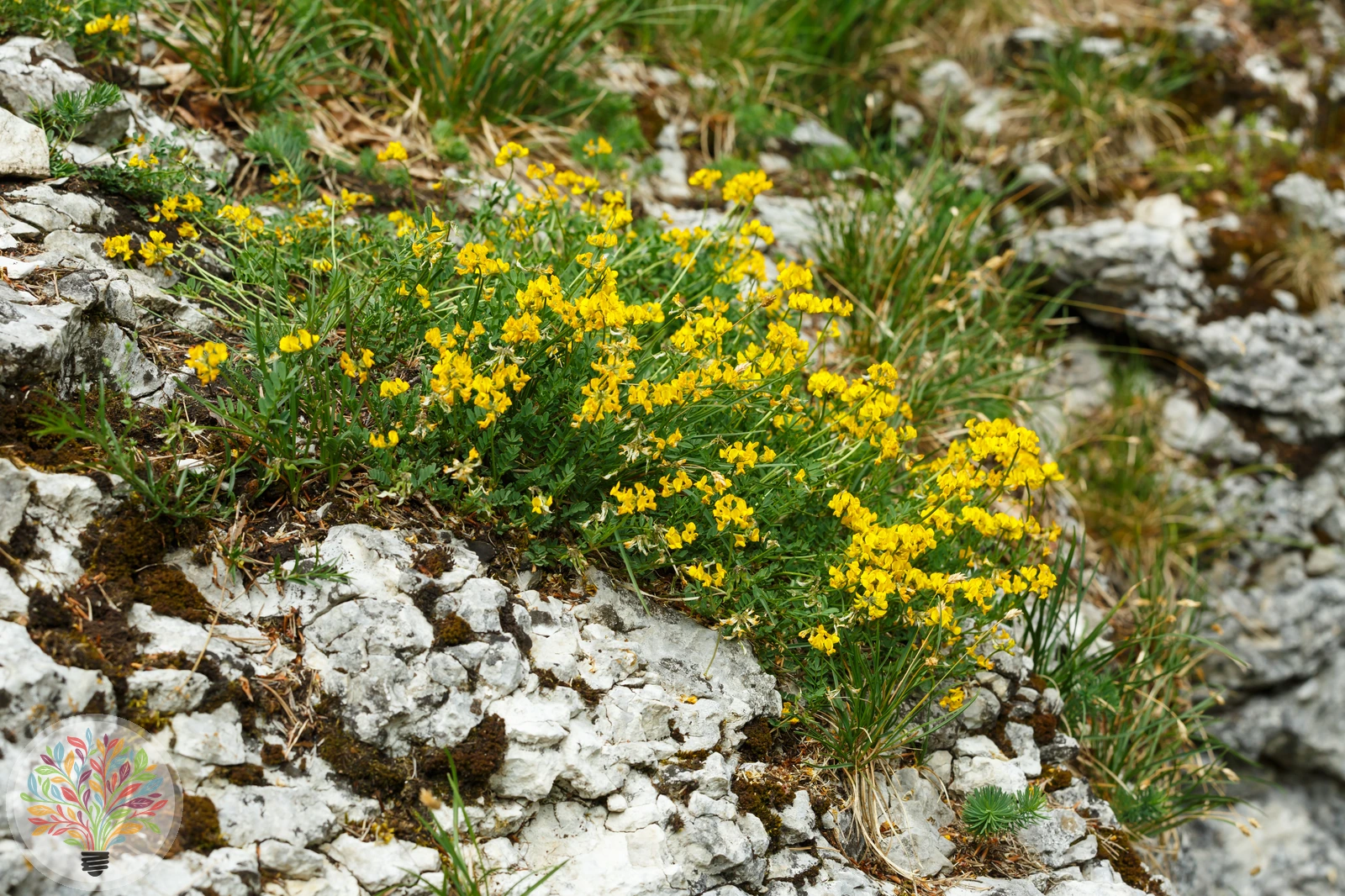
Hippocrepis comosa is a low-growing native perennial of dry chalk and limestone grasslands. It bears yellow, pea-like flowers from March to September and thrives in sunny, dry, nutrient-poor soils. This vulnerable species is a faithful indicator of species-rich calcareous turf.
Ecological network
Click to highlight connections · Click again to open the species page
Loading network...
PollinationLarval hostFlower visit
Ecological significance
It is a characteristic plant of species-rich chalk and limestone grasslands, habitats that support a diverse invertebrate fauna. Its long flowering season provides nectar and pollen, and as a native species it contributes to the natural structure of these high-conservation-value swards.
Annual cycle
Flowering occurs from March to September. Seeds mature after flowering.
Safety note
No toxic effects are recorded in the available evidence.
Standort & Merkmale
Light
Sonne
Moisture
Trocken
Soil
Schwachzehrer (Magerer Boden)
Flowering period
Mär – Sep
Soil reaction
Basisch / Kalkhold
Bioregion
Continental
Growth form
Krautige Pflanze
Woodiness
Nicht verholzt
Leaf type
Breitblättrig
Plant height
0.155 m
Morphological traits: TRY ID3 (CC BY 3.0) & TRY ID81 (CC BY)
Pflege & Anbau
**Light:** Full sun.
**Soil:** Very well-drained, calcareous, low-fertility soils (chalk or limestone).
**Water:** Drought-tolerant; avoid waterlogging.
**Feeding:** No fertiliser – thrives in nutrient-poor ground.
**Management:** Keep competition from taller grasses low; suitable for a sunny rock garden or species-rich lawn on alkaline soil.
Scientific profile
Hippocrepis comosa is a native herbaceous plant of dry calcareous grasslands and poor meadows in Great Britain. It forms low, often tufted mats, reaching about 15 cm in height. The leaves are pinnate, with 3–8 pairs of broad, obovate to oblong leaflets. From March to September it produces clusters of yellow, pea-like flowers, each 6–8 mm long. The distinctive seed pods are curved into horseshoe-shaped segments. It requires full sun, well-drained, base-rich, nutrient-poor soils and is classed as Vulnerable in Great Britain. The plant is an indicator of unimproved chalk and limestone turf, occurring in areas of low disturbance.
Pollinators & visitors
70 Arten interagieren mit dieser Pflanze
Erynnis tagesEuphydryas auriniaBombus lucorumBombus pascuorumOsmia aurulentaOsmia bicolorAricia agestisCupido minimusAndrena labialisBombus humilisAnthophora plumipesPolyommatus icarusLasiommata megeraPyrgus malvaeBombus jonellusHalictus maculatusTrachusa byssinaOsmia submicansAnthidium punctatumApis melliferaBombus lapidariusHoplitis tridentataBombus terrestrisBombus hypnorumAndrena cinerariaAnthidiellum strigatumBombus sylvarumOsmia gallarumHalictus tumulorumBombus sylvestrisOsmia bicornisBombus rupestrisMegachile circumcinctaOsmia rufohirtaAndrena wilkellaOsmia xanthomelanaColias alfacariensisLasioglossum laticepsSphecodes hyalinatusLasioglossum fulvicorneAndrena intermediaBombus wurfleniiColias phicomonePseudopanthera maculariaAndrena nigroaeneaBombus monticolaLasioglossum interruptumApis meliferaAndrena vagaBombus gr. terrestris
Host relationships
7 species use this plant as a host
Zygaena filipendulaePlebejus argusLysandra bellargusLysandra coridonScopula marginepunctataScotopteryx bipunctariaHada plebeja
Other flower visitors
6 other species visit the flowers
Sources & data origin
•Cook et al. (2025) UK Butterfly & Moth Traits (DOI: 10.5285/dbc7cc17-cbbd-49dd-bab4-8e8855768d66)
•Interaktionsdaten via GloBI (CC-BY 4.0)
•pollinator_interactions
•FloraWeb / BfN
•EIVE 1.0 — Dengler et al. (2023), DOI: 10.3897/VCS.98324 (CC BY 4.0)
•GBIF Backbone Taxonomy — GBIF Secretariat (2024), DOI: 10.15468/39omei (CC BY 4.0)
•TRY Categorical Traits (ID3) — Kattge et al. (2012), DOI: 10.17871/TRY.3 (CC BY 3.0)
•TRY Global Spectrum (ID81) — Díaz et al. (2016/2021), DOI: 10.17871/TRY.81 (CC BY)
•Govaerts R et al. (2025) — World Checklist of Vascular Plants (WCVP) v14. Royal Botanic Gardens, Kew. DOI: 10.34885/xs7h-ze42 (CC BY 4.0)
•Foto: © Adobe Stock / AdobeStock_441250869
All data is licensed under CC BY 4.0, CC0, or compatible terms. Attribution according to license conditions. Full source overview →