Hyacinthoides non-scripta
Hyacinthoides non-scripta
FamilyGenus: Hyacinthoidesnative in Germany
🌿
54
Species
interact
🔗
114
Interactions
documented
About this species
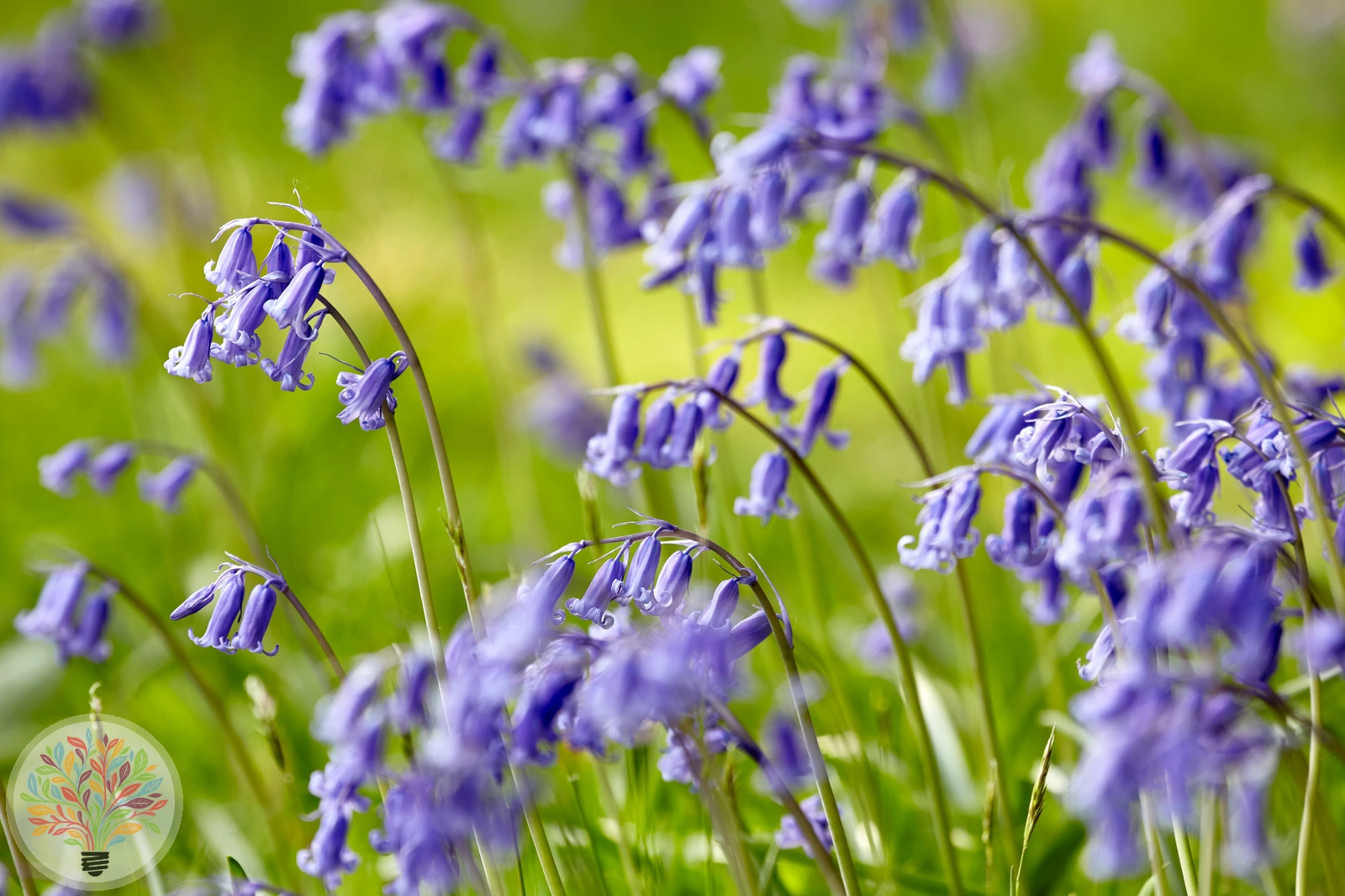
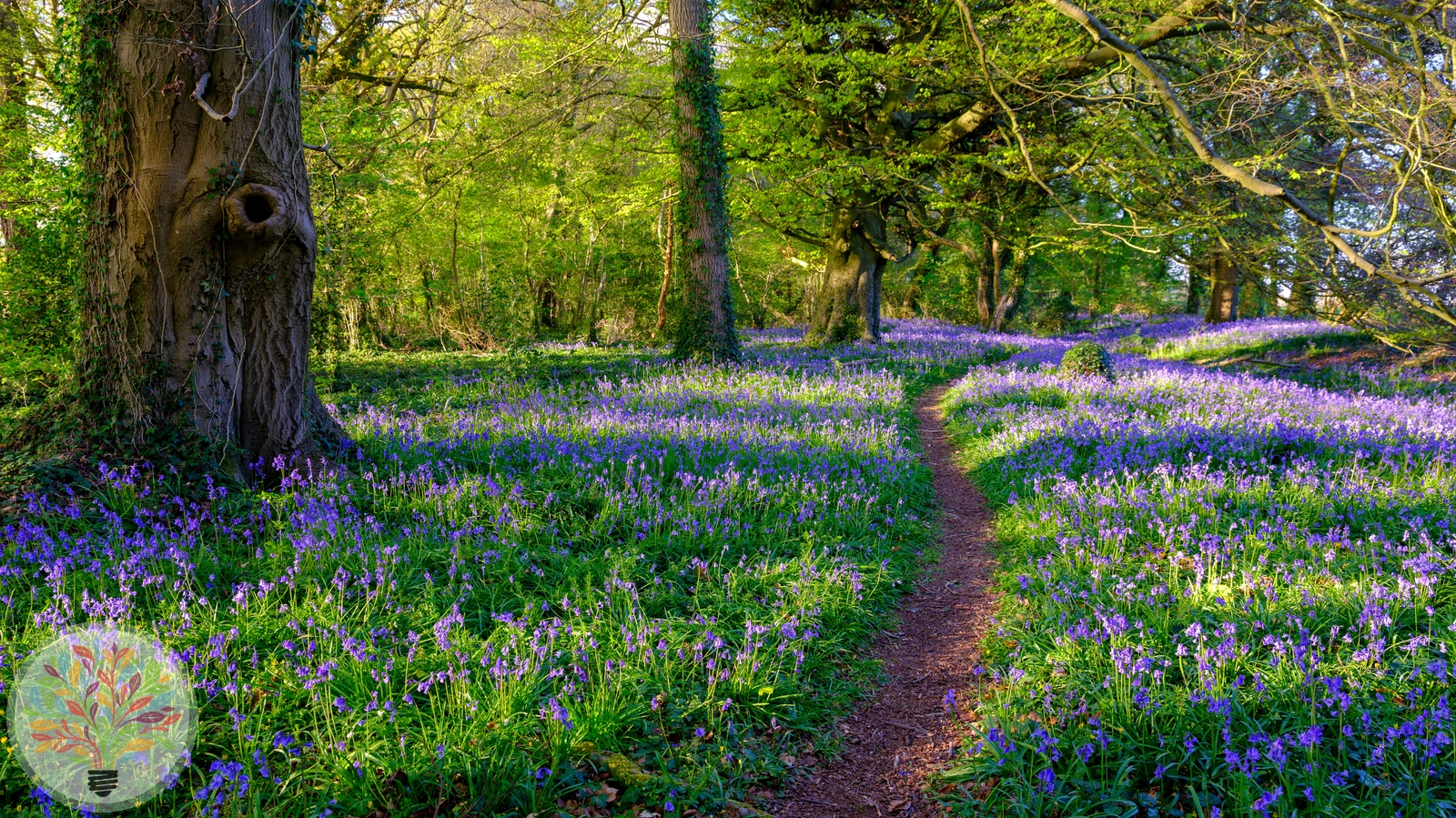
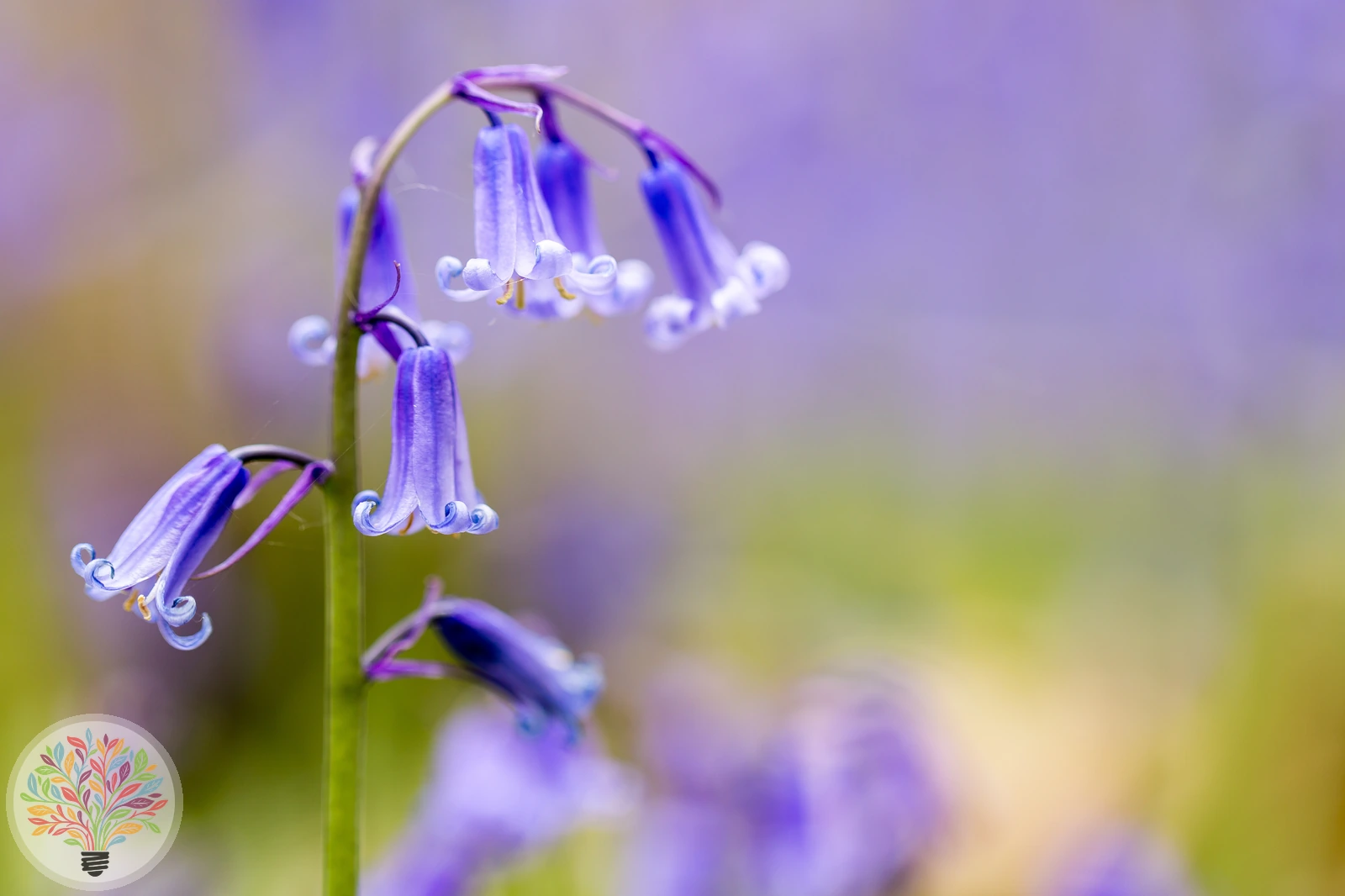
A native British wildflower, Hyacinthoides non-scripta is a herbaceous plant of partial shade and fresh, moderately fertile soils. It flowers from April to June, reaching about 21 cm in height, and provides nectar and pollen for visiting insects.
Ecological network
Click to highlight connections · Click again to open the species page
Loading network...
PollinationFlower visit
Ecological significance
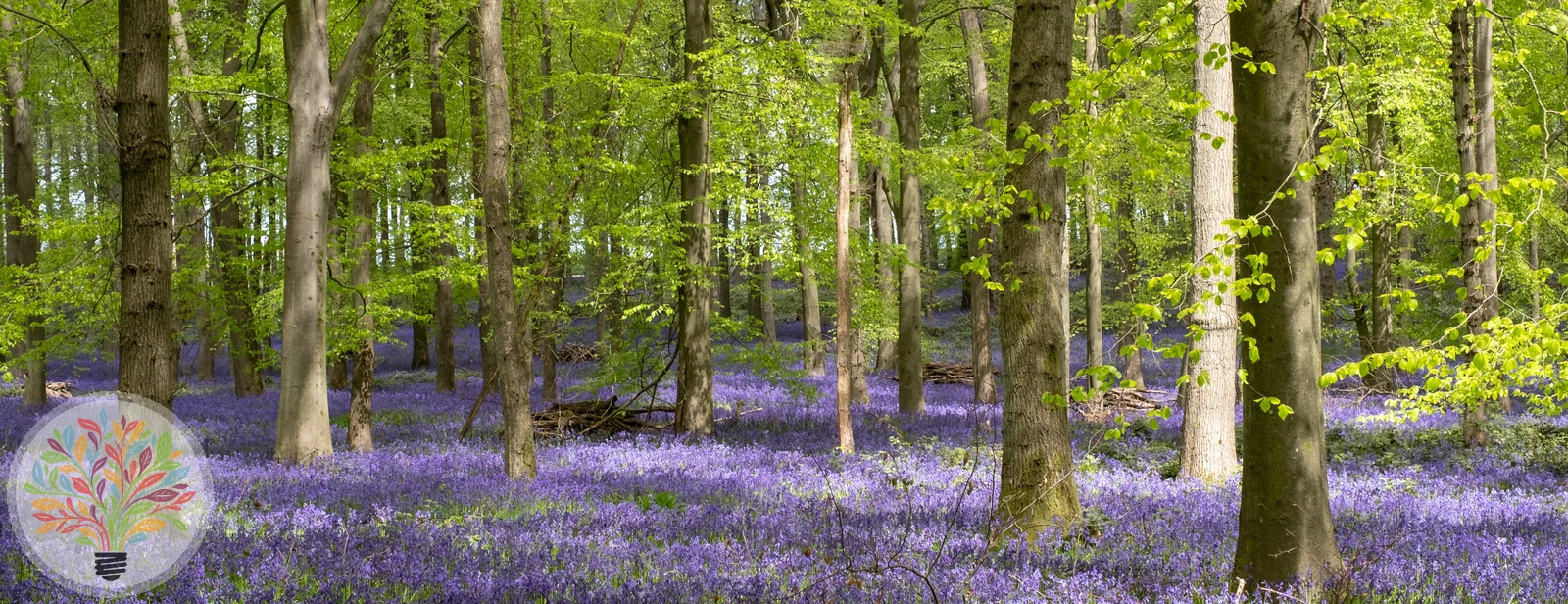
As a native species, it contributes to local biodiversity, offering nectar and pollen to insects. It is found in low-disturbance settings, where it can become part of the ground flora.
Annual cycle
Flowering periodApril to June.
Standort & Merkmale
Light
Halbschatten
Moisture
Frisch (Mäßig feucht)
Soil
Mittelzehrer (Normaler Boden)
Flowering period
Apr – Jun
Soil reaction
Mäßig sauer bis neutral
Bioregion
Continental
Nectar value
2
Pollen value
2
Growth form
Krautige Pflanze
Woodiness
Nicht verholzt
Leaf type
Breitblättrig
Plant height
0.21 m
Morphological traits: TRY ID3 (CC BY 3.0) & TRY ID81 (CC BY)
Pollen
0.9383 mg/Blüte
Pflege & Anbau
Plant in partial shade. The soil should be fresh (moderately moist), moderately fertile, and neutral to slightly acid. Flowering is from April to June. Minimal maintenance is required once established.
Scientific profile
Hyacinthoides non-scripta is a herbaceous, non-woody plant with broad leaves, native to Great Britain. It belongs to the asparagus family (Asparagaceae). It typically grows in half-shade, on fresh, moderately fertile soils that are neutral to slightly acid. The plant reaches a height of around 21 cm. Flowering occurs from April to June. Nectar and pollen values of 2 indicate it offers resources for pollinators. A low disturbance indicator score (0.65) suggests it favours habitats with minimal disturbance. It is listed as 'R' on the national Red List.
Pollinators & visitors
46 Arten interagieren mit dieser Pflanze
Pieris napiPieris rapaeGonepteryx rhamniBoloria selene (Denis & Schiffermüller), 1775Callophrys rubiCarterocephalus palaemonBombus sylvestrisEucera longicornisOsmia caerulescensClossiana euphrosynePieris brassicaeLasiommata megeraAndrena flavipesBombus lapidariusBombus hortorumBombus hypnorumBombus lucorumAndrena nitidaBombus pascuorumOsmia bicornisBombus vestalisBombus rupestrisAglais ioBombus campestrisAndrena clarkellaBombus humilisBombus jonellusBombus pratorumAnthophora plumipesBombus muscorumMuntiacus reevesiAutographa gammaApis melliferaPapilio machaonBombus terrestrisAnthocharis cardaminesBombus ruderatusMelanostoma scalareMeliscaeva cinctellaRhingia rostrataAndrena angustiorMelanostoma mellinumBombylius majorPlatycheirus albimanusRhingia campestrisAndrena bicolor
Other flower visitors
8 other species visit the flowers
Cantharis pellucidaAnaspis frontalisApodemus sylvaticusMyodes glareolusAgriotes pallidulusTipula varipennisThricops semicinereusSiphona geniculata
Sources & data origin
•Interaktionsdaten via GloBI (CC-BY 4.0)
•FloRes_2022
•pollinator_interactions
•Baden-Böhm F, App M, Thiele J (2022) — The FloRes Database: A floral resources trait database for pollinator habitat-assessment generated by a multistep workflow. Johann Heinrich von Thünen-Institut, Dryad, DOI: 10.5061/dryad.djh9w0w29 (CC0)
•FloraWeb / BfN
•EIVE 1.0 — Dengler et al. (2023), DOI: 10.3897/VCS.98324 (CC BY 4.0)
•EuPPollNet — Kuppler et al. (2025), DOI: 10.1111/geb.70000 (CC BY 4.0)
•Database of Pollinator Interactions (DoPI) — Pocock et al. (2022), DOI: 10.1002/ecy.3801 (CC BY)
•GBIF Backbone Taxonomy — GBIF Secretariat (2024), DOI: 10.15468/39omei (CC BY 4.0)
•TRY Categorical Traits (ID3) — Kattge et al. (2012), DOI: 10.17871/TRY.3 (CC BY 3.0)
•TRY Global Spectrum (ID81) — Díaz et al. (2016/2021), DOI: 10.17871/TRY.81 (CC BY)
•Govaerts R et al. (2025) — World Checklist of Vascular Plants (WCVP) v14. Royal Botanic Gardens, Kew. DOI: 10.34885/xs7h-ze42 (CC BY 4.0)
•Foto: © Adobe Stock / AdobeStock_326963828
All data is licensed under CC BY 4.0, CC0, or compatible terms. Attribution according to license conditions. Full source overview →