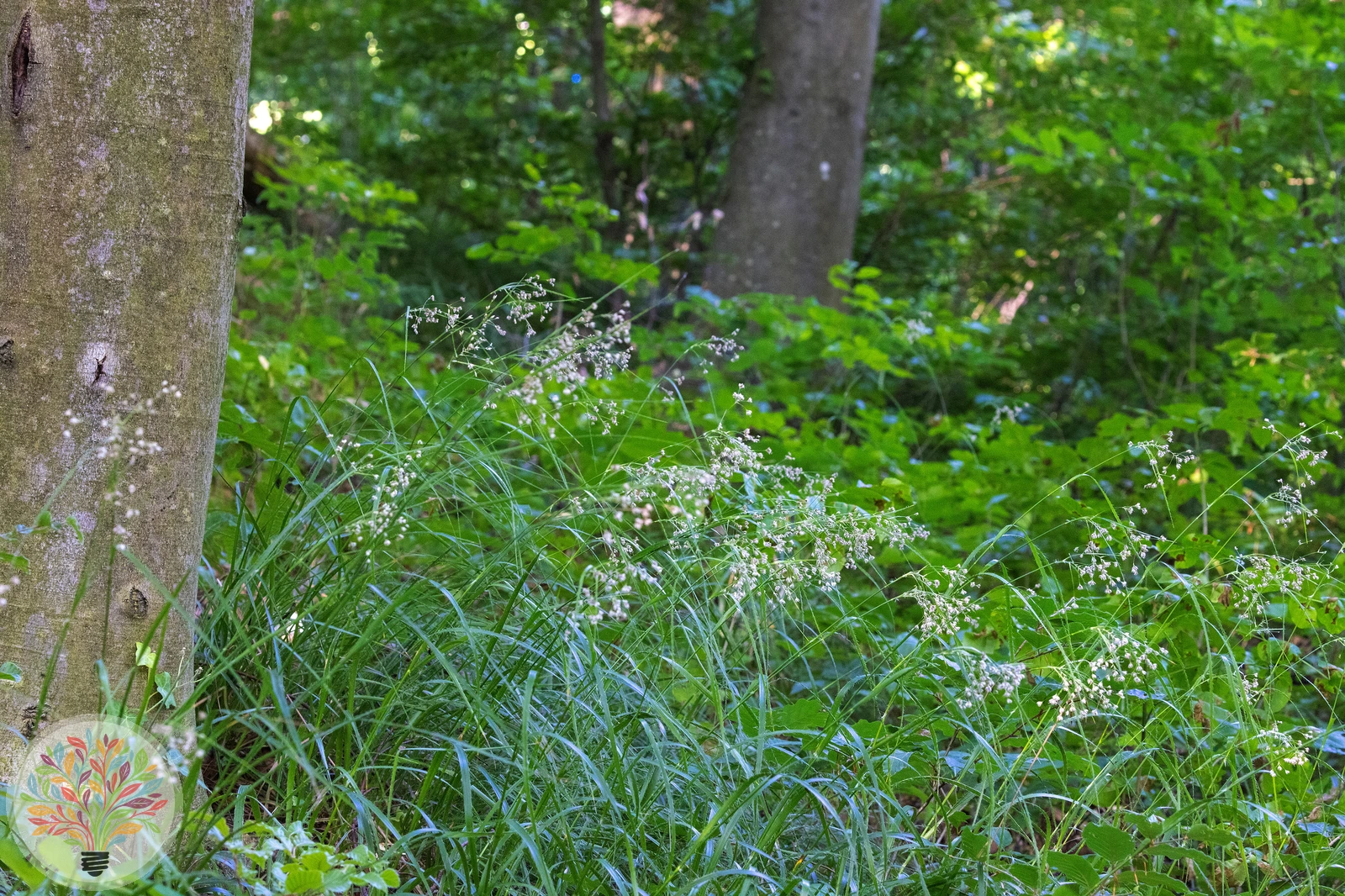
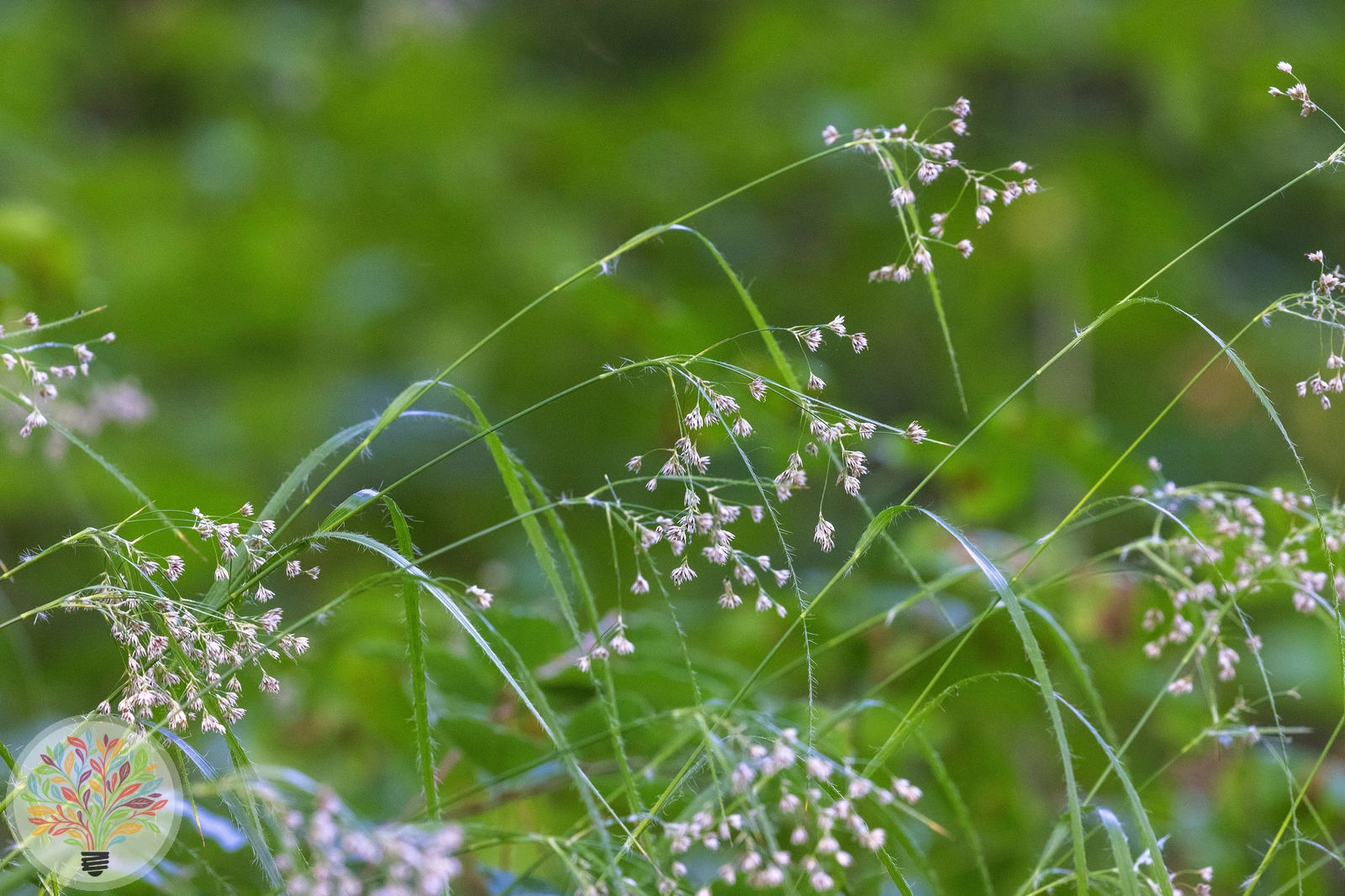
Luzula sylvatica
Luzula sylvatica
FamilyGenus: Luzulanative in Germany
🌿
2
Species
interact
🔗
2
Interactions
documented
🐛
2
Host relationships
Species
About this species
An evergreen, grass‑like perennial native to Great Britain, Luzula sylvatica flourishes in shaded, moist habitats on acidic to moderately fertile soils. Its broad leaves and airy flowering stems appear from late spring into early autumn.
Ecological network
Click to highlight connections · Click again to open the species page
Loading network...
Larval host
Ecological significance
As a native component of woodland and shaded ground‑layer vegetation, Luzula sylvatica contributes to natural habitat structure and may provide cover for small invertebrates.
Annual cycle
Foliage is evergreen and remains present all year. New growth emerges in late winter and early spring. Flowering stems rise from May and continue through to September. Seed capsules ripen over summer and autumn, often persisting on the plant.
Safety note
No safety‑related information is documented for this species.
Standort & Merkmale
Light
Schatten
Moisture
Frisch (Mäßig feucht)
Soil
Mittelzehrer (Normaler Boden)
Flowering period
Mai – Sep
Soil reaction
Sauer (Säurezeiger)
Bioregion
Continental
Growth form
Gras
Woodiness
Nicht verholzt
Leaf type
Breitblättrig
Leaf phenology
Immergrün
Plant height
0.464 m
Morphological traits: TRY ID3 (CC BY 3.0) & TRY ID81 (CC BY)
Pflege & Anbau
Plant Luzula sylvatica in a shaded or partially shaded position, in moist but well‑drained, humus‑rich soil that is acidic to neutral. Average garden soil suffices. Cut back any winter‑worn leaves in early spring to maintain a tidy appearance and encourage fresh growth.
Scientific profile
Luzula sylvatica is a non‑woody, evergreen perennial with a grass‑like growth form. It belongs to the rush family (Juncaceae) and is indigenous to Great Britain. The plant typically reaches around 46 cm in height, bearing broad leaves that persist through the year. From May to September it produces loose inflorescences of small, brownish flowers. It occurs naturally in shady, moist situations, favouring acidic substrates and moderate nutrient levels. The species is associated with habitats that experience low disturbance. Its mycorrhizal associations are variable.
Sources & data origin
•Cook et al. (2025) UK Butterfly & Moth Traits (DOI: 10.5285/dbc7cc17-cbbd-49dd-bab4-8e8855768d66)
•FloraWeb / BfN
•EIVE 1.0 — Dengler et al. (2023), DOI: 10.3897/VCS.98324 (CC BY 4.0)
•GBIF Backbone Taxonomy — GBIF Secretariat (2024), DOI: 10.15468/39omei (CC BY 4.0)
•TRY Categorical Traits (ID3) — Kattge et al. (2012), DOI: 10.17871/TRY.3 (CC BY 3.0)
•TRY Global Spectrum (ID81) — Díaz et al. (2016/2021), DOI: 10.17871/TRY.81 (CC BY)
•Govaerts R et al. (2025) — World Checklist of Vascular Plants (WCVP) v14. Royal Botanic Gardens, Kew. DOI: 10.34885/xs7h-ze42 (CC BY 4.0)
•Foto: © Adobe Stock / AdobeStock_1536666070
All data is licensed under CC BY 4.0, CC0, or compatible terms. Attribution according to license conditions. Full source overview →