Ononis spinosa
Ononis spinosa
FamilyGenus: Ononisnative in Germany
🌿
52
Species
interact
🔗
410
Interactions
documented
🐛
2
Host relationships
Species
About this species
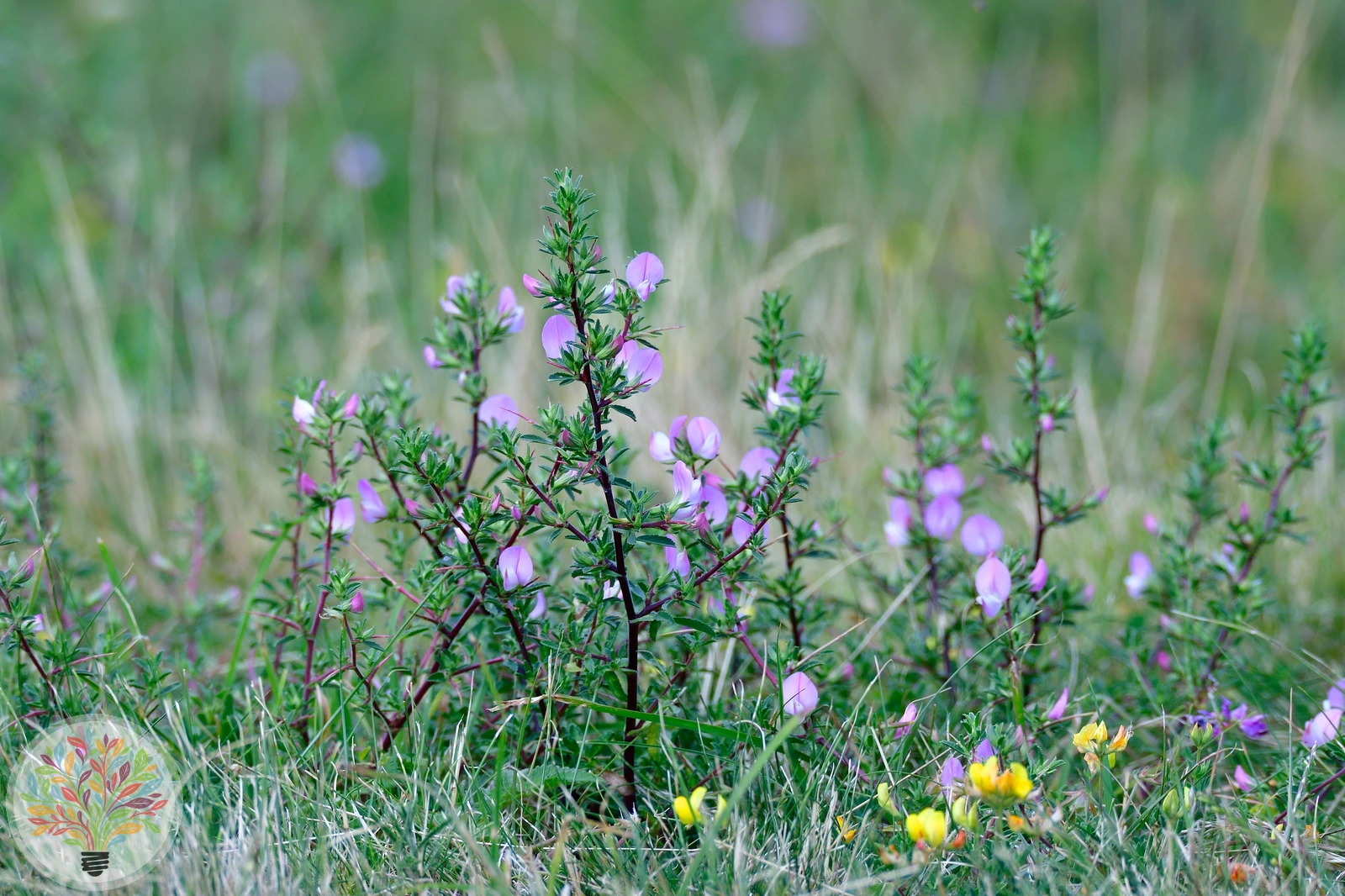
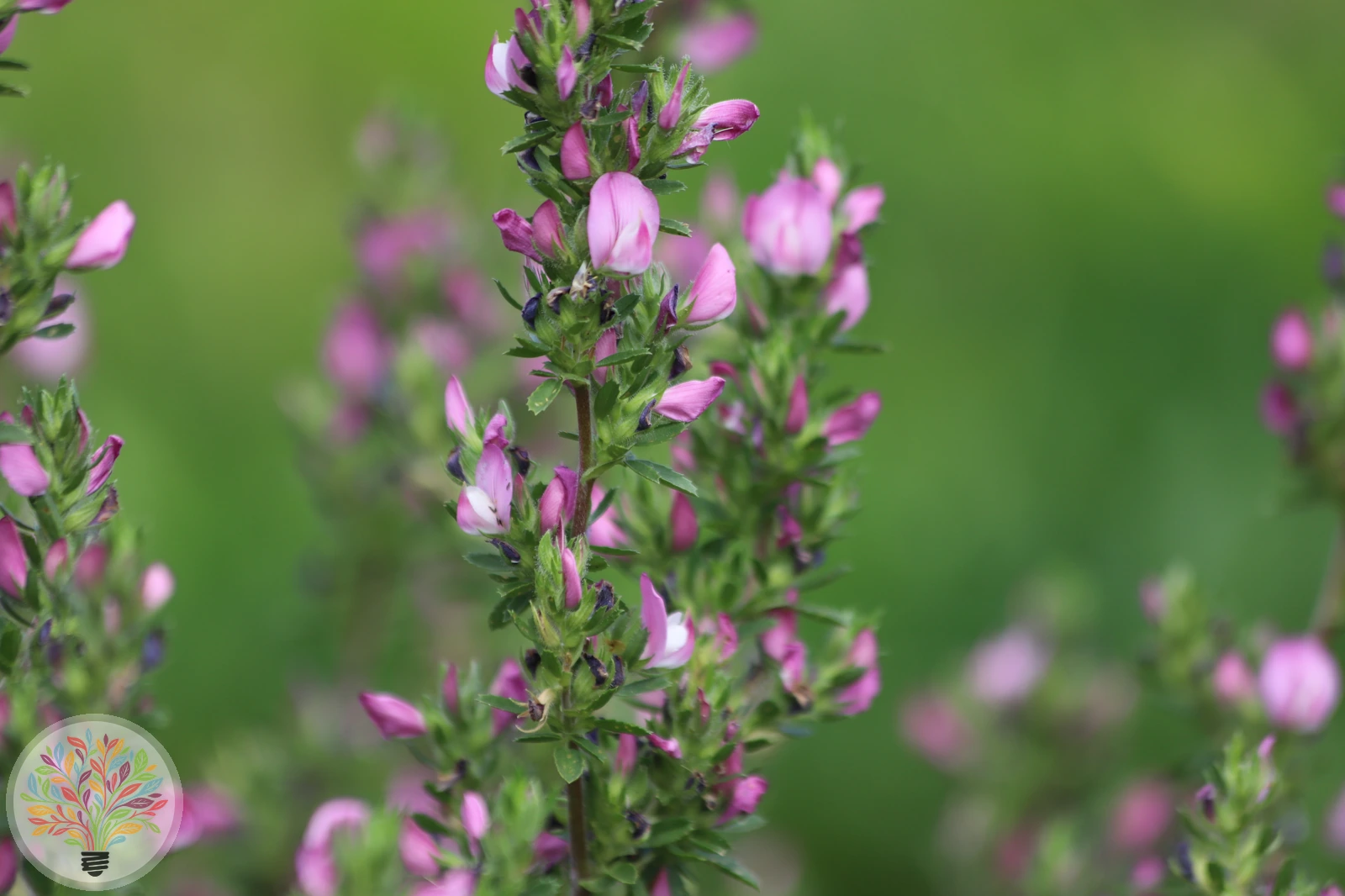
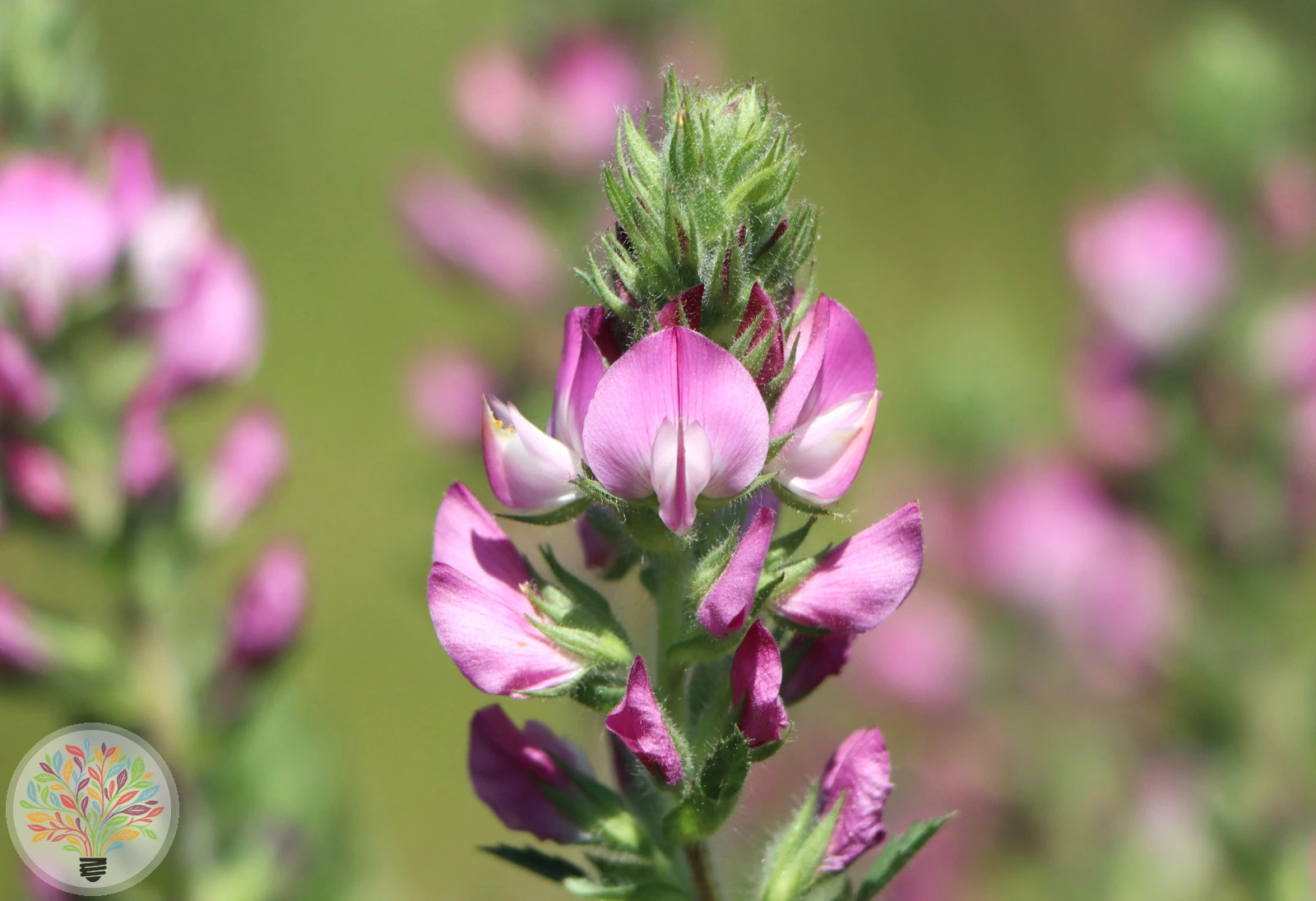
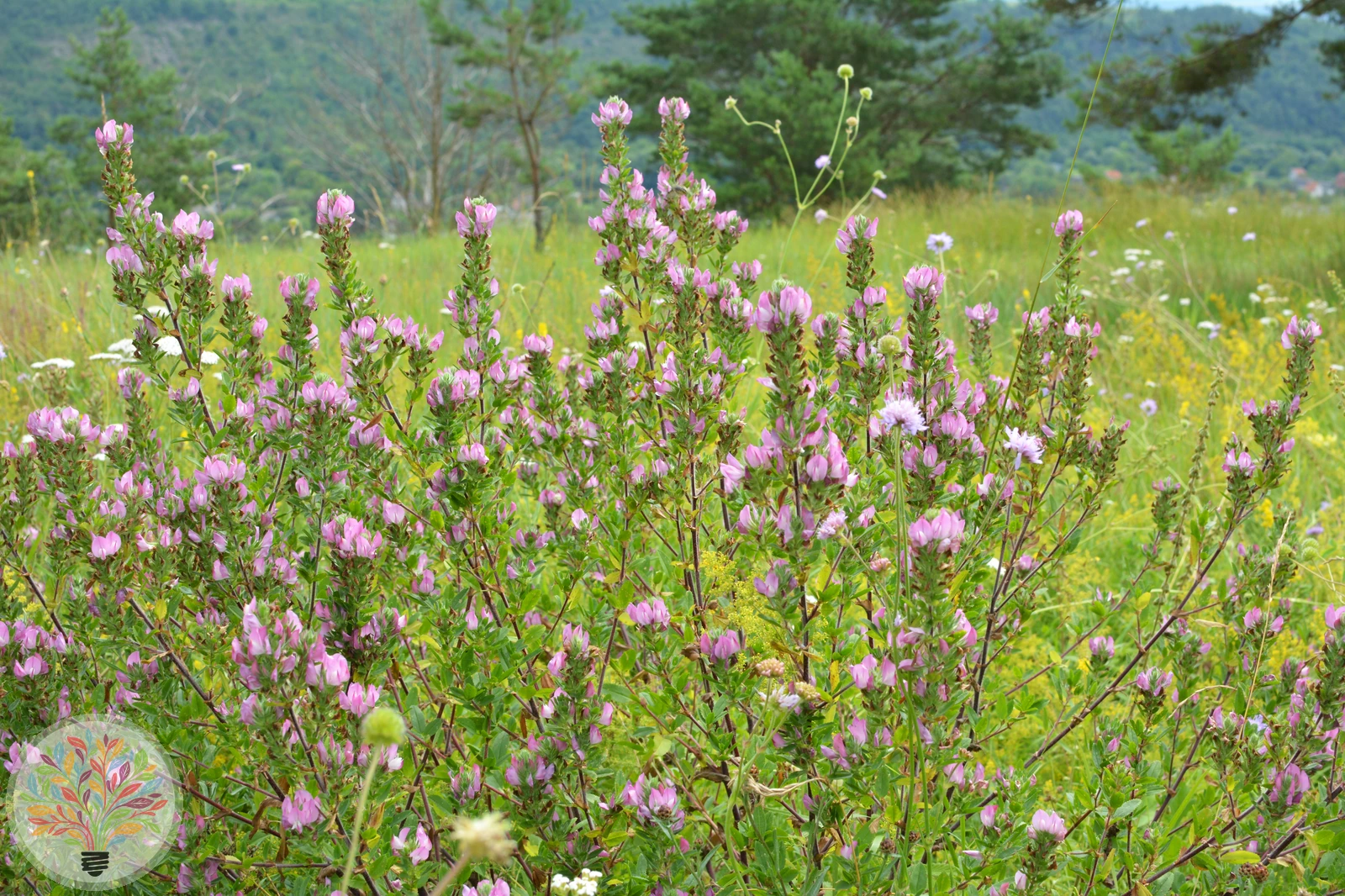
A low, spiny legume of dry, calcareous grasslands, bearing pink flowers in summer and valued for its nectar and pollen. Native in Great Britain.
Ecological network
Click to highlight connections · Click again to open the species page
Loading network...
PollinationLarval hostFlower visit
Ecological significance
The flowers offer a rich supply of nectar and pollen, scoring highly for both, and support a variety of insects.
Annual cycle
Evergreen foliage persists through the year. The flowering period runs from June to August.
Safety note
There are no recorded toxic properties, though sensitive individuals may occasionally react to handling.
Standort & Merkmale
Light
Sonne
Moisture
Trocken
Soil
Schwachzehrer (Magerer Boden)
Flowering period
Jun – Aug
Soil reaction
Basisch / Kalkhold
Bioregion
Continental
Nectar value
5
Pollen value
5
Growth form
Krautige Pflanze
Woodiness
Nicht verholzt
Leaf type
Breitblättrig
Leaf phenology
Immergrün
Plant height
0.403 m
Morphological traits: TRY ID3 (CC BY 3.0) & TRY ID81 (CC BY)
Pflege & Anbau
Grow in full sun on well-drained, poor, alkaline soil. Water sparingly once established; no additional fertiliser is needed. Trim after flowering to keep a compact habit.
Scientific profile
Ononis spinosa is a herbaceous perennial of the Fabaceae family, reaching around 40 cm in height. It bears broad, evergreen leaves and produces pink flowers from June to August. The species shows a preference for nutrient-poor, calcareous soils in full sun and has a low tolerance of disturbance. It is not adapted to saline conditions. The root system forms arbuscular mycorrhizal associations. Diaspore mass is approximately 4.9 mg. It is native in Great Britain.
Pollinators & visitors
45 Arten interagieren mit dieser Pflanze
Syrphus ribesiiSyrphus vitripennisEupeodes corollaeEpisyrphus balteatusXylocopa violaceaApis melliferaLasioglossum glabriusculumBombus pascuorumBombus ruderariusBombus lapidariusBombus terrestris (Linnaeus,1758)AndrenaAndrena wilkellaOsmia aurulentaLasioglossum pauxillumLasioglossum morioOsmia rufohirtaSyritta pipiensAndrena labialisAnthidium oblongatumBombus humilisScaeva pyrastriAndrena flavipesAnthidium manicatumChelostoma rapunculiEristalis tenaxMegachile willughbiellaAnthidium punctatumTrachusa byssinaMegachile argentataBombus sylvarumLasioglossum punctatissimumSphaerophoria scriptaBombus pratorumBombus lucorumPlatycheirus albimanusHoplitis leucomelanaSeladonia tumulorumAndrena ovatulaEucera longicornisMegachileBombus hortorumBombus cryptarum/lucorum/magnus/terrestrisMegachile pilidensHalictus tumulorum
Host relationships
2 species use this plant as a host
Lasiocampa trifoliiPyrrhia umbra
Other flower visitors
5 other species visit the flowers
Meligethes aeneus (Fabricius,1775)Brassicogethes aeneusEuceraSphaerophoriaSphaerophoria spec
Sources & data origin
•Cook et al. (2025) UK Butterfly & Moth Traits (DOI: 10.5285/dbc7cc17-cbbd-49dd-bab4-8e8855768d66)
•pollinator_interactions
•FloraWeb / BfN
•EIVE 1.0 — Dengler et al. (2023), DOI: 10.3897/VCS.98324 (CC BY 4.0)
•EuPPollNet — Kuppler et al. (2025), DOI: 10.1111/geb.70000 (CC BY 4.0)
•Database of Pollinator Interactions (DoPI) — Pocock et al. (2022), DOI: 10.1002/ecy.3801 (CC BY)
•GBIF Backbone Taxonomy — GBIF Secretariat (2024), DOI: 10.15468/39omei (CC BY 4.0)
•TRY Categorical Traits (ID3) — Kattge et al. (2012), DOI: 10.17871/TRY.3 (CC BY 3.0)
•TRY Global Spectrum (ID81) — Díaz et al. (2016/2021), DOI: 10.17871/TRY.81 (CC BY)
•Govaerts R et al. (2025) — World Checklist of Vascular Plants (WCVP) v14. Royal Botanic Gardens, Kew. DOI: 10.34885/xs7h-ze42 (CC BY 4.0)
•Foto: © Adobe Stock / AdobeStock_268842619
All data is licensed under CC BY 4.0, CC0, or compatible terms. Attribution according to license conditions. Full source overview →