Oxalis corniculata
Oxalis corniculata
FamilyGenus: Oxalisnative in Germany
🌿
18
Species
interact
🔗
30
Interactions
documented
About this species
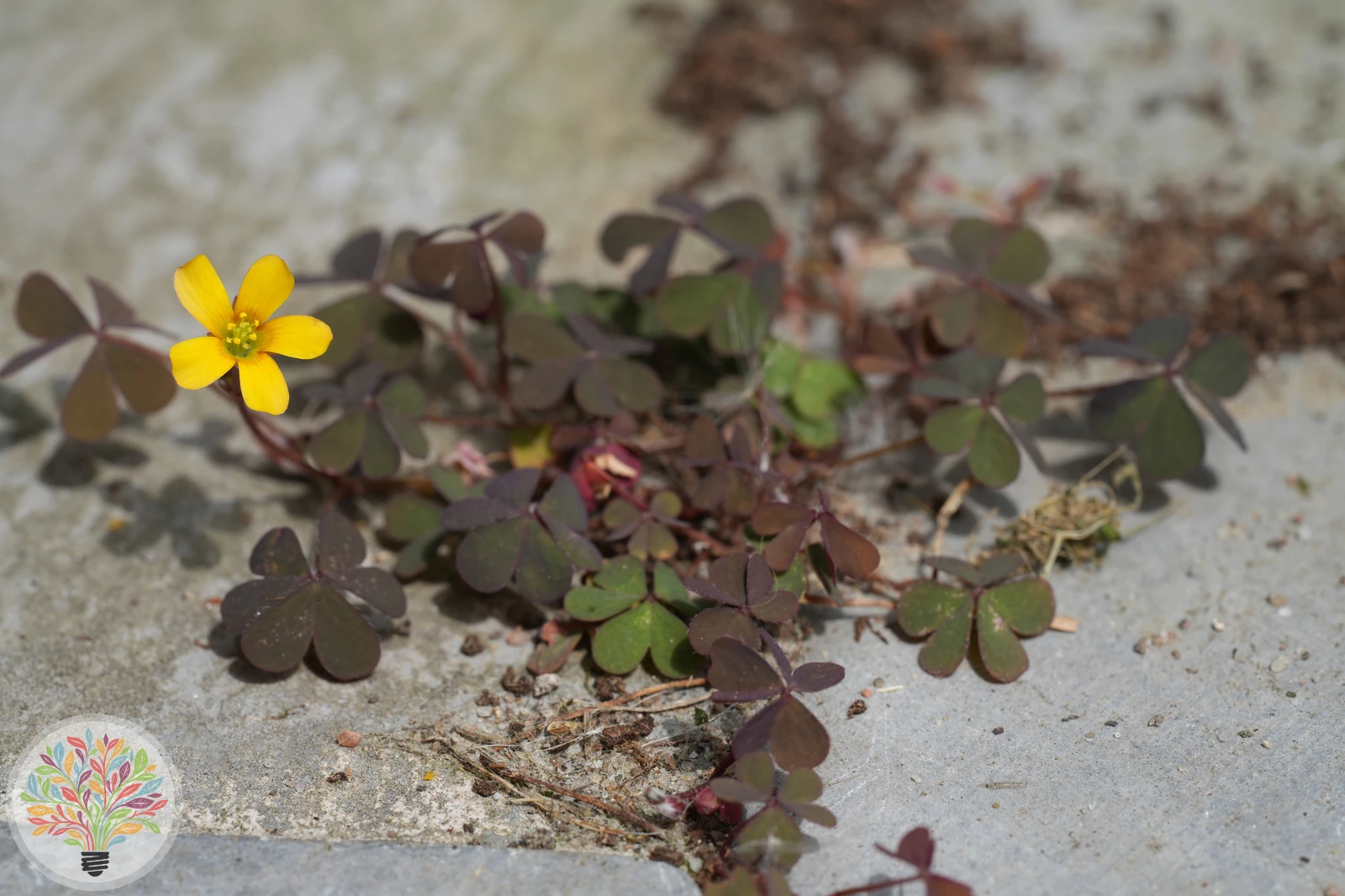
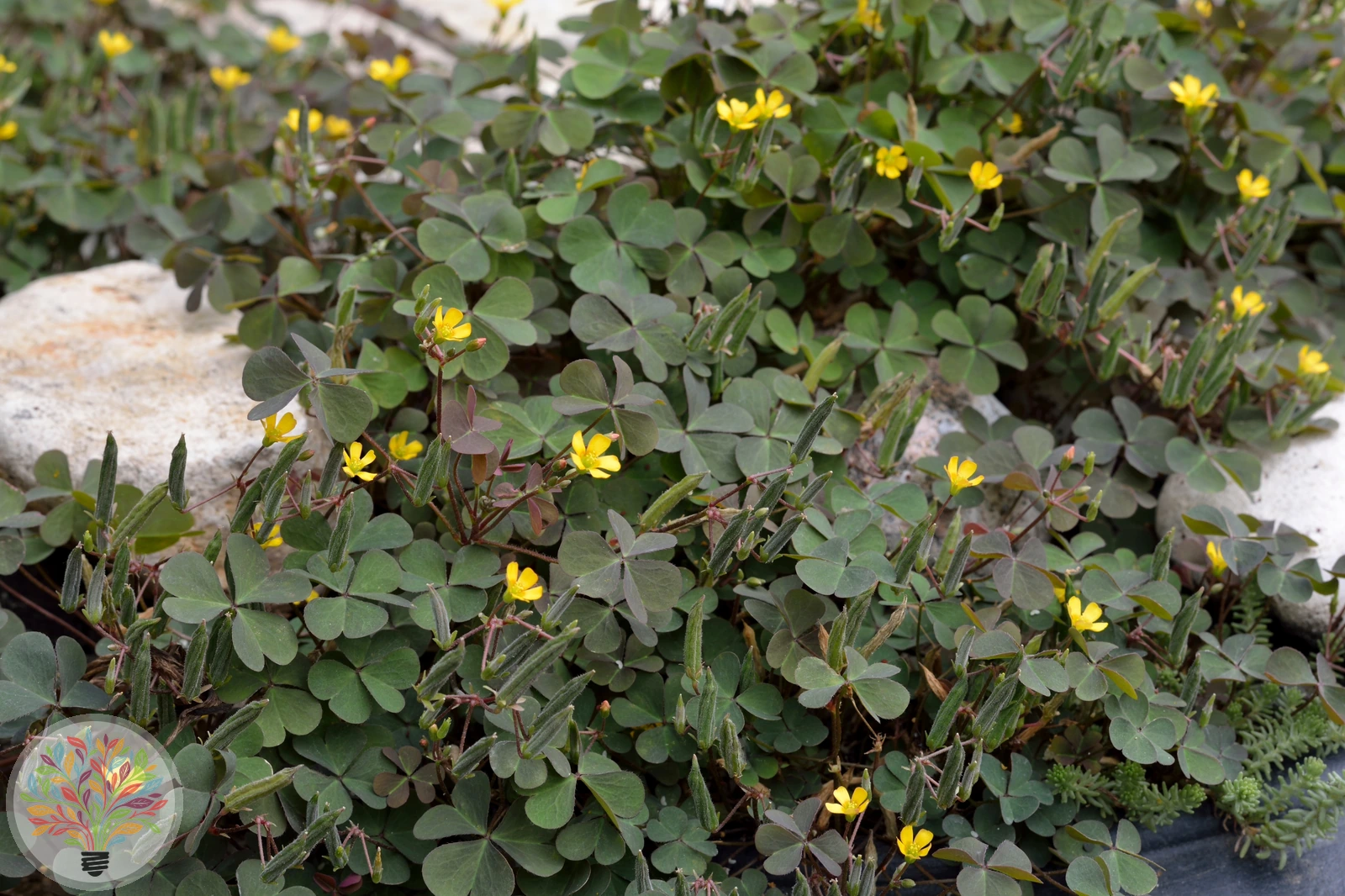
A low-growing, introduced herb with small yellow flowers from May to August. It provides nectar and pollen for insects and thrives in sunny spots with moist, normal garden soil.
Ecological network
Click to highlight connections · Click again to open the species page
Loading network...
PollinationFlower visit
Ecological significance
This species is introduced and established in Great Britain. It appears in gardens, paths and woodland edges, but is not recorded as invasive and no specific negative ecological impacts are documented here.
Annual cycle
Flowers from May to August.
Standort & Merkmale
Light
Sonne
Moisture
Frisch (Mäßig feucht)
Soil
Mittelzehrer (Normaler Boden)
Flowering period
Mai – Aug
Soil reaction
Mäßig sauer bis neutral
Bioregion
Continental
Nectar value
3
Pollen value
3
Growth form
Krautige Pflanze
Woodiness
Nicht verholzt
Leaf type
Breitblättrig
Plant height
0.12 m
Morphological traits: TRY ID3 (CC BY 3.0) & TRY ID81 (CC BY)
Pflege & Anbau
Prefers a sunny position in fresh, moderately moist, normal garden soil. It is adaptable but thrives best without waterlogging or extreme drought.
Scientific profile
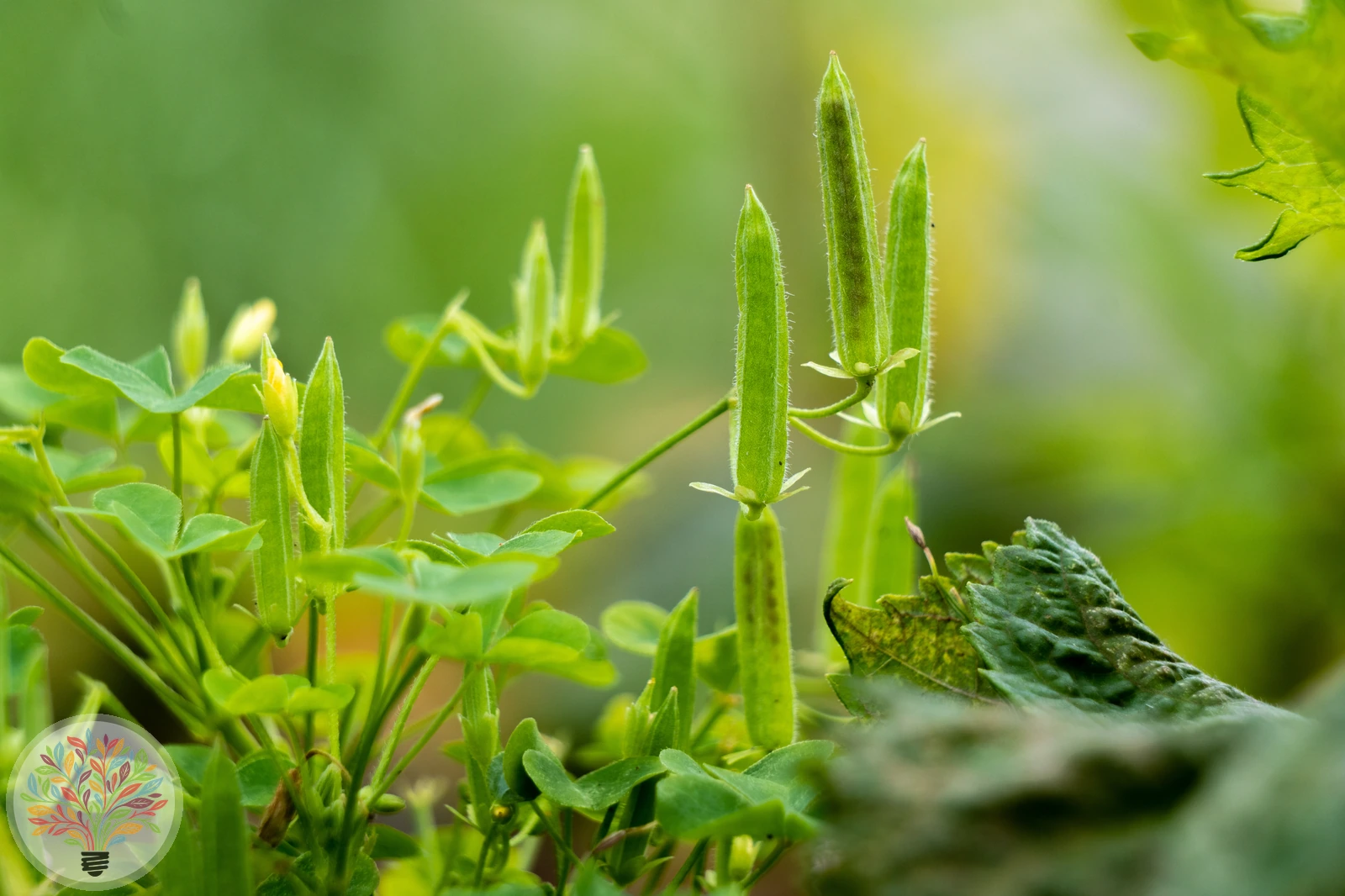
Oxalis corniculata is a herbaceous, non-woody plant with broad leaves and a low stature, typically reaching around 12 cm in height. Its leaves are divided into three heart-shaped leaflets, often tinged with purple, and the small, bright yellow flowers open from May to August. The blooms offer modest amounts of nectar and pollen to visiting insects. The plant forms arbuscular mycorrhizal associations and produces very small diaspores. Ecologically it shows a preference for sunny conditions, fresh moderately moist soils of neutral to slightly acidic reaction, and moderate nutrient levels. It is not tolerant of saline conditions and tends to occur in sites with low disturbance. In Great Britain, Oxalis corniculata is an introduced species that has become established, and it is regularly found in gardens, along paths and on disturbed ground.
Pollinators & visitors
16 Arten interagieren mit dieser Pflanze
Vespa velutina nigrithoraxHalictus confususApis melliferaPieris rapaeAnthidium oblongatumSphaerophoria scriptaLasioglossum glabriusculumLasioglossum morioAndrena minutulaLasioglossum minutissimumLasioglossum pauxillumHalictus subauratusLasioglossum villosulumEupeodes corollaeParagus haemorrhousPipizella viduata
Sources & data origin
•Interaktionsdaten via GloBI (CC-BY 4.0)
•pollinator_interactions
•FloraWeb / BfN
•EIVE 1.0 — Dengler et al. (2023), DOI: 10.3897/VCS.98324 (CC BY 4.0)
•EuPPollNet — Kuppler et al. (2025), DOI: 10.1111/geb.70000 (CC BY 4.0)
•Database of Pollinator Interactions (DoPI) — Pocock et al. (2022), DOI: 10.1002/ecy.3801 (CC BY)
•GBIF Backbone Taxonomy — GBIF Secretariat (2024), DOI: 10.15468/39omei (CC BY 4.0)
•TRY Categorical Traits (ID3) — Kattge et al. (2012), DOI: 10.17871/TRY.3 (CC BY 3.0)
•TRY Global Spectrum (ID81) — Díaz et al. (2016/2021), DOI: 10.17871/TRY.81 (CC BY)
•Checklist Alien Plants Belgium — Verloove F (2023), Botanic Garden Meise (CC BY 4.0)
•Govaerts R et al. (2025) — World Checklist of Vascular Plants (WCVP) v14. Royal Botanic Gardens, Kew. DOI: 10.34885/xs7h-ze42 (CC BY 4.0)
•Foto: © Adobe Stock / AdobeStock_1454312140
All data is licensed under CC BY 4.0, CC0, or compatible terms. Attribution according to license conditions. Full source overview →