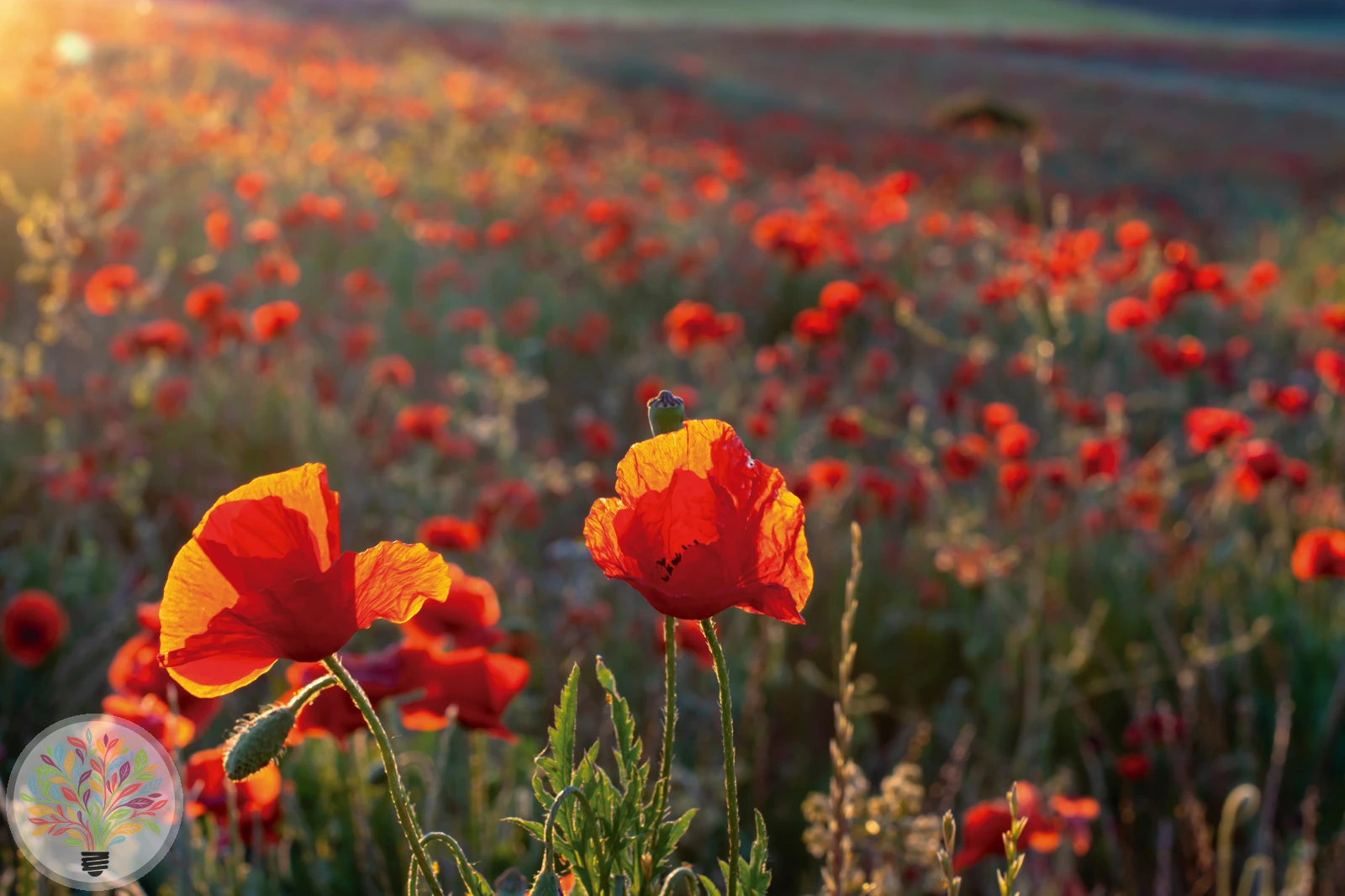
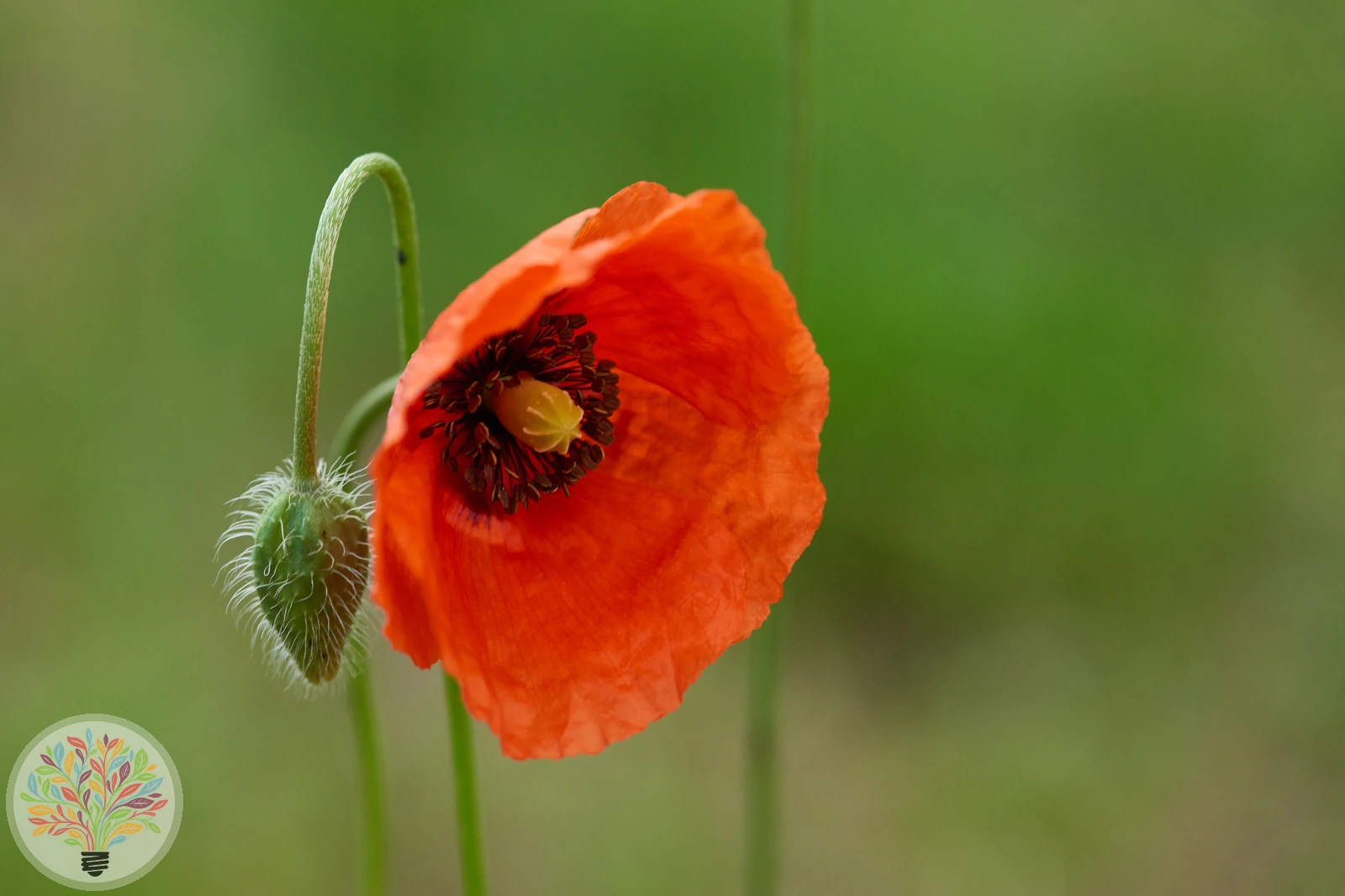
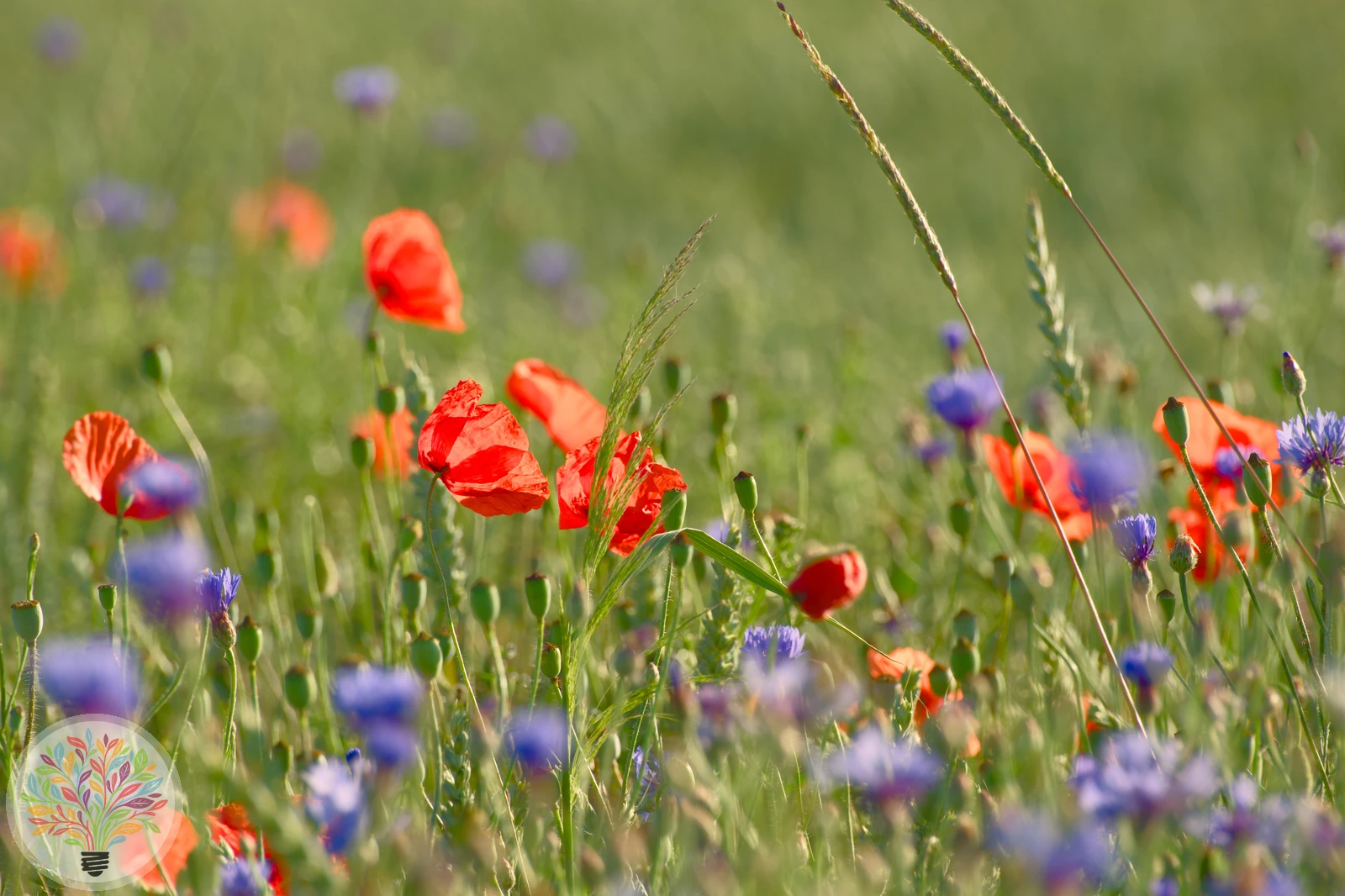
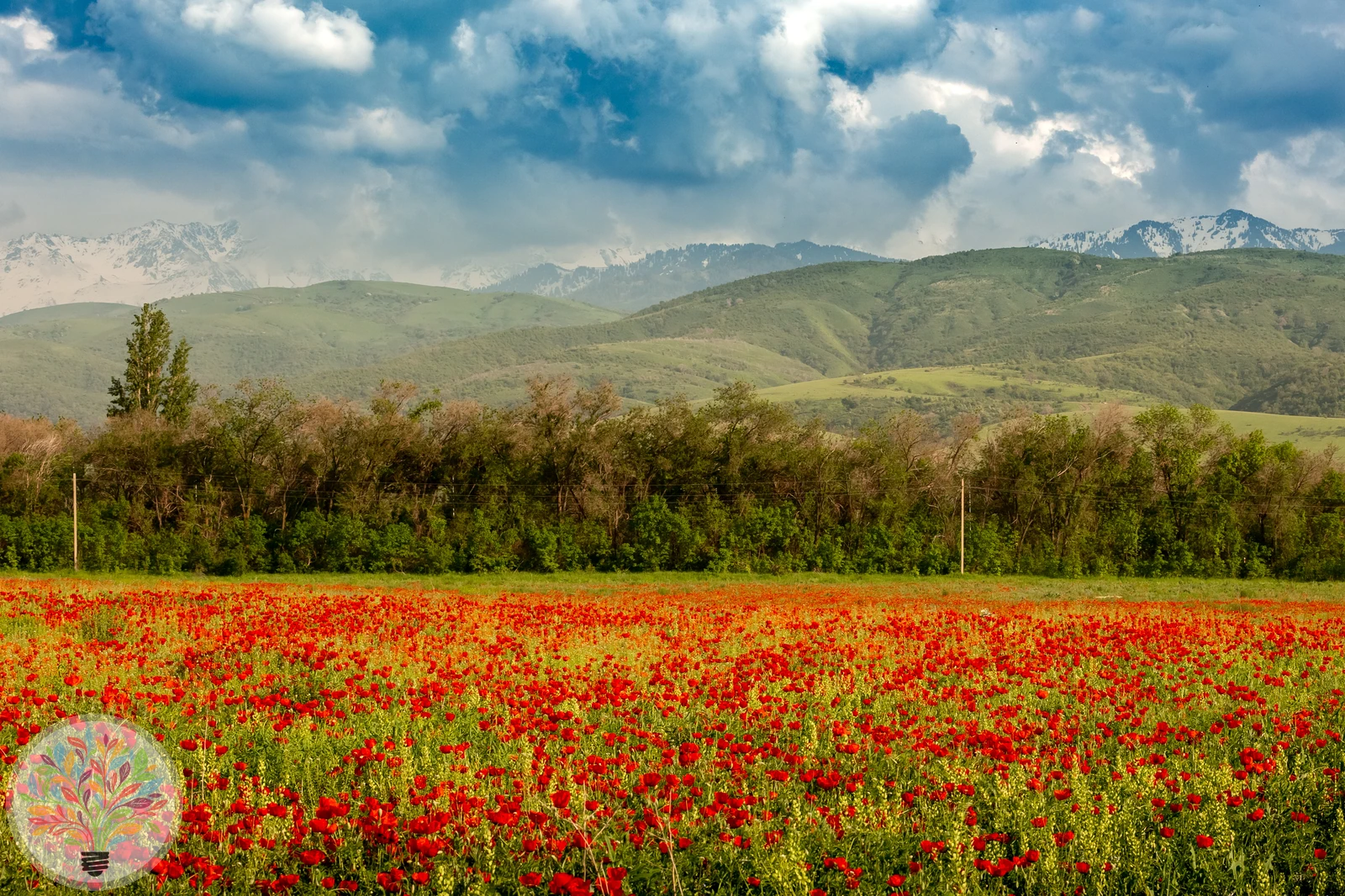
Papaver rhoeas
Papaver rhoeas
FamilyGenus: Mohnnative in Germany
🌿
90
Species
interact
🔗
279
Interactions
documented
About this species
An archaeophyte, broad-leaved herbaceous plant of sunny, calcareous soils, flowering from May to August and growing to around 45 cm in height.
Ecological network
Click to highlight connections · Click again to open the species page
Loading network...
PollinationFlower visit
Annual cycle
Blooms from May to August.
Standort & Merkmale
Light
Sonne
Moisture
Frisch (Mäßig feucht)
Soil
Mittelzehrer (Normaler Boden)
Flowering period
Mai – Aug
Soil reaction
Basisch / Kalkhold
Bioregion
Continental
Growth form
Krautige Pflanze
Woodiness
Nicht verholzt
Leaf type
Breitblättrig
Plant height
0.452 m
Morphological traits: TRY ID3 (CC BY 3.0) & TRY ID81 (CC BY)
Pollen
11.2667 mg/Blüte
Pflege & Anbau
Grow in a sunny spot with fresh, moderately moist, normal garden soil that is calcareous to basic. This plant is a medium feeder and does not tolerate salt.
Scientific profile
Papaver rhoeas is a broad-leaved, non-woody herbaceous plant that typically reaches a height of about 0.45 m. Its leaves have an average area of approximately 4985 mm², and the diaspore mass is around 0.13 mg. The species requires a sunny position and fresh to moderately moist, calcareous to basic soils of medium nutrient status. It is not salt-tolerant and prefers conditions with low disturbance. Flowering takes place from May to August. In Great Britain, Papaver rhoeas is an established archaeophyte, with records reaching back to at least 1500.
Pollinators & visitors
71 Arten interagieren mit dieser Pflanze
Selandria servaLasioglossum pauxillumLasioglossum calceatumAnthophora plumipesAglais urticaeMegachile centuncularisBombus pascuorumBombus hortorumBombus lapidariusBombus pratorumBombus hypnorumAndrena flavipesNoctua jantheAndrena dorsataCampaea margaritariaAphantopus hyperantusBombus jonellusBombus lucorumApis melliferaHalictus scabiosaeLasioglossum marginatumLasioglossum malachurumLasioglossum zonulumOsmia aurulentaLasioglossum leucozoniumBombus sylvestrisLasioglossum sexnotatumThomisus onustusBombus ruderatusBombus terrestrisAndrena bicolorXylocopa violaceaOsmia bicornisParnassius mnemosyneLasioglossum morioEpisyrphus balteatusScaeva dignotaLasioglossum quadrinotatumBombus.terrestrisLasioglossum nitidiusculumBombus sylvarumHalictus quadricinctusAnthophora agamaLasioglossum damascenumAnthophora rubricrusAnthophora rutilansEupeodes lunigerMelanostoma mellinumPlatycheirus scutatusHelophilus pendulus
Other flower visitors
19 other species visit the flowers
Lasius nigeroedemera luridaOxythyrea funestaRhagonycha fulvaMyrmica rubraOedemera nobilisPodonta spec. 1Oedemera caudataAylax minorAylax papaverisCeutorhynchus assimilisForficula auriculariaCantharis lateralisEriothrix rufomaculataChloromyia formosaMinettia rivosaPegoplata aestivaAnaspis pulicariaTropinota hirta
Sources & data origin
•Interaktionsdaten via GloBI (CC-BY 4.0)
•Middleton-Welling_2020
•pollinator_interactions
•Baden-Böhm F, App M, Thiele J (2022) — The FloRes Database: A floral resources trait database for pollinator habitat-assessment generated by a multistep workflow. Johann Heinrich von Thünen-Institut, Dryad, DOI: 10.5061/dryad.djh9w0w29 (CC0)
•FloraWeb / BfN
•EIVE 1.0 — Dengler et al. (2023), DOI: 10.3897/VCS.98324 (CC BY 4.0)
•GBIF Backbone Taxonomy — GBIF Secretariat (2024), DOI: 10.15468/39omei (CC BY 4.0)
•TRY Categorical Traits (ID3) — Kattge et al. (2012), DOI: 10.17871/TRY.3 (CC BY 3.0)
•TRY Global Spectrum (ID81) — Díaz et al. (2016/2021), DOI: 10.17871/TRY.81 (CC BY)
•Govaerts R et al. (2025) — World Checklist of Vascular Plants (WCVP) v14. Royal Botanic Gardens, Kew. DOI: 10.34885/xs7h-ze42 (CC BY 4.0)
•Foto: © Adobe Stock / AdobeStock_596067544
All data is licensed under CC BY 4.0, CC0, or compatible terms. Attribution according to license conditions. Full source overview →