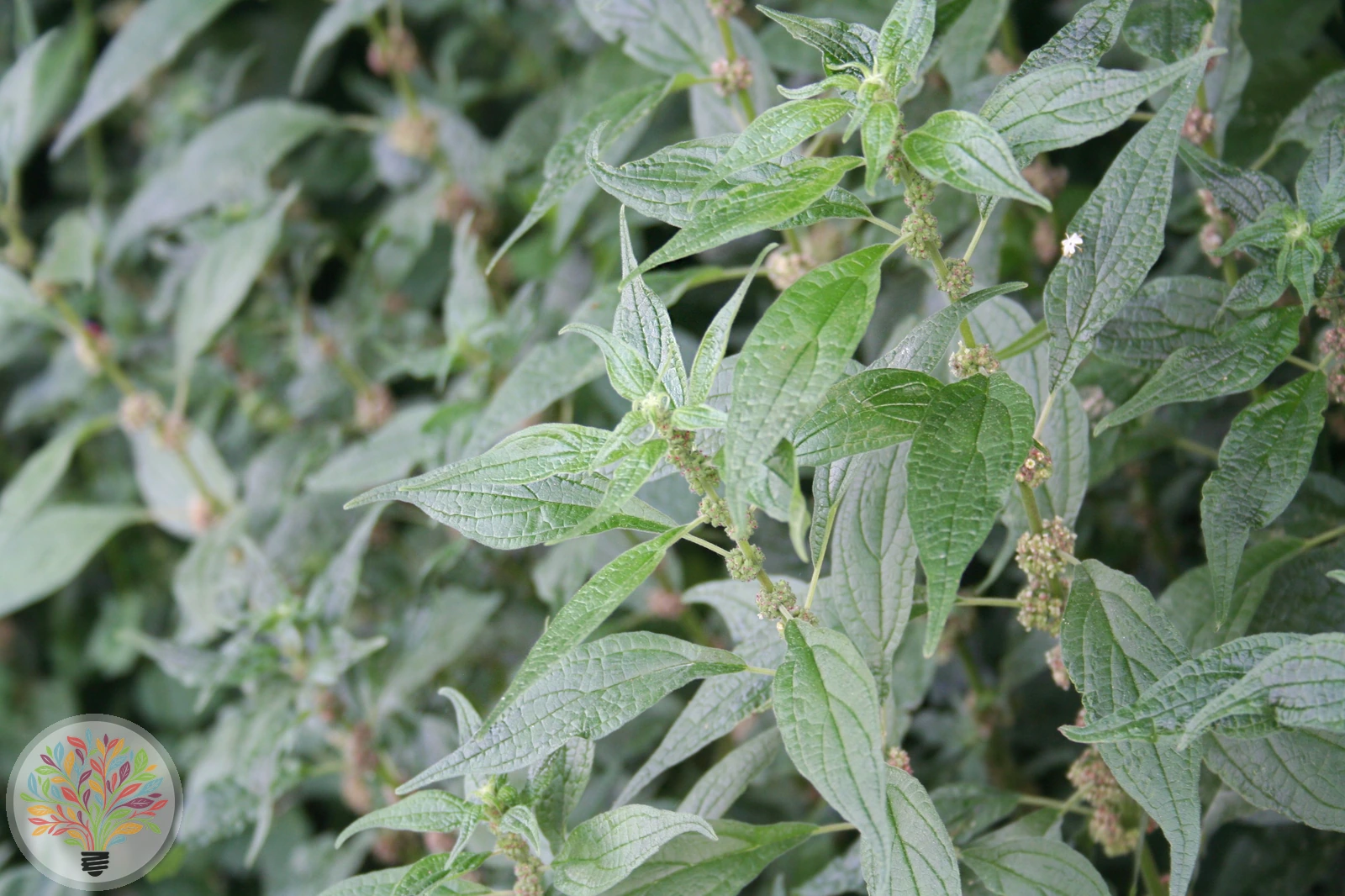
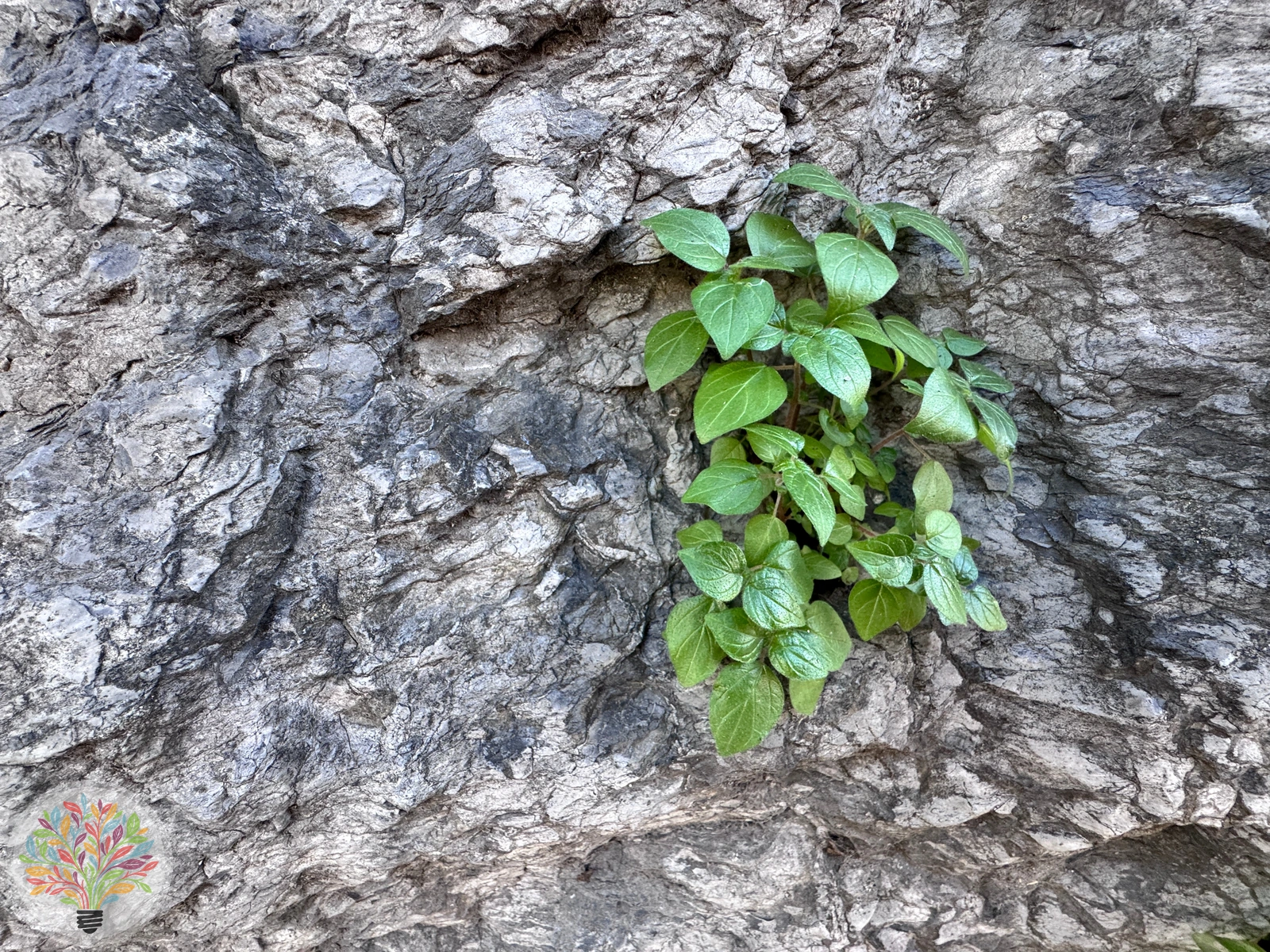
Parietaria officinalis
Parietaria officinalis
FamilyGenus: Parietarianative in Germany
🌿
1
Species
interact
🔗
2
Interactions
documented
About this species
A herbaceous perennial in the nettle family, Parietaria officinalis produces small green flowers from June to October. It favours half-shaded, moist, nutrient-rich and calcareous soils, and is an established introduction in Great Britain.
Ecological network
Click to highlight connections · Click again to open the species page
Loading network...
Pollination
Ecological significance
As an established introduced species, Parietaria officinalis has no recorded significant ecological impacts in Great Britain.
Annual cycle
Herbaceous growth emerges in spring, with flowering from June to October. Foliage dies back in late autumn, and the plant overwinters as a perennial rootstock, resuming growth the following spring.
Standort & Merkmale
Light
Halbschatten
Moisture
Frisch (Mäßig feucht)
Soil
Starkzehrer (Nährstoffreicher/Fetter Boden)
Flowering period
Jun – Okt
Soil reaction
Basisch / Kalkhold
Bioregion
Continental
Growth form
Krautige Pflanze
Woodiness
Nicht verholzt
Leaf type
Breitblättrig
Plant height
0.635 m
Morphological traits: TRY ID3 (CC BY 3.0) & TRY ID81 (CC BY)
Pflege & Anbau
Prefers a spot in half-shade with fresh, moisture-retentive, nutrient-rich soil, ideally calcareous. It requires minimal intervention once established and will self-seed in suitable conditions.
Scientific profile
Parietaria officinalis is a non-woody, broad-leaved herbaceous plant that typically reaches around 0.6 metres in height. It blooms from June through October, producing modest green flowers. Its ecological preferences lean towards half-shade and fresh, moderately moist, well-supplied, lime-rich ground. The species is introduced and established in Great Britain, having been recorded in the wild according to current records. It belongs to the Urticaceae and is sometimes encountered in disturbed, nutrient-enriched habitats.
Sources & data origin
•Interaktionsdaten via GloBI (CC-BY 4.0)
•FloraWeb / BfN
•EIVE 1.0 — Dengler et al. (2023), DOI: 10.3897/VCS.98324 (CC BY 4.0)
•GBIF Backbone Taxonomy — GBIF Secretariat (2024), DOI: 10.15468/39omei (CC BY 4.0)
•TRY Categorical Traits (ID3) — Kattge et al. (2012), DOI: 10.17871/TRY.3 (CC BY 3.0)
•TRY Global Spectrum (ID81) — Díaz et al. (2016/2021), DOI: 10.17871/TRY.81 (CC BY)
•Govaerts R et al. (2025) — World Checklist of Vascular Plants (WCVP) v14. Royal Botanic Gardens, Kew. DOI: 10.34885/xs7h-ze42 (CC BY 4.0)
•Foto: © Adobe Stock / AdobeStock_213262353
All data is licensed under CC BY 4.0, CC0, or compatible terms. Attribution according to license conditions. Full source overview →