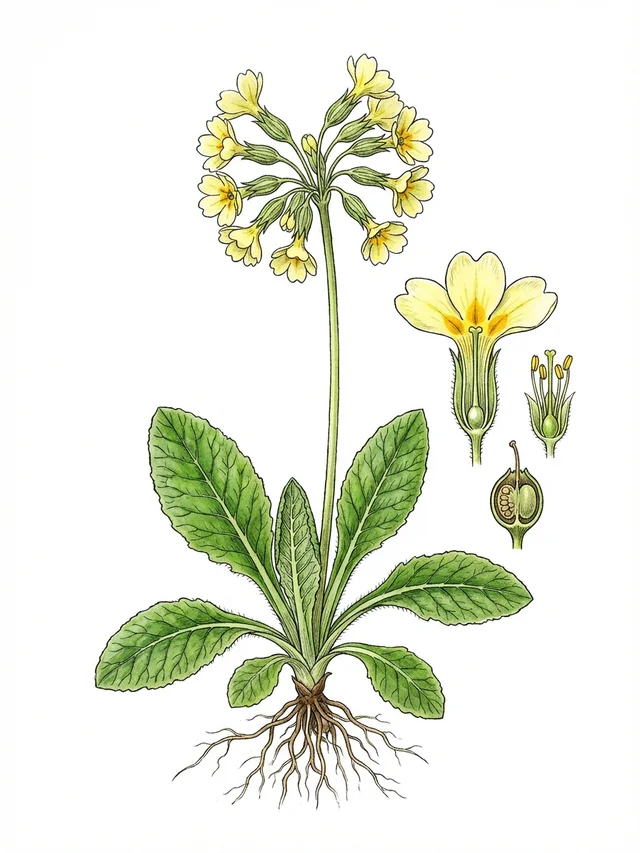
 Image to followAI-generated illustration
Persicaria amphibia
Persicaria amphibia
FamilyGenus: Persicarianative in Germany
🌿
31
Species
interact
🔗
44
Interactions
documented
🐛
1
Host relationships
Species
About this species
A native herbaceous perennial of shallow water and wet ground, bearing spikes of pink flowers from June to September. It is found in ponds, ditches, marshes and slow-moving streams across Great Britain.
Ecological network
Click to highlight connections · Click again to open the species page
Loading network...
PollinationLarval hostFlower visit
Ecological significance
A native component of Britain’s wetland flora, Persicaria amphibia occurs in still and slow-flowing freshwater habitats such as ponds, ditches and marshes. It contributes to the structural diversity of emergent and marginal vegetation.
Annual cycle
The plant produces its pink flower spikes from June to September. After flowering, it dies back to its rhizomes for the winter, resuming growth in spring.
Standort & Merkmale
Light
Sonne
Moisture
Feucht
Soil
Mittelzehrer (Normaler Boden)
Flowering period
Jun – Sep
Soil reaction
Mäßig sauer bis neutral
Bioregion
Continental
Growth form
Krautige Pflanze
Woodiness
Nicht verholzt
Leaf type
Breitblättrig
Plant height
0.361 m
Morphological traits: TRY ID3 (CC BY 3.0) & TRY ID81 (CC BY)
Pflege & Anbau
Grow in full sun in permanently moist to wet soil of average fertility. Ideal for the margins of ponds, streams or water gardens, where it can spread naturally. No special maintenance is required beyond ensuring the soil does not dry out.
Scientific profile
Persicaria amphibia is a broad-leaved, non-woody perennial that can grow as an emergent aquatic or as a creeping terrestrial plant on damp ground. Reaching approximately 0.36 m in height, it requires full sun and permanently moist to wet, moderately fertile soils, and it does not tolerate saline conditions. Its rhizomes enable vigorous spread in suitable habitats, while its large leaves are a notable feature for a plant of its size. The species is adapted to moderately warm temperatures and low-disturbance sites. Pink flowers are produced in dense spikes from June to September.
Pollinators & visitors
18 Arten interagieren mit dieser Pflanze
Other flower visitors
12 other species visit the flowers
Rhagonycha fulvaCygnus olorUrsus arctosBrassicogethes aeneusAythya ferinaCygnus columbianusAythya fuligulaDasytes plumbeusGastrophysa viridulaMeligethes aeneusMusca domesticaTabanus bromius
Sources & data origin
•Interaktionsdaten via GloBI (CC-BY 4.0)
•pollinator_interactions
•FloraWeb / BfN
•EIVE 1.0 — Dengler et al. (2023), DOI: 10.3897/VCS.98324 (CC BY 4.0)
•GBIF Backbone Taxonomy — GBIF Secretariat (2024), DOI: 10.15468/39omei (CC BY 4.0)
•TRY Categorical Traits (ID3) — Kattge et al. (2012), DOI: 10.17871/TRY.3 (CC BY 3.0)
•TRY Global Spectrum (ID81) — Díaz et al. (2016/2021), DOI: 10.17871/TRY.81 (CC BY)
•Govaerts R et al. (2025) — World Checklist of Vascular Plants (WCVP) v14. Royal Botanic Gardens, Kew. DOI: 10.34885/xs7h-ze42 (CC BY 4.0)
All data is licensed under CC BY 4.0, CC0, or compatible terms. Attribution according to license conditions. Full source overview →