Salix repens
Salix repens
FamilyGenus: Salixnative in Germany
🌿
28
Species
interact
🔗
28
Interactions
documented
🐛
18
Host relationships
Species
About this species
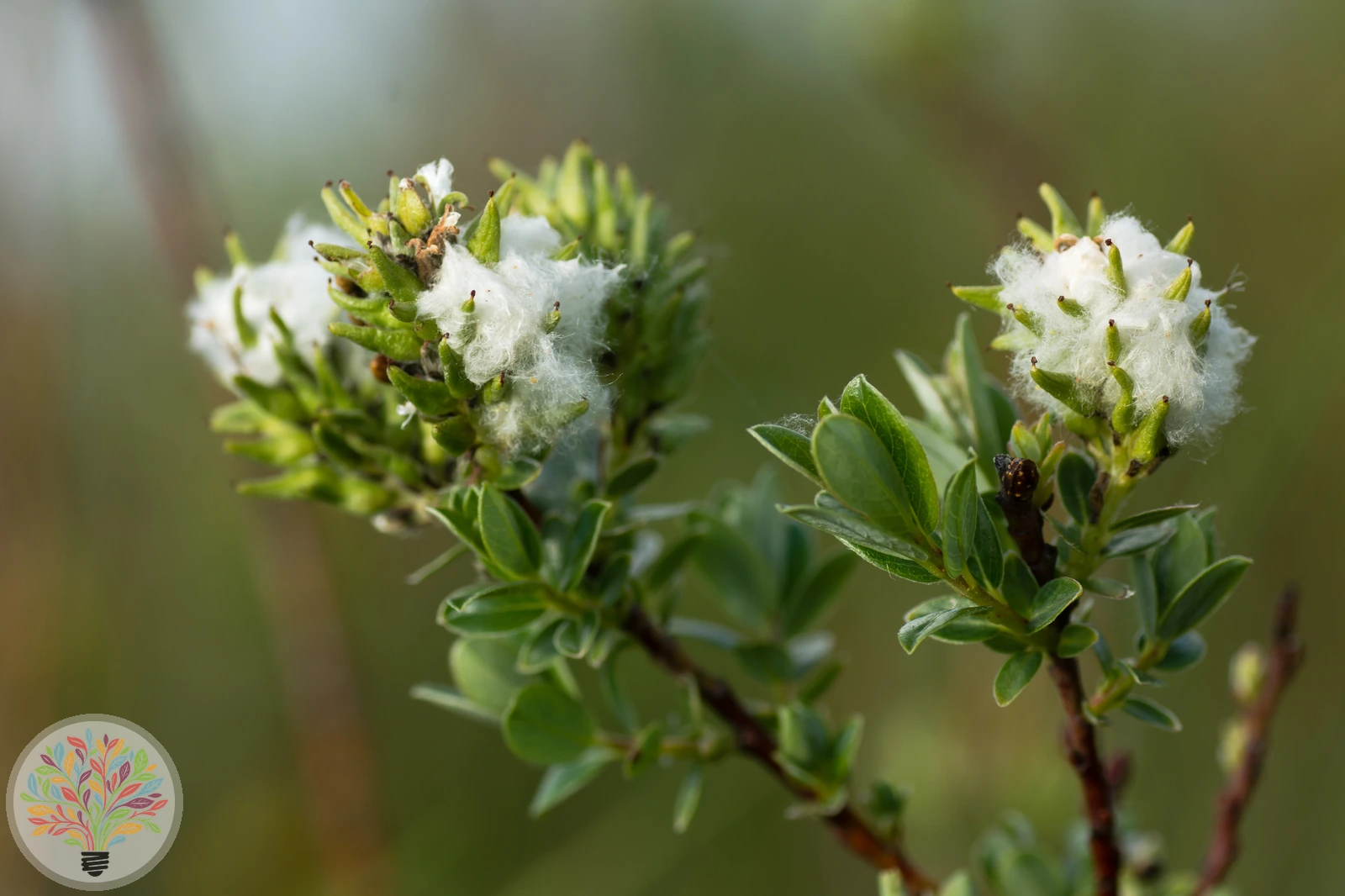
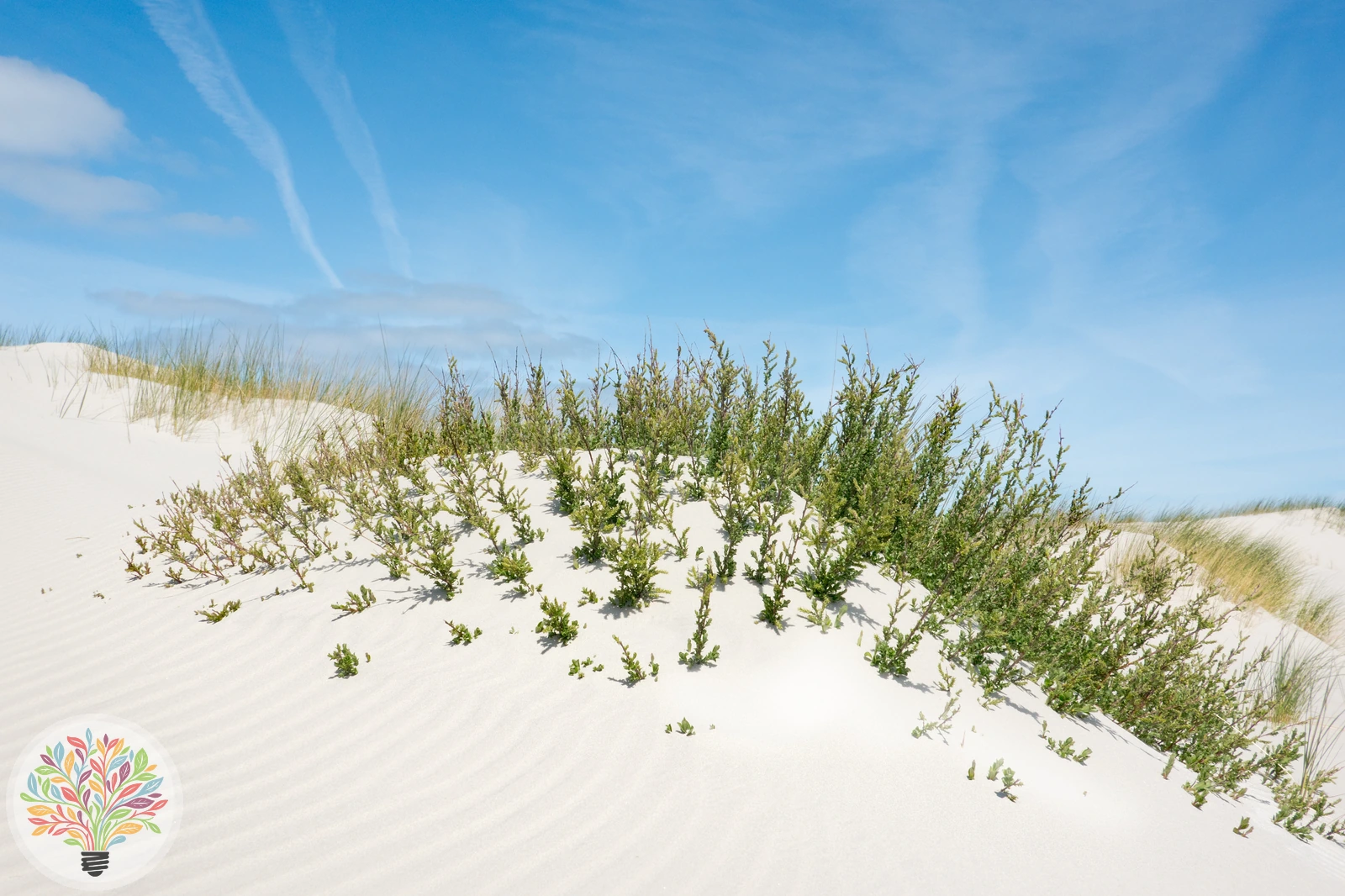
A low, deciduous shrub native in Great Britain, bearing small catkins from April to June and growing in full sun on moist, nutrient‑poor soils.
Ecological network
Click to highlight connections · Click again to open the species page
Loading network...
PollinationLarval hostFlower visit
Ecological significance
The catkins, produced in spring, offer pollen and nectar for early‑season insects. Its ectomycorrhizal associations are characteristic of plants that thrive in challenging, nutrient‑limited soils.
Annual cycle
A deciduous shrubleaves emerge in spring, and the catkins open from April to June. After pollination, minute cottony seeds are dispersed by the wind. Foliage colours and falls in autumn, leaving bare woody stems through winter.
Standort & Merkmale
Light
Sonne
Moisture
Frisch (Mäßig feucht)
Soil
Schwachzehrer (Magerer Boden)
Flowering period
Apr – Jun
Soil reaction
Mäßig sauer bis neutral
Bioregion
Continental
Growth form
Strauch
Woodiness
Verholzt
Leaf type
Breitblättrig
Leaf phenology
Laubabwerfend
Plant height
0.408 m
Morphological traits: TRY ID3 (CC BY 3.0) & TRY ID81 (CC BY)
Pflege & Anbau
**Light:** Full sun.
**Moisture:** Moist but well‑drained soil.
**Soil:** Nutrient‑poor, infertile ground.
**Maintenance:** A naturally low‑growing shrub that requires little intervention once established. Ensure conditions remain open and sunny.
Scientific profile
Salix repens is a small, broad‑leaved shrub that typically reaches around 40 cm in height. It is native in Great Britain and strongly associated with open, sunny sites on moist, infertile ground. The leaves are deciduous and unfold each spring; flowering occurs from April to June, when the catkins appear. Its extremely light seeds, just 0.04 mg each, are wind‑dispersed. The species forms ectomycorrhizal partnerships, which aid nutrient uptake in the low‑fertility soils it favours. Ecologically, it is a plant of moderately warm conditions and low‑disturbance habitats.
Pollinators & visitors
5 Arten interagieren mit dieser Pflanze
Host relationships
18 species use this plant as a host
Lasiocampa trifoliiCyclophora pendulariaEulithis testataEpione vespertariaLycia zonariaPerconia strigillariaChlorissa viridataClostera pigraAcronicta menyanthidisDiarsia rubiXestia c-nigrumEarias cloranaXestia xanthographaPapestra birenDicallomera fascelinaActebia praecoxAporophyla nigraLeucoma salicis
Other flower visitors
5 other species visit the flowers
Sources & data origin
•Cook et al. (2025) UK Butterfly & Moth Traits (DOI: 10.5285/dbc7cc17-cbbd-49dd-bab4-8e8855768d66)
•pollinator_interactions
•FloraWeb / BfN
•EIVE 1.0 — Dengler et al. (2023), DOI: 10.3897/VCS.98324 (CC BY 4.0)
•GBIF Backbone Taxonomy — GBIF Secretariat (2024), DOI: 10.15468/39omei (CC BY 4.0)
•TRY Categorical Traits (ID3) — Kattge et al. (2012), DOI: 10.17871/TRY.3 (CC BY 3.0)
•TRY Global Spectrum (ID81) — Díaz et al. (2016/2021), DOI: 10.17871/TRY.81 (CC BY)
•Govaerts R et al. (2025) — World Checklist of Vascular Plants (WCVP) v14. Royal Botanic Gardens, Kew. DOI: 10.34885/xs7h-ze42 (CC BY 4.0)
•Foto: © All rights reserved / Adobe Stock / AdobeStock_111070171
All data is licensed under CC BY 4.0, CC0, or compatible terms. Attribution according to license conditions. Full source overview →