Sanguisorba officinalis
Sanguisorba officinalis
FamilyGenus: Sanguisorbanative in Germany
🌿
49
Species
interact
🔗
83
Interactions
documented
🐛
1
Host relationships
Species
About this species
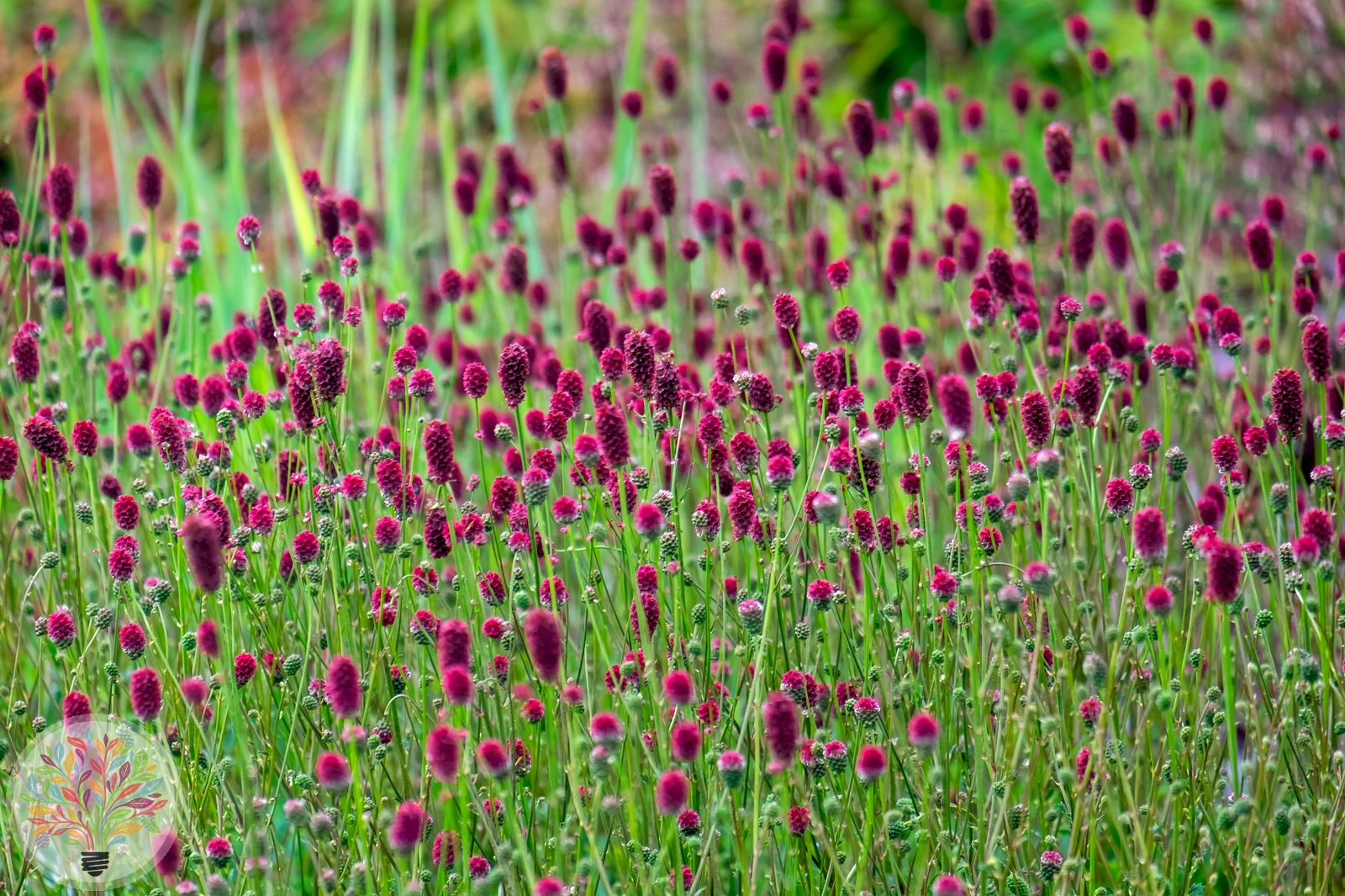
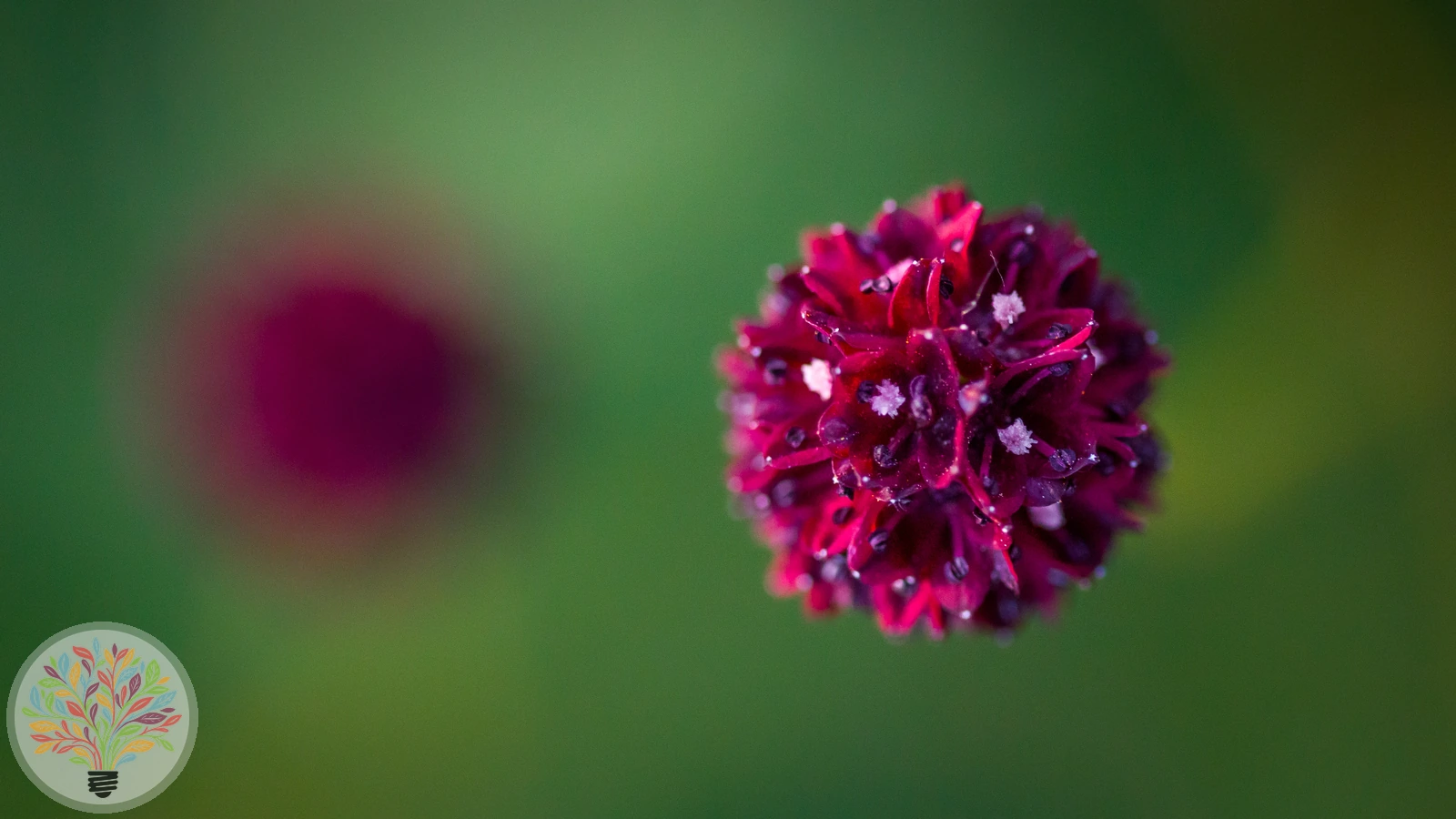
A native perennial herb with broad leaves and dense flower heads, blooming from late spring into late summer. It grows best in full sun on moist, moderately fertile soil.
Ecological network
Click to highlight connections · Click again to open the species page
Loading network...
PollinationLarval hostFlower visit
Ecological significance
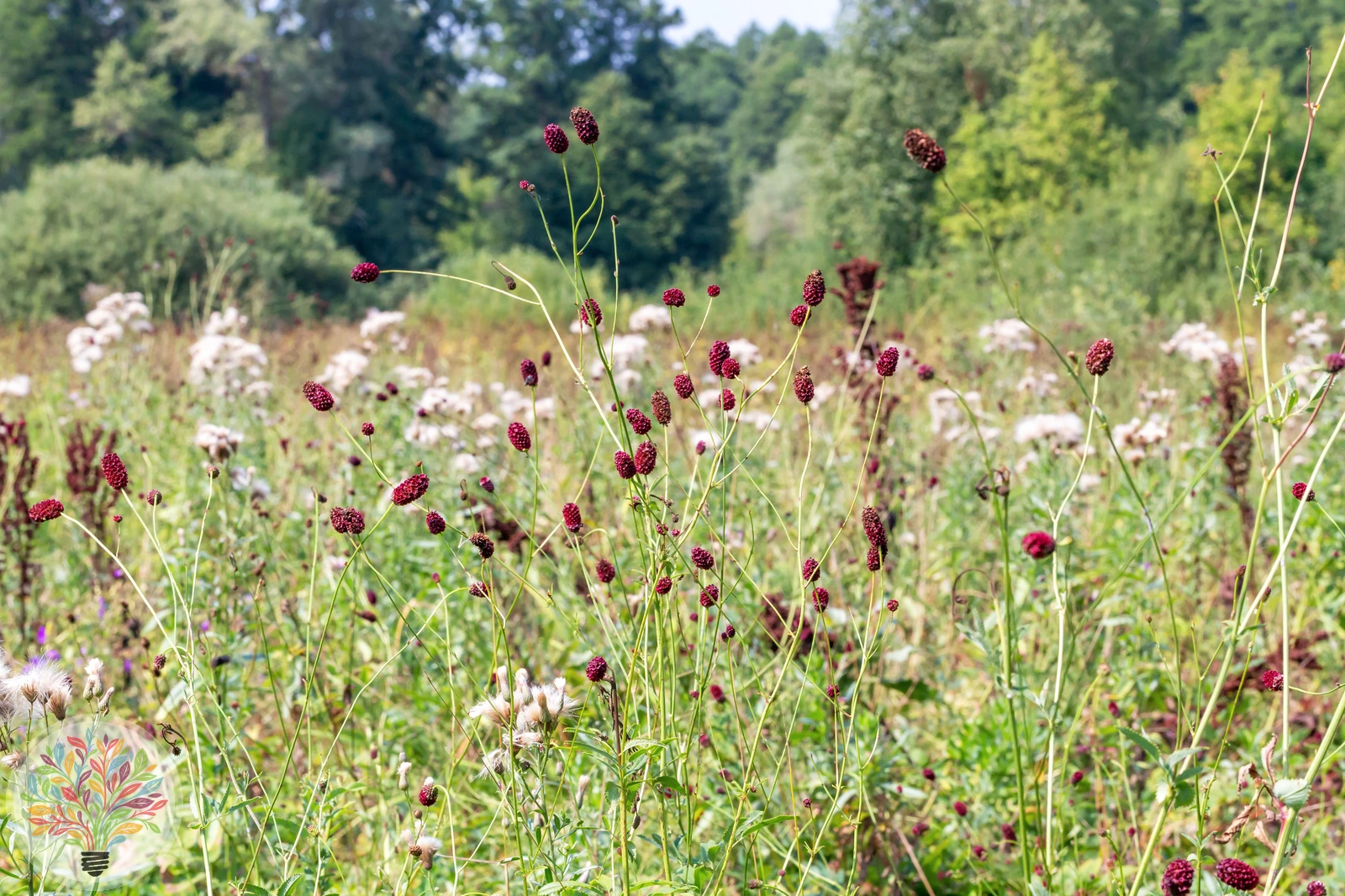
As a naturally occurring species, it contributes to the structure of native grassland and damp meadow communities. Specific interactions with wildlife are not itemised in the available evidence.
Annual cycle
Flowering occurs from May to August. The herbaceous top growth dies back in autumn, and the plant remains dormant through winter, re-emerging in spring.
Standort & Merkmale
Light
Sonne
Moisture
Frisch (Mäßig feucht)
Soil
Mittelzehrer (Normaler Boden)
Flowering period
Mai – Aug
Soil reaction
Mäßig sauer bis neutral
Bioregion
Continental
Growth form
Krautige Pflanze
Woodiness
Nicht verholzt
Leaf type
Breitblättrig
Plant height
0.532 m
Morphological traits: TRY ID3 (CC BY 3.0) & TRY ID81 (CC BY)
Pflege & Anbau
Plant in full sun in moisture-retentive, well-draining soil. Keep the ground evenly moist, especially during dry spells. No supplementary feeding is necessary in average garden soil. Cut back old stems in early spring before new growth appears.
Scientific profile
Great burnet is a non-woody, broad-leaved herbaceous perennial. It typically attains a height of around 0.5 m. Blooms appear from May to August. The plant favours open, sunny positions and fresh to moist, moderately fertile soils that are neutral to slightly acidic. It performs poorly on saline ground and requires low levels of disturbance. In Great Britain it is a native species.
Pollinators & visitors
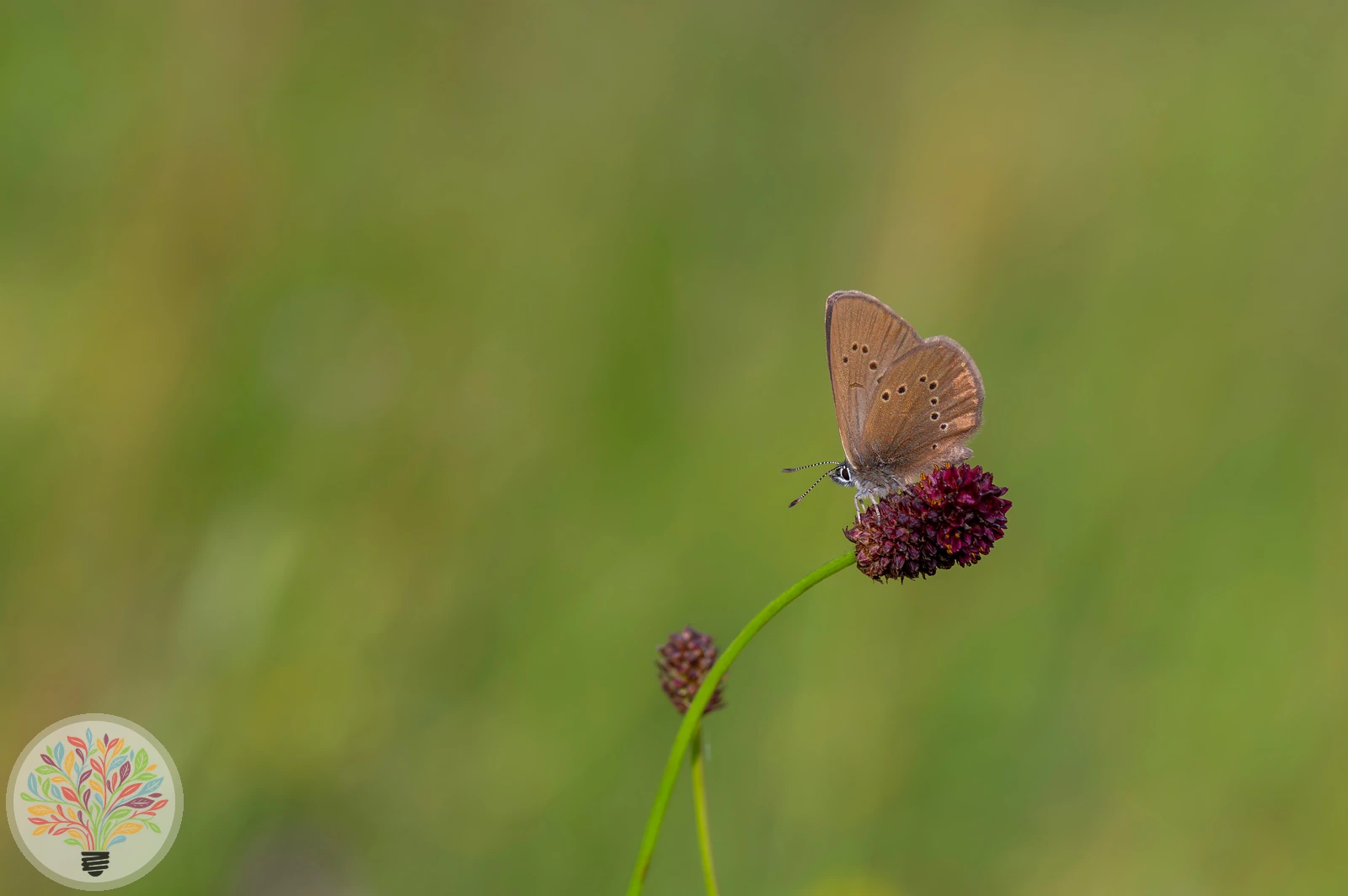
21 Arten interagieren mit dieser Pflanze
Bombus sylvestrisBrenthis daphne (Denis & Schiffermüller), 1775Maculinea teleiusLasioglossum calceatumLasioglossum pauxillumPlebejus argusBombus lucorumMaculinea nausithousErynnis tagesMellicta athaliaBombus jonellusSphaerophoria scriptaBombus terrestrisLasioglossum albipesPhengaris teleiusEpisyrphus balteatusXanthandrus comtusLasioglossum zonulumMelanostoma mellinumApis melliferaLasioglossum zonolum
Host relationships
1 species use this plant as a host
Brenthis ino
Other flower visitors
27 other species visit the flowers
Anthicus antherinusAnisodactylus binotatusTrechus quadristriatusCantharis fuscaAmara lunicollisHarpalus latusAmara aeneaAmara plebejaHemicrepidius hirtusHarpalus affinisDiachromus germanusHarpalus rubripesMalachius bipustulatusPoecilus cupreusAmara convexiorMisumena vatiaAmara ovataHarpalus distinguendusHarpalus griseusPyrelliaTachina magnicornisSarcophaga carnariaMusca autumnalisCynomya mortuorumLucilia caesarPhaonia incanaPyrellia sp 2
Sources & data origin
•Interaktionsdaten via GloBI (CC-BY 4.0)
•pollinator_interactions
•FloraWeb / BfN
•EIVE 1.0 — Dengler et al. (2023), DOI: 10.3897/VCS.98324 (CC BY 4.0)
•GBIF Backbone Taxonomy — GBIF Secretariat (2024), DOI: 10.15468/39omei (CC BY 4.0)
•TRY Categorical Traits (ID3) — Kattge et al. (2012), DOI: 10.17871/TRY.3 (CC BY 3.0)
•TRY Global Spectrum (ID81) — Díaz et al. (2016/2021), DOI: 10.17871/TRY.81 (CC BY)
•Govaerts R et al. (2025) — World Checklist of Vascular Plants (WCVP) v14. Royal Botanic Gardens, Kew. DOI: 10.34885/xs7h-ze42 (CC BY 4.0)
•Foto: © Anna Reinert / Adobe Stock / AdobeStock_888457465
All data is licensed under CC BY 4.0, CC0, or compatible terms. Attribution according to license conditions. Full source overview →