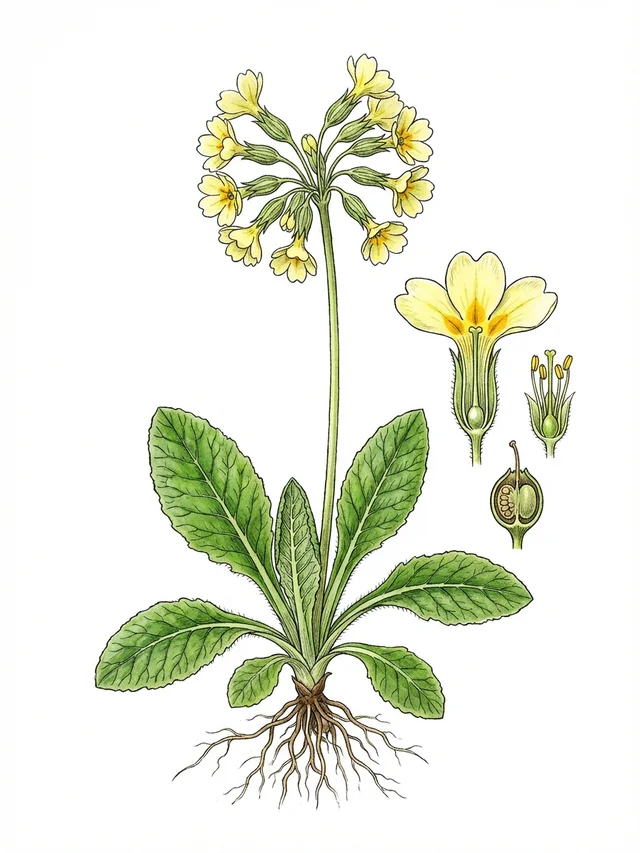
 Image to followAI-generated illustration
Silene gallica
Silene gallica
FamilyGenus: Silenenative in Germany
🌿
6
Species
interact
🔗
18
Interactions
documented
🐛
1
Host relationships
Species
About this species
Silene gallica is an archaeophyte herbaceous plant in Great Britain, with bright summer flowers from June to August. It prefers sunny, moderately moist sites on normal soils and is associated with habitats of low disturbance.
Ecological network
Click to highlight connections · Click again to open the species page
Loading network...
PollinationLarval hostFlower visit
Ecological significance
As an archaeophyte, Silene gallica is a long-established part of the British flora. Its GB Red List category 1 status indicates a high level of conservation concern. The species is linked to low-disturbance habitats and may be sensitive to changes in land management.
Annual cycle
Flowering takes place from June to August. The herbaceous plant produces seeds after the flowering period.
Standort & Merkmale
Light
Sonne
Moisture
Frisch (Mäßig feucht)
Soil
Mittelzehrer (Normaler Boden)
Flowering period
Jun – Aug
Soil reaction
Mäßig sauer bis neutral
Bioregion
Continental
Growth form
Krautige Pflanze
Woodiness
Nicht verholzt
Leaf type
Breitblättrig
Plant height
0.267 m
Morphological traits: TRY ID3 (CC BY 3.0) & TRY ID81 (CC BY)
Pflege & Anbau
This plant does best in a sunny position with fresh, moderately moist soil of average fertility. It naturally inhabits low-disturbance environments, so avoid intensive cultivation or frequent disturbance.
Scientific profile
Silene gallica is a non-woody, broad-leaved herbaceous plant reaching about 27 cm in height. It belongs to the carnation family (Caryophyllaceae). In Great Britain it is an established archaeophyte. The species grows in full sun on fresh, moderately moist soils of average fertility, and it is typically found in habitats with low disturbance severity. Its broad leaves have an area of around 449 mm², and the tiny seeds, weighing approximately 0.4 mg, are dispersed as diaspores. Flowering occurs between June and August. On the GB Red List it is assessed as category 1.
Pollinators & visitors
3 Arten interagieren mit dieser Pflanze
Host relationships
1 species use this plant as a host
Eupithecia venosata
Other flower visitors
2 other species visit the flowers
AnthophilaPsilothrix cyaneus
Sources & data origin
•Cook et al. (2025) UK Butterfly & Moth Traits (DOI: 10.5285/dbc7cc17-cbbd-49dd-bab4-8e8855768d66)
•Interaktionsdaten via GloBI (CC-BY 4.0)
•pollinator_interactions
•FloraWeb / BfN
•EIVE 1.0 — Dengler et al. (2023), DOI: 10.3897/VCS.98324 (CC BY 4.0)
•GBIF Backbone Taxonomy — GBIF Secretariat (2024), DOI: 10.15468/39omei (CC BY 4.0)
•TRY Categorical Traits (ID3) — Kattge et al. (2012), DOI: 10.17871/TRY.3 (CC BY 3.0)
•TRY Global Spectrum (ID81) — Díaz et al. (2016/2021), DOI: 10.17871/TRY.81 (CC BY)
•Checklist Alien Plants Belgium — Verloove F (2023), Botanic Garden Meise (CC BY 4.0)
•Govaerts R et al. (2025) — World Checklist of Vascular Plants (WCVP) v14. Royal Botanic Gardens, Kew. DOI: 10.34885/xs7h-ze42 (CC BY 4.0)
All data is licensed under CC BY 4.0, CC0, or compatible terms. Attribution according to license conditions. Full source overview →