Silene latifolia
Silene latifolia
FamilyGenus: Leimkräuternative in Germany
🌿
25
Species
interact
🔗
31
Interactions
documented
🐛
10
Host relationships
Species
About this species
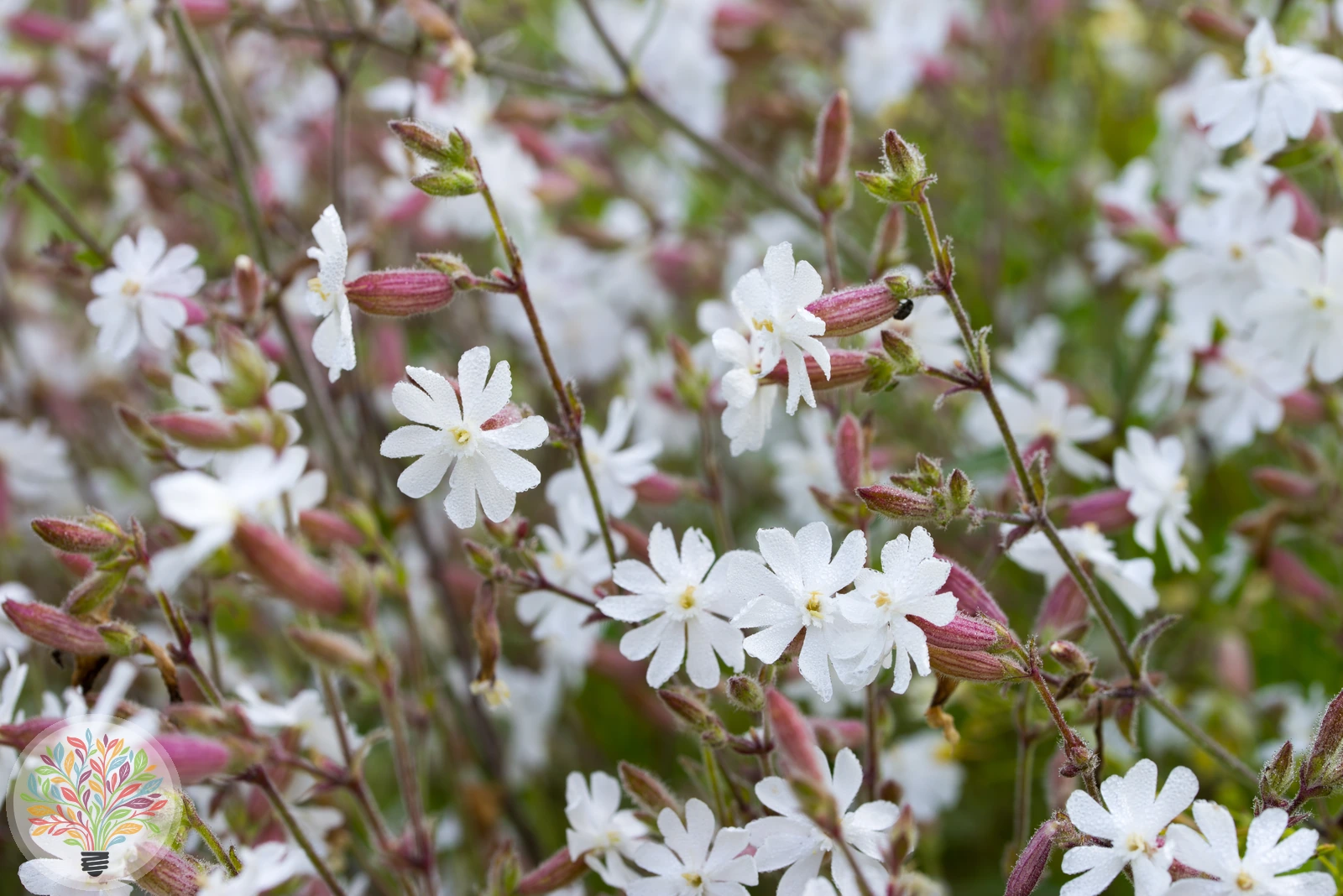
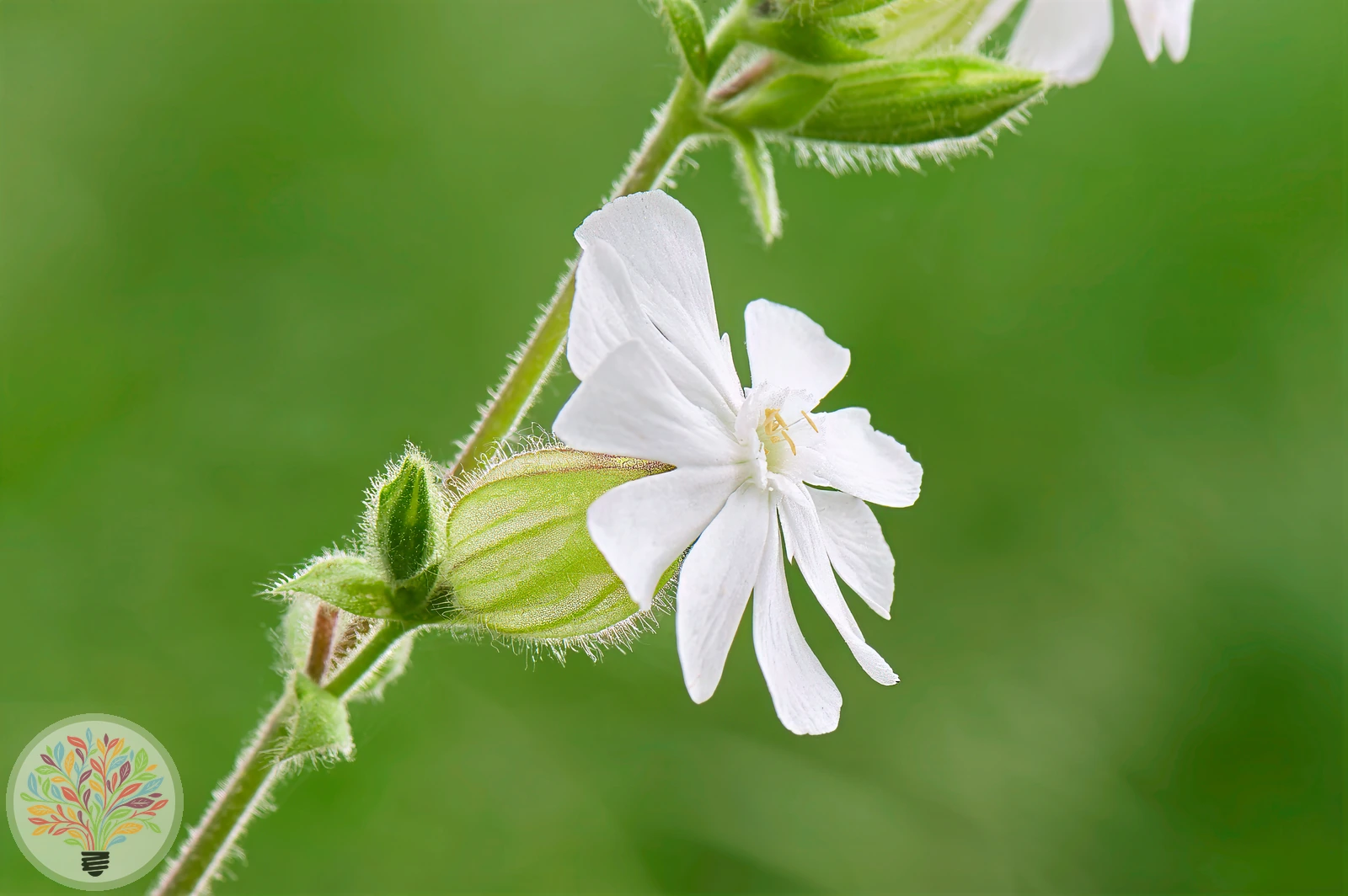
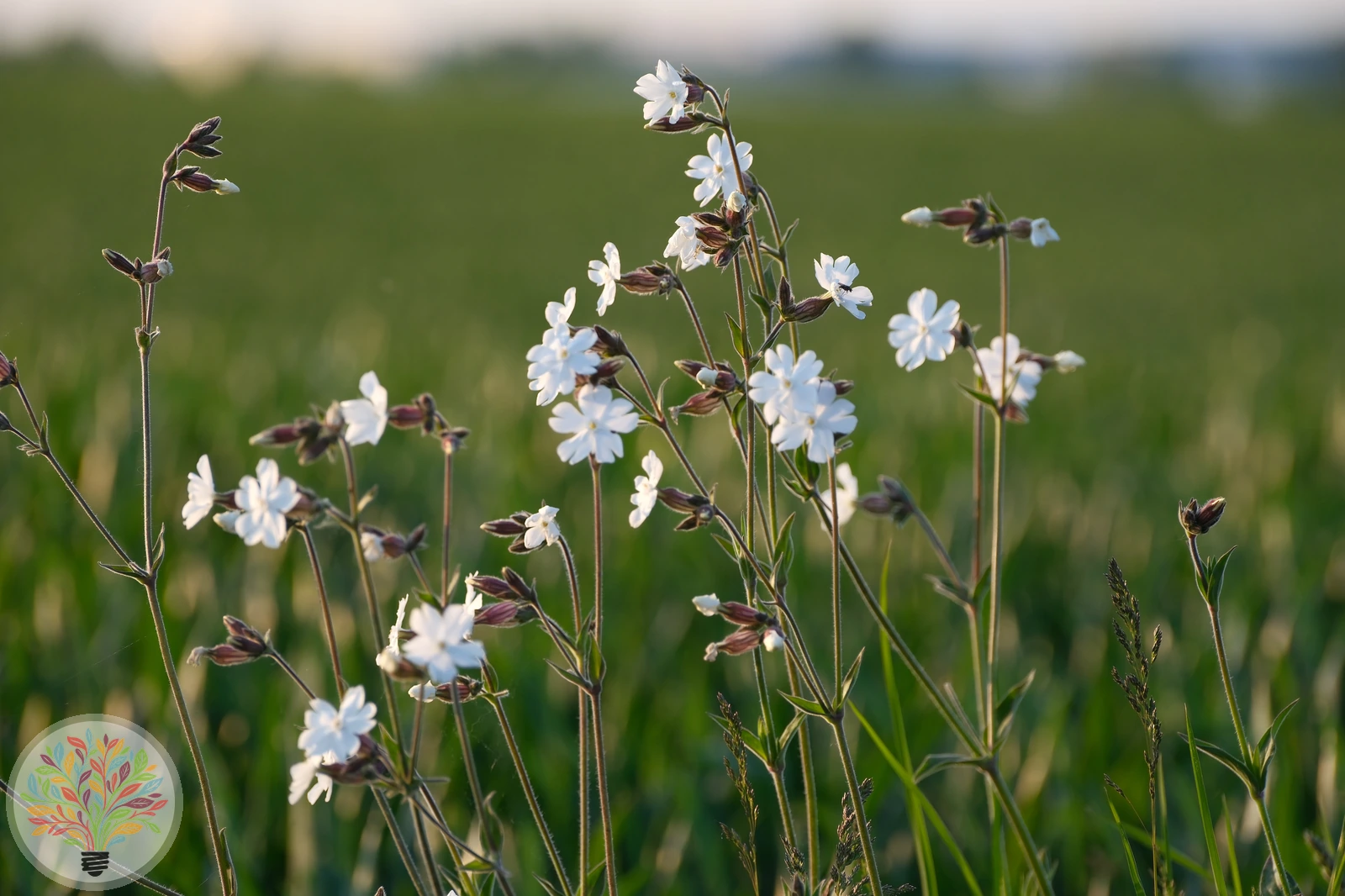
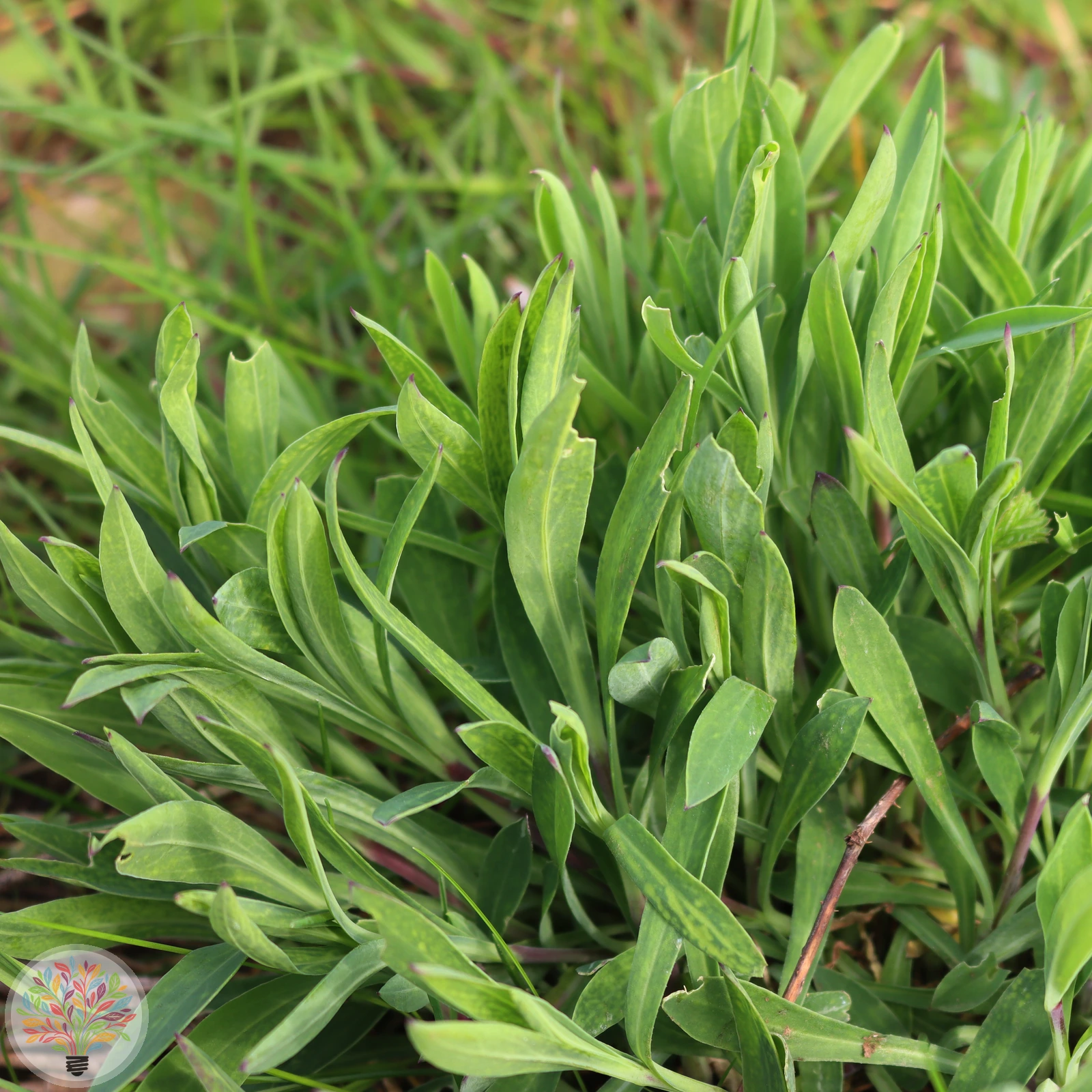
An archaeophyte herbaceous plant, Silene latifolia produces broad leaves and grows in sunny, moderately moist, nutrient-rich sites. Its flowering season runs from May to August.
Ecological network
Click to highlight connections · Click again to open the species page
Loading network...
PollinationLarval hostFlower visit
Ecological significance
As an ancient introduction, it has long been integrated into nutrient-rich ruderal and tall herb habitats. It contributes to the structural diversity of such vegetation.
Annual cycle
Flowering occurs from May to August. The plant is herbaceous; above-ground parts are present during the growing season.
Standort & Merkmale
Light
Sonne
Moisture
Frisch (Mäßig feucht)
Soil
Starkzehrer (Nährstoffreicher/Fetter Boden)
Flowering period
Mai – Aug
Soil reaction
Mäßig sauer bis neutral
Bioregion
Continental
Growth form
Krautige Pflanze
Woodiness
Nicht verholzt
Leaf type
Breitblättrig
Plant height
0.686 m
Morphological traits: TRY ID3 (CC BY 3.0) & TRY ID81 (CC BY)
Pflege & Anbau
## Light
Requires full sun.
## Soil
Prefers nutrient-rich, moderately moist soil that is neutral to slightly acidic.
## Watering
Maintain a moderately moist soil; avoid drying out or waterlogging.
## Maintenance
Tolerates low disturbance; otherwise minimal intervention is needed.
Scientific profile
Silene latifolia is an archaeophyte in Great Britain, meaning it arrived in the country before the Neolithic period. It is a herbaceous, non-woody plant with broad leaves and a terrestrial habit. In suitable conditions it reaches heights of around 0.7 m. The species favours full sun and moderately moist, nutrient-rich soils that are neutral to slightly acidic. Typical habitats include nutrient-rich ruderal sites and tall herb communities, where it experiences low disturbance. Its diaspores are small, with an average mass of about 0.85 mg.
Pollinators & visitors
14 Arten interagieren mit dieser Pflanze
Bombus hypnorumLasioglossum glabriusculumBombus lapidariusBombus pascuorumBombus hortorumLasioglossum pauxillumBombus pratorumBombus terrestrisSphaerophoria scriptaLasioglossum politumPolia bombycinaPlatycheirus manicatusPlatycheirus peltatusApis mellifera
Host relationships
10 species use this plant as a host
Hemaris fuciformisPerizoma flavofasciataEupithecia venosataHeliothis viriplacaSideridis rivularisHadena perplexaHadena confusaHadena bicrurisPerizoma affinitataPolymixis xanthomista
Other flower visitors
1 other species visit the flowers
Empis livida
Sources & data origin
•Cook et al. (2025) UK Butterfly & Moth Traits (DOI: 10.5285/dbc7cc17-cbbd-49dd-bab4-8e8855768d66)
•pollinator_interactions
•FloraWeb / BfN
•EIVE 1.0 — Dengler et al. (2023), DOI: 10.3897/VCS.98324 (CC BY 4.0)
•GBIF Backbone Taxonomy — GBIF Secretariat (2024), DOI: 10.15468/39omei (CC BY 4.0)
•TRY Categorical Traits (ID3) — Kattge et al. (2012), DOI: 10.17871/TRY.3 (CC BY 3.0)
•TRY Global Spectrum (ID81) — Díaz et al. (2016/2021), DOI: 10.17871/TRY.81 (CC BY)
•Govaerts R et al. (2025) — World Checklist of Vascular Plants (WCVP) v14. Royal Botanic Gardens, Kew. DOI: 10.34885/xs7h-ze42 (CC BY 4.0)
•Foto: © Adobe Stock / AdobeStock_365845601
All data is licensed under CC BY 4.0, CC0, or compatible terms. Attribution according to license conditions. Full source overview →