Carduus nutans
Carduus nutans
FamilyGenus: Carduusheimisch in Deutschland
🌿
28
Species
interact
🔗
100
Interactions
documented
🐛
1
Host relationships
Species
About this species
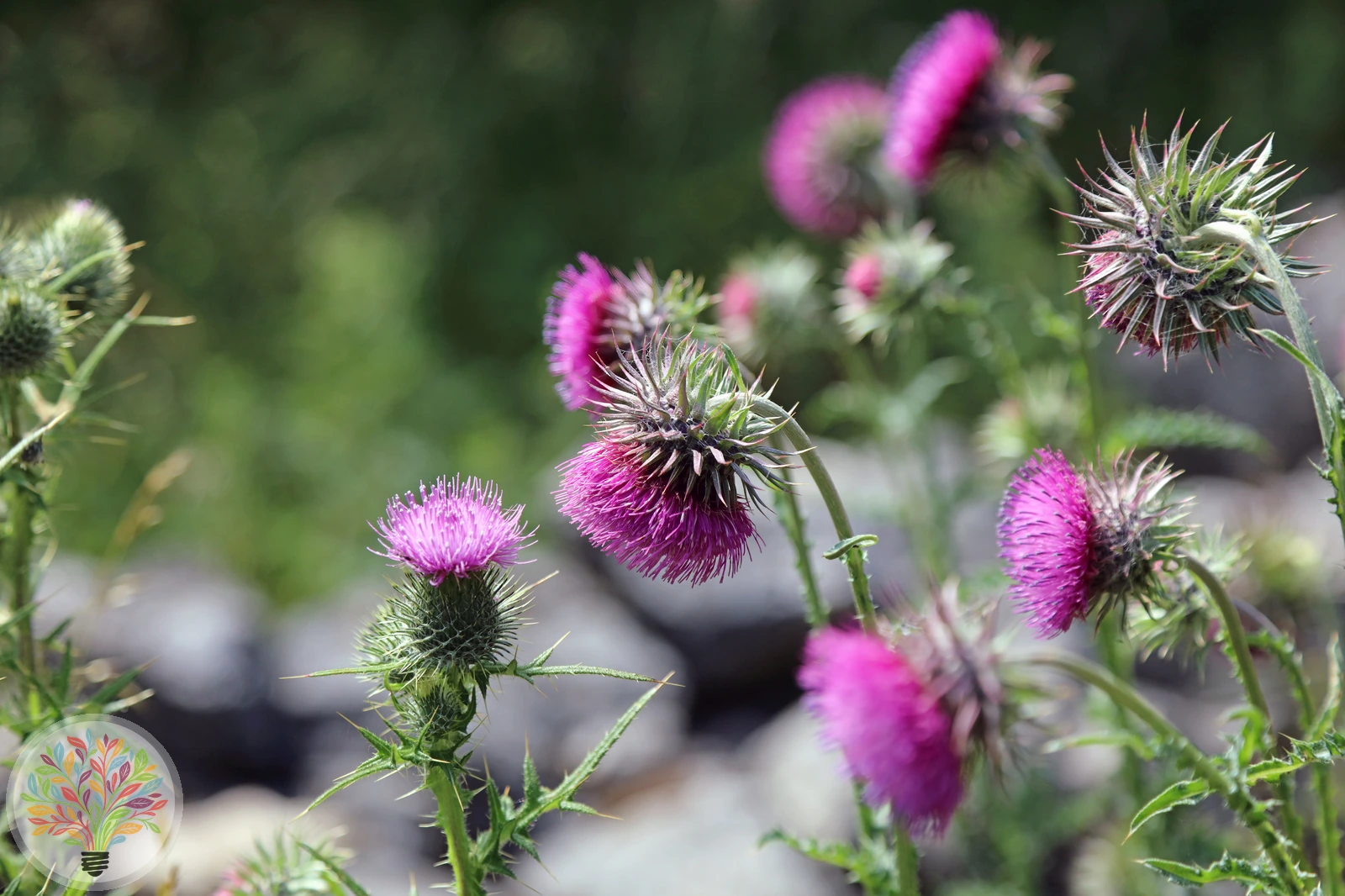
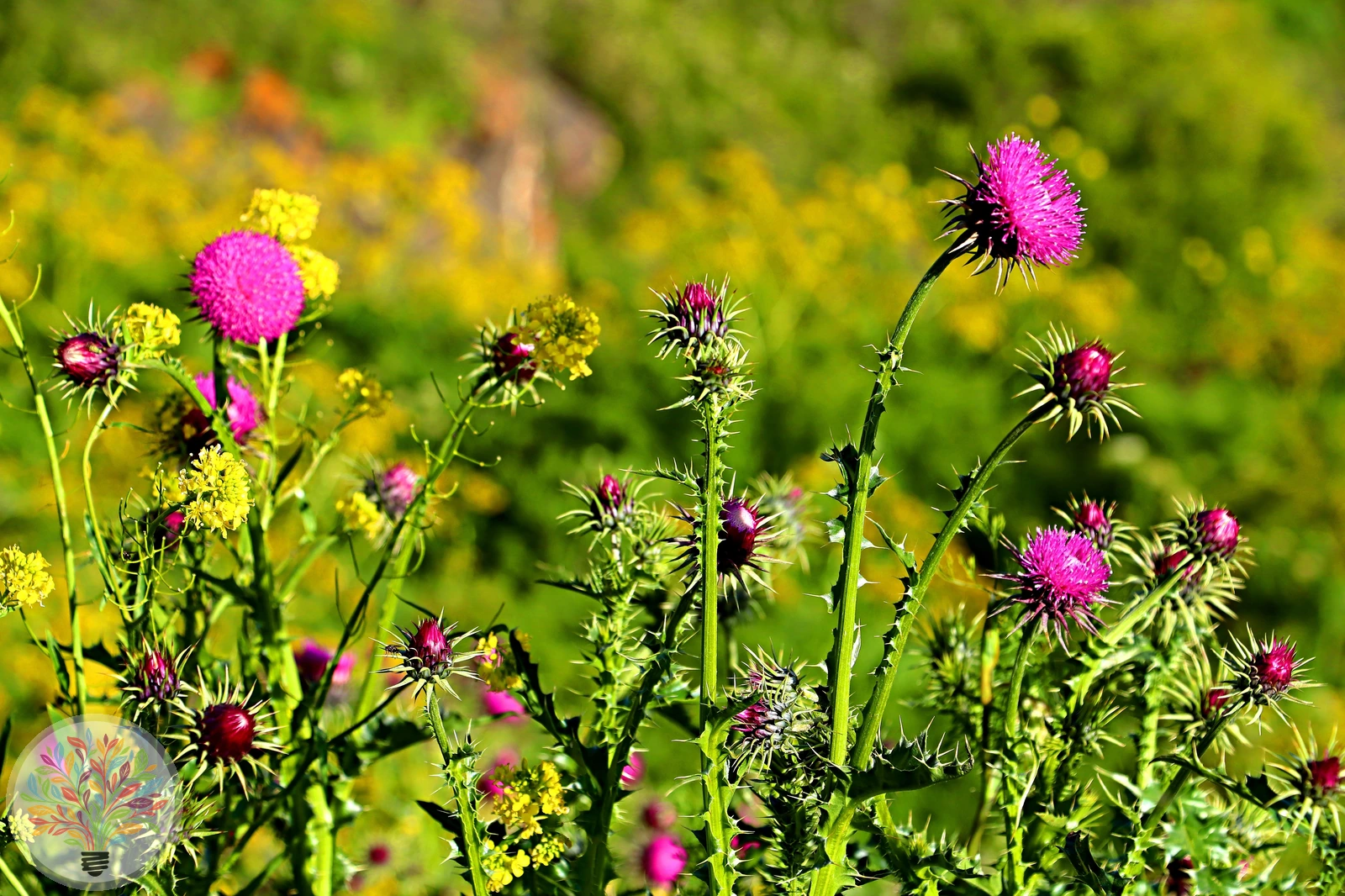
Carduus nutans is a native herbaceous plant of dry, calcareous grasslands. It has broad leaves and typically reaches heights of around 0.6 to 1.5 metres, bearing flower heads from June to September.
Ecological network
Click to highlight connections · Click again to open species page
Netzwerk wird geladen...
PollinationLarval hostFlower visit
Ecological significance
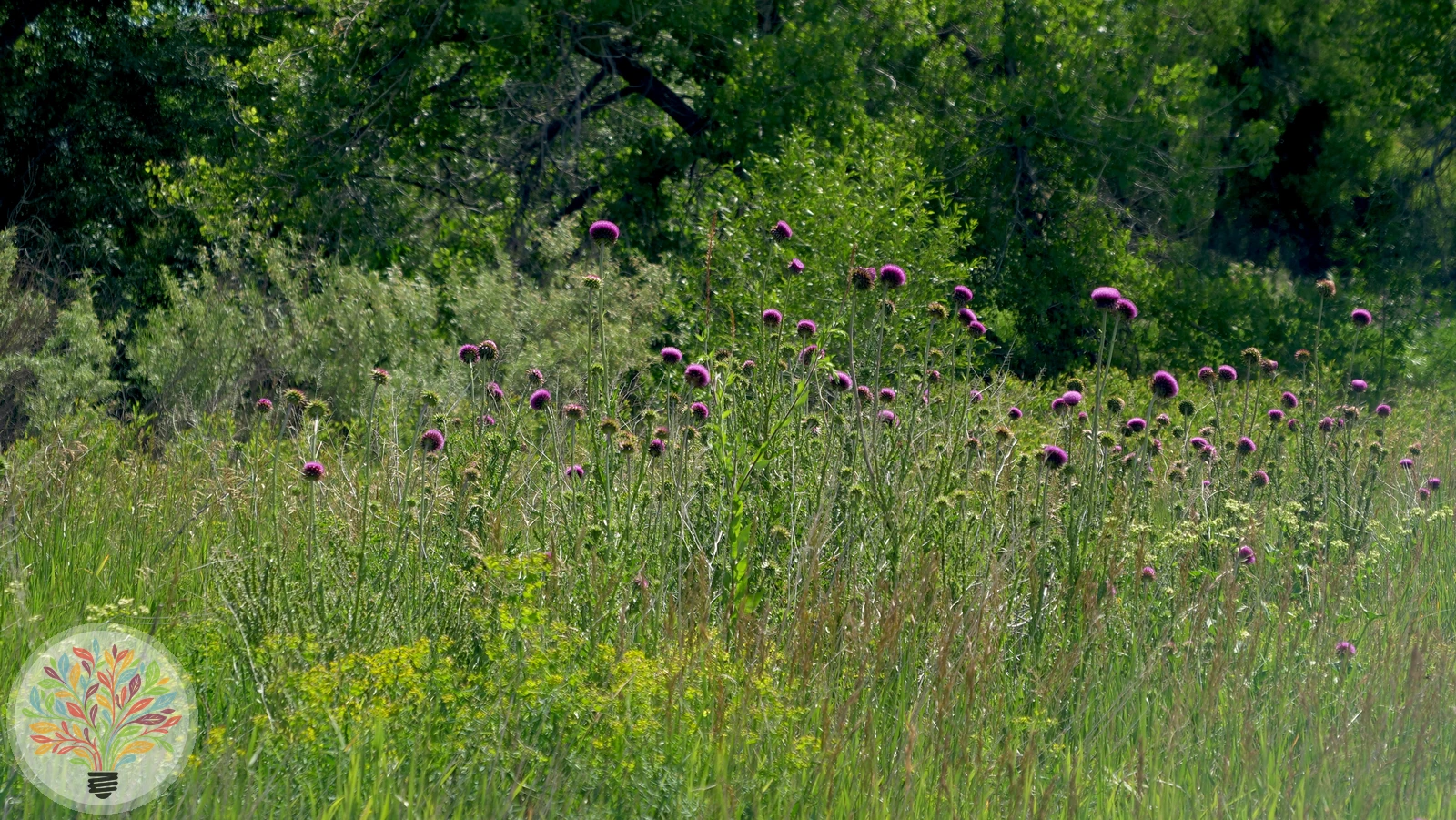
As a characteristic plant of dry, calcareous grasslands, Carduus nutans contributes to the physical structure of these low-disturbance habitats.
Annual cycle
Flowering takes place from June through September, after which the aerial parts die back.
Standort & Merkmale
Light
Sonne
Moisture
Trocken
Soil
Mittelzehrer (Normaler Boden)
Bloom time
Jun – Sep
Soil reaction
Basisch / Kalkhold
Bioregion
Continental
Growth form
Krautige Pflanze
Woodiness
Nicht verholzt
Leaf type
Breitblättrig
Plant height
0.632 m
Morphological traits: TRY ID3 (CC BY 3.0) & TRY ID81 (CC BY)
Pflege & Anbau
Choose a sunny, open site with free-draining, alkaline soil. Carduus nutans is adapted to dry, nutrient-moderate conditions and requires little intervention once established. Sow seed directly in autumn or early spring, lightly covering with soil. Thin seedlings to allow for the plant’s eventual spread.
Scientific profile
Carduus nutans is a herbaceous member of the Asteraceae family native to Great Britain. It is a non-woody, broad-leaved plant that grows in full sunlight. Heights commonly reach 0.6 m, though the species can attain up to 1.5 m under favourable conditions. It favours dry, calcareous to basic soils of moderate fertility and occurs in habitats with low disturbance. Flowering extends from June through September, producing its characteristic heads during the summer months. The plant bears a Red List status of ‘*’ and is not currently considered threatened. Ellenberg indicator values confirm its strong preference for high light (8), dry moisture (3) and base-rich reaction (8).
Bestäuber & Besucher
22 Arten interagieren mit dieser Pflanze
Halictus scabiosaeBombus terrestrisBombus vestalisBombus lapidariusHalictus sexcinctusBombus pascuorumBombus wurfleniiZygaena loniceraeBombus ruderatusBombus lucorumBombus hypnorumBombus pratorumBombus barbutellusBombus campestrisLasioglossum leucozoniumBombus rupestrisBombus bohemicusBombus ruderariusBombus terrestris/lucorumEpisyrphus balteatusBombus hortorumScaeva pyrastri
Other flower visitors
5 other species visit the flowers
Sources & data origin
•Cook et al. (2025) UK Butterfly & Moth Traits (DOI: 10.5285/dbc7cc17-cbbd-49dd-bab4-8e8855768d66)
•pollinator_interactions
•FloraWeb / BfN
•EIVE 1.0 — Dengler et al. (2023), DOI: 10.3897/VCS.98324 (CC BY 4.0)
•GBIF Backbone Taxonomy — GBIF Secretariat (2024), DOI: 10.15468/39omei (CC BY 4.0)
•TRY Categorical Traits (ID3) — Kattge et al. (2012), DOI: 10.17871/TRY.3 (CC BY 3.0)
•TRY Global Spectrum (ID81) — Díaz et al. (2016/2021), DOI: 10.17871/TRY.81 (CC BY)
•Checklist Alien Plants Belgium — Verloove F (2023), Botanic Garden Meise (CC BY 4.0)
•Govaerts R et al. (2025) — World Checklist of Vascular Plants (WCVP) v14. Royal Botanic Gardens, Kew. DOI: 10.34885/xs7h-ze42 (CC BY 4.0)
•Foto: © Adobe Stock / AdobeStock_948395126
All data is licensed under CC BY 4.0, CC0, or compatible. Attribution according to license terms. Full source overview →