Fallopia convolvulus
Fallopia convolvulus
FamilyGenus: Fallopiaheimisch in Deutschland
🌿
21
Species
interact
🔗
21
Interactions
documented
🐛
2
Host relationships
Species
About this species
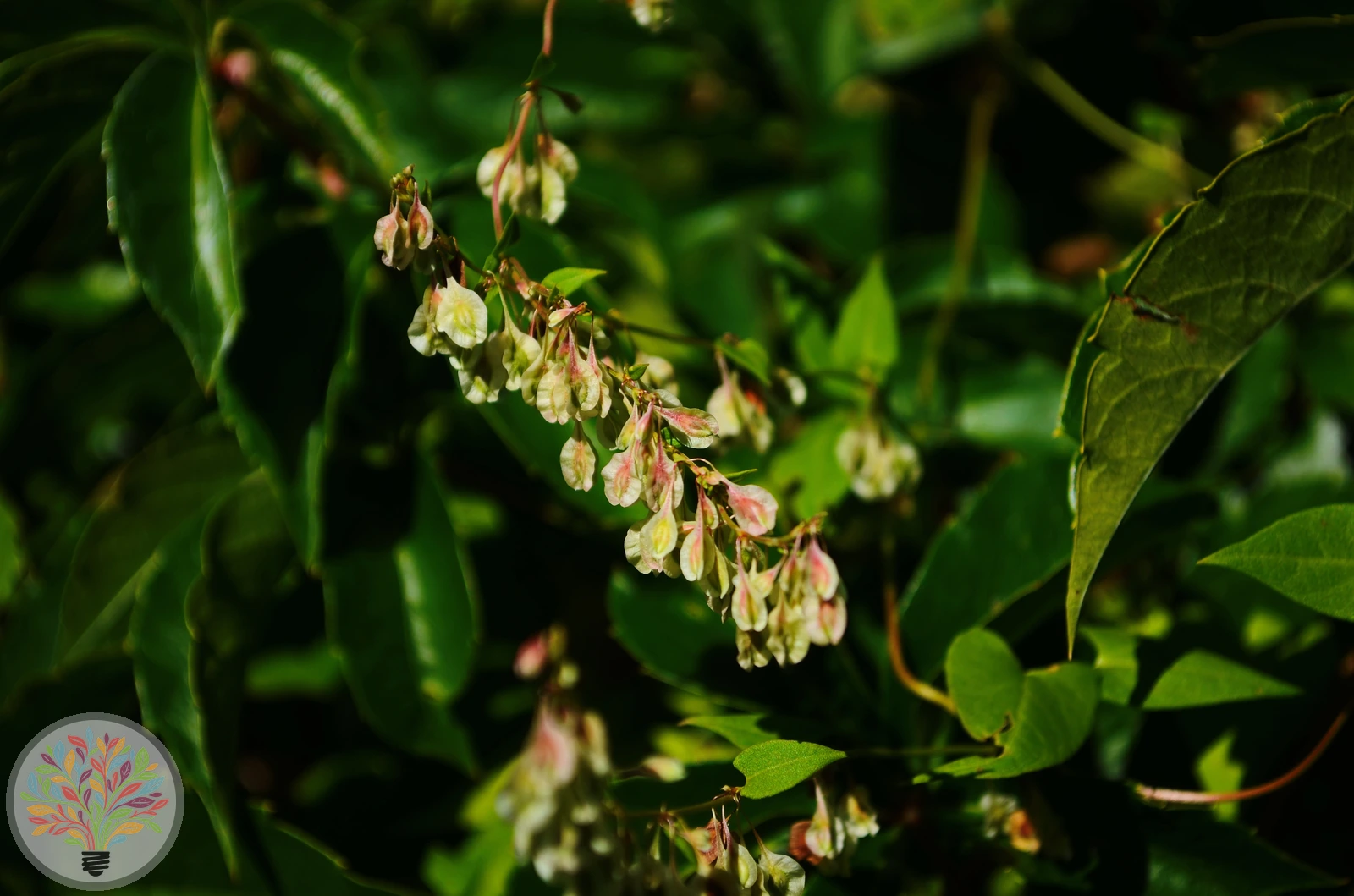
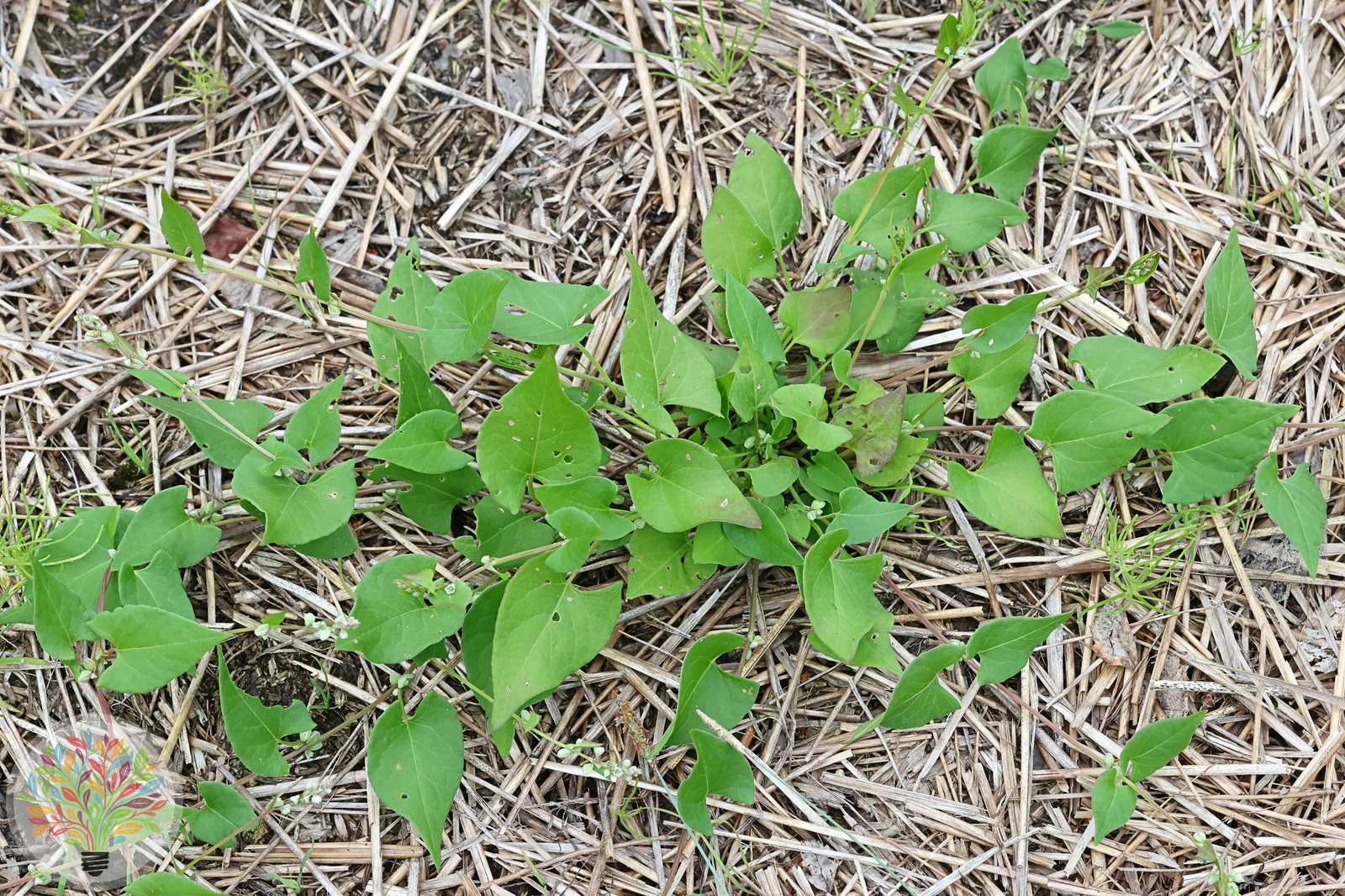
Fallopia convolvulus is an archaeophyte climbing annual found in arable land, gardens and disturbed ground across Great Britain. It produces small greenish flowers from June to October and its twining stems can reach around 0.66 metres in height.
Ecological network
Click to highlight connections · Click again to open species page
Netzwerk wird geladen...
PollinationLarval hostFlower visit
Ecological significance
Fallopia convolvulus is a common weed of arable fields, gardens and waste ground. Its seeds can be spread as a contaminant in crop seed and soil. It climbs over other vegetation, which may smother low-growing crops and garden plants.
Annual cycle
An annual that germinates in spring, the seedlings produce twining stems that climb over surrounding vegetation. Flowering occurs from June through October. Seeds ripen in late summer and autumn, and the plant dies back with the first frosts. Seed can persist in the soil for several years.
Standort & Merkmale
Light
Sonne
Moisture
Frisch (Mäßig feucht)
Soil
Mittelzehrer (Normaler Boden)
Bloom time
Jun – Okt
Soil reaction
Mäßig sauer bis neutral
Bioregion
Continental
Growth form
Kletterpflanze
Woodiness
Nicht verholzt
Leaf type
Breitblättrig
Plant height
0.66 m
Morphological traits: TRY ID3 (CC BY 3.0) & TRY ID81 (CC BY)
Pflege & Anbau
Grows best in full sun and fresh, moderately moist normal garden soil. Tolerates neutral to slightly acid conditions and low nutrient levels. It naturally occurs in disturbed, open ground and is not typically cultivated deliberately; if managing it, pull or hoe plants before seed set to prevent spread.
Scientific profile
A non-woody, broad-leaved climbing annual, Fallopia convolvulus bears small greenish flowers from June to October. The stems twine around adjacent plants and structures, typically attaining a height of about 0.66 metres. Its leaves are broad and arrow-shaped. The plant is an archaeophyte in Great Britain, having been introduced before 1500 and now firmly established. It thrives in sunny locations on fresh, moderately moist, neutral to slightly acid soils with moderate nutrient levels and low disturbance.
Other flower visitors
18 other species visit the flowers
Emberiza citrinellaColoeus monedulaFringilla coelebsLinaria cannabinaAlauda arvensisCarduelis carduelisperdix perdixPlectrophenax nivalisChloris chlorisCalcarius lapponicusCorvus frugilegusApodemus sylvaticusPasser domesticusColumba palumbusHarpalus affinisHarpalus rufipesPterostichus melanariusPoecilus cupreus
Sources & data origin
•TraitCH — CC BY 4.0TraitCH 2.0 contributors; imported as source-preserving NaturKompass taxon evidence.
•Interaktionsdaten via GloBI (CC-BY 4.0)
•Cook et al. (2025) UK Butterfly & Moth Traits (DOI: 10.5285/dbc7cc17-cbbd-49dd-bab4-8e8855768d66)
•Baden-Böhm F, App M, Thiele J (2022) — The FloRes Database: A floral resources trait database for pollinator habitat-assessment generated by a multistep workflow. Johann Heinrich von Thünen-Institut, Dryad, DOI: 10.5061/dryad.djh9w0w29 (CC0)
•FloraWeb / BfN
•EIVE 1.0 — Dengler et al. (2023), DOI: 10.3897/VCS.98324 (CC BY 4.0)
•GBIF Backbone Taxonomy — GBIF Secretariat (2024), DOI: 10.15468/39omei (CC BY 4.0)
•TRY Categorical Traits (ID3) — Kattge et al. (2012), DOI: 10.17871/TRY.3 (CC BY 3.0)
•TRY Global Spectrum (ID81) — Díaz et al. (2016/2021), DOI: 10.17871/TRY.81 (CC BY)
•Govaerts R et al. (2025) — World Checklist of Vascular Plants (WCVP) v14. Royal Botanic Gardens, Kew. DOI: 10.34885/xs7h-ze42 (CC BY 4.0)
•Foto: © Adobe Stock / AdobeStock_527209574
All data is licensed under CC BY 4.0, CC0, or compatible. Attribution according to license terms. Full source overview →