Glechoma hederacea
Glechoma hederacea
FamilyGenus: Glechomaheimisch in Deutschland
🌿
130
Species
interact
🔗
502
Interactions
documented
🐛
4
Host relationships
Species
About this species
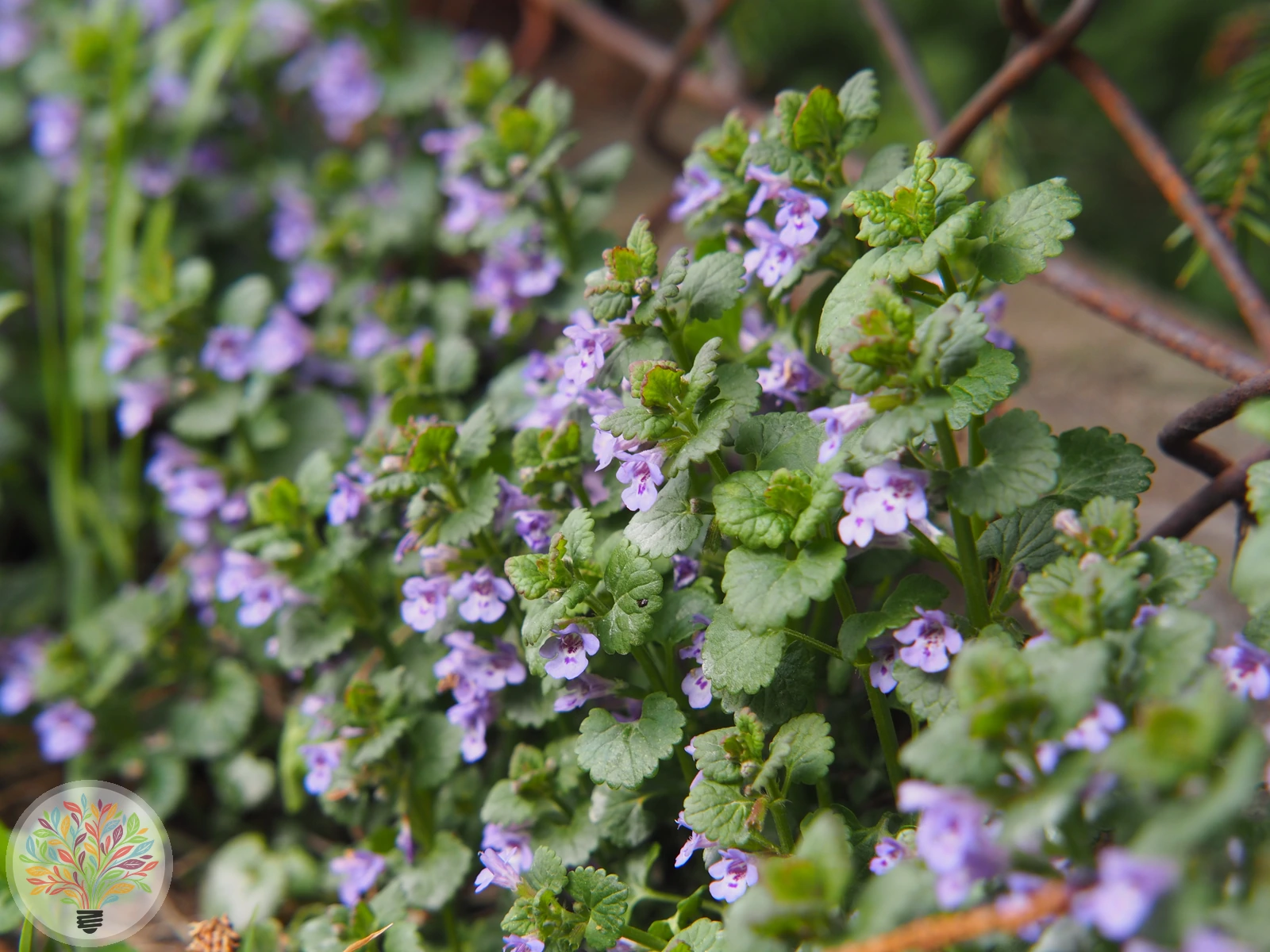
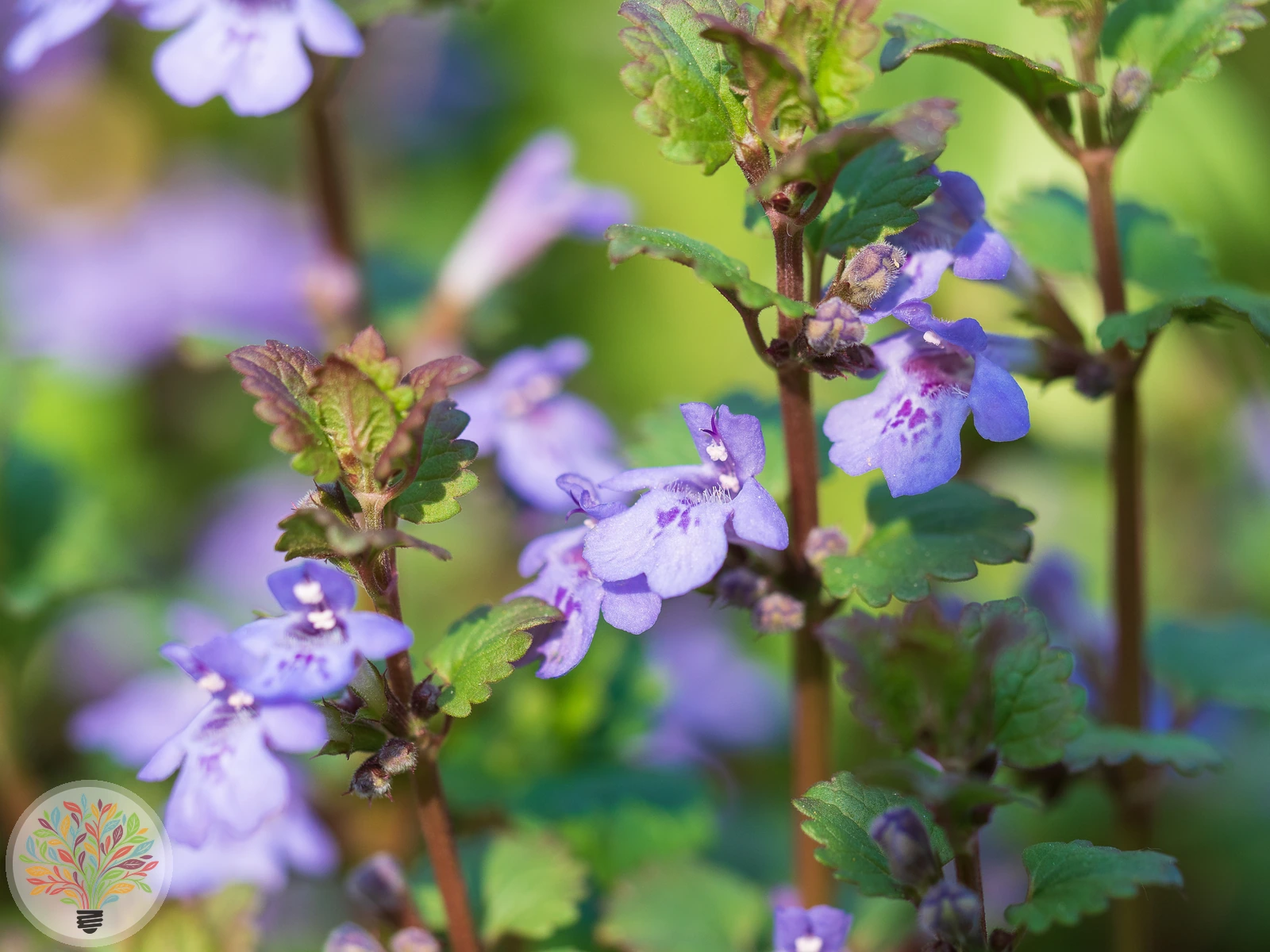
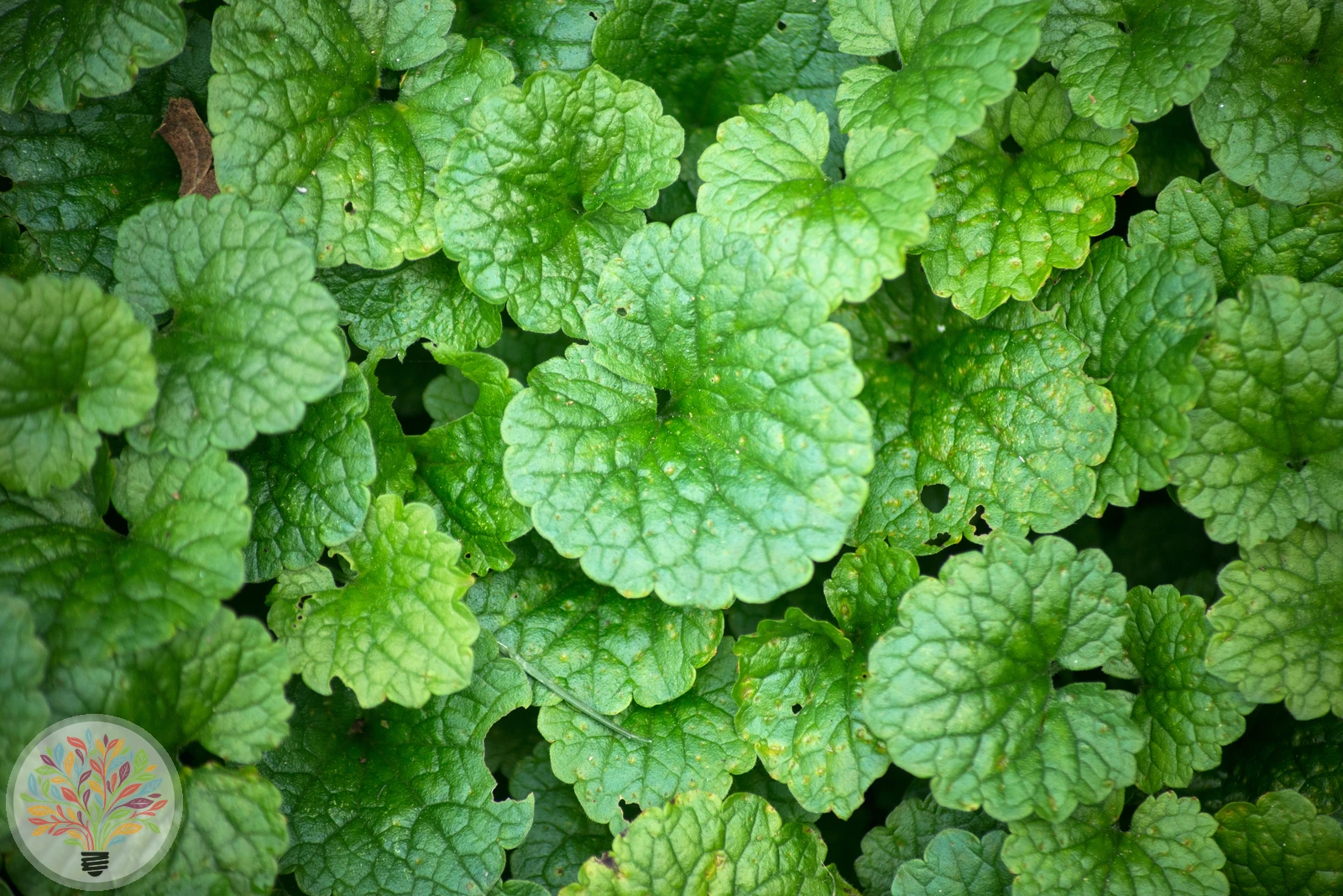
A native creeping perennial with rounded, scalloped leaves and bluish-violet flowers from spring to late summer, found in semi-shaded, moist, nutrient-rich places.
Ecological network
Click to highlight connections · Click again to open species page
Netzwerk wird geladen...
PollinationLarval hostFlower visit
Ecological significance
As a native species, it contributes to local vegetation structure, but specific ecological roles and interactions are not detailed here.
Annual cycle
Flowers from March to August.
Standort & Merkmale
Light
Halbschatten
Moisture
Frisch (Mäßig feucht)
Soil
Starkzehrer (Nährstoffreicher/Fetter Boden)
Bloom time
Mär – Aug
Soil reaction
Mäßig sauer bis neutral
Bioregion
Continental
Growth form
Krautige Pflanze
Woodiness
Nicht verholzt
Leaf type
Breitblättrig
Plant height
0.195 m
Morphological traits: TRY ID3 (CC BY 3.0) & TRY ID81 (CC BY)
Corolla tube
11.75 mm
Nectar
1.4044 µl/Blüte
Pollen
0.8967 mg/Blüte
Pflege & Anbau
This plant grows best in partial shade and moderately moist, nutrient-rich soil. It tolerates neutral to slightly acid conditions. Provide regular watering to maintain soil moisture. Not suited to saline or heavily disturbed sites.
Scientific profile
Glechoma hederacea is a herbaceous, non-woody perennial with broad leaves. It is native in Great Britain. The plant typically reaches a height of about 20 cm and produces leaves with an average area of 493 mm². Its flowering period runs from March to August. It grows in semi-shaded positions, on fresh, moderately moist soils that are neutral to weakly acid and rich in nutrients. It is not tolerant of saline conditions and shows low tolerance of disturbance.
Bestäuber & Besucher
85 Arten interagieren mit dieser Pflanze
Andrena nitidaAndrena flavipesBombus lucorumAnthophora plumipesPyrgus malvaeHalictus tumulorumLeptidea sinapisBombus sylvarumErynnis tagesBombus vestalisOsmia aurulentaNomada fucataNomada flavoguttataManiola jurtinaAglais urticaeOsmia bicolorLycaena phlaeasBombus campestrisBombus lapidariusBombus hortorumApis melliferaBombus barbutellusGonepteryx rhamniBombus pratorumClossiana euphrosynePieris napiCallophrys rubiBombus rupestrisBombus ruderariusLasioglossum calceatumLasioglossum lativentreNomada goodenianaOsmia bicornisLasioglossum fulvicorneMelecta albifronsBombus humilisTiphia femorataBombus muscorumLithophane ornitopusBombus jonellusLasioglossum morioPieris rapaeAnthocharis cardaminesPararge aegeriaBombus pascuorumOrthosia gothicaBombus sylvestrisBombus hypnorumNymphalis antiopaEuclidia glyphica
Host relationships
4 species use this plant as a host
Other flower visitors
41 other species visit the flowers
Myocastor coypusEmberiza citrinellaCorvus frugilegusApodemus sylvaticusColumba palumbusFringilla coelebsHarpalus griseusAmara ovataAnisodactylus binotatusHarpalus distinguendusTrechus quadristriatusAmara aeneaAmara plebejaCarduelis carduelisLinaria cannabinaMyodes glareolusHemicrepidius hirtusHemicrepidius nigerHarpalus affinisDiachromus germanusHarpalus rubripesAnthicus antherinusAmara convexiorPoecilus cupreusLasius nigerChrysolina sturmiTytthaspis sedecimpunctataCoccinella septempunctataAthalia circularisHarpalus latusAmara lunicollisLeucophora personataMuscina levidaSymmorphus gracilisColastes braconiusSarcophaga carnariaCulex pipiensPhyllobius roboretanusCulex cf. pipiensRhingia.campestrisEucera.nigrescens
Sources & data origin
•Cook et al. (2025) UK Butterfly & Moth Traits (DOI: 10.5285/dbc7cc17-cbbd-49dd-bab4-8e8855768d66)
•Interaktionsdaten via GloBI (CC-BY 4.0)
•pollinator_interactions
•Baden-Böhm F, App M, Thiele J (2022) — The FloRes Database: A floral resources trait database for pollinator habitat-assessment generated by a multistep workflow. Johann Heinrich von Thünen-Institut, Dryad, DOI: 10.5061/dryad.djh9w0w29 (CC0)
•FloraWeb / BfN
•EIVE 1.0 — Dengler et al. (2023), DOI: 10.3897/VCS.98324 (CC BY 4.0)
•GBIF Backbone Taxonomy — GBIF Secretariat (2024), DOI: 10.15468/39omei (CC BY 4.0)
•TRY Categorical Traits (ID3) — Kattge et al. (2012), DOI: 10.17871/TRY.3 (CC BY 3.0)
•TRY Global Spectrum (ID81) — Díaz et al. (2016/2021), DOI: 10.17871/TRY.81 (CC BY)
•Govaerts R et al. (2025) — World Checklist of Vascular Plants (WCVP) v14. Royal Botanic Gardens, Kew. DOI: 10.34885/xs7h-ze42 (CC BY 4.0)
•Foto: © Elena K. / Adobe Stock / AdobeStock_202170839
All data is licensed under CC BY 4.0, CC0, or compatible. Attribution according to license terms. Full source overview →