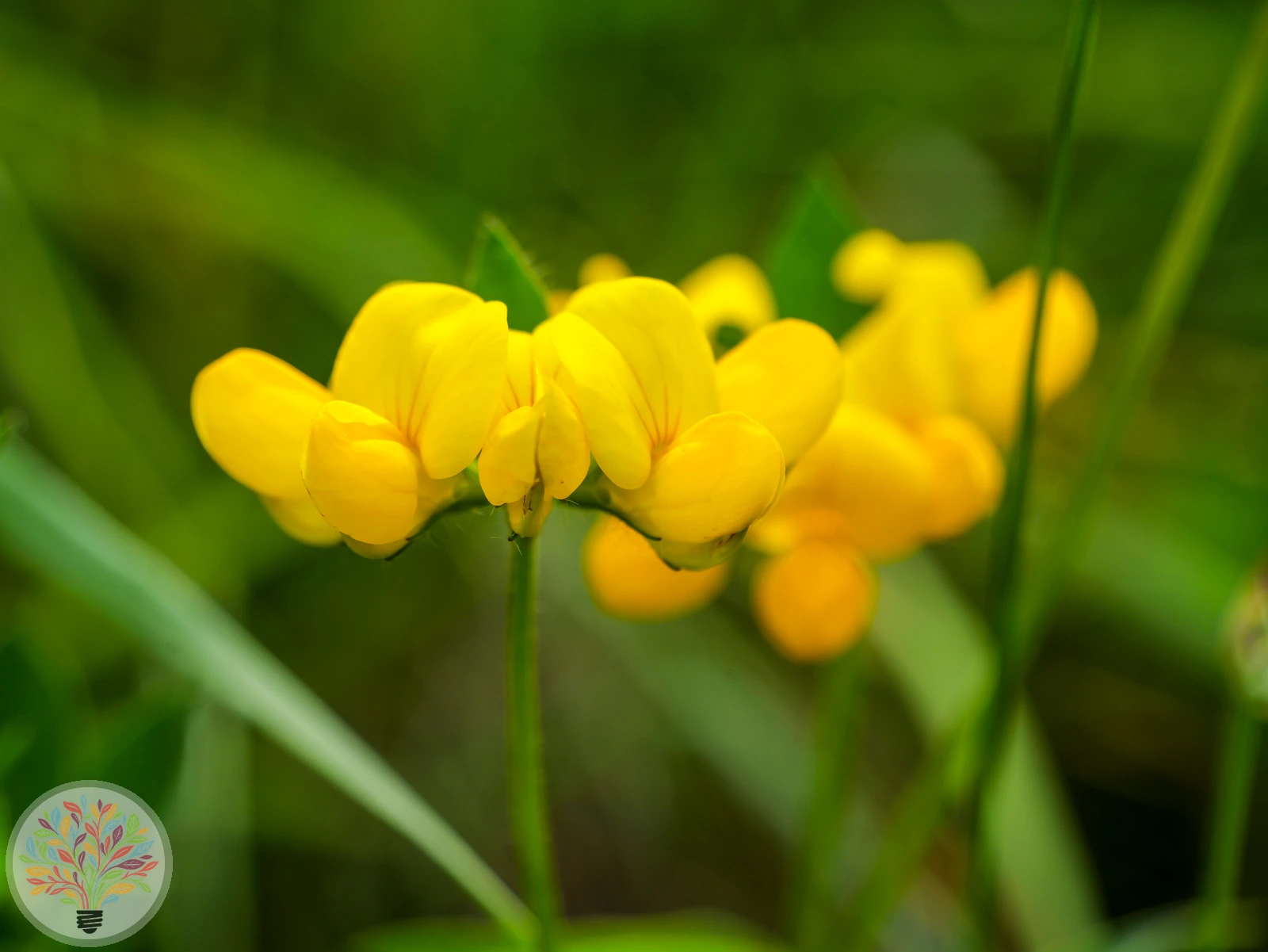
Lotus corniculatus
Lotus corniculatus
FamilyGenus: Lotusheimisch in Deutschland
🌿
255
Species
interact
🔗
4865
Interactions
documented
🐛
25
Host relationships
Species
About this species
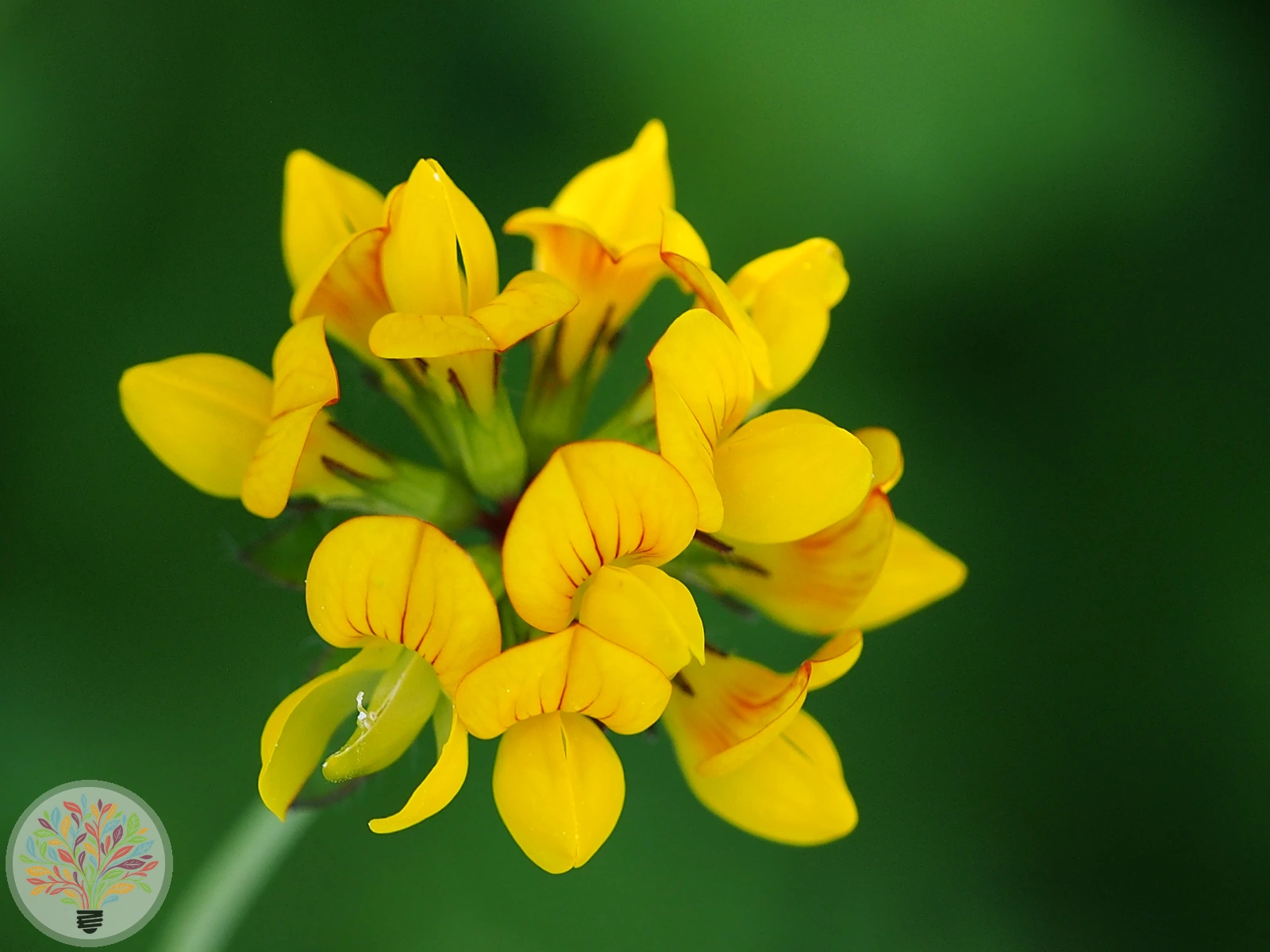
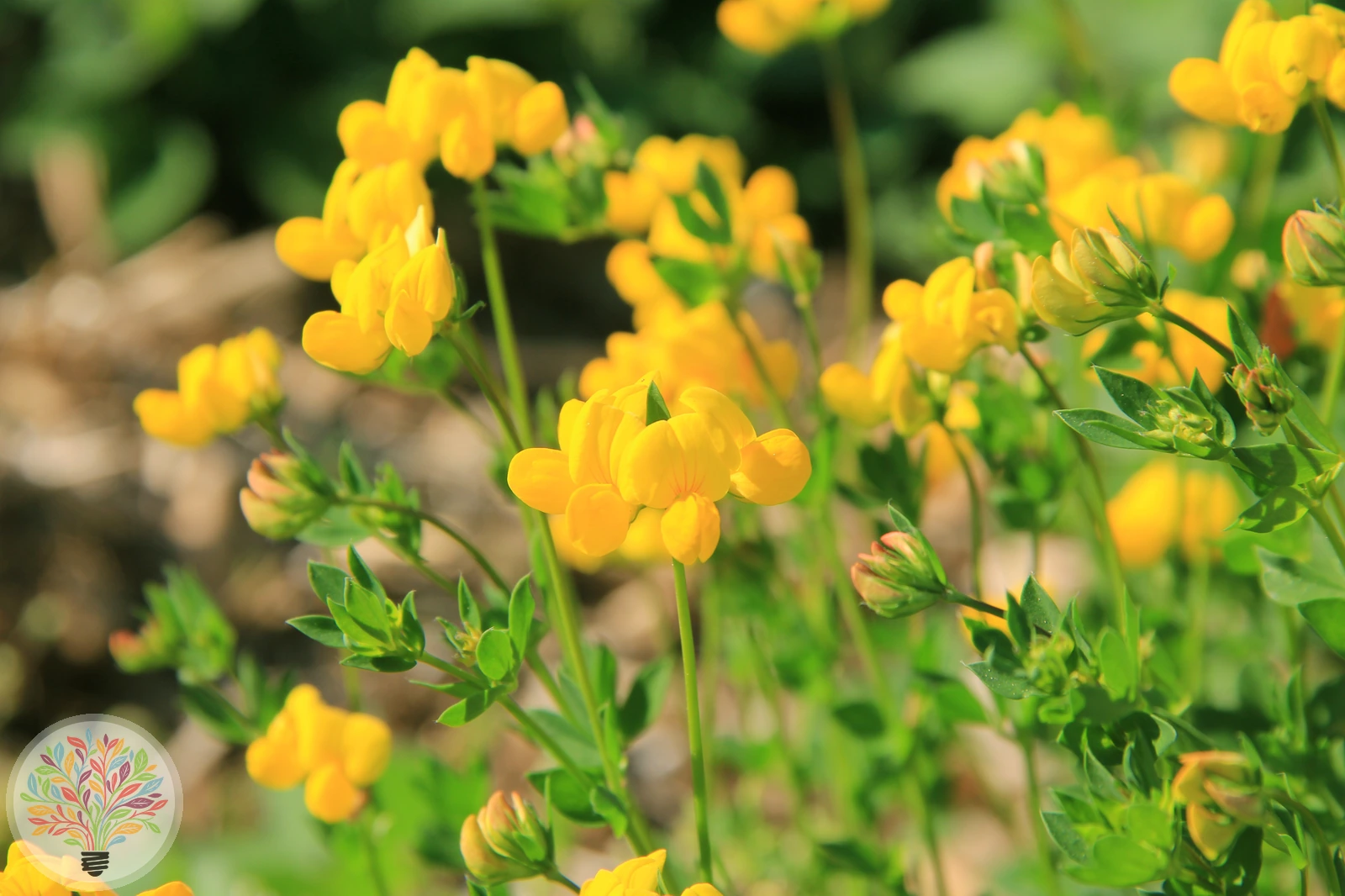
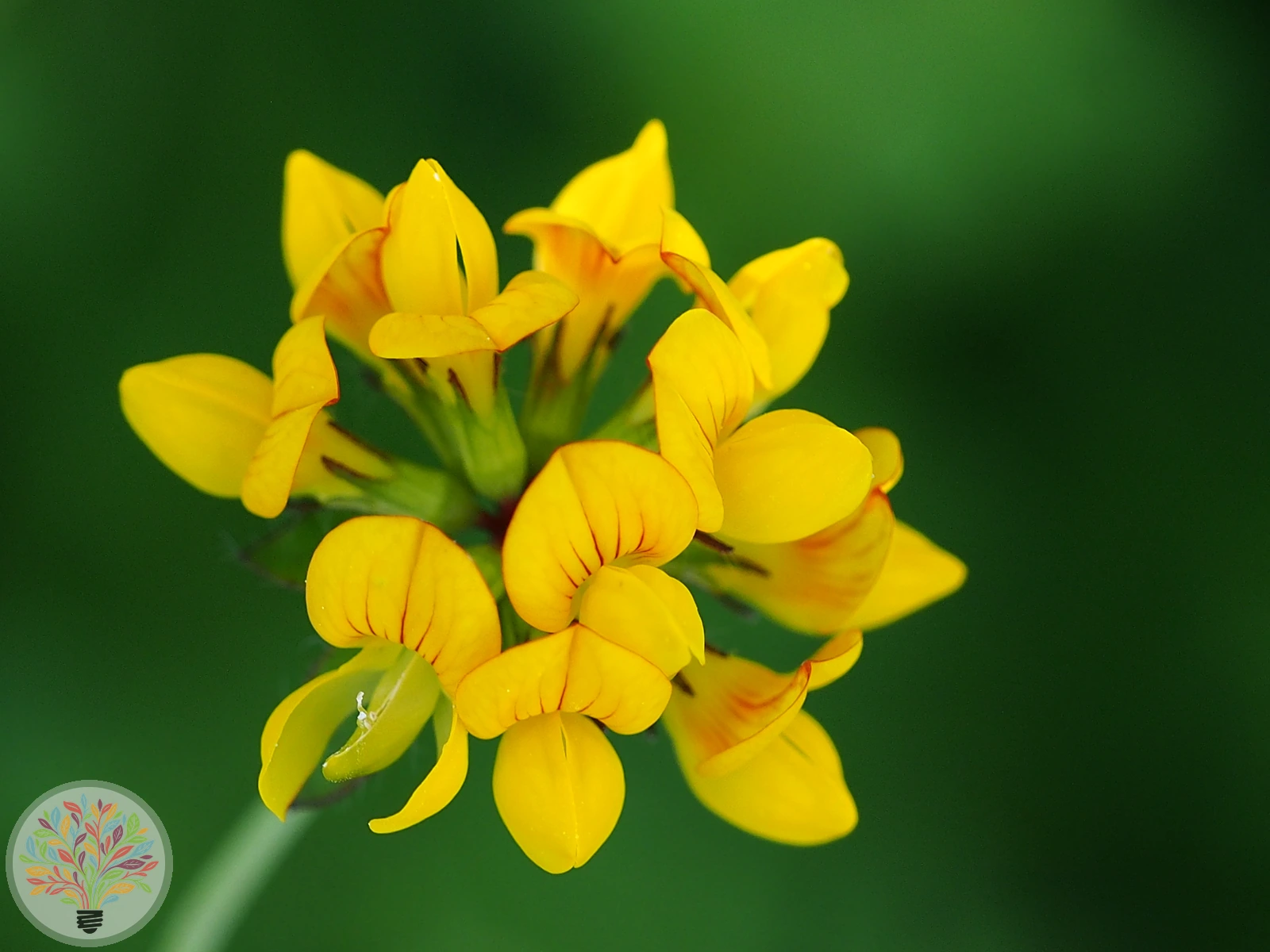
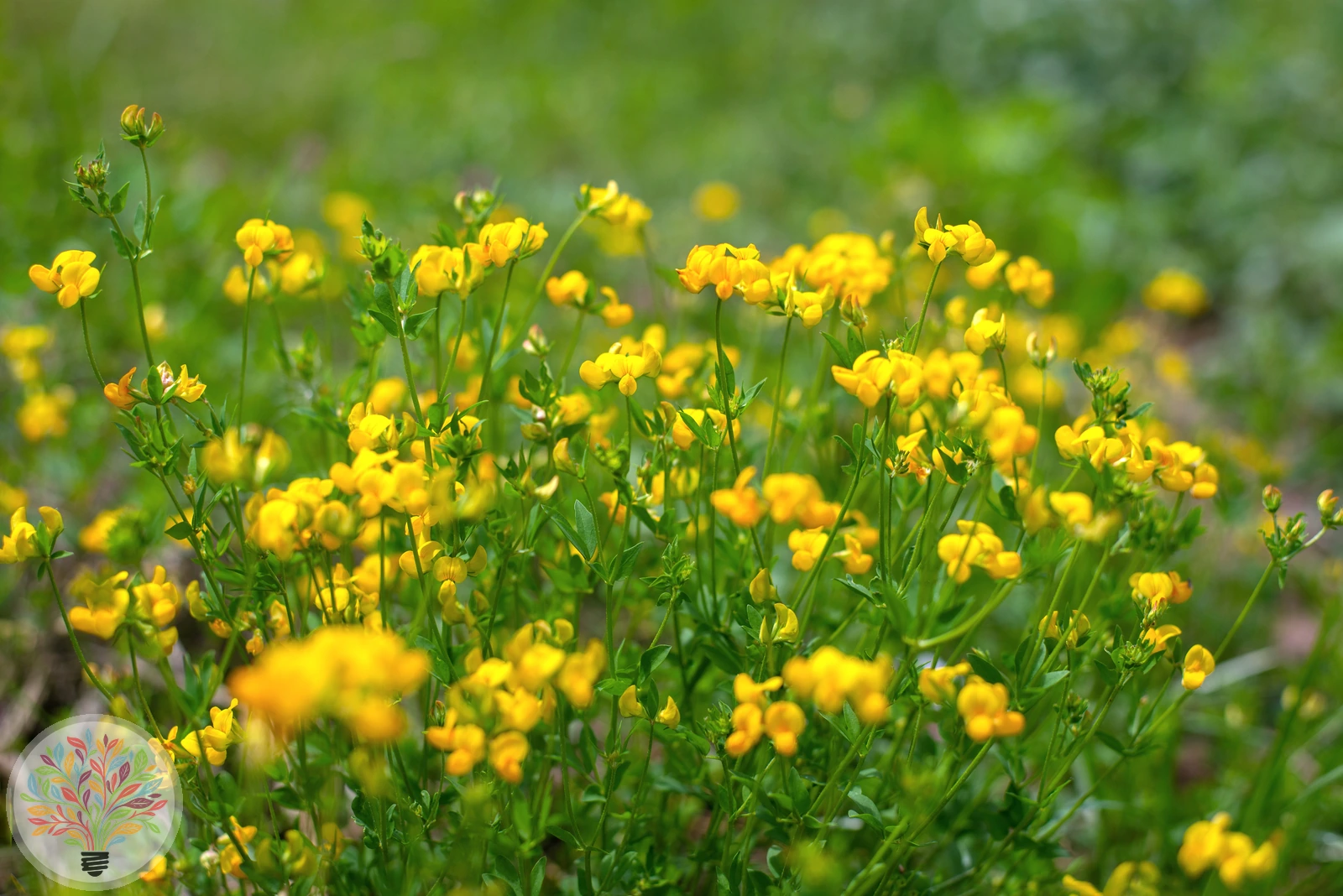
Lotus corniculatus is a native herbaceous legume of Great Britain, reaching about 25 cm in height. Its yellow flowers appear from May to September and are followed by straight pods. It grows in full sun on moderately moist, calcareous, nutrient-poor soils and is not considered threatened.
Ecological network
Click to highlight connections · Click again to open species page
Netzwerk wird geladen...
PollinationLarval hostFlower visit
Annual cycle
The plant produces yellow flowers from May to September.
Standort & Merkmale
Light
Sonne
Moisture
Frisch (Mäßig feucht)
Soil
Schwachzehrer (Magerer Boden)
Bloom time
Mai – Sep
Soil reaction
Basisch / Kalkhold
Bioregion
Continental
Growth form
Krautige Pflanze
Woodiness
Nicht verholzt
Leaf type
Breitblättrig
Plant height
0.242 m
Morphological traits: TRY ID3 (CC BY 3.0) & TRY ID81 (CC BY)
Corolla tube
9 mm
Nectar
0.4714 µl/Blüte
Pollen
0.399 mg/Blüte
Pflege & Anbau
Grow in full sun on a moderately moist, nutrient-poor soil; a calcareous substrate is ideal. No supplementary feeding is needed, and the plants naturally tolerate low-fertility conditions.
Scientific profile
Lotus corniculatus is a variable, non-stoloniferous, herbaceous legume in the pea family (Fabaceae), native to Great Britain. The plant typically grows to about 24 cm, though height can vary widely. The leaves are broad, with a leaf area of around 129 mm², and the leaflets often have inconspicuous secondary veins. Inflorescences carry three to six yellow flowers; the calyx teeth remain erect, the upper teeth separated by an obtuse sinus, and the keel is bent at approximately a right angle. The pod is straight. Seeds are small, with an average mass of 1.3 mg. It is a plant of open, sunny sites and requires a moderately moist, nutrient-poor, calcareous soil. It shows low tolerance of salinity and disturbance. The species is not currently regarded as threatened.
Bestäuber & Besucher
192 Arten interagieren mit dieser Pflanze
Apis melliferaAnthidiellum strigatumMegachile pilidensAnthidium oblongatumLasioglossum glabriusculumEristalinus sepulchralisMegachile ericetorumSphaerophoria scriptaHoplitis leucomelanaBombus pascuorumAndrena labialisEucera longicornisBombus lapidariusMelitta leporinaMegachile rotundataOsmia aurulentaHoplitis tridentataOsmia caerulescensMegachile willughbiellaBombus pratorumBombus soroeensisBombus hypnorumBombus sylavrumBombus sylvarumBombus ruderariusBombus lucorumBombus veteranusBombus terrestrisAndrena wilkellaLasioglossum calceatumBombus gr. terrestrisSeladonia tumulorumOsmia bicolorLasioglossum morioLasioglossum punctatissimumCeratina cyaneaMegachile versicolorEupeodes corollaeEpisyrphus balteatusAndrena minutuloidesOsmia rufohirtaLasioglossum pauxillumSphecodes crassusEristalis arbustorumLasioglossum fulvicorneHalictus rubicundusLasioglossum sp.2Andrena sp.2Anthidium strigatumHalictus tumulorum
Host relationships
25 species use this plant as a host
Zygaena lotiZygaena viciaeZygaena filipendulaeZygaena loniceraeErynnis tagesLeptidea sinapisLeptidea juvernicaCallophrys rubiPlebejus argusPolyommatus icarusLysandra coridonScotopteryx bipunctariaCleora cinctariaAspitates gilvariaEilema caniolaEuclidia glyphicaLasiocampa quercusSiona lineataOrthosia gracilisSelidosema brunneariaCharissa obscurataActebia praecoxAmphipyra tragopoginisLycia zonariaLasiocampa trifolii
Other flower visitors
38 other species visit the flowers
Calocoris roseomaculatus (De Geer,1773)Adelphocoris lineolatus (Goeze,1778)Anthidium punctatum Latreille,1809Sphaerophoria specParagus specPsithyrusTrachusa byssinumLeptideaAricia agestisPlebejus amandaPipizellaMyrmicaSphaerophoriaEriothrix rufomaculatusParagusCantharis rusticaEupeodesBombylidaeMaculinea alconScathophagidaeBotanophilaHemipenthes morioPlebejus argyrognomonLagriidaeLycaenidaePhaonia incanaScathophaga stercorariaPegoplata aestivaDrymeia hamataSiphona geniculataHydrellia griseolaHylemyza partitaMorellia aenescensOscinella fritAglaostigma aucupariaeAnthidium.strigatumAnthidium.punctatumSphaerophoria.sp
Sources & data origin
•Cook et al. (2025) UK Butterfly & Moth Traits (DOI: 10.5285/dbc7cc17-cbbd-49dd-bab4-8e8855768d66)
•pollinator_interactions
•Baden-Böhm F, App M, Thiele J (2022) — The FloRes Database: A floral resources trait database for pollinator habitat-assessment generated by a multistep workflow. Johann Heinrich von Thünen-Institut, Dryad, DOI: 10.5061/dryad.djh9w0w29 (CC0)
•FloraWeb / BfN
•EIVE 1.0 — Dengler et al. (2023), DOI: 10.3897/VCS.98324 (CC BY 4.0)
•GBIF Backbone Taxonomy — GBIF Secretariat (2024), DOI: 10.15468/39omei (CC BY 4.0)
•TRY Categorical Traits (ID3) — Kattge et al. (2012), DOI: 10.17871/TRY.3 (CC BY 3.0)
•TRY Global Spectrum (ID81) — Díaz et al. (2016/2021), DOI: 10.17871/TRY.81 (CC BY)
•Checklist Alien Plants Belgium — Verloove F (2023), Botanic Garden Meise (CC BY 4.0)
•Govaerts R et al. (2025) — World Checklist of Vascular Plants (WCVP) v14. Royal Botanic Gardens, Kew. DOI: 10.34885/xs7h-ze42 (CC BY 4.0)
•Foto: © Adobe Stock / AdobeStock_380009898
All data is licensed under CC BY 4.0, CC0, or compatible. Attribution according to license terms. Full source overview →