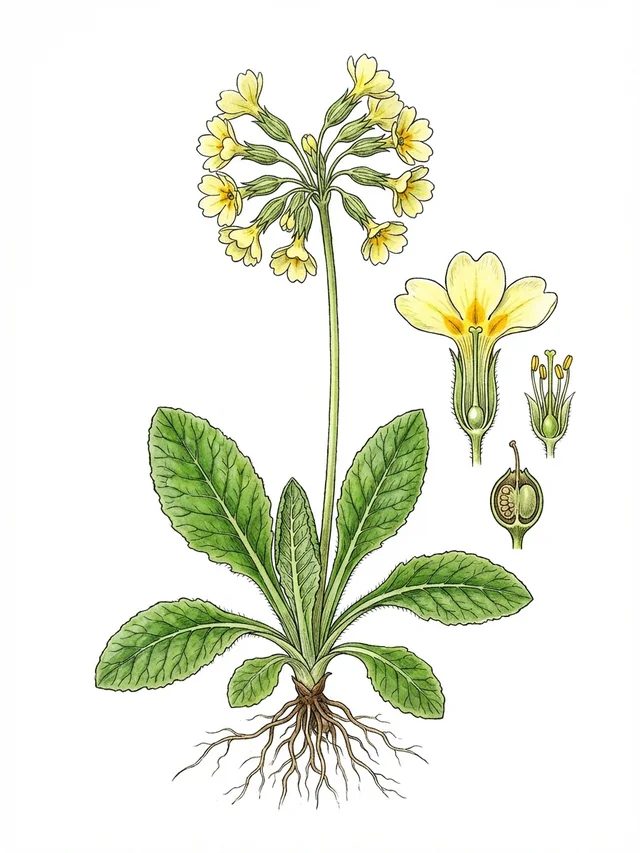
 Bild folgtKI-generierte Illustration
Oxybasis urbica
Oxybasis urbica
FamilyGenus: Oxybasisheimisch in Deutschland
About this species
Oxybasis urbica is an archaeophyte in Britain, established in nutrient-rich, disturbed ground. It flowers from June to September.
Ecological significance
As an archaeophyte, it is a long-established introduction in Britain; there is no evidence of detrimental ecological effects.
Annual cycle
Growth begins in spring, with flowering from June to September.
Standort & Merkmale
Light
Sonne
Moisture
Frisch (Mäßig feucht)
Soil
Starkzehrer (Nährstoffreicher/Fetter Boden)
Bloom time
Jun – Sep
Soil reaction
Basisch / Kalkhold
Bioregion
Continental
Pflege & Anbau
If grown in a garden, plant in full sun on moderately moist, well-drained soil that is rich in nutrients. The species tolerates slightly saline conditions and thrives on calcareous or basic substrates. It is not demanding of any special care beyond an open situation.
Scientific profile
Oxybasis urbica belongs to the family Amaranthaceae. It is an archaeophyte, meaning it was introduced to Britain and is now established. The plant typically grows in full sun on moderately moist, nutrient-rich soils that are often calcareous or at least basic. It shows a slight tolerance of salinity and is associated with habitats subject to low disturbance severity. Records from central Europe indicate occurrences in arable land, old vineyards and railway sidings, and in Britain it occupies similar nutrient-rich, disturbed but relatively stable sites. Its strong light requirement (Ellenberg indicator value 7) reflects its need for open, unshaded situations. Flowering takes place from June to September.
Sources & data origin
•TraitCH — CC BY 4.0TraitCH 2.0 contributors; imported as source-preserving NaturKompass taxon evidence.
•EIVE 1.0 — Dengler et al. (2023), DOI: 10.3897/VCS.98324 (CC BY 4.0)
•GBIF Backbone Taxonomy — GBIF Secretariat (2024), DOI: 10.15468/39omei (CC BY 4.0)
•Govaerts R et al. (2025) — World Checklist of Vascular Plants (WCVP) v14. Royal Botanic Gardens, Kew. DOI: 10.34885/xs7h-ze42 (CC BY 4.0)
All data is licensed under CC BY 4.0, CC0, or compatible. Attribution according to license terms. Full source overview →