Pulmonaria officinalis
Pulmonaria officinalis
FamilyGenus: Pulmonariaheimisch in Deutschland
🌿
15
Species
interact
🔗
34
Interactions
documented
About this species
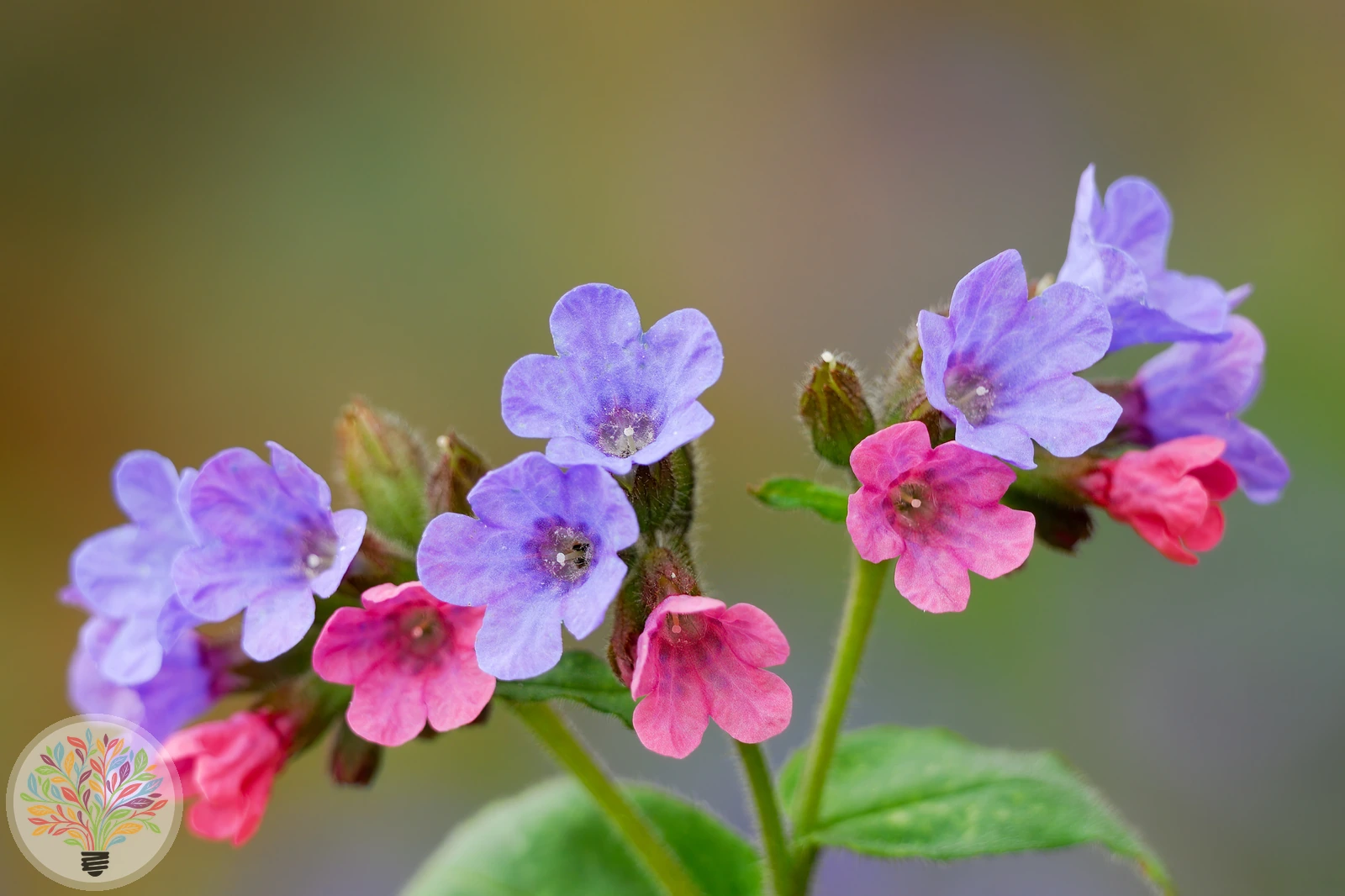
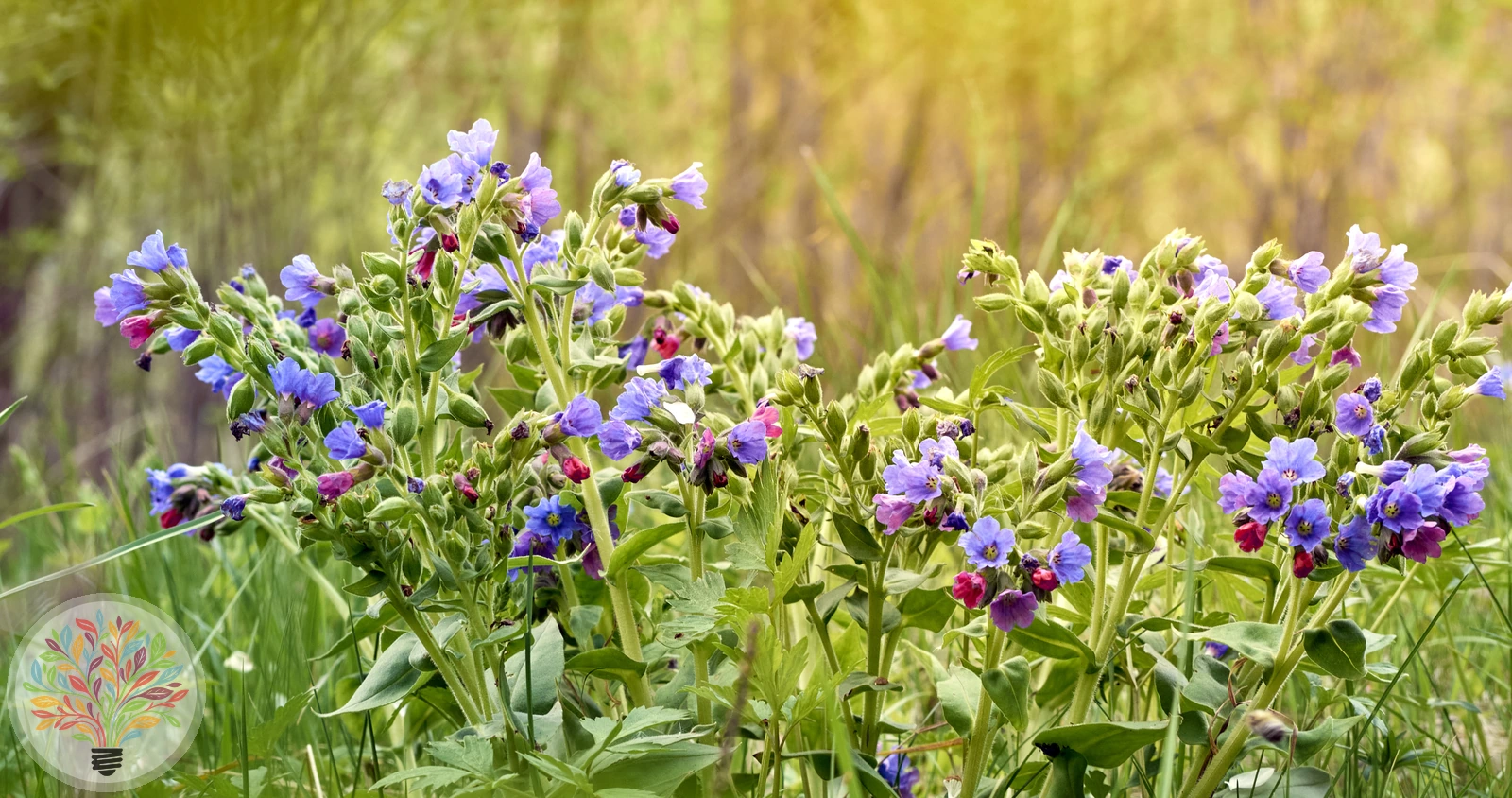
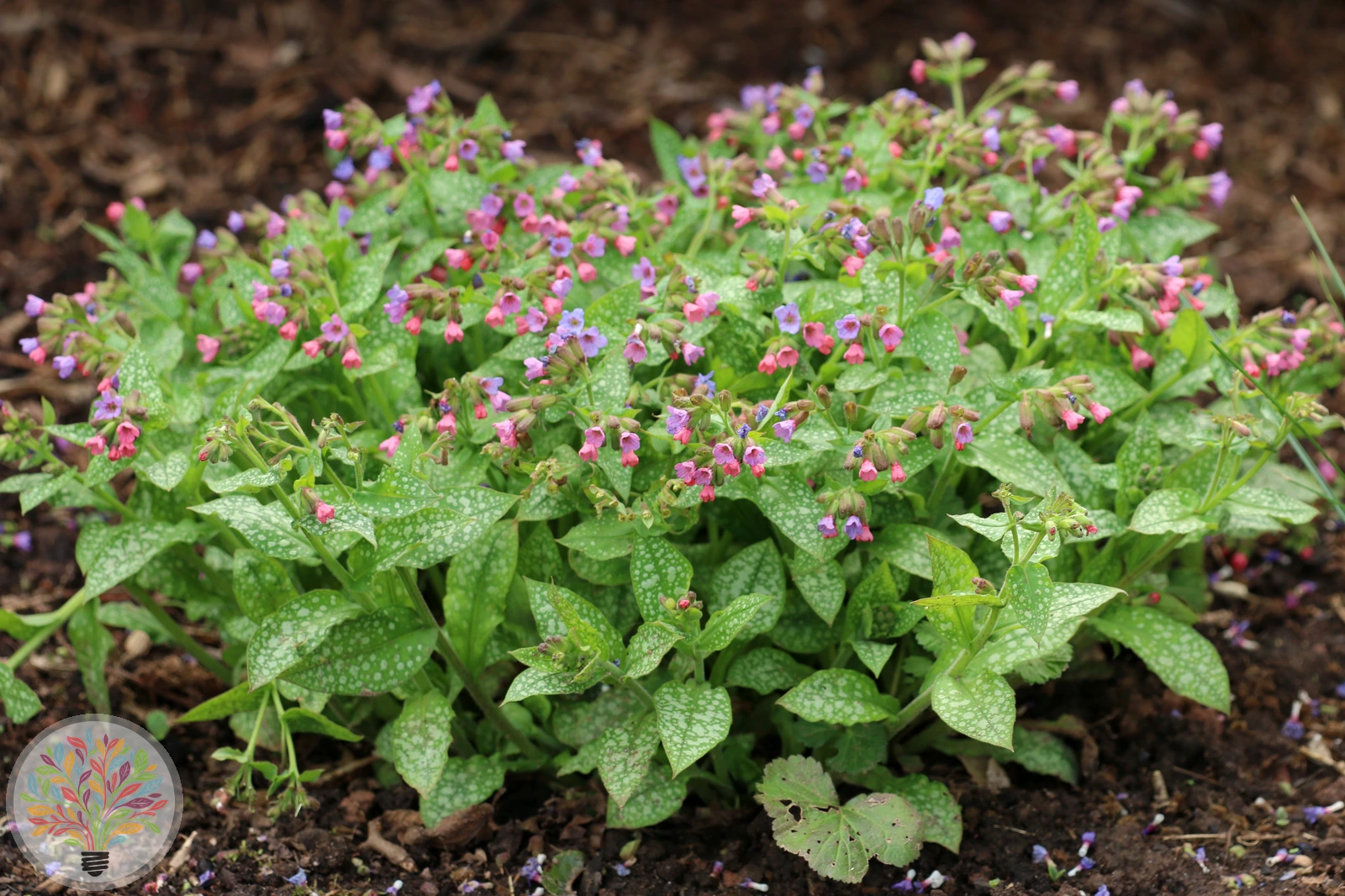
An introduced and established herbaceous plant, Pulmonaria officinalis bears broad leaves and flowers from February to May, providing early nectar and pollen. It favours semi-shade and moderately moist, calcareous soils.
Ecological network
Click to highlight connections · Click again to open species page
Netzwerk wird geladen...
Pollination
Ecological significance
This plant is introduced and established in Great Britain but is not recorded as invasive, and no adverse ecological impacts have been identified.
Annual cycle
Flowers from February to May. The plant is herbaceous and non-woody.
Standort & Merkmale
Light
Halbschatten
Moisture
Frisch (Mäßig feucht)
Soil
—
Bloom time
Feb – Mai
Bioregion
Continental
Nectar value
2
Pollen value
2
Growth form
Krautige Pflanze
Woodiness
Nicht verholzt
Leaf type
Breitblättrig
Plant height
0.215 m
Morphological traits: TRY ID3 (CC BY 3.0) & TRY ID81 (CC BY)
Pflege & Anbau
•
Light: Semi-shade.
•
Moisture: Fresh (moderately moist), well-drained.
•
Soil reaction: Calcareous or basic.
•
Nutrients: Moderate fertility.
•
Mycorrhiza: Forms arbuscular mycorrhizal associations; soils containing such fungi may support establishment.
Scientific profile
Pulmonaria officinalis is a herbaceous plant in the borage family (Boraginaceae). It is introduced and established in Great Britain, not native. Typically reaching about 22 cm in height, it produces broad leaves with an average area of approximately 65 square centimetres. The species prefers semi-shaded positions with fresh, moderately moist, calcareous soils of moderate fertility, and it shows low tolerance to disturbance. From February to May it bears flowers that supply both nectar and pollen to visiting insects. Its roots form arbuscular mycorrhizal associations. The plant is non-woody and terrestrial; its diaspores weigh around 3.6 mg.
Bestäuber & Besucher
15 Arten interagieren mit dieser Pflanze
Sources & data origin
•Interaktionsdaten via GloBI (CC-BY 4.0)
•pollinator_interactions
•FloraWeb / BfN
•EIVE 1.0 — Dengler et al. (2023), DOI: 10.3897/VCS.98324 (CC BY 4.0)
•EuPPollNet — Kuppler et al. (2025), DOI: 10.1111/geb.70000 (CC BY 4.0)
•Database of Pollinator Interactions (DoPI) — Pocock et al. (2022), DOI: 10.1002/ecy.3801 (CC BY)
•GBIF Backbone Taxonomy — GBIF Secretariat (2024), DOI: 10.15468/39omei (CC BY 4.0)
•TRY Categorical Traits (ID3) — Kattge et al. (2012), DOI: 10.17871/TRY.3 (CC BY 3.0)
•TRY Global Spectrum (ID81) — Díaz et al. (2016/2021), DOI: 10.17871/TRY.81 (CC BY)
•Checklist Alien Plants Belgium — Verloove F (2023), Botanic Garden Meise (CC BY 4.0)
•Govaerts R et al. (2025) — World Checklist of Vascular Plants (WCVP) v14. Royal Botanic Gardens, Kew. DOI: 10.34885/xs7h-ze42 (CC BY 4.0)
•Foto: © Adobe Stock / AdobeStock_585827477
All data is licensed under CC BY 4.0, CC0, or compatible. Attribution according to license terms. Full source overview →