Scutellaria galericulata
Scutellaria galericulata
FamilyGenus: Helmkräuterheimisch in Deutschland
🌿
11
Species
interact
🔗
14
Interactions
documented
About this species
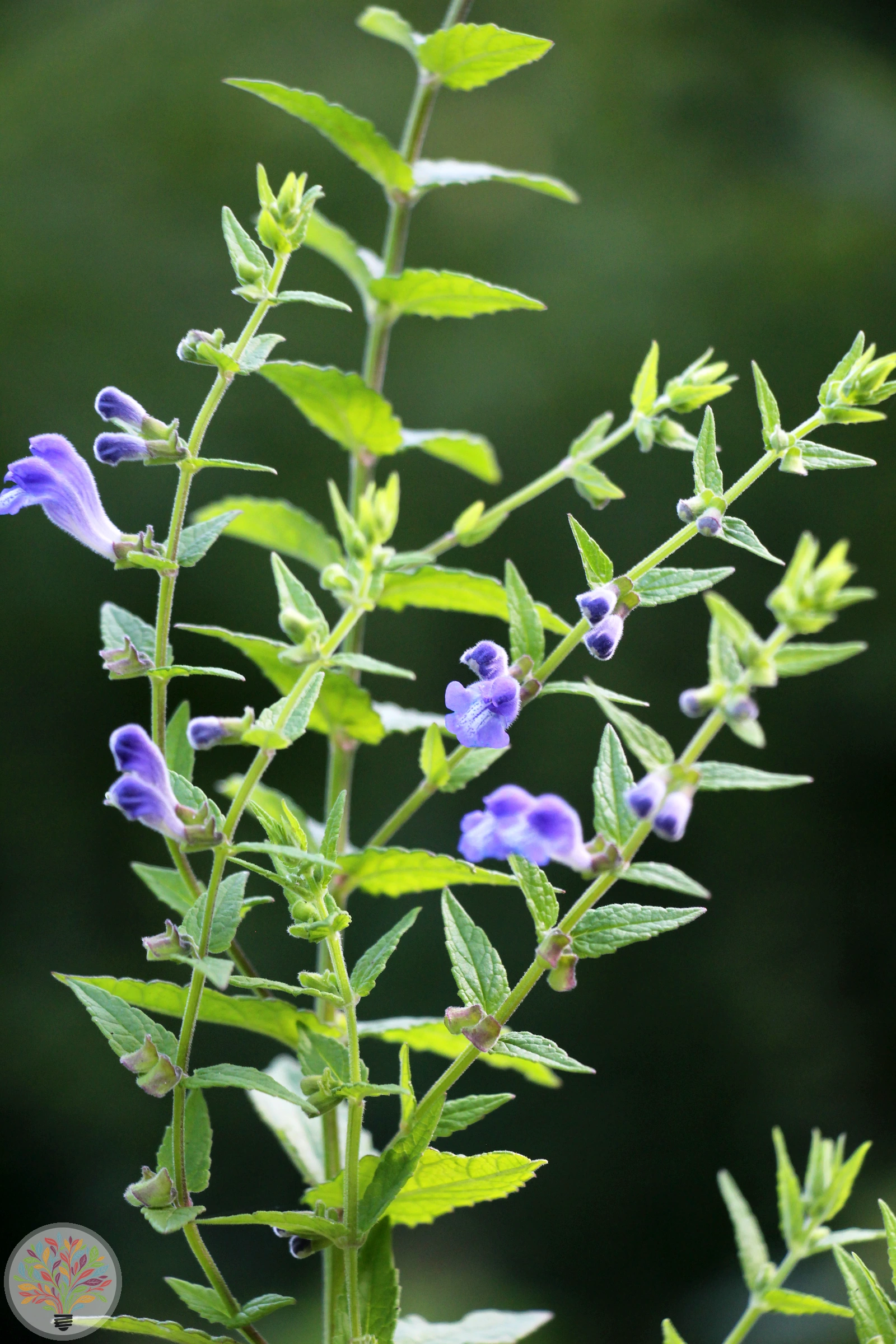
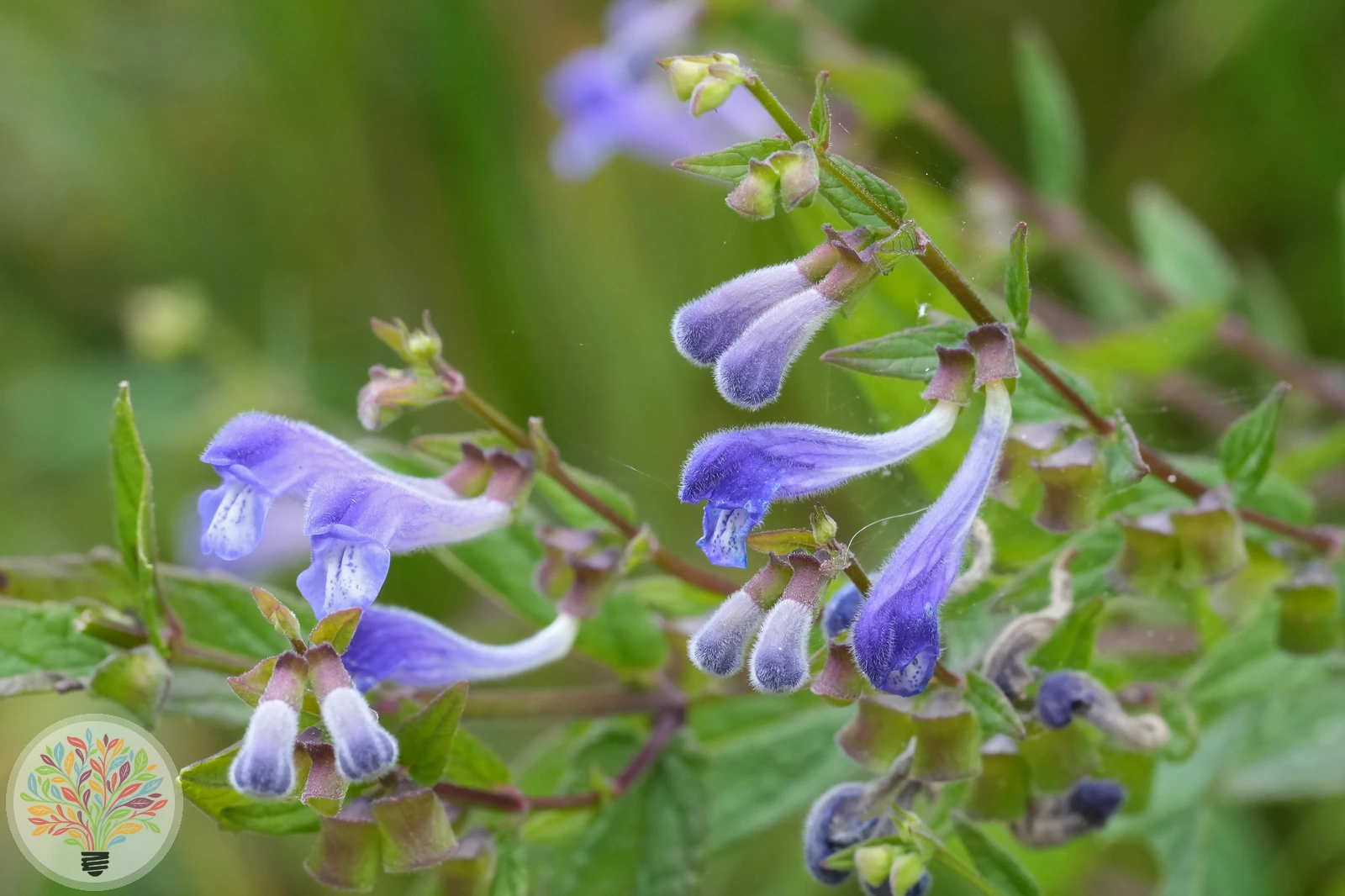
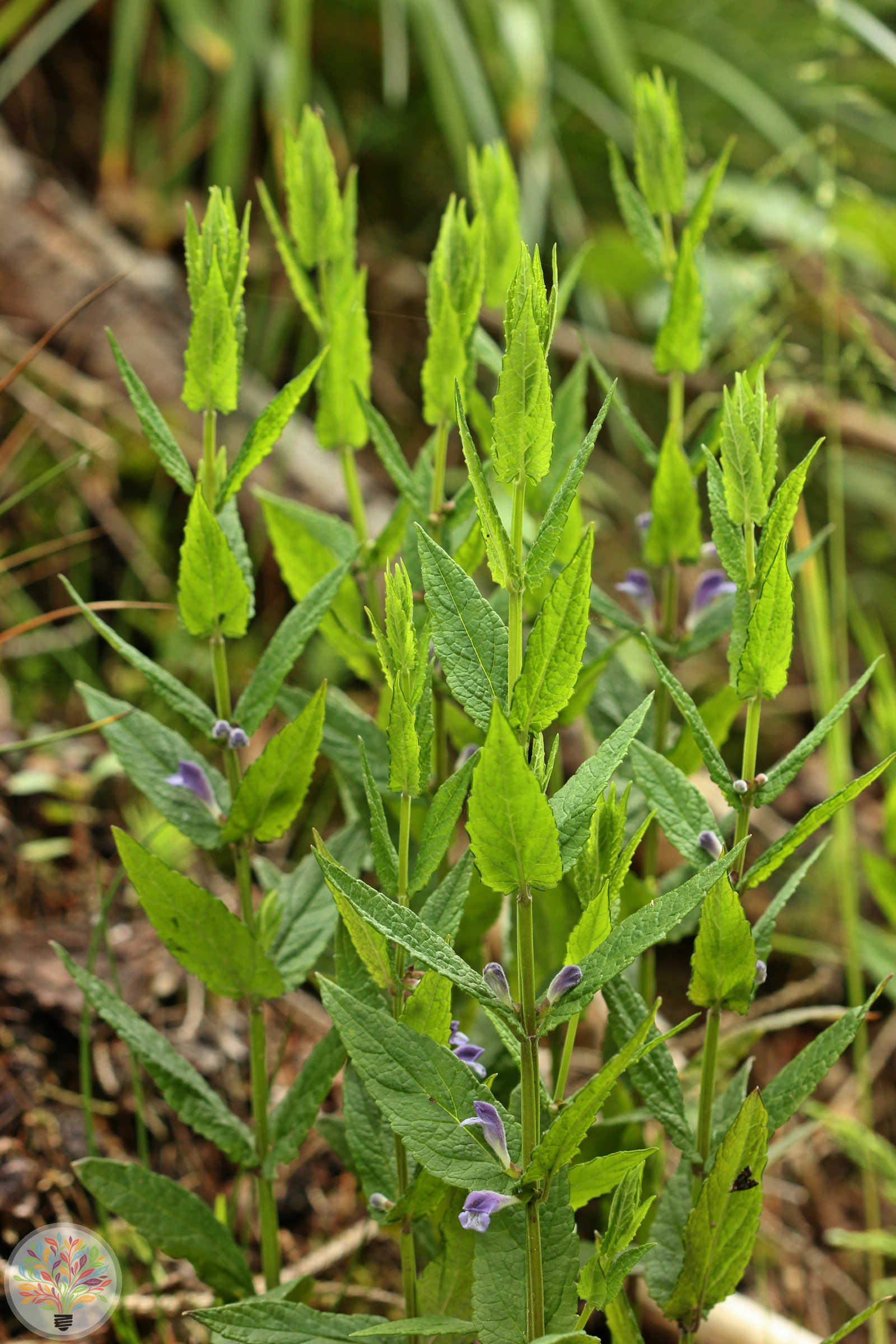
A native herbaceous plant reaching around 23 cm in height, with broad leaves and flowers from June to September. It grows in sunny, wet or moist places on moderately fertile, alkaline soil.
Ecological network
Click to highlight connections · Click again to open species page
Netzwerk wird geladen...
Pollination
Ecological significance
Scutellaria galericulata contributes to local biodiversity by offering nectar and pollen to visiting insects. It is native in Great Britain and forms part of damp, open-ground communities.
Annual cycle
Flowers appear from June through September. The plant is herbaceous and non-woody.
Safety note
No hazards are recorded.
Standort & Merkmale
Light
Sonne
Moisture
Feucht
Soil
Mittelzehrer (Normaler Boden)
Bloom time
Jun – Sep
Soil reaction
Mäßig sauer bis neutral
Bioregion
Continental
Nectar value
2
Pollen value
2
Growth form
Krautige Pflanze
Woodiness
Nicht verholzt
Leaf type
Breitblättrig
Plant height
0.235 m
Morphological traits: TRY ID3 (CC BY 3.0) & TRY ID81 (CC BY)
Pflege & Anbau
This species is best suited to a sunny position with permanently moist to wet soil that is neutral to alkaline and of moderate fertility. It associates with arbuscular mycorrhizal fungi, so undisturbed soil is beneficial. Avoid salty conditions.
Scientific profile
Scutellaria galericulata is a native wild plant in Great Britain. It is a non-woody, terrestrial herb growing typically to about 23 cm tall, with broad leaves. The species flowers between June and September. It has a strong preference for full sun and moist to wet soils, and it occurs on substrates that are neutral to alkaline in reaction. Nutrient requirements are moderate. It is associated with arbuscular mycorrhizal fungi and can tolerate only low levels of physical disturbance. It is not salt tolerant. The flowers provide a modest amount of nectar and pollen for visiting insects.
Bestäuber & Besucher
11 Arten interagieren mit dieser Pflanze
Bombus jonellusBombus muscorumBombus pascuorumMuschampia tessellumMuschampia mohammedCarcharodus lavatheraeCarcharodus orientalisCarcharodus flocciferaMelitaea didymaBombus hortorumPlatycheirus albimanus
Sources & data origin
•TRY v6.0 / BiolFlor flowering phenology (Request 47350) — CC BY 4.0TRY request 47350 (Public, Data Released, TRY v6.0; 2026-02-15). Cite TRY: Kattge et al. (2020), doi:10.1111/gcb.14904; original source: Trefflich, A., Klotz, S. & Kühn, I. (2002). Blühphänologie. BIOLFLOR, Schriftenreihe für Vegetationskunde 38:127–131.
•Interaktionsdaten via GloBI (CC-BY 4.0)
•Middleton-Welling_2020
•pollinator_interactions
•FloraWeb / BfN
•EIVE 1.0 — Dengler et al. (2023), DOI: 10.3897/VCS.98324 (CC BY 4.0)
•EuPPollNet — Kuppler et al. (2025), DOI: 10.1111/geb.70000 (CC BY 4.0)
•Database of Pollinator Interactions (DoPI) — Pocock et al. (2022), DOI: 10.1002/ecy.3801 (CC BY)
•GBIF Backbone Taxonomy — GBIF Secretariat (2024), DOI: 10.15468/39omei (CC BY 4.0)
•TRY Categorical Traits (ID3) — Kattge et al. (2012), DOI: 10.17871/TRY.3 (CC BY 3.0)
•TRY Global Spectrum (ID81) — Díaz et al. (2016/2021), DOI: 10.17871/TRY.81 (CC BY)
•Govaerts R et al. (2025) — World Checklist of Vascular Plants (WCVP) v14. Royal Botanic Gardens, Kew. DOI: 10.34885/xs7h-ze42 (CC BY 4.0)
•Foto: © Orest Lyzhechka / Adobe Stock / AdobeStock_883371223
All data is licensed under CC BY 4.0, CC0, or compatible. Attribution according to license terms. Full source overview →