Senecio vulgaris
Senecio vulgaris
FamilyGenus: Senecioheimisch in Deutschland
🌿
30
Species
interact
🔗
33
Interactions
documented
🐛
21
Host relationships
Species
About this species
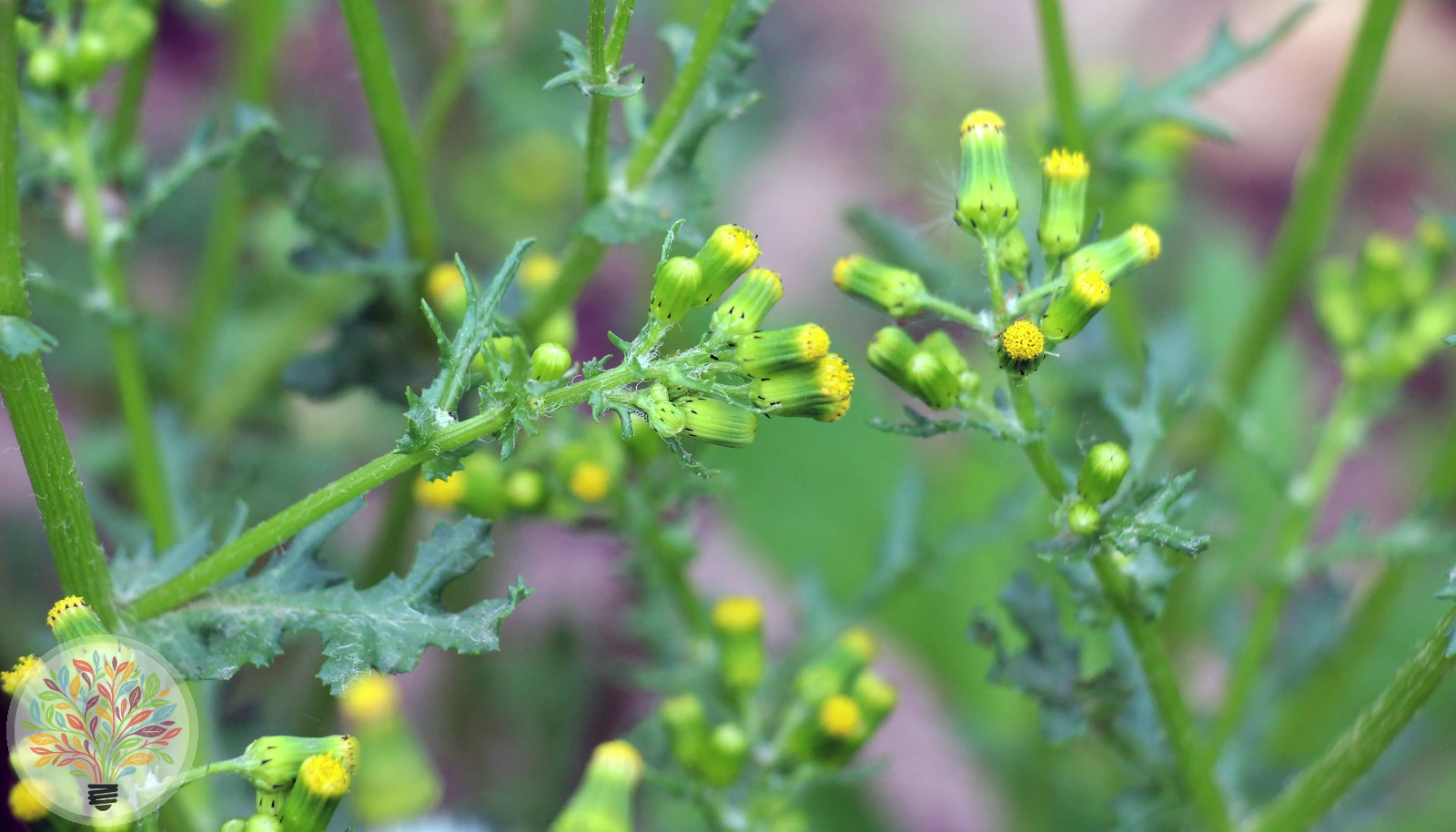
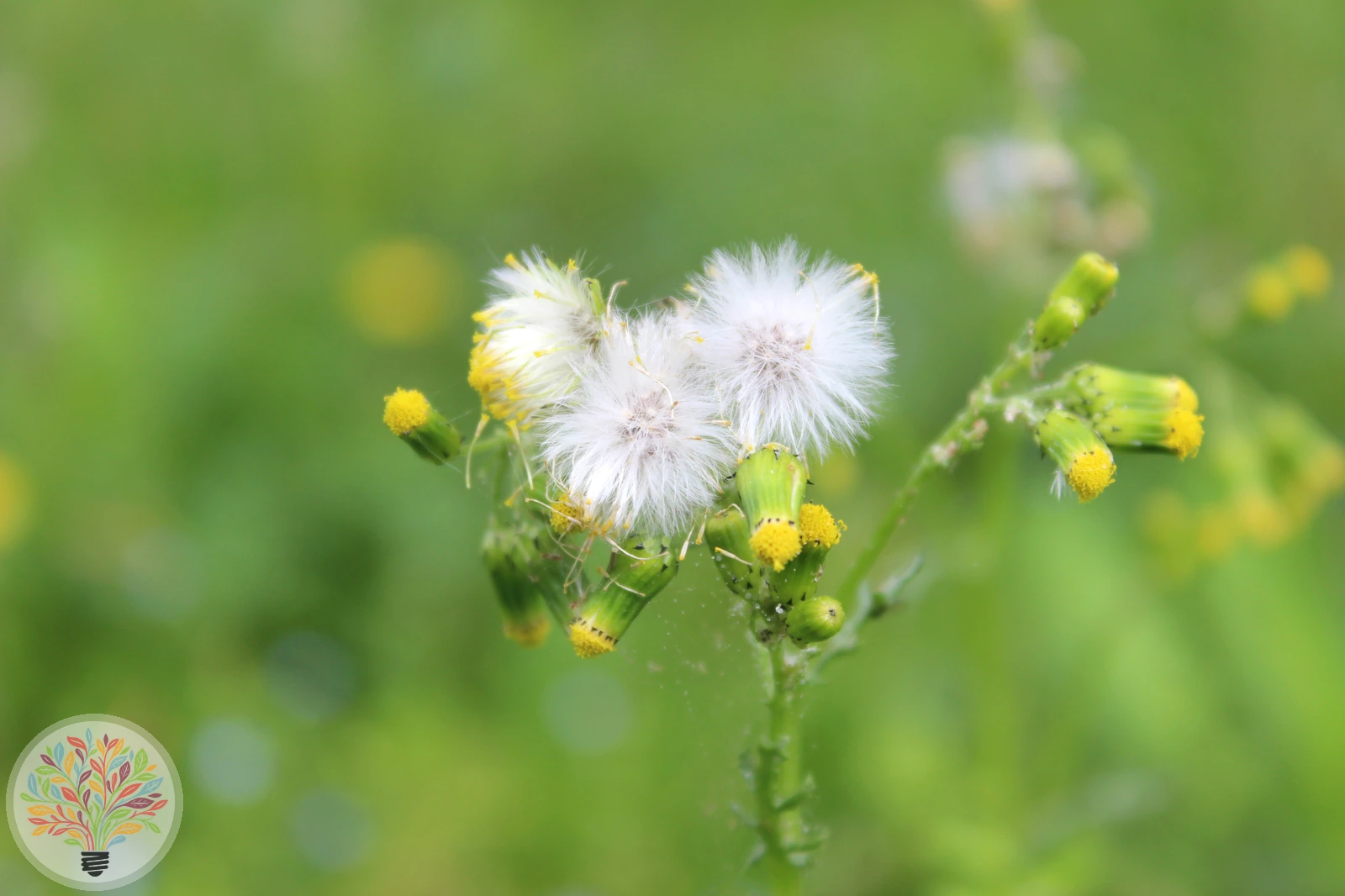
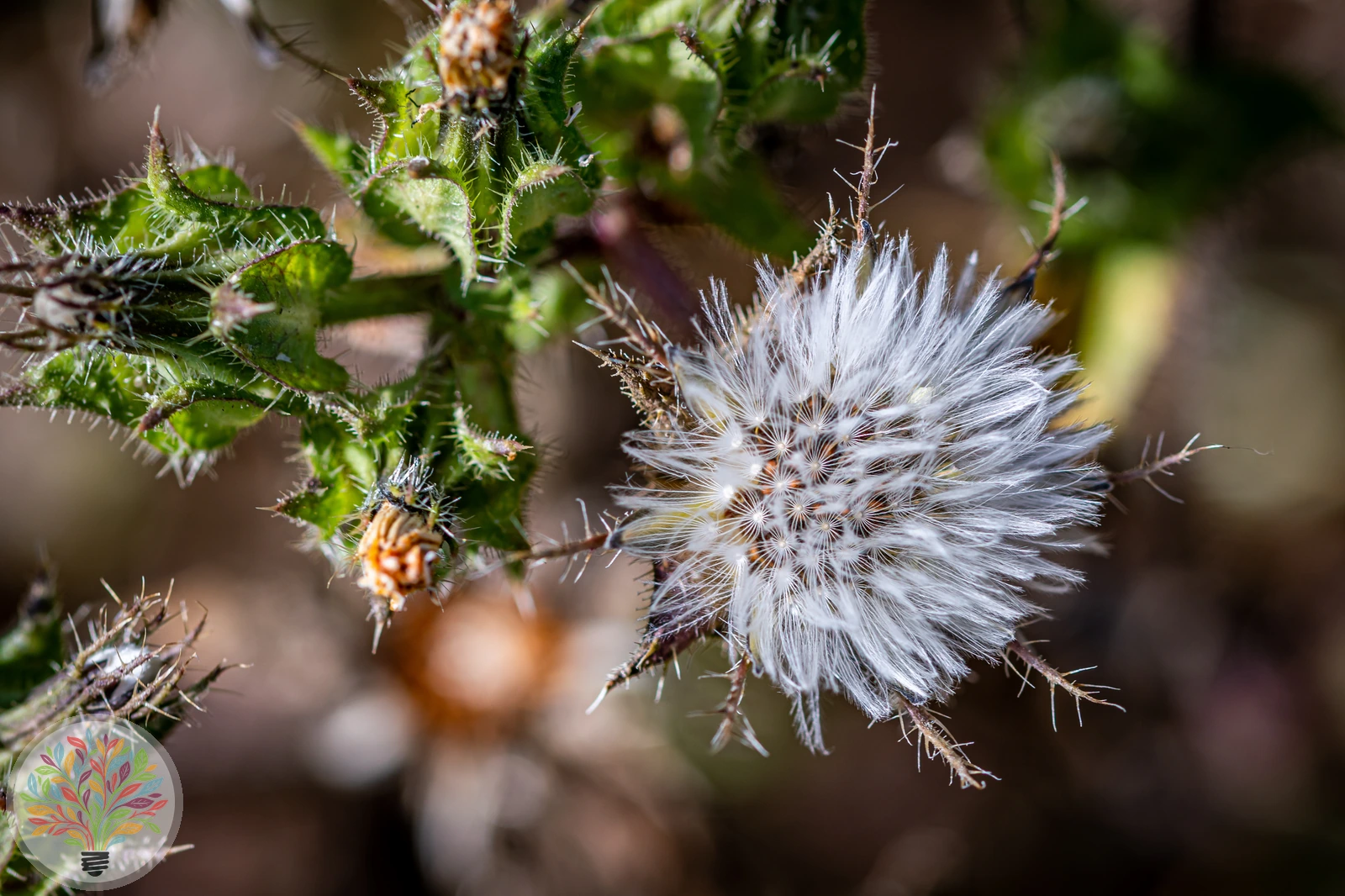
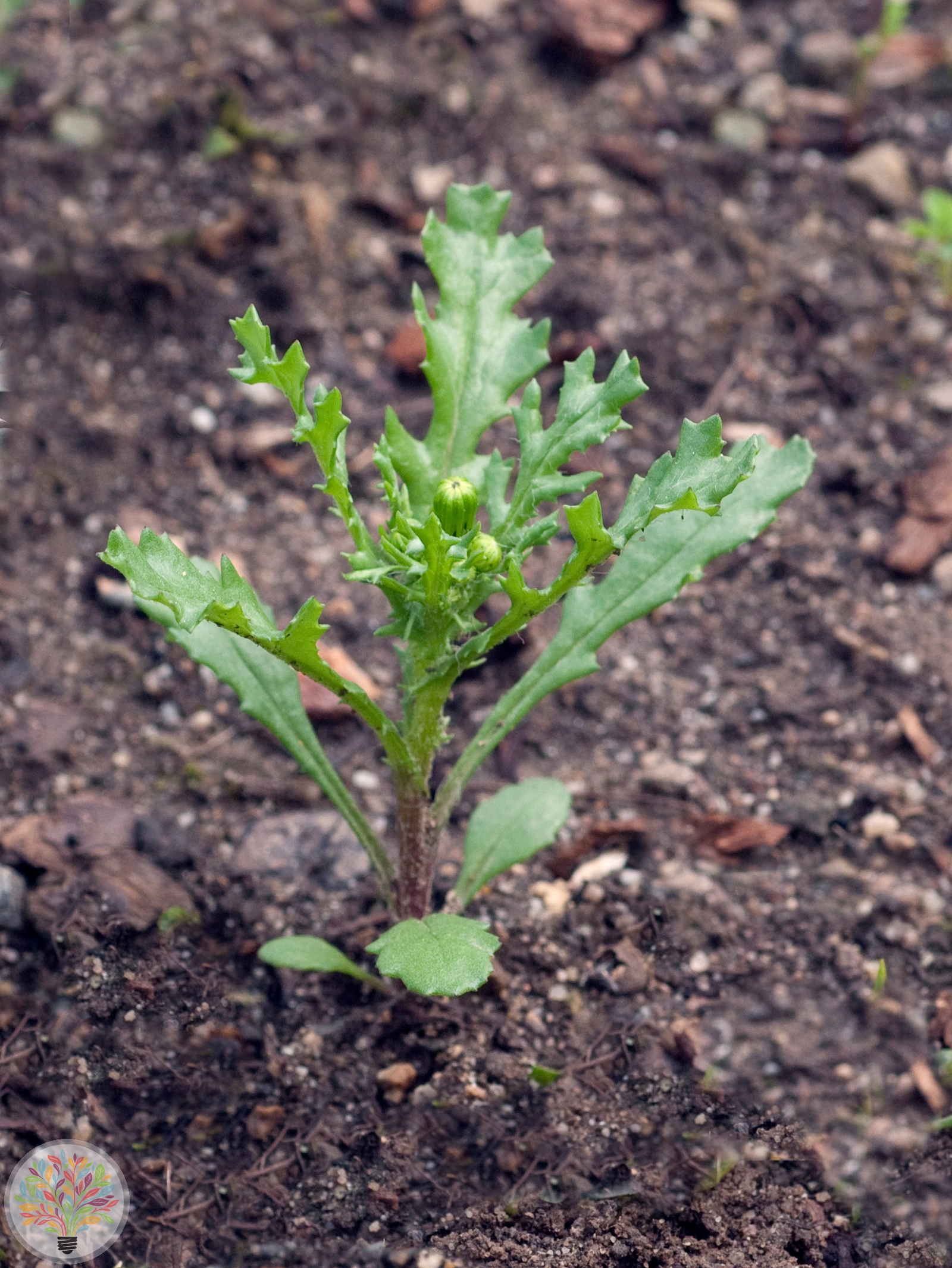
A native, herbaceous annual of the Asteraceae family, common in open, disturbed ground. It flowers from February to November and is adapted to sunny, nutrient-rich soils.
Ecological network
Click to highlight connections · Click again to open species page
Netzwerk wird geladen...
PollinationLarval hostFlower visit
Ecological significance
It grows in nutrient-rich, disturbed sites and forms part of the spontaneous flora of such habitats. No further detailed ecological impact information is available.
Annual cycle
Flowering spans February to November. As an annual, germination, growth, reproduction and death are completed within a single year.
Safety note
No specific safety information is available.
Standort & Merkmale
Light
Sonne
Moisture
Frisch (Mäßig feucht)
Soil
Starkzehrer (Nährstoffreicher/Fetter Boden)
Bloom time
Feb – Nov
Soil reaction
Mäßig sauer bis neutral
Bioregion
Continental
Growth form
Krautige Pflanze
Woodiness
Nicht verholzt
Leaf type
Breitblättrig
Plant height
0.284 m
Morphological traits: TRY ID3 (CC BY 3.0) & TRY ID81 (CC BY)
Pflege & Anbau
This species is an annual that completes its life cycle rapidly in open, sunny places with fertile, fresh soil. It does not require cultivation beyond what its natural habitat provides.
Scientific profile
Senecio vulgaris is a herbaceous annual that grows to about 0.28 m in height. Its leaves are broad and the plant remains entirely non-woody. Flowering can occur over an exceptionally long season, starting in February and continuing into November. The species is a light-demanding plant of sunny habitats, requiring fresh (moderately moist) conditions and strongly nutrient-rich soils. It favours a neutral to slightly acid soil reaction, shows no tolerance of salinity, and tolerates only a low level of physical disturbance. It is listed as Least Concern on the Red List and is native in Great Britain.
Bestäuber & Besucher
7 Arten interagieren mit dieser Pflanze
Lasioglossum malachurumSphaerophoria scriptaPolistes dominulusEristalis nemorumScaeva pyrastriEupeodes corollaeEpisyrphus balteatus
Host relationships
21 species use this plant as a host
idaea rusticataArctia villicaCallimorpha dominulaAutographa jotaAutographa pulchrinaAutographa bracteaRusina ferrugineaAgrochola lychnidisLacanobia thalassinaOchropleura plectaCerastis rubricosaXestia c-nigrumHoplodrina ambiguaPhlogophora meticulosaNaenia typicaAporophyla lutulentaEuplagia quadripunctariaAntitype chiXylena exsoletaTyria jacobaeaeEupithecia centaureata
Other flower visitors
2 other species visit the flowers
Meligethes aeneusSiphona cristata
Sources & data origin
•TRY v6.0 / BiolFlor flowering phenology (Request 47350) — CC BY 4.0TRY request 47350 (Public, Data Released, TRY v6.0; 2026-02-15). Cite TRY: Kattge et al. (2020), doi:10.1111/gcb.14904; original source: Trefflich, A., Klotz, S. & Kühn, I. (2002). Blühphänologie. BIOLFLOR, Schriftenreihe für Vegetationskunde 38:127–131.
•Cook et al. (2025) UK Butterfly & Moth Traits (DOI: 10.5285/dbc7cc17-cbbd-49dd-bab4-8e8855768d66)
•pollinator_interactions
•FloraWeb / BfN
•EIVE 1.0 — Dengler et al. (2023), DOI: 10.3897/VCS.98324 (CC BY 4.0)
•GBIF Backbone Taxonomy — GBIF Secretariat (2024), DOI: 10.15468/39omei (CC BY 4.0)
•TRY Categorical Traits (ID3) — Kattge et al. (2012), DOI: 10.17871/TRY.3 (CC BY 3.0)
•TRY Global Spectrum (ID81) — Díaz et al. (2016/2021), DOI: 10.17871/TRY.81 (CC BY)
•Govaerts R et al. (2025) — World Checklist of Vascular Plants (WCVP) v14. Royal Botanic Gardens, Kew. DOI: 10.34885/xs7h-ze42 (CC BY 4.0)
•Foto: © Orest Lyzhechka / Adobe Stock / AdobeStock_808232483
All data is licensed under CC BY 4.0, CC0, or compatible. Attribution according to license terms. Full source overview →