Sherardia arvensis
Sherardia arvensis
FamilyGenus: Sherardiaheimisch in Deutschland
🌿
17
Species
interact
🔗
44
Interactions
documented
About this species
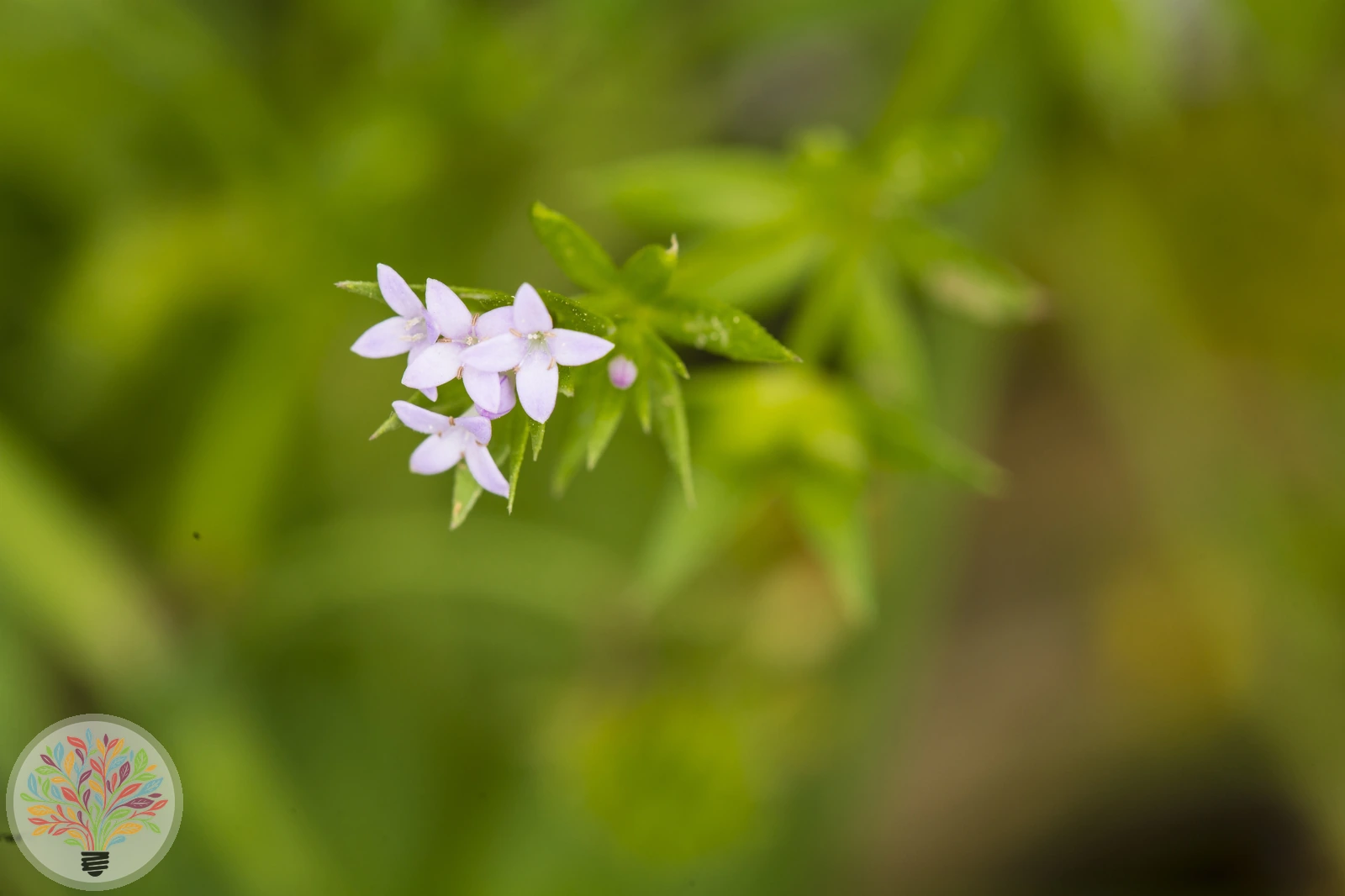
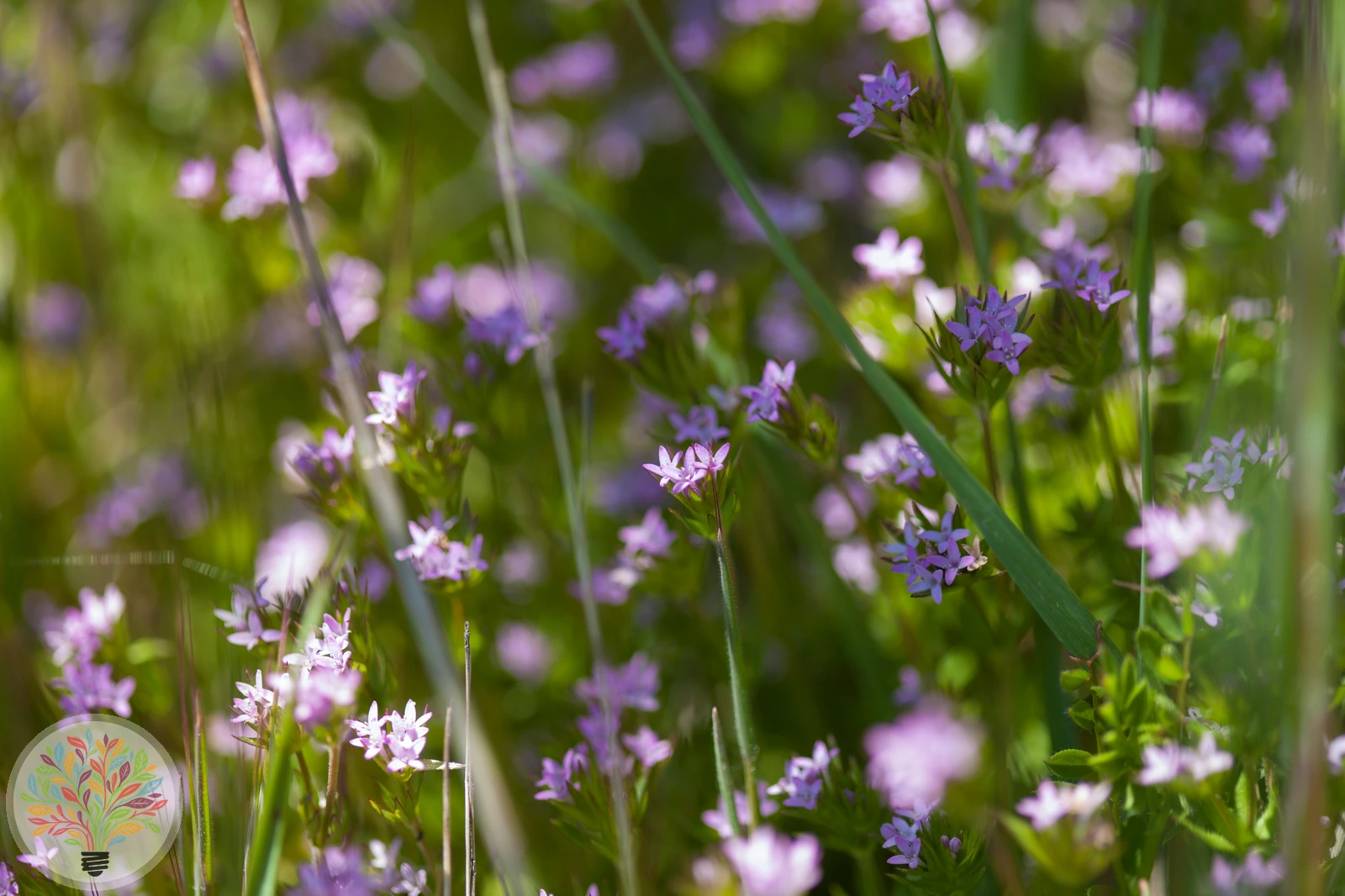
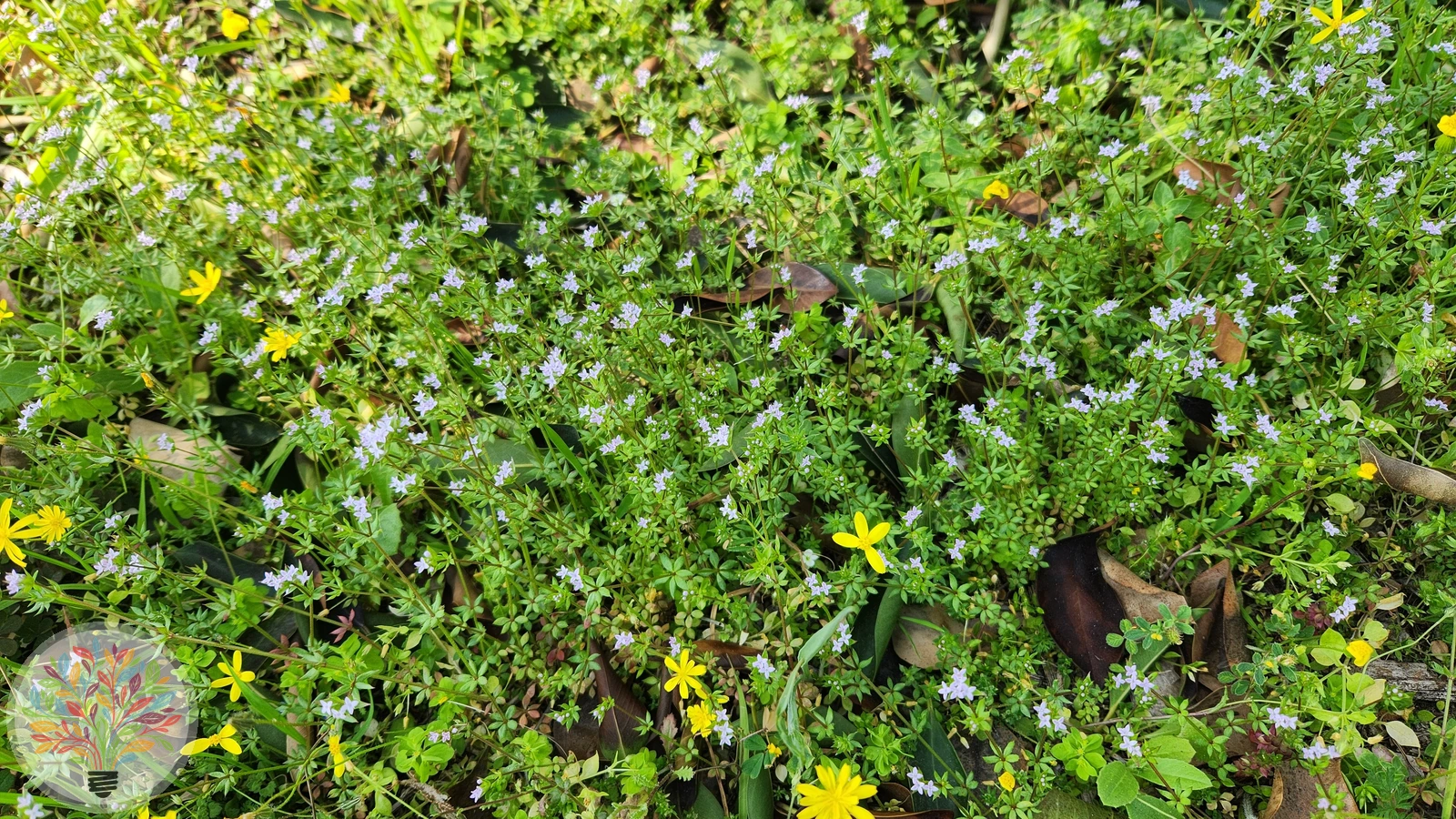
A native, herbaceous wildflower of the bedstraw family that blooms with small lilac or pink flowers from June to October, providing nectar and pollen for insects. It thrives in sunny, moderately moist, calcareous soils.
Ecological network
Click to highlight connections · Click again to open species page
Netzwerk wird geladen...
PollinationFlower visit
Ecological significance
The flowers offer nectar and pollen, supporting pollinating insects.
Annual cycle
Vegetative growth occurs in spring, with flowering from June to October. After pollination, seeds develop and are shed later in the season.
Standort & Merkmale
Light
Sonne
Moisture
Frisch (Mäßig feucht)
Soil
Mittelzehrer (Normaler Boden)
Bloom time
Jun – Okt
Soil reaction
Basisch / Kalkhold
Bioregion
Continental
Nectar value
3
Pollen value
3
Growth form
Krautige Pflanze
Woodiness
Nicht verholzt
Leaf type
Breitblättrig
Plant height
0.114 m
Morphological traits: TRY ID3 (CC BY 3.0) & TRY ID81 (CC BY)
Pflege & Anbau
Prefers a sunny position with moderately moist, well-drained soil. Grows best on calcareous or neutral to alkaline substrates of normal fertility.
Scientific profile
Sherardia arvensis is a native herbaceous plant in Great Britain, belonging to the bedstraw family (Rubiaceae). It reaches about 11 cm in height and bears broad leaves; the plant is non-woody and forms arbuscular mycorrhizal associations. It favours sunny positions with moderately moist, fresh soil and a calcareous to basic reaction zone; nutrient requirements are normal. The species shows a preference for sites with only low disturbance and occurs in moderately warm temperatures. Blooming runs from June through October; the small flowers yield moderate amounts of nectar and pollen, attracting insect visitors.
Bestäuber & Besucher
13 Arten interagieren mit dieser Pflanze
Andrena clarkellaAndrena praecoxDiphyus quadripunctoriusApis melliferaCoenonympha pamphilusLasioglossum marginatumSphaerophoria scriptaAndrena bicolorAndrena simontornyellaEupeodes corollaeLasioglossum calceatumSphecodes majalisEristalis nemorum
Other flower visitors
4 other species visit the flowers
Sources & data origin
•TRY v6.0 / BiolFlor flowering phenology (Request 47350) — CC BY 4.0TRY request 47350 (Public, Data Released, TRY v6.0; 2026-02-15). Cite TRY: Kattge et al. (2020), doi:10.1111/gcb.14904; original source: Trefflich, A., Klotz, S. & Kühn, I. (2002). Blühphänologie. BIOLFLOR, Schriftenreihe für Vegetationskunde 38:127–131.
•Interaktionsdaten via GloBI (CC-BY 4.0)
•pollinator_interactions
•FloraWeb / BfN
•EIVE 1.0 — Dengler et al. (2023), DOI: 10.3897/VCS.98324 (CC BY 4.0)
•EuPPollNet — Kuppler et al. (2025), DOI: 10.1111/geb.70000 (CC BY 4.0)
•Database of Pollinator Interactions (DoPI) — Pocock et al. (2022), DOI: 10.1002/ecy.3801 (CC BY)
•GBIF Backbone Taxonomy — GBIF Secretariat (2024), DOI: 10.15468/39omei (CC BY 4.0)
•TRY Categorical Traits (ID3) — Kattge et al. (2012), DOI: 10.17871/TRY.3 (CC BY 3.0)
•TRY Global Spectrum (ID81) — Díaz et al. (2016/2021), DOI: 10.17871/TRY.81 (CC BY)
•Govaerts R et al. (2025) — World Checklist of Vascular Plants (WCVP) v14. Royal Botanic Gardens, Kew. DOI: 10.34885/xs7h-ze42 (CC BY 4.0)
•Foto: © Adobe Stock / AdobeStock_277379139
All data is licensed under CC BY 4.0, CC0, or compatible. Attribution according to license terms. Full source overview →