Sinapis arvensis
Sinapis arvensis
FamilyGenus: Sinapisheimisch in Deutschland
🌿
76
Species
interact
🔗
267
Interactions
documented
🐛
3
Host relationships
Species
About this species
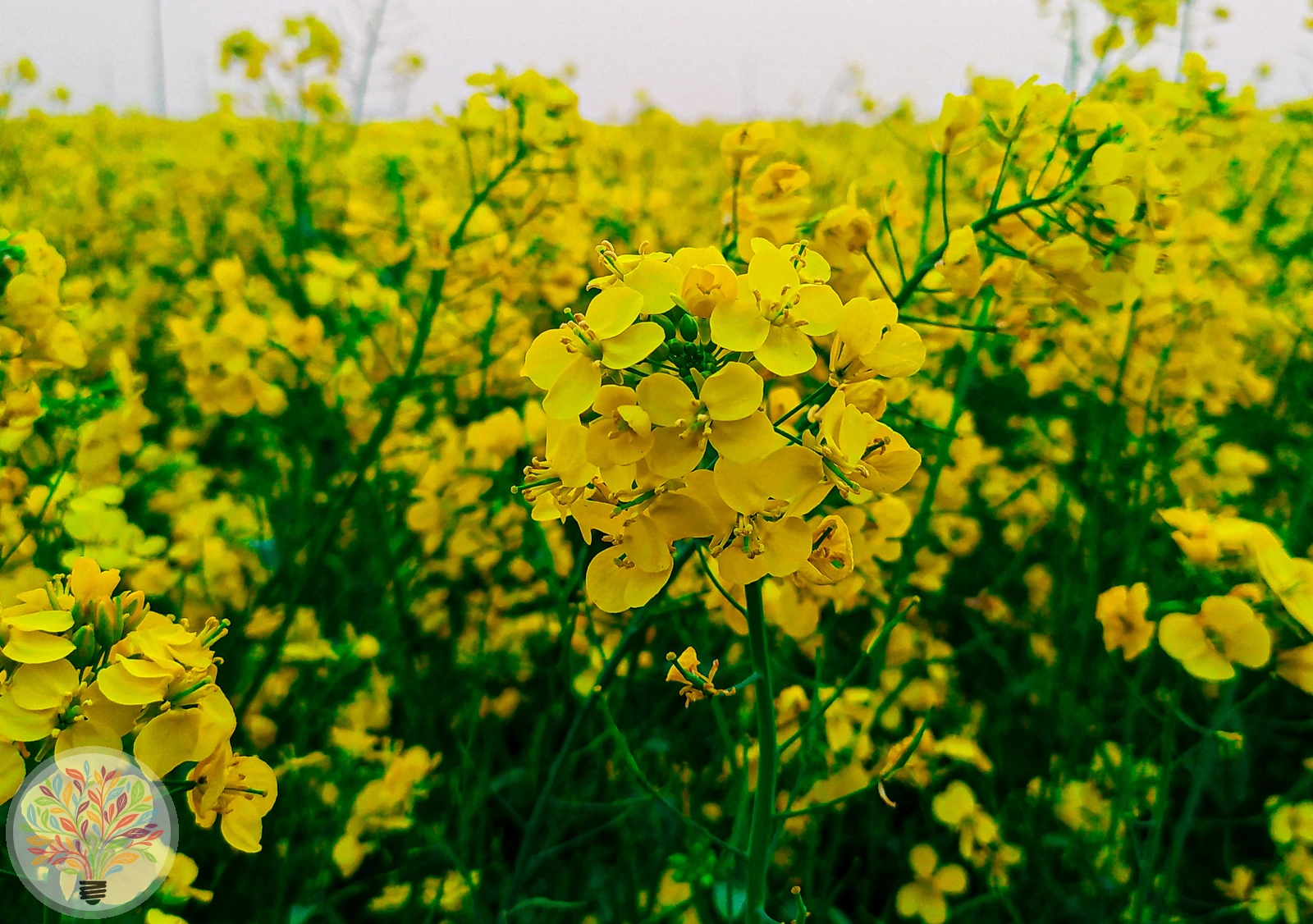
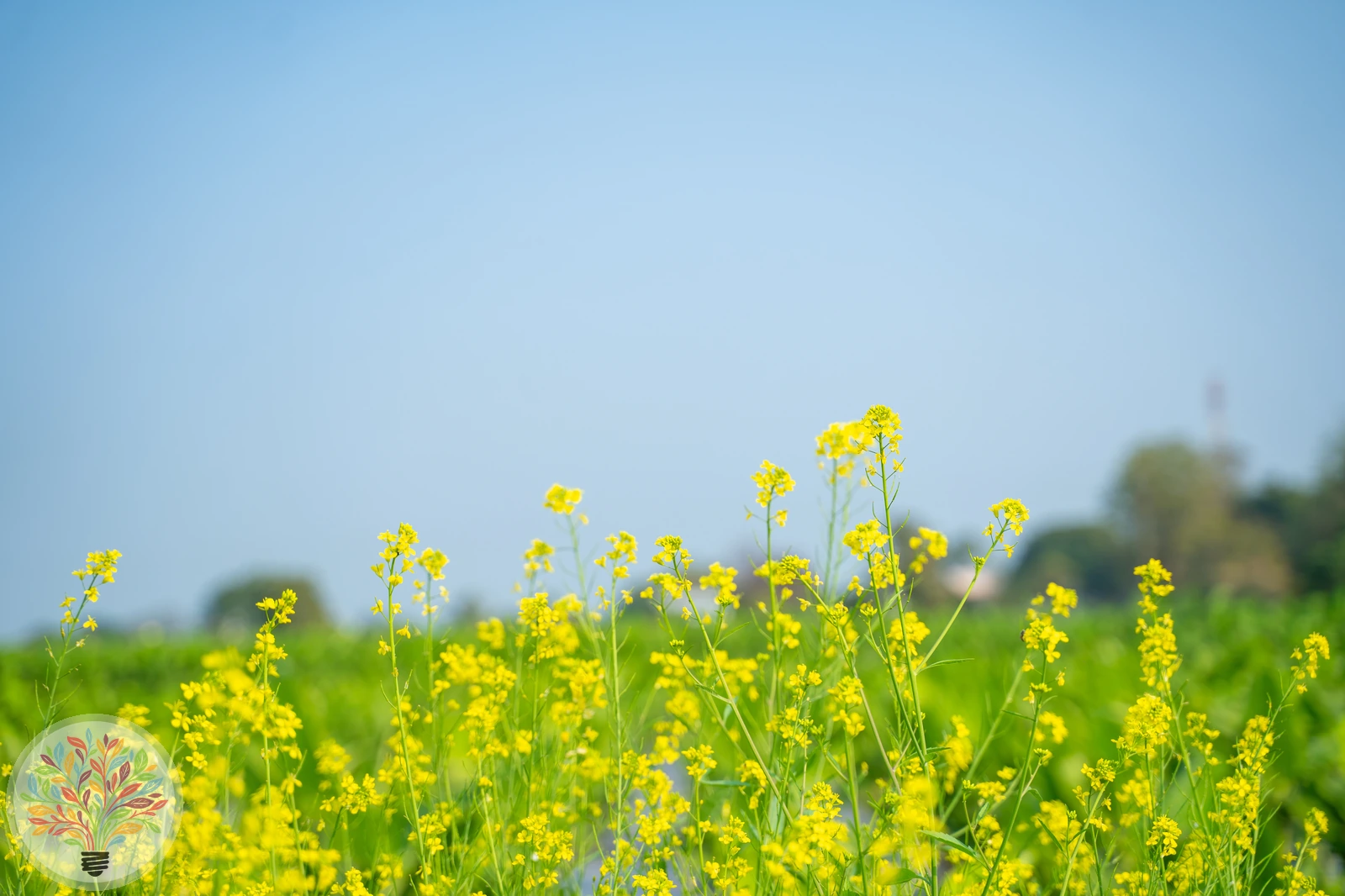
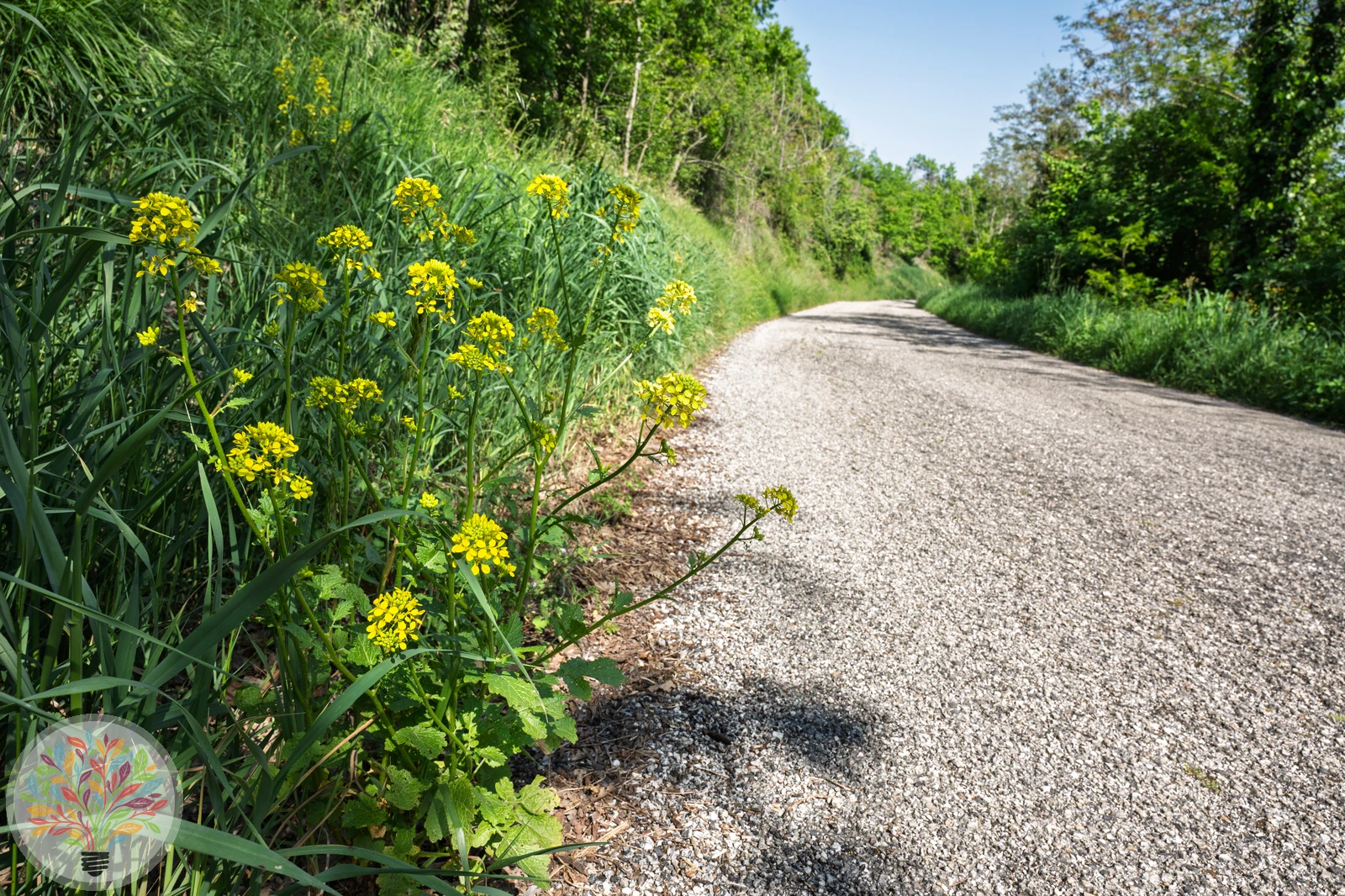
Sinapis arvensis is an archaeophyte crucifer established in Great Britain, bearing typical four-petalled yellow flowers from early summer into autumn. It favours sunny, nutrient-rich sites with fresh, moderately moist soil.
Ecological network
Click to highlight connections · Click again to open species page
Netzwerk wird geladen...
PollinationLarval hostFlower visit
Ecological significance
No detailed ecological roles are recorded in this profile.
Annual cycle
Flowering occurs from June through to October. Seeds ripen and are shed later in the season.
Standort & Merkmale
Light
Sonne
Moisture
Frisch (Mäßig feucht)
Soil
Starkzehrer (Nährstoffreicher/Fetter Boden)
Bloom time
Jun – Okt
Soil reaction
Basisch / Kalkhold
Bioregion
Continental
Growth form
Krautige Pflanze
Woodiness
Nicht verholzt
Leaf type
Breitblättrig
Plant height
0.453 m
Morphological traits: TRY ID3 (CC BY 3.0) & TRY ID81 (CC BY)
Pflege & Anbau
Choose a sunny position with moisture-retentive but free-draining soil that is rich in nutrients. Sow seeds in spring directly where they are to flower. Plants will self-seed readily; deadheading can limit spread if desired. Beyond watering during prolonged dry spells, no special maintenance is required.
Scientific profile
Sinapis arvensis is a herbaceous, broad-leaved member of the cabbage family (Brassicaceae). It is an archaeophyte in Great Britain, having been introduced in antiquity and now thoroughly established. Plants reach about 45 cm in height, producing upright stems and clusters of bright yellow flowers from June to October. The foliage is non-woody, and the leaves are broad with a leaf area averaging around 71 cm². This species prefers full sun and fresh, moderately moist ground; it is classed as a heavy feeder, thriving on nutrient-rich soils. It is not currently considered threatened (red list *).
Bestäuber & Besucher
49 Arten interagieren mit dieser Pflanze
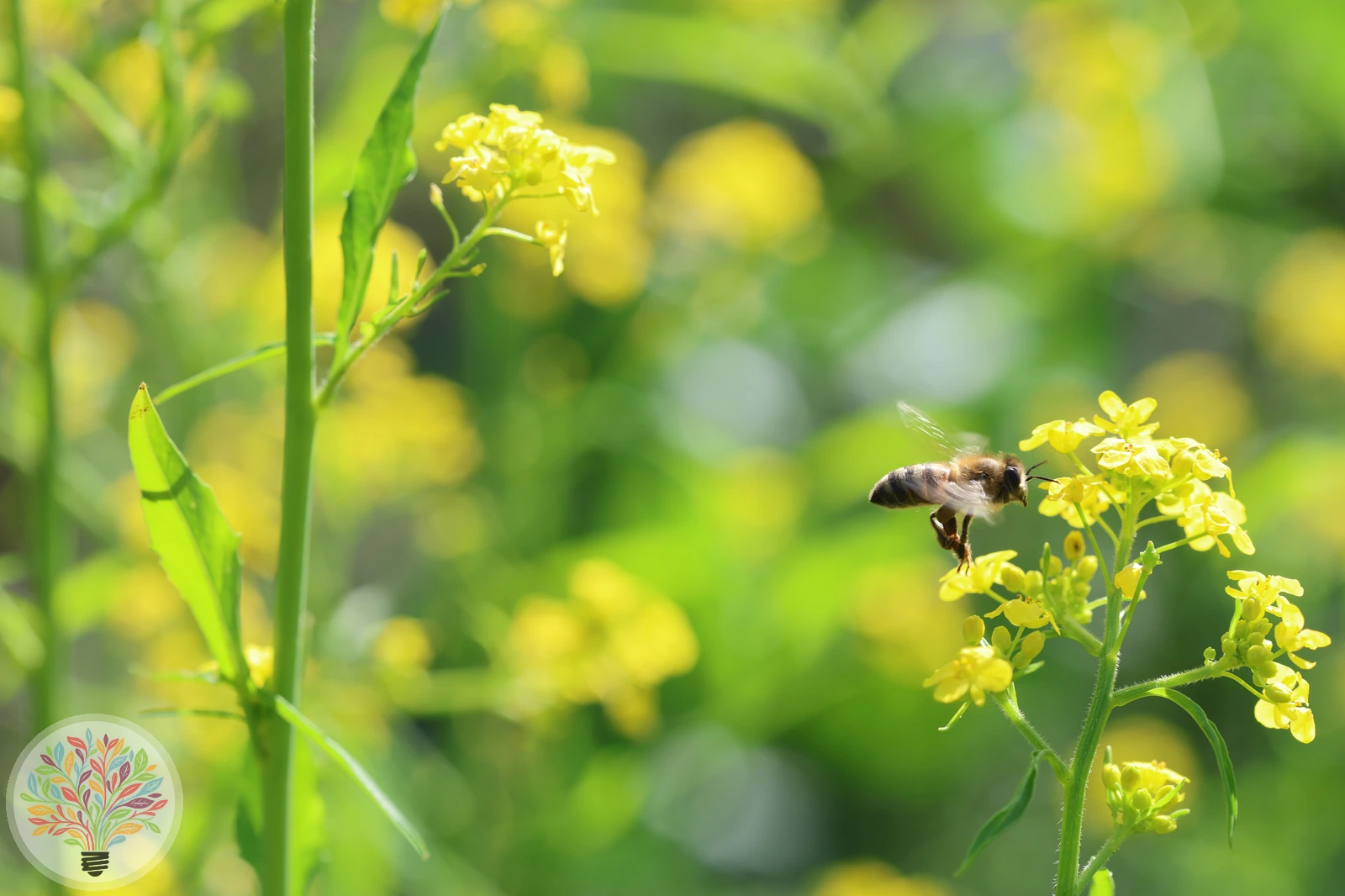
Bombus soroeensisBombus lucorumBombus hypnorumBombus ruderariusBombus terrestrisBombus lapidariusBombus pratorumAndrena lagopusAndrena chrysoscelesAndrena dorsataAndrena flavipesAndrena haemorrhoaBombus veteranusLasioglossum.laticepsHylaeus imparilisAndrena minutulaAndrena verticalisBombus humilisPlatycheirus manicatusPieris brassicaeAndrena scoticaAndrena nitidaLasioglossum laevigatumLasioglossum albipesEpistrophe eligansEristalis tenaxEristalis pertinaxPlatycheirus albimanusAndrena barbilabrisAndrena labiataBombus semenoviellusAndrena optataLasioglossum smeathmanellumEristalis nemorumMelanostoma mellinumEupeodes corollaeEpisyrphus balteatusSyritta pipiensHalictus tetrazonianellusApis melliferaNomada goodenianaLasioglossum pygmaeumLasioglossum transitoriumLasioglossum pauxillumSphaerophoria scriptaBombus pascuorumLasioglossum marginatumCephus pygmeusAndrena bicolor
Other flower visitors
24 other species visit the flowers
Oxythyrea funestaCoccinella septempunctataIchneumonidae sp. 6Cantharis lateralisEmpis punctataCantharis flavilabrisCetema elongatumCeutorhynchus constrictusChrysocharis pallipesDacnusa temulaDiospilus capitoLonchoptera luteaOscinella fritOlibrus aeneusPhradis morionellusPegoplata aestivaDelia radicumEmpis lividaPnigalio soemiusTropinota squalidaScathophaga stercorariaEmpis tessellataDiglyphus isaeaMeligethes viridescens
Sources & data origin
•TRY v6.0 / BiolFlor flowering phenology (Request 47350) — CC BY 4.0TRY request 47350 (Public, Data Released, TRY v6.0; 2026-02-15). Cite TRY: Kattge et al. (2020), doi:10.1111/gcb.14904; original source: Trefflich, A., Klotz, S. & Kühn, I. (2002). Blühphänologie. BIOLFLOR, Schriftenreihe für Vegetationskunde 38:127–131.
•Cook et al. (2025) UK Butterfly & Moth Traits (DOI: 10.5285/dbc7cc17-cbbd-49dd-bab4-8e8855768d66)
•pollinator_interactions
•FloraWeb / BfN
•EIVE 1.0 — Dengler et al. (2023), DOI: 10.3897/VCS.98324 (CC BY 4.0)
•GBIF Backbone Taxonomy — GBIF Secretariat (2024), DOI: 10.15468/39omei (CC BY 4.0)
•TRY Categorical Traits (ID3) — Kattge et al. (2012), DOI: 10.17871/TRY.3 (CC BY 3.0)
•TRY Global Spectrum (ID81) — Díaz et al. (2016/2021), DOI: 10.17871/TRY.81 (CC BY)
•Govaerts R et al. (2025) — World Checklist of Vascular Plants (WCVP) v14. Royal Botanic Gardens, Kew. DOI: 10.34885/xs7h-ze42 (CC BY 4.0)
•Foto: © Adobe Stock / AdobeStock_1222157645
All data is licensed under CC BY 4.0, CC0, or compatible. Attribution according to license terms. Full source overview →