Trifolium ochroleucon
Trifolium ochroleucon
FamilyGenus: Trifoliumheimisch in Deutschland
🌿
1
Species
interact
🔗
1
Interactions
documented
About this species
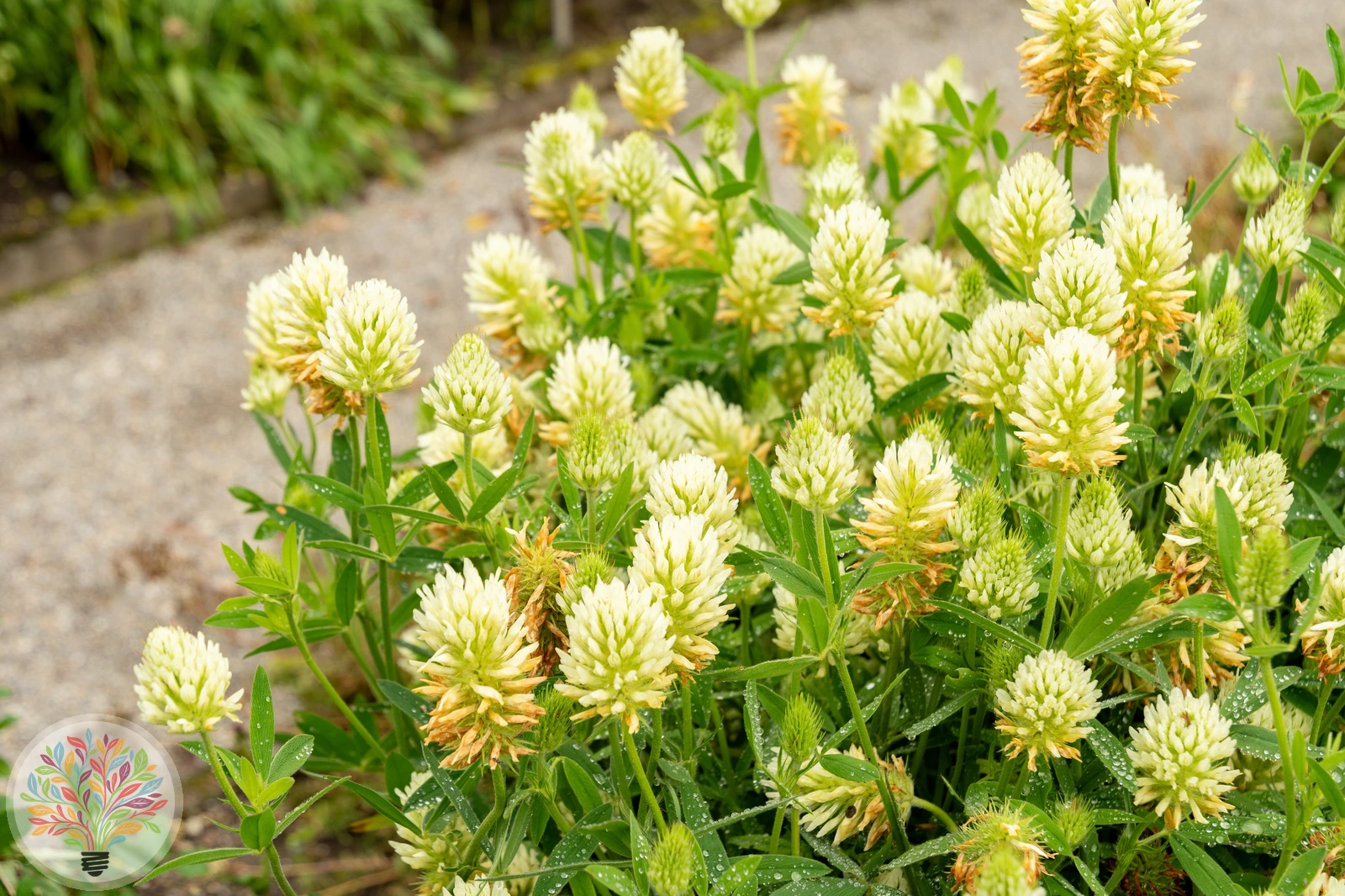
A native wild clover of dry, calcareous grasslands, bearing pale yellow flower heads in early summer.
Ecological network
Click to highlight connections · Click again to open species page
Netzwerk wird geladen...
Pollination
Ecological significance
It contributes to the character of dry, species-rich grassland habitats and may provide forage for pollinators during its flowering period.
Annual cycle
Flowering occurs in June and July. As a herbaceous plant, it emerges in spring and the aerial parts die back in autumn.
Safety note
This clover is not known to be toxic to children.
Standort & Merkmale
Light
Sonne
Moisture
Trocken
Soil
Schwachzehrer (Magerer Boden)
Bloom time
Jun – Jul
Soil reaction
Basisch / Kalkhold
Bioregion
Continental
Growth form
Krautige Pflanze
Woodiness
Nicht verholzt
Leaf type
Breitblättrig
Plant height
0.207 m
Morphological traits: TRY ID3 (CC BY 3.0) & TRY ID81 (CC BY)
Pflege & Anbau
Grow in a sunny spot with very well-drained, poor, lime-rich soil. Water sparingly; the plant tolerates dry conditions. Avoid fertile ground and heavy disturbance.
Scientific profile
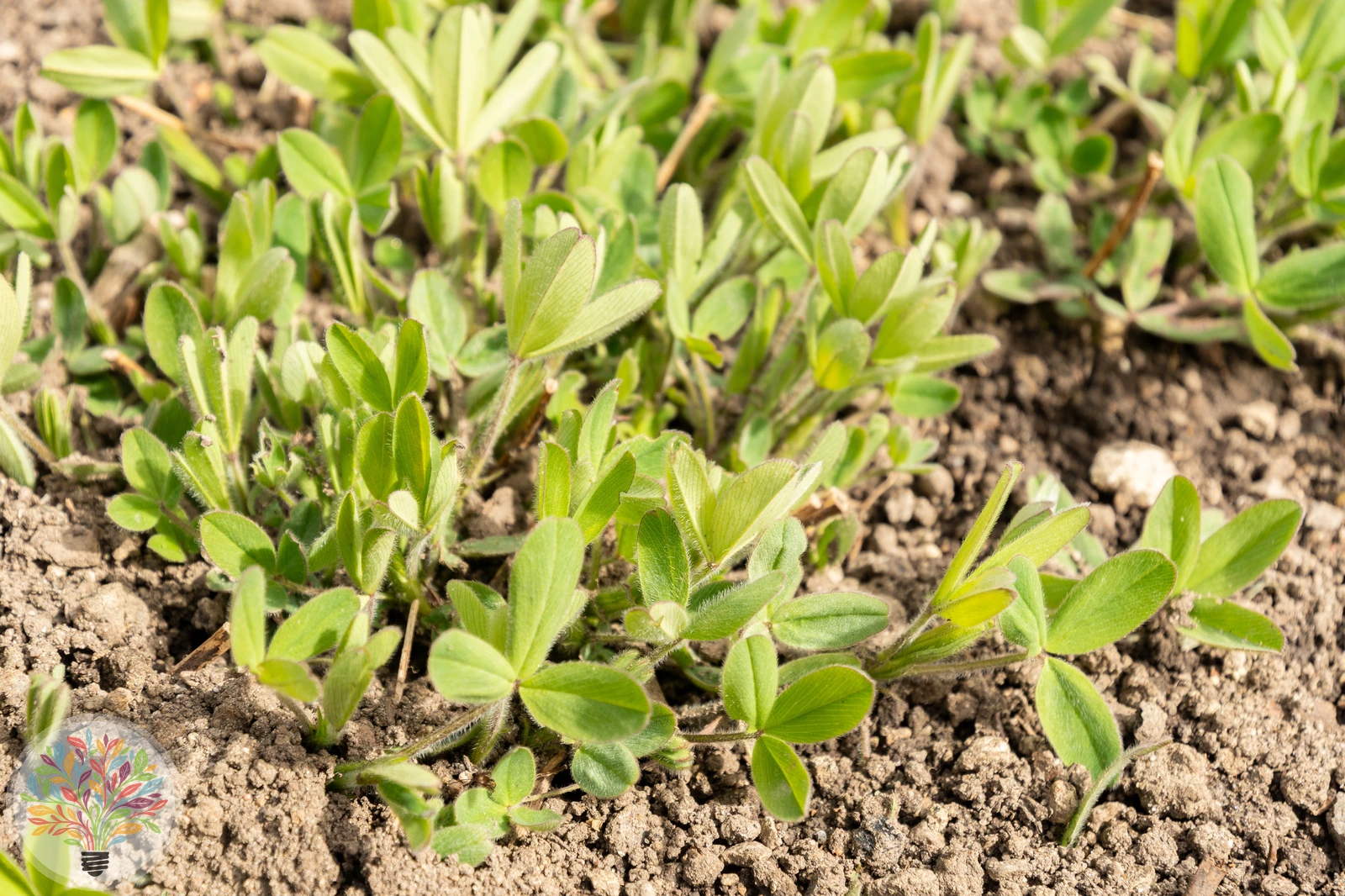
Trifolium ochroleucon is a herbaceous, non-woody plant with broad leaflets and erect, hairy stems. It reaches around 0.2 metres in height. The rounded flower heads are creamy yellow and appear from June to July. It favours sunny, dry locations on low-nutrient, calcareous soils, typically in undisturbed or little-disturbed grassland. The species is native in Great Britain.
Sources & data origin
•TraitCH — CC BY 4.0TraitCH 2.0 contributors; imported as source-preserving NaturKompass taxon evidence.
•TRY v6.0 / BiolFlor flowering phenology (Request 47350) — CC BY 4.0TRY request 47350 (Public, Data Released, TRY v6.0; 2026-02-15). Cite TRY: Kattge et al. (2020), doi:10.1111/gcb.14904; original source: Trefflich, A., Klotz, S. & Kühn, I. (2002). Blühphänologie. BIOLFLOR, Schriftenreihe für Vegetationskunde 38:127–131.
•Interaktionsdaten via GloBI (CC-BY 4.0)
•FloraWeb / BfN
•EIVE 1.0 — Dengler et al. (2023), DOI: 10.3897/VCS.98324 (CC BY 4.0)
•GBIF Backbone Taxonomy — GBIF Secretariat (2024), DOI: 10.15468/39omei (CC BY 4.0)
•TRY Categorical Traits (ID3) — Kattge et al. (2012), DOI: 10.17871/TRY.3 (CC BY 3.0)
•TRY Global Spectrum (ID81) — Díaz et al. (2016/2021), DOI: 10.17871/TRY.81 (CC BY)
•Govaerts R et al. (2025) — World Checklist of Vascular Plants (WCVP) v14. Royal Botanic Gardens, Kew. DOI: 10.34885/xs7h-ze42 (CC BY 4.0)
•Foto: © Adobe Stock / AdobeStock_895162535
All data is licensed under CC BY 4.0, CC0, or compatible. Attribution according to license terms. Full source overview →