Verbascum lychnitis
Verbascum lychnitis
FamilyGenus: Verbascumheimisch in Deutschland
🌿
8
Species
interact
🔗
13
Interactions
documented
About this species
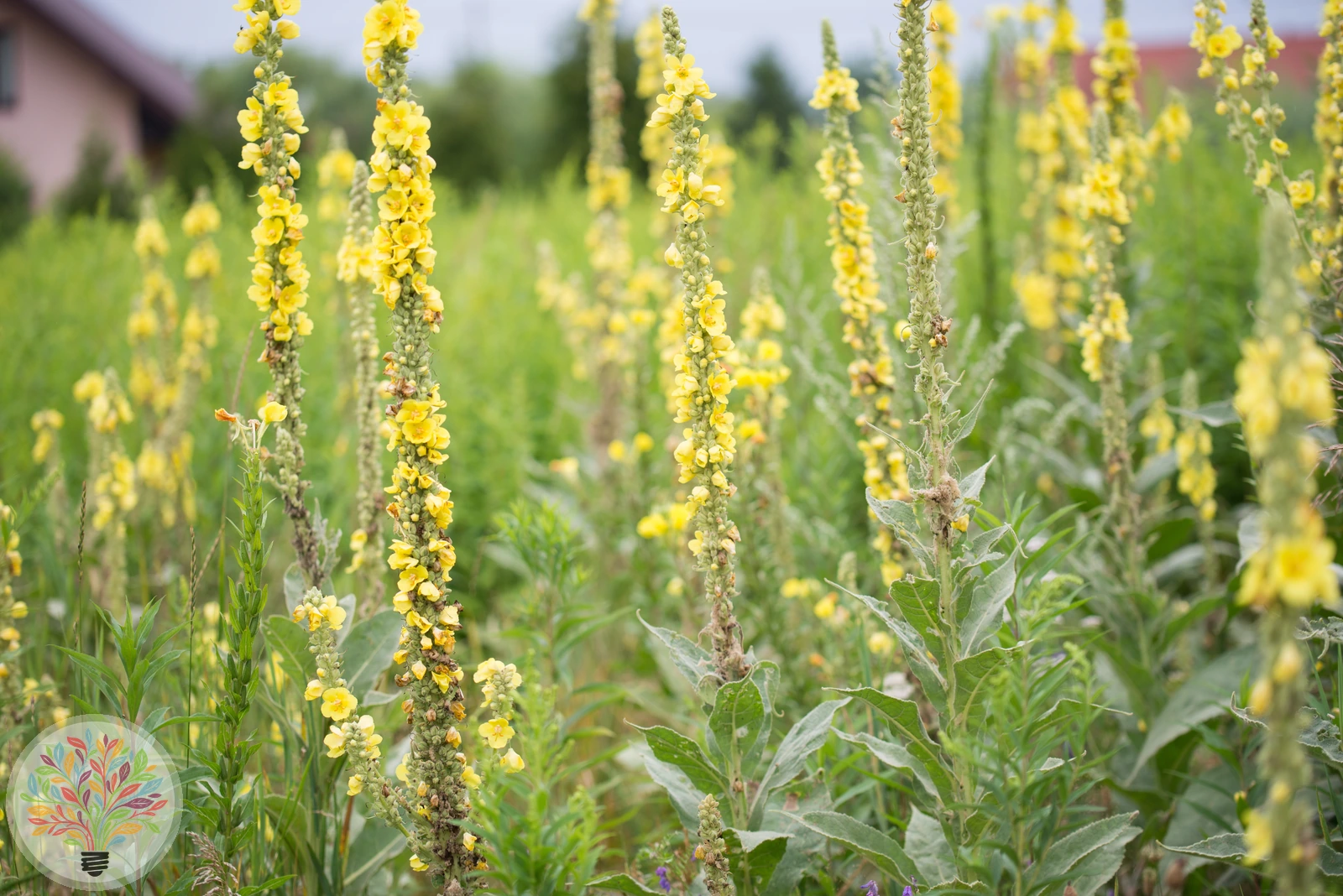
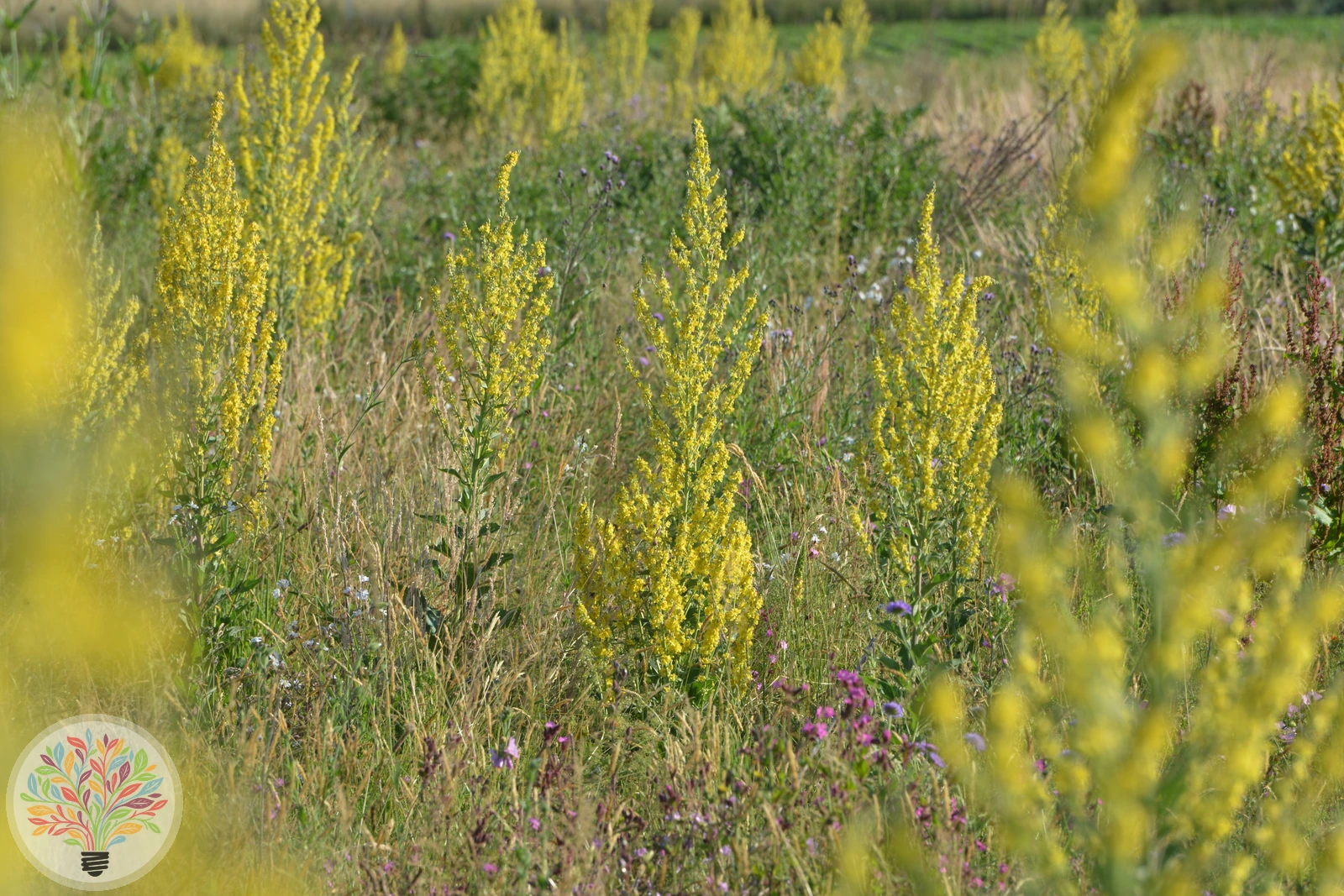
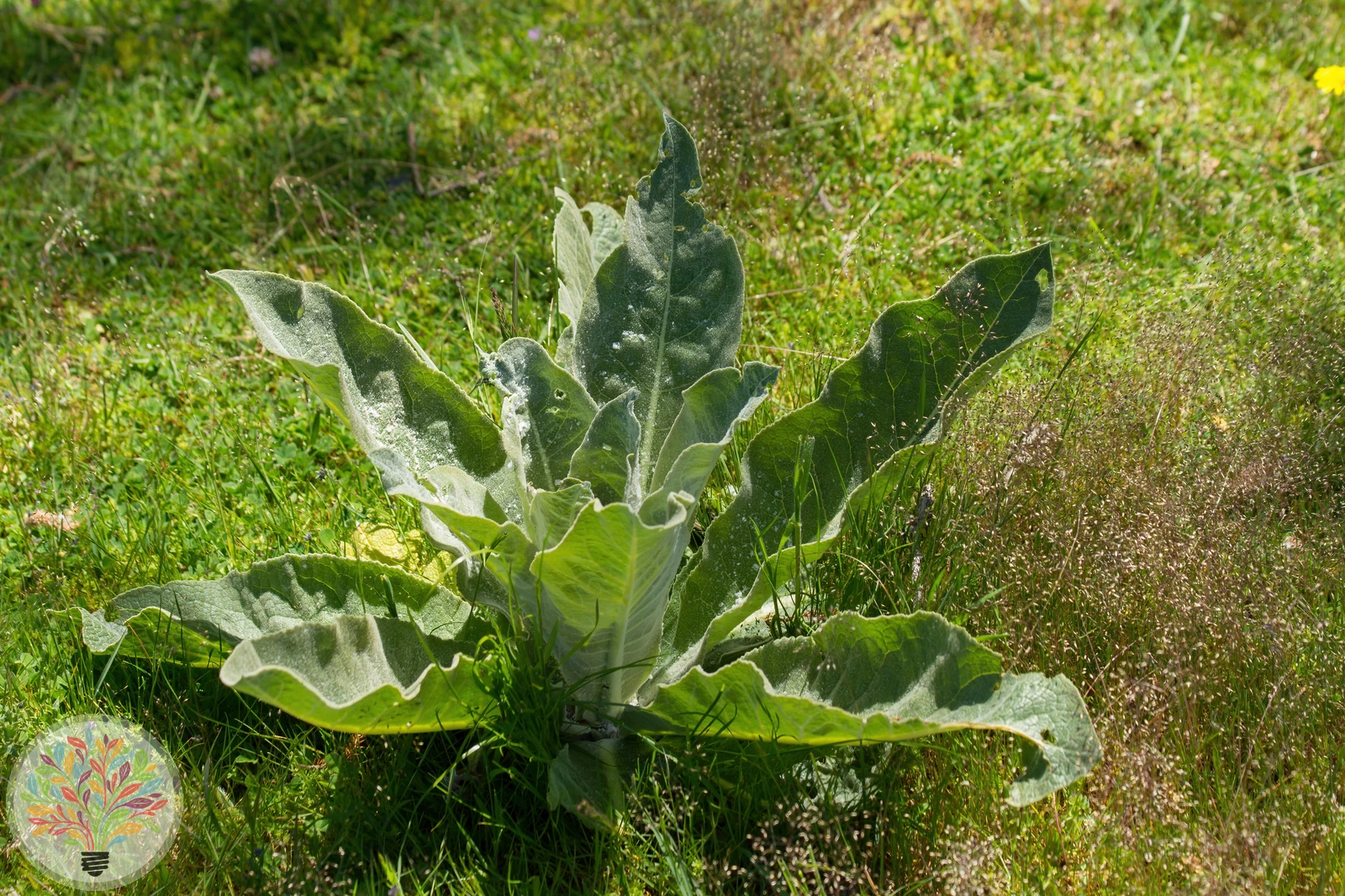
Verbascum lychnitis is a native herbaceous plant of sunny, dry places, bearing spikes of flowers in summer that are an excellent source of nectar and pollen for insects. It grows on calcareous soils and reaches about 90 centimetres tall, with broad leaves and a non-woody structure.
Ecological network
Click to highlight connections · Click again to open species page
Netzwerk wird geladen...
PollinationFlower visit
Ecological significance
Verbascum lychnitis is a native species whose flowers provide valuable nectar and pollen for bees, butterflies and other pollinators. It forms part of dry grassland ecosystems and displays no known invasive tendencies.
Annual cycle
The flowering season runs from June to August.
Standort & Merkmale
Light
Sonne
Moisture
Trocken
Soil
Mittelzehrer (Normaler Boden)
Bloom time
Jun – Aug
Soil reaction
Basisch / Kalkhold
Bioregion
Continental
Nectar value
3
Pollen value
3
Growth form
Krautige Pflanze
Woodiness
Nicht verholzt
Leaf type
Breitblättrig
Plant height
0.908 m
Morphological traits: TRY ID3 (CC BY 3.0) & TRY ID81 (CC BY)
Pflege & Anbau
•
Light: Full sun is essential.
•
Soil: Dry, well-drained soil, preferably alkaline.
•
Watering: Once established, this plant is very drought-tolerant and requires little to no additional water.
•
Fertilising: It thrives in poor to moderately fertile ground; avoid rich soils.
Scientific profile
Verbascum lychnitis is a herbaceous plant of the figwort family (Scrophulariaceae), native in Great Britain. It reaches a height of approximately 0.9 metres and produces broad leaves. The plant is adapted to full sun and dry, calcareous or basic soils; it typically occurs in habitats with low disturbance. Its flowers appear from June to August and are rated highly for both nectar and pollen production, attracting a range of pollinating insects. The species forms arbuscular mycorrhizal associations. Seeds are tiny, averaging 0.11 milligrams.
Bestäuber & Besucher
7 Arten interagieren mit dieser Pflanze
Platycnemis pennipesApis melliferaLasioglossum pauxillumBombus terrestris/lucorumLasioglossum politumSyritta pipiensAndrena aeneiventris
Other flower visitors
1 other species visit the flowers
Thomisus onustus
Sources & data origin
•TRY v6.0 / BiolFlor flowering phenology (Request 47350) — CC BY 4.0TRY request 47350 (Public, Data Released, TRY v6.0; 2026-02-15). Cite TRY: Kattge et al. (2020), doi:10.1111/gcb.14904; original source: Trefflich, A., Klotz, S. & Kühn, I. (2002). Blühphänologie. BIOLFLOR, Schriftenreihe für Vegetationskunde 38:127–131.
•Interaktionsdaten via GloBI (CC-BY 4.0)
•pollinator_interactions
•FloraWeb / BfN
•EIVE 1.0 — Dengler et al. (2023), DOI: 10.3897/VCS.98324 (CC BY 4.0)
•EuPPollNet — Kuppler et al. (2025), DOI: 10.1111/geb.70000 (CC BY 4.0)
•Database of Pollinator Interactions (DoPI) — Pocock et al. (2022), DOI: 10.1002/ecy.3801 (CC BY)
•GBIF Backbone Taxonomy — GBIF Secretariat (2024), DOI: 10.15468/39omei (CC BY 4.0)
•TRY Categorical Traits (ID3) — Kattge et al. (2012), DOI: 10.17871/TRY.3 (CC BY 3.0)
•TRY Global Spectrum (ID81) — Díaz et al. (2016/2021), DOI: 10.17871/TRY.81 (CC BY)
•Govaerts R et al. (2025) — World Checklist of Vascular Plants (WCVP) v14. Royal Botanic Gardens, Kew. DOI: 10.34885/xs7h-ze42 (CC BY 4.0)
•Foto: © Adobe Stock / AdobeStock_280057164
All data is licensed under CC BY 4.0, CC0, or compatible. Attribution according to license terms. Full source overview →