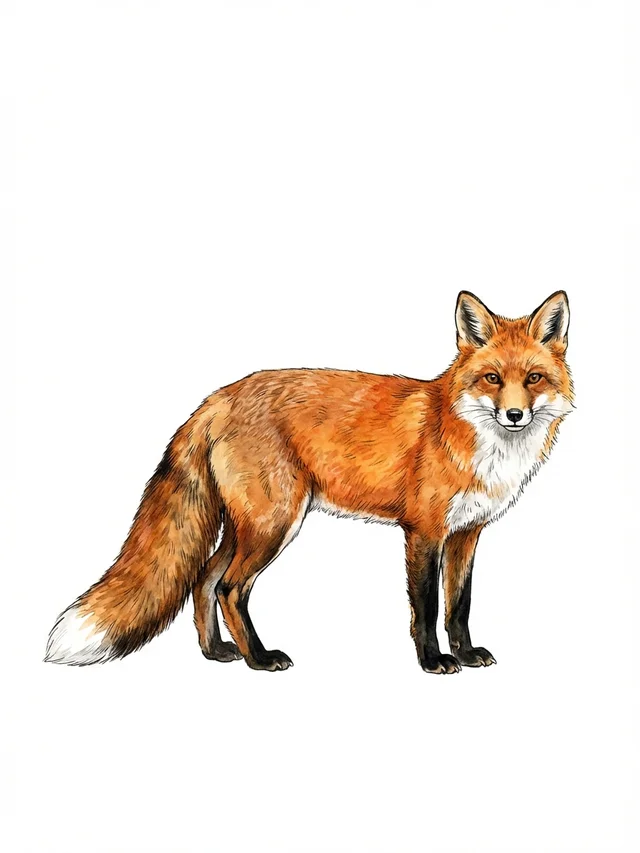
 Image to followAI-generated illustration
Elanus caeruleus
Elanus caeruleus
Family: AccipitridaeGenus: Elanusnative in Germany
native in Germany
native_regions-Cache · 85 %
🌿
1
Plants
visited
🔗
1
Interactions
documented
About this species
A small grey and white raptor with a black shoulder patch and red eyes, feeding mainly on small mammals and other vertebrates. It weighs around 250 g and has a wingspan of about 29 cm. Breeds in open country, laying clutches of four eggs.
Ecological network
Click to highlight connections · Click again to open the species page
Loading network...
Prey / FoodPlant food
Yearly cycle
The yearly cycle centres on one or two breeding attempts. A pair lays a clutch of four eggs, incubated for around 26 days. After hatching, nestlings spend a further 32 to 33 days in the nest before fledging. With a maximum lifespan of six years, an individual may breed multiple times over its life, though the precise months of breeding in Britain are not given in the available evidence.
Merkmale
Körper
Wingspan
28.63 cm
Weight
248 g
Max. Lebensalter
6 Jahre
Fortpflanzung
Wurfgröße / Gelege
4, 1.5× pro Jahr
Bebrütungsdauer
26 Tage
Ausflugalter
32.5 Tage
Geschlechtsreife
~1 Jahre
Ernährung & Verhalten
60% vertebrates_endo20% Wirbellose20% vertebrates_ecto
Scientific profile
Elanus caeruleus is a bird of prey in the family Accipitridae. Adults have a wingspan of approximately 28.6 centimetres and a body mass of 248 grams. The diet is dominated by endothermic vertebrates (60%), with ectothermic vertebrates and invertebrates each making up a further 20%, pointing to a reliance on small mammals, birds and large insects. The species has been recorded in Great Britain, though its occurrence and status remain indeterminate. A typical clutch consists of four eggs, incubated for about 26 days. The young fledge after roughly 32 to 33 days, and females may produce up to 1.5 broods per year. The maximum recorded lifespan is six years.
Sources & data origin
•Interaktionsdaten via GloBI (CC-BY 4.0)
•Neff et al. (2025) — Swiss Moth Traits, DOI: 10.5281/zenodo.14506883 (CC BY)
•GBIF Backbone Taxonomy — GBIF Secretariat (2024), DOI: 10.15468/39omei (CC BY 4.0)
All data is licensed under CC BY 4.0, CC0, or compatible terms. Attribution according to license conditions. Full source overview →