Ficaria verna
Ficaria verna
FamilyGenus: Ficarianon-native in Germany
🌿
84
Species
interact
🔗
105
Interactions
documented
🐛
3
Host relationships
Species
About this species
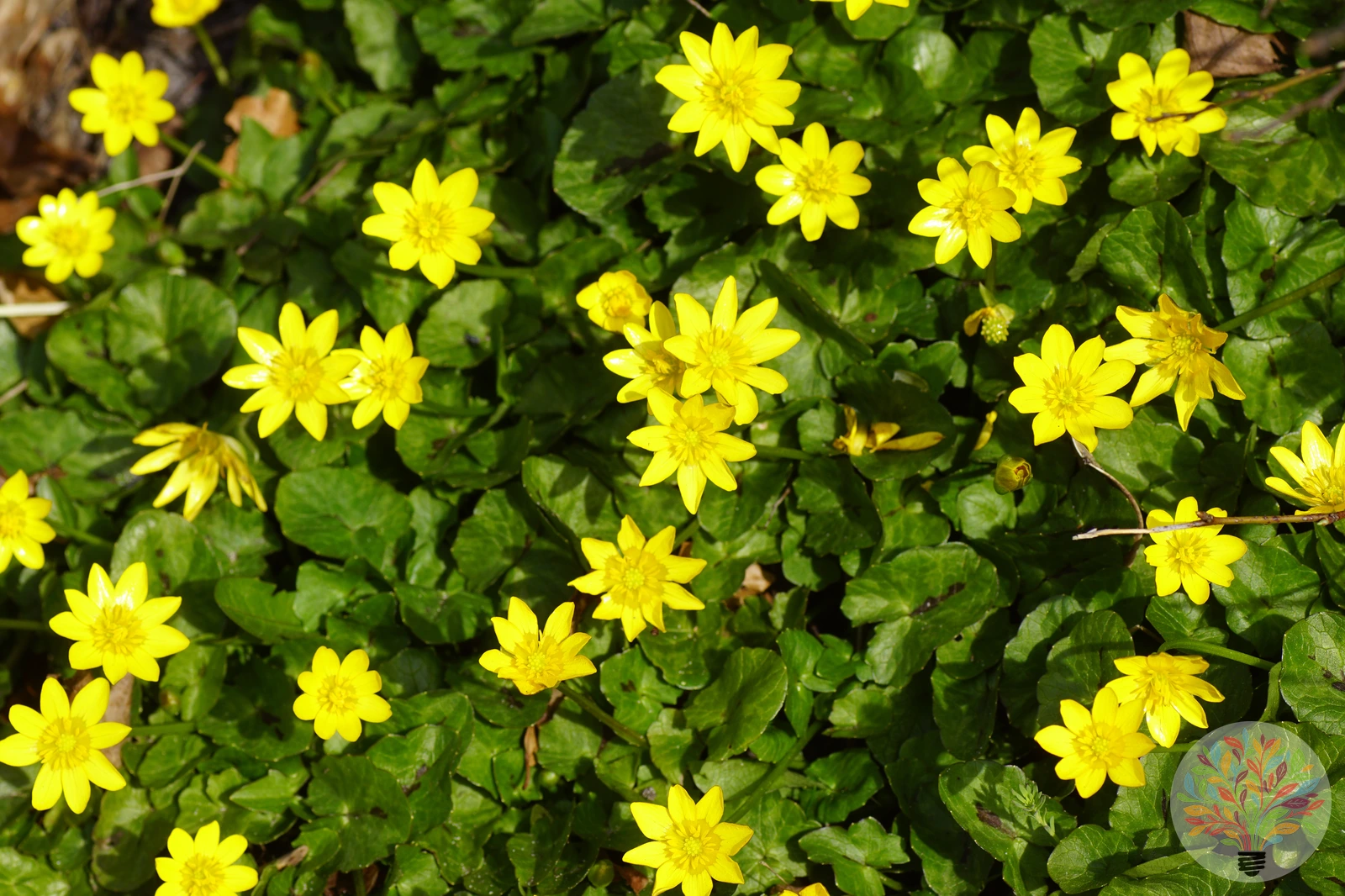
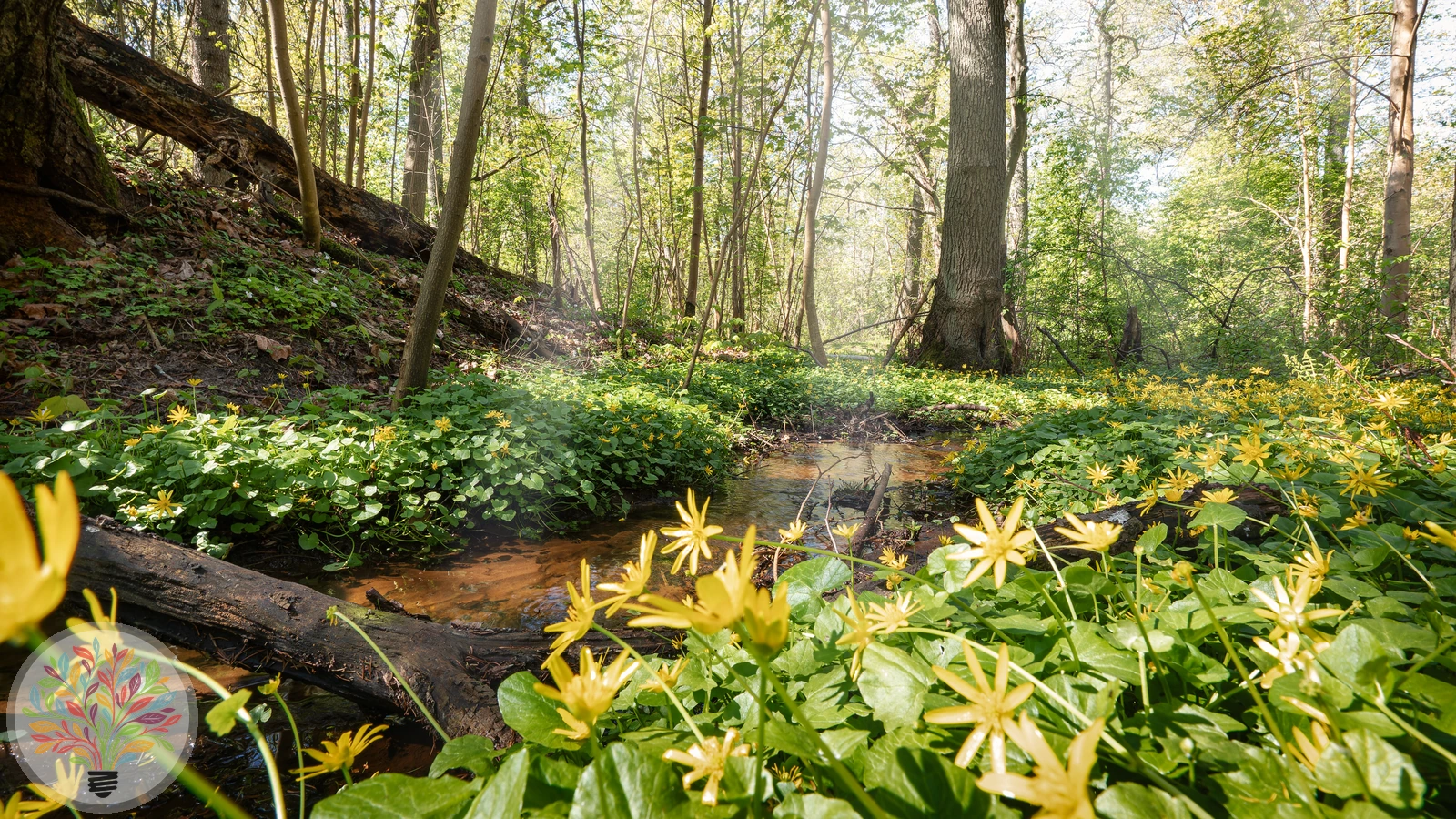
A small native herbaceous perennial of fertile, calcareous woodlands, Ficaria verna bears yellow flowers from April to July and reaches about 9 cm in height. It prefers fresh, nutrient-rich soils and is typically found in beech and mixed deciduous woodland on limestone in Great Britain.
Ecological network
Click to highlight connections · Click again to open the species page
Loading network...
PollinationLarval hostFlower visit
Ecological significance
The specific ecological interactions of Ficaria verna are not documented in the evidence; as a native woodland herb, it forms part of the understorey community but no precise impact has been recorded.
Annual cycle
Flowering occurs from April through July. Leaves emerge in early spring; as an herbaceous perennial, top growth dies back after the flowering period.
Standort & Merkmale
Light
—
Moisture
Frisch (Mäßig feucht)
Soil
—
Flowering period
Apr – Jul
Growth form
Krautige Pflanze
Woodiness
Nicht verholzt
Leaf type
Breitblättrig
Plant height
0.088 m
Morphological traits: TRY ID3 (CC BY 3.0) & TRY ID81 (CC BY)
Pflege & Anbau
To cultivate Ficaria verna, provide moist, fertile, alkaline soil in light shade, mimicking its natural woodland habitat. Avoid heavy disturbance and ensure the ground does not dry out completely during the growing season.
Scientific profile
Ficaria verna is a low-growing, non-woody perennial with broad leaves. Plants typically reach around 9 cm in height. The flowering period extends from April to July. It shows a strong association with fresh, nutrient-rich, calcareous soils and is most often encountered in beech and mixed deciduous woodland on limestone, where disturbance levels are low. The species is native in Great Britain.
Pollinators & visitors
78 Arten interagieren mit dieser Pflanze
Gonepteryx rhamniMelitaea athaliaAndrena nitidaAndrena clarkellaAndrena flavipesChaetocnema concinnaLasioglossum calceatumLasioglossum lativentreOrthosia cerasiAthalia rosaePararge aegeriaBombus jonellusBombus pascuorumApis melliferaBombus lucorumLycaena phlaeasBombus pratorumBombus hypnorumPolygonia c-albumFixsenia pruniNomada striataLasiommata megeraManiola jurtinaLasioglossum albipesHamearis lucinaLasioglossum zonulumChelostoma florisomneOsmia spinulosaBoloria seleneOsmia bicornisCelastrina argiolusBombus sylvestrisCallophrys rubiLasioglossum pauxillumClossiana euphrosyneLasioglossum malachurumLeptidea sinapisErynnis tagesHalictus tumulorumAndrena labialisAndrena wilkellaAndrena chrysoscelesAnthophora plumipesAndrena nigroaeneaAndrena falsificaAndrena cinerariaAndrena bicolorBombus lapidariusAndrena minutulaAndrena haemorrhoa
Host relationships
3 species use this plant as a host
Other flower visitors
3 other species visit the flowers
Sources & data origin
•Interaktionsdaten via GloBI (CC-BY 4.0)
•Cook et al. (2025) UK Butterfly & Moth Traits (DOI: 10.5285/dbc7cc17-cbbd-49dd-bab4-8e8855768d66)
•pollinator_interactions
•FloraWeb / BfN
•EIVE 1.0 — Dengler et al. (2023), DOI: 10.3897/VCS.98324 (CC BY 4.0)
•GBIF Backbone Taxonomy — GBIF Secretariat (2024), DOI: 10.15468/39omei (CC BY 4.0)
•TRY Categorical Traits (ID3) — Kattge et al. (2012), DOI: 10.17871/TRY.3 (CC BY 3.0)
•TRY Global Spectrum (ID81) — Díaz et al. (2016/2021), DOI: 10.17871/TRY.81 (CC BY)
•Govaerts R et al. (2025) — World Checklist of Vascular Plants (WCVP) v14. Royal Botanic Gardens, Kew. DOI: 10.34885/xs7h-ze42 (CC BY 4.0)
•Foto: © Adobe Stock / AdobeStock_1353865753
All data is licensed under CC BY 4.0, CC0, or compatible terms. Attribution according to license conditions. Full source overview →