Sorbus aucuparia
Sorbus aucuparia
FamilyGenus: Sorbusnative in Germany
🌿
179
Species
interact
🔗
227
Interactions
documented
🐛
65
Host relationships
Species
About this species
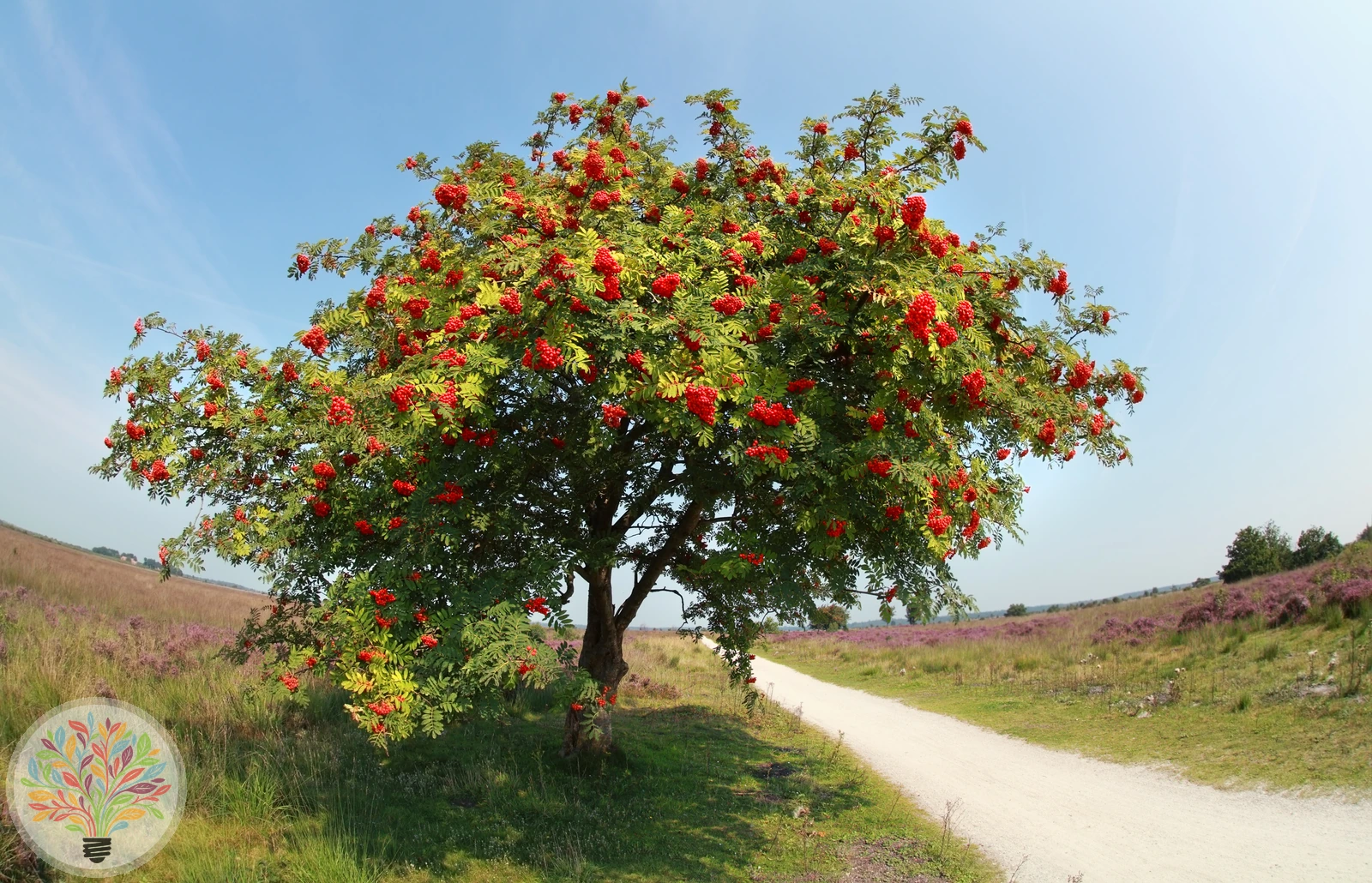
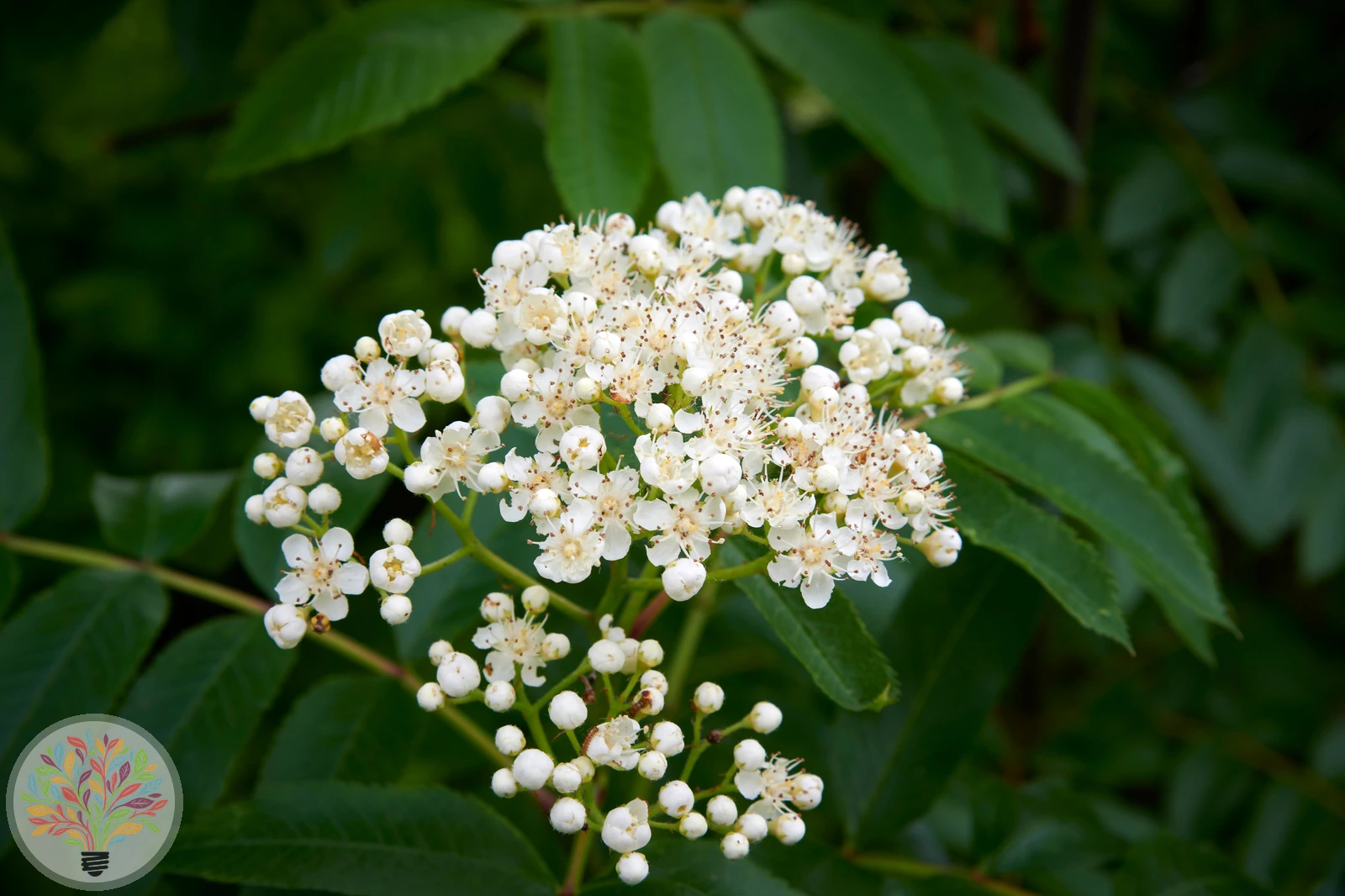
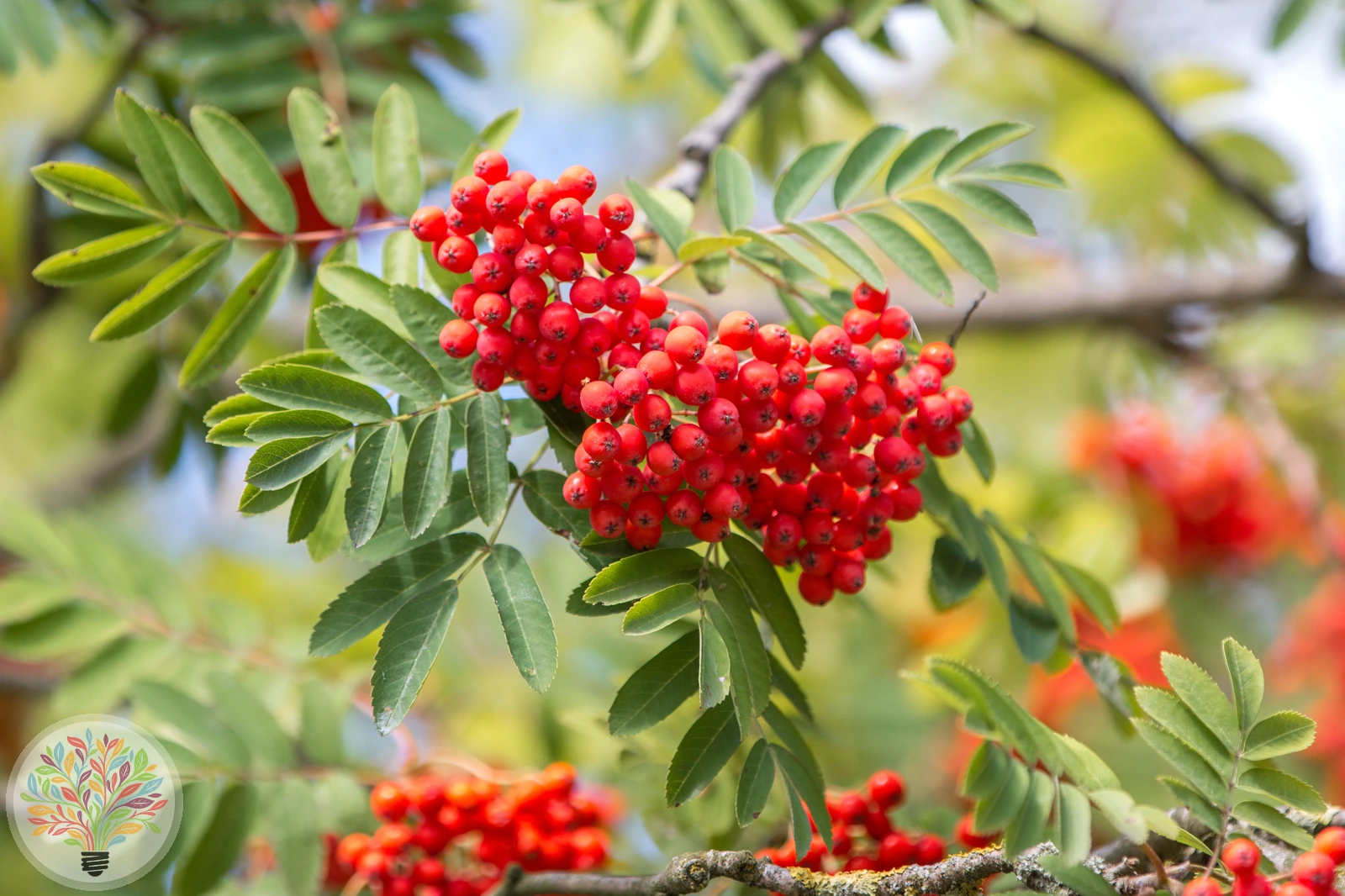
A native deciduous tree, Sorbus aucuparia bears clusters of flowers in early summer and has broad leaves, often found in semi-shade. It grows to around 13.5 metres tall on fresh, moderately moist soils.
Ecological network
Click to highlight connections · Click again to open the species page
Loading network...
PollinationLarval hostFlower visit
Ecological significance
As a native tree, it contributes to the structure and diversity of woodland and hedgerow habitats, supporting local wildlife.
Annual cycle
Buds break in spring. Flowers open from May to July. The deciduous leaves turn colour before falling in autumn, and the tree remains dormant through winter.
Safety note
The tree is safe for children; no toxic effects have been reported from its parts.
Standort & Merkmale
Light
Halbschatten
Moisture
Frisch (Mäßig feucht)
Soil
Mittelzehrer (Normaler Boden)
Flowering period
Mai – Jul
Soil reaction
Mäßig sauer bis neutral
Bioregion
Continental
Growth form
Baum
Woodiness
Verholzt
Leaf type
Breitblättrig
Leaf phenology
Laubabwerfend
Plant height
13.475 m
Morphological traits: TRY ID3 (CC BY 3.0) & TRY ID81 (CC BY)
Nectar
0.1033 µl/Blüte
Pollen
0.55 mg/Blüte
Pflege & Anbau
Plant in semi-shade, in a spot with fresh, moderately moist soil. It grows best in ordinary garden soil of average fertility. Keep the soil evenly moist during the first growing season after planting. Once established, it requires little intervention. Prune in late winter if needed to maintain shape. A light mulch around the base helps conserve soil moisture.
Scientific profile
Sorbus aucuparia is a deciduous, broad-leaved tree that typically reaches about 13.5 metres in height. It is native in Great Britain. The tree grows in semi-shaded situations and favours fresh, moderately moist soils of moderate fertility. Flowers appear from May to July. Its leaves are shed in autumn.
Pollinators & visitors
29 Arten interagieren mit dieser Pflanze
Sylvia atricapillaSylvia borinOsmia bicornisOsmia bicolorAndrena chrysoscelesAndrena haemorrhoaAndrena nigroaeneaAndrena helvolaCaliroa cerasiApis melliferaAndrena cinerariaCelastrina argiolusBombus hypnorumRhagium inquisitorBombus sylvestrisBombus monticolaLycaena phlaeasBombus terrestrisIphiclides podaliriusAporia crataegiBombus lucorumAndrena fucataBombus pascuorumTrichius fasciatusMelanogaster hirtellaEristalis pertinaxHelophilus pendulusEristalis arbustorumSyrphus vitripennis
Host relationships
65 species use this plant as a host
Cilix glaucataEulithis testataVenusia cambricaGymnoscelis rufifasciataAgriopis aurantiariaCampaea margaritariaScoliopteryx libatrixAllophyes oxyacanthaeLacanobia contiguaLasiocampa quercusOpisthograptis luteolataCrocallis elinguariaArctia cajaColocasia coryliPhalera bucephalaPlagodis dolabrariaSphinx ligustriPtilodon capucinaAcasis viretataErannis defoliariaSaturnia pavoniaZeuzera pyrinaEupithecia exiguataOperophtera fagataAcronicta tridensChloroclysta siterataChloroclysta miataOperophtera brumataHydrelia flammeolariaAcronicta psiAlsophila aesculariaPeribatodes rhomboidariaSpilosoma luteaAcronicta alniYponomeuta evonymellaYponomeuta padellaAglia tauStauropus fagiPolia bombycinaMelanchra persicariaeLacanobia thalassinaOrthosia gothicaEupsilia transversaConistra vacciniiCosmia trapezinaAcronicta rumicisOrgyia antiquaCalliteara pudibundaCossus cossusSelenia dentaria
Other flower visitors
85 other species visit the flowers
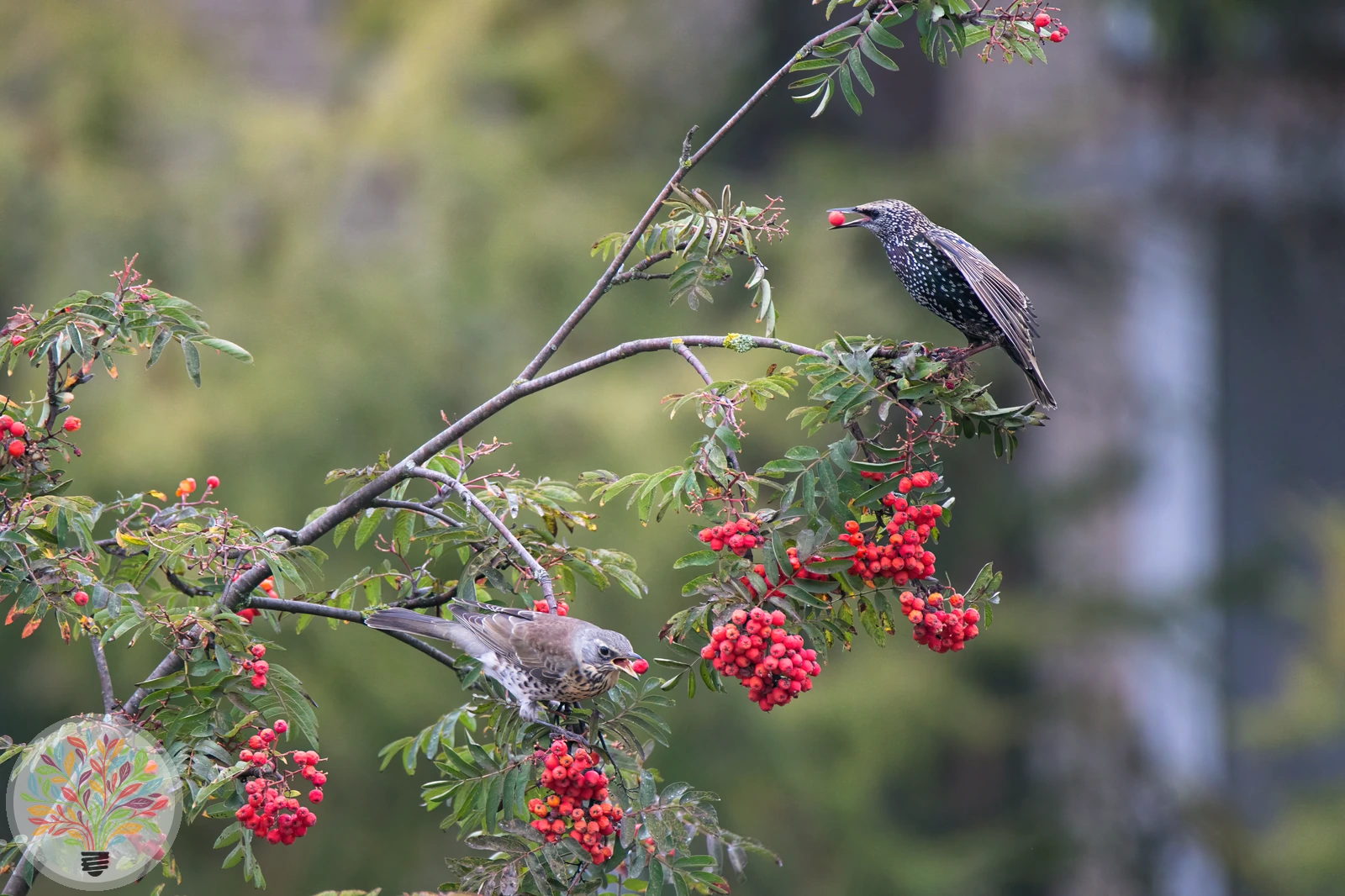
Ficedula hypoleucaCorvus coroneTurdus pilarisParus montanusPasser domesticusPhoenicurus phoenicurusPyrrhula pyrrhulaGarrulus glandariusParus majorColumba palumbusPicus viridisTroglodytes troglodytesDendrocoptes mediusRegulus ignicapillaMuscicapa striataPoecile montanusVulpes vulpesHippolais icterinaMartes martesCyanistes caeruleusLophophanes cristatusTurdus philomelosErithacus rubeculaPica picaSylvia currucaSturnus vulgarisApodemus flavicollisLuscinia lusciniaTurdus merulaTurdus viscivorusPhymatodes testaceusAlosterna tabacicolorFormica fuscaBrassicogethes aeneusUrsus arctosOrsodacne cerasiDendrocopos majorDryobates minorAnthrenus verbasciLasius nigerPlecotus auritusMyotis nattereriTurdus iliacusPasser montanusPhoenicurus ochrurosSylvia communisStreptopelia decaoctoGallinula chloropusColumba oenasPhylloscopus collybita
Sources & data origin
•Interaktionsdaten via GloBI (CC-BY 4.0)
•Cook et al. (2025) UK Butterfly & Moth Traits (DOI: 10.5285/dbc7cc17-cbbd-49dd-bab4-8e8855768d66)
•pollinator_interactions
•Baden-Böhm F, App M, Thiele J (2022) — The FloRes Database: A floral resources trait database for pollinator habitat-assessment generated by a multistep workflow. Johann Heinrich von Thünen-Institut, Dryad, DOI: 10.5061/dryad.djh9w0w29 (CC0)
•FloraWeb / BfN
•EIVE 1.0 — Dengler et al. (2023), DOI: 10.3897/VCS.98324 (CC BY 4.0)
•GBIF Backbone Taxonomy — GBIF Secretariat (2024), DOI: 10.15468/39omei (CC BY 4.0)
•TRY Categorical Traits (ID3) — Kattge et al. (2012), DOI: 10.17871/TRY.3 (CC BY 3.0)
•TRY Global Spectrum (ID81) — Díaz et al. (2016/2021), DOI: 10.17871/TRY.81 (CC BY)
•Govaerts R et al. (2025) — World Checklist of Vascular Plants (WCVP) v14. Royal Botanic Gardens, Kew. DOI: 10.34885/xs7h-ze42 (CC BY 4.0)
•Foto: © Adobe Stock / AdobeStock_156730139
All data is licensed under CC BY 4.0, CC0, or compatible terms. Attribution according to license conditions. Full source overview →