Thalictrum flavum
Thalictrum flavum
FamilyGenus: Thalictrumnative in Germany
🌿
6
Species
interact
🔗
8
Interactions
documented
🐛
1
Host relationships
Species
About this species
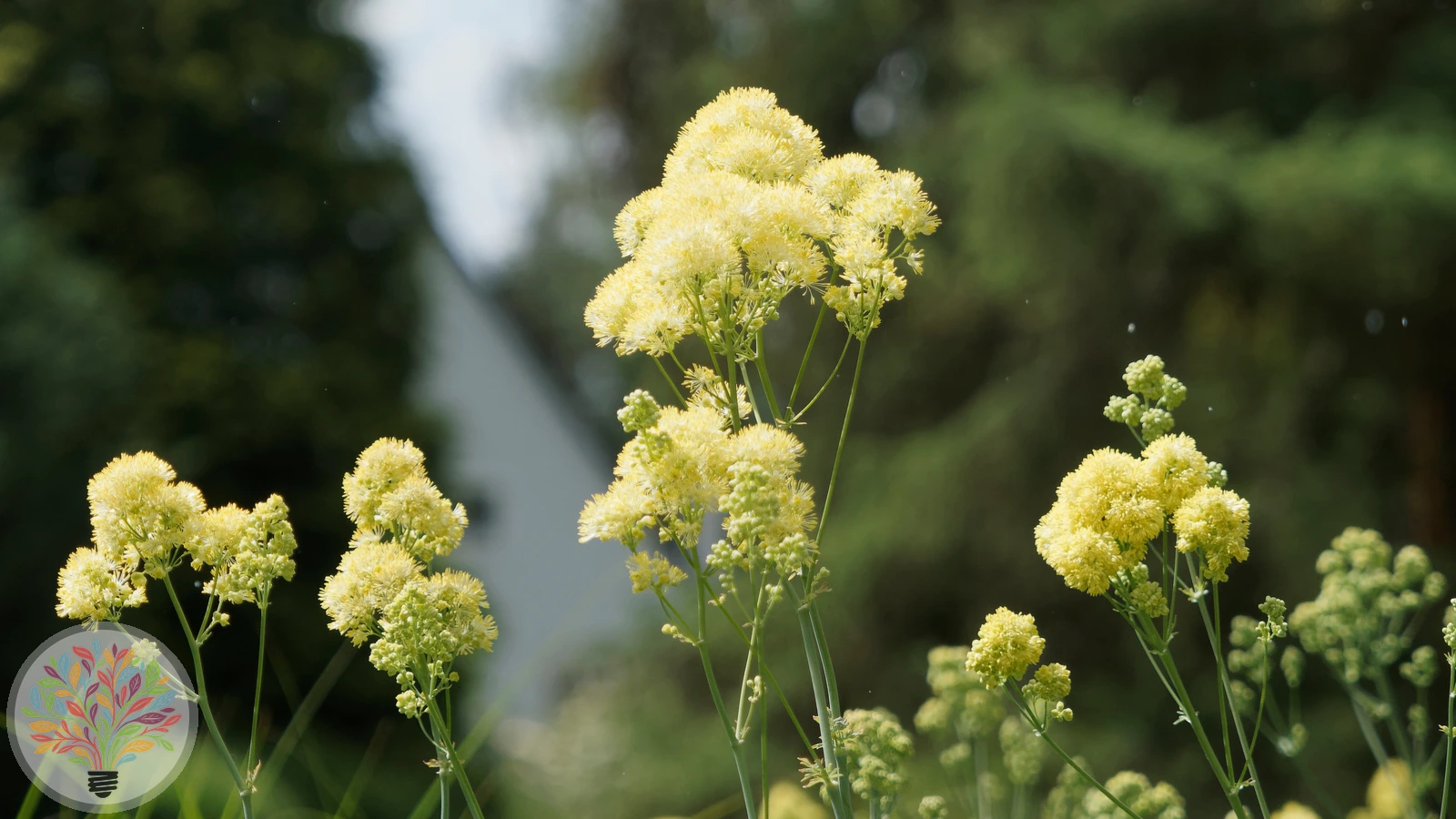
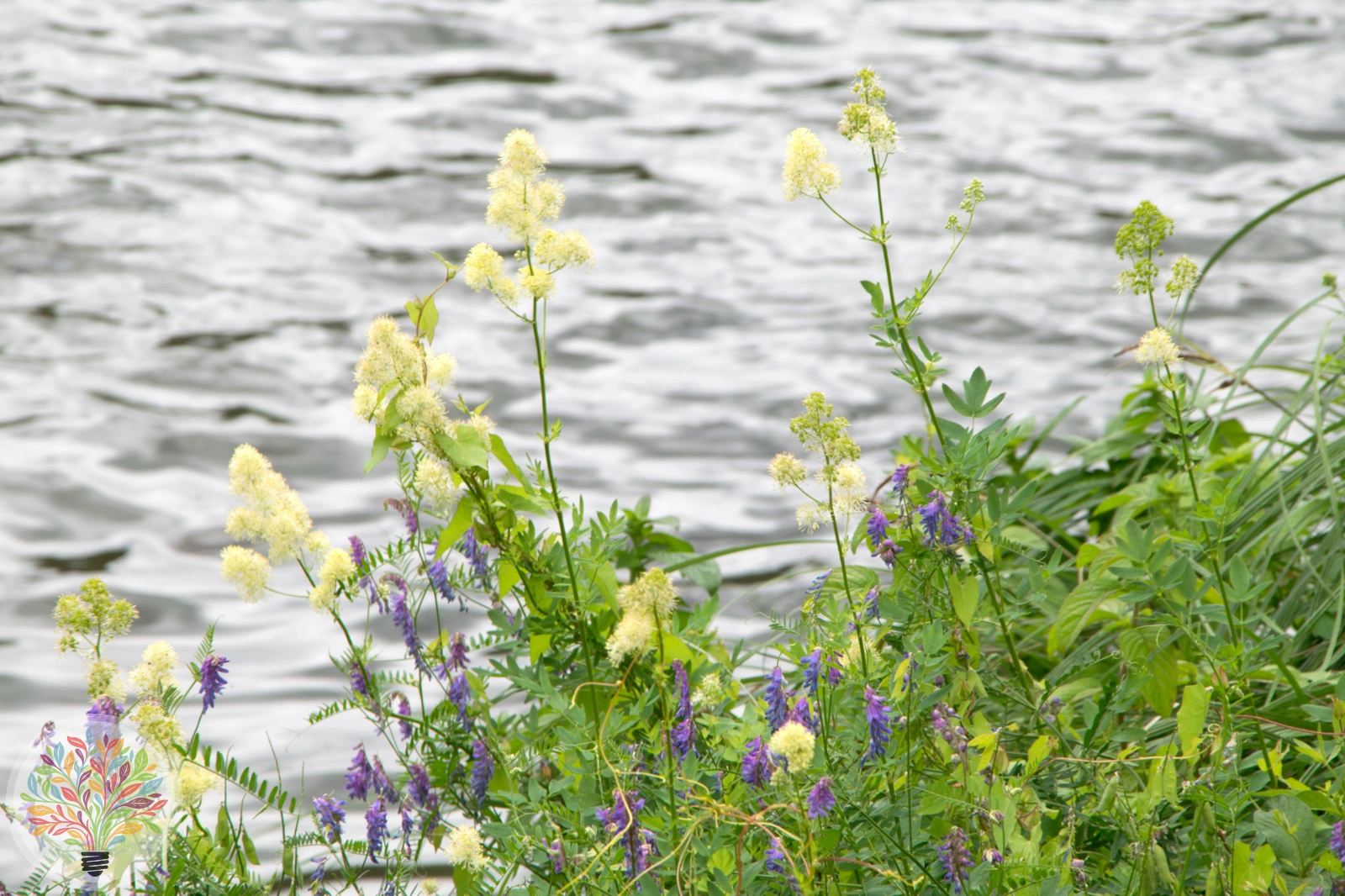
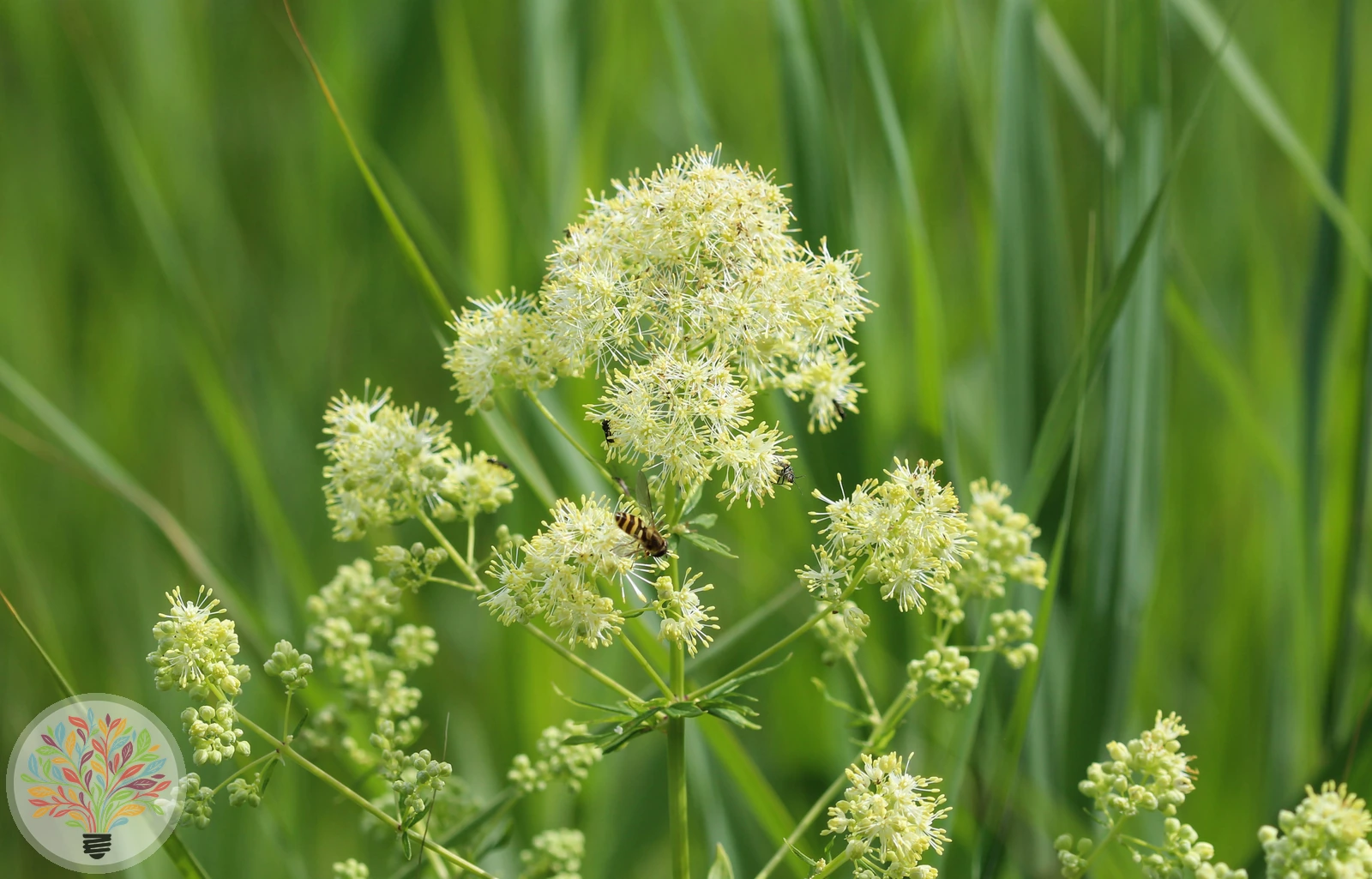
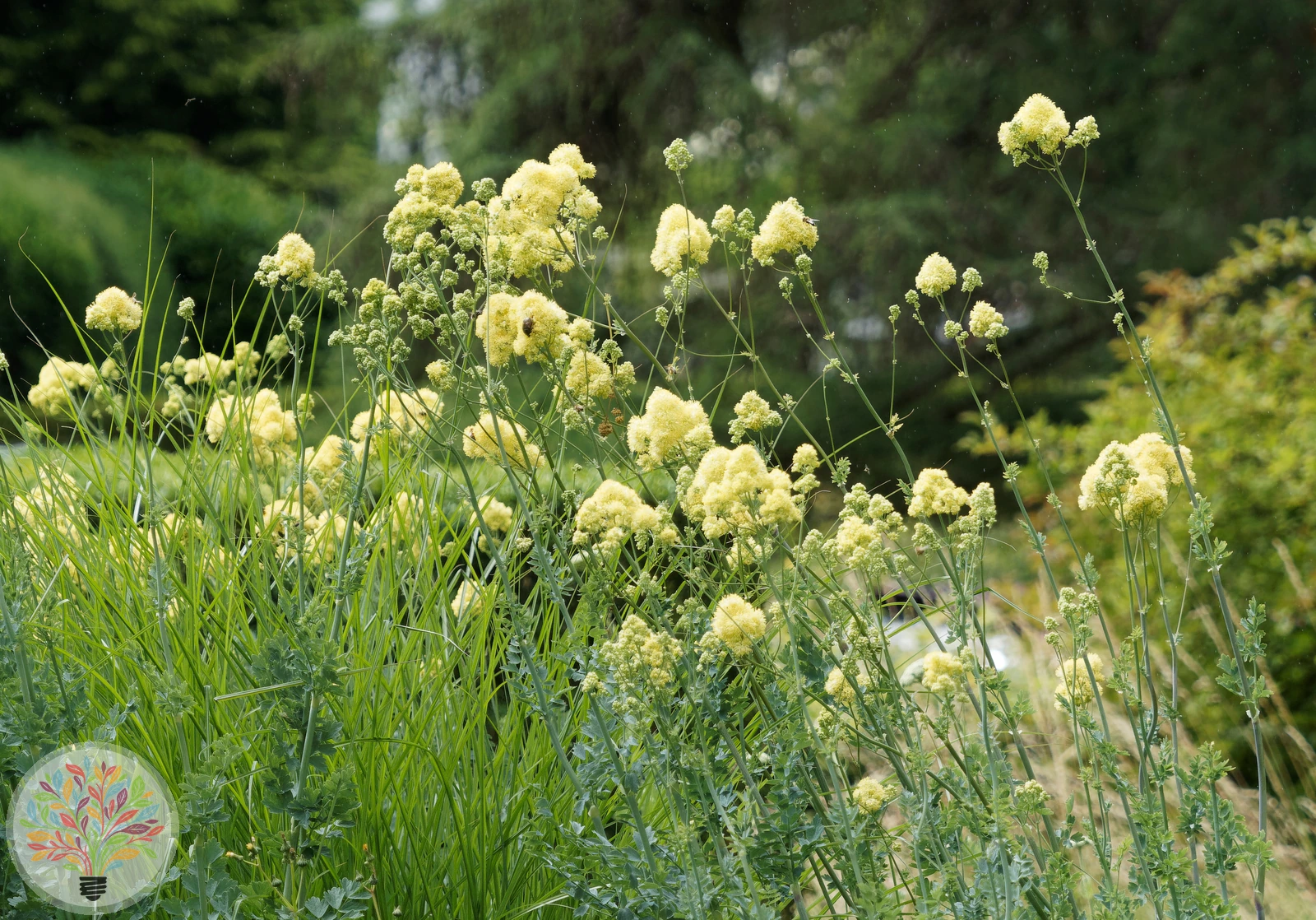
Thalictrum flavum is a native perennial of damp, sunny places across Great Britain. Its slender stems carry frothy clusters of yellow flowers in early summer, and the broad, divided leaves give it a light, airy character. It suits moist, calcareous soils and is appreciated by wildlife for its nectar and pollen.
Ecological network
Click to highlight connections · Click again to open the species page
Loading network...
PollinationLarval hostFlower visit
Ecological significance
As a native wildflower it provides nectar for pollinators and shelter for invertebrates in damp meadow communities.
Annual cycle
The plant emerges from a rootstock in spring, producing leafy stems. Flowering occurs from June into July. Seeds ripen later in summer and are dispersed by gravity and possibly water. Foliage dies back in autumn, with the plant overwintering as underground buds.
Standort & Merkmale
Light
Sonne
Moisture
Frisch (Mäßig feucht)
Soil
Mittelzehrer (Normaler Boden)
Flowering period
Jun – Jul
Soil reaction
Basisch / Kalkhold
Bioregion
Continental
Growth form
Krautige Pflanze
Woodiness
Nicht verholzt
Leaf type
Breitblättrig
Plant height
0.657 m
Morphological traits: TRY ID3 (CC BY 3.0) & TRY ID81 (CC BY)
Pflege & Anbau
Plant in full sun on moisture-retentive, alkaline to neutral soil. It thrives in damp borders, pond margins or naturalised in a wet meadow. Little feeding is needed; simply cut back the dead stems in late winter before new growth appears.
Scientific profile
A herbaceous perennial reaching about 0.66 metres in height, with broad, non-woolly leaves. The flowers appear in June and July, borne in airy, many-flowered heads. Ellenberg indicator values place it in sunny, moisture-rich situations (light 7, moisture 8), on alkaline to basic substrates (reaction 8) of moderate fertility (nutrients 5). It tolerates only low disturbance. Diaspores are relatively light, with a mean mass of 1.17 mg. The Plant Atlas 2020 records its red list status as V.
Pollinators & visitors
4 Arten interagieren mit dieser Pflanze
Sources & data origin
•Interaktionsdaten via GloBI (CC-BY 4.0)
•pollinator_interactions
•FloraWeb / BfN
•EIVE 1.0 — Dengler et al. (2023), DOI: 10.3897/VCS.98324 (CC BY 4.0)
•GBIF Backbone Taxonomy — GBIF Secretariat (2024), DOI: 10.15468/39omei (CC BY 4.0)
•TRY Categorical Traits (ID3) — Kattge et al. (2012), DOI: 10.17871/TRY.3 (CC BY 3.0)
•TRY Global Spectrum (ID81) — Díaz et al. (2016/2021), DOI: 10.17871/TRY.81 (CC BY)
•Govaerts R et al. (2025) — World Checklist of Vascular Plants (WCVP) v14. Royal Botanic Gardens, Kew. DOI: 10.34885/xs7h-ze42 (CC BY 4.0)
•Foto: © Adobe Stock / AdobeStock_509106465
All data is licensed under CC BY 4.0, CC0, or compatible terms. Attribution according to license conditions. Full source overview →