Ulmus minor
Ulmus minor
FamilyGenus: Ulmusnative in Germany
🌿
32
Species
interact
🔗
44
Interactions
documented
🐛
10
Host relationships
Species
About this species
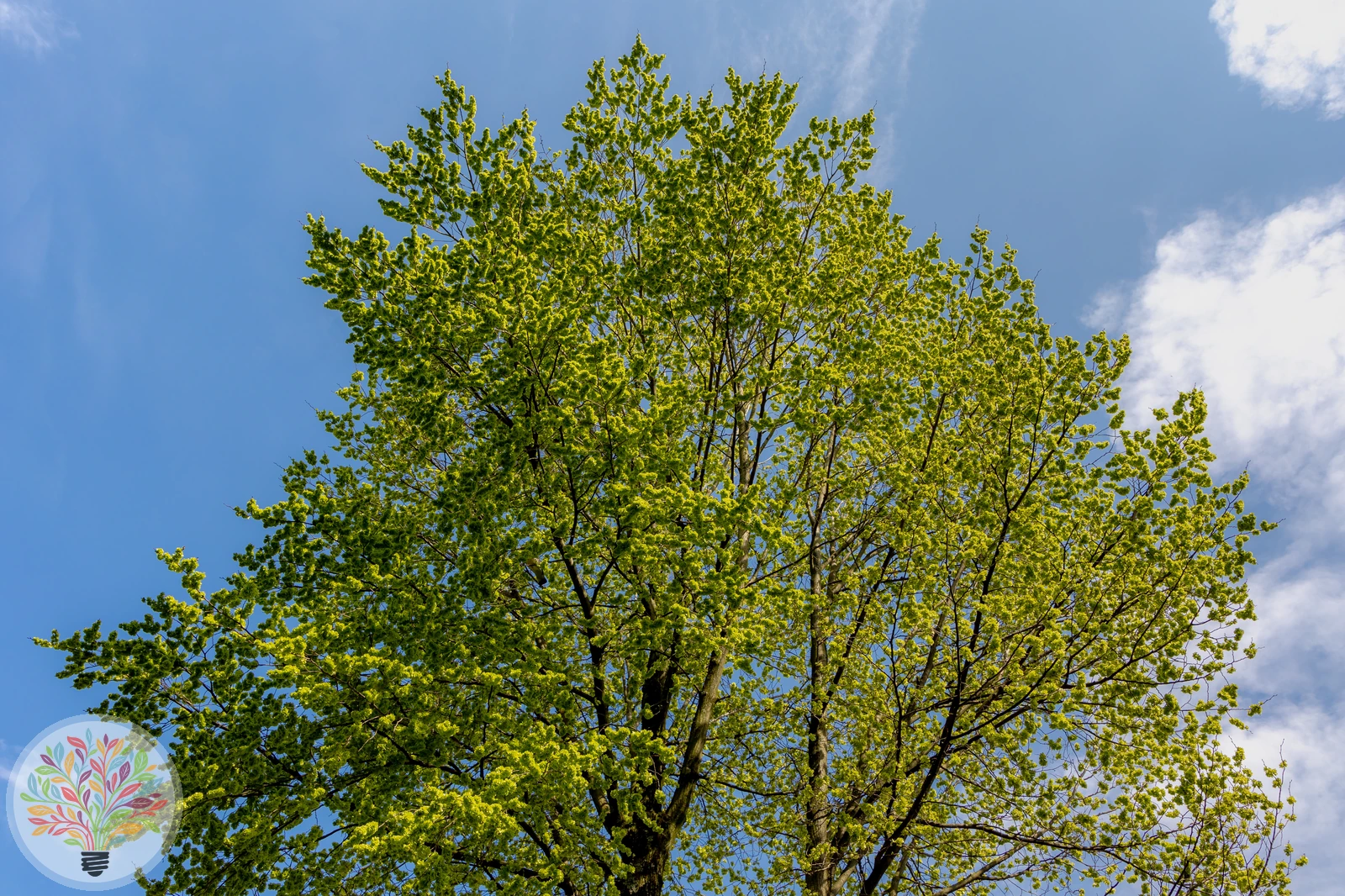
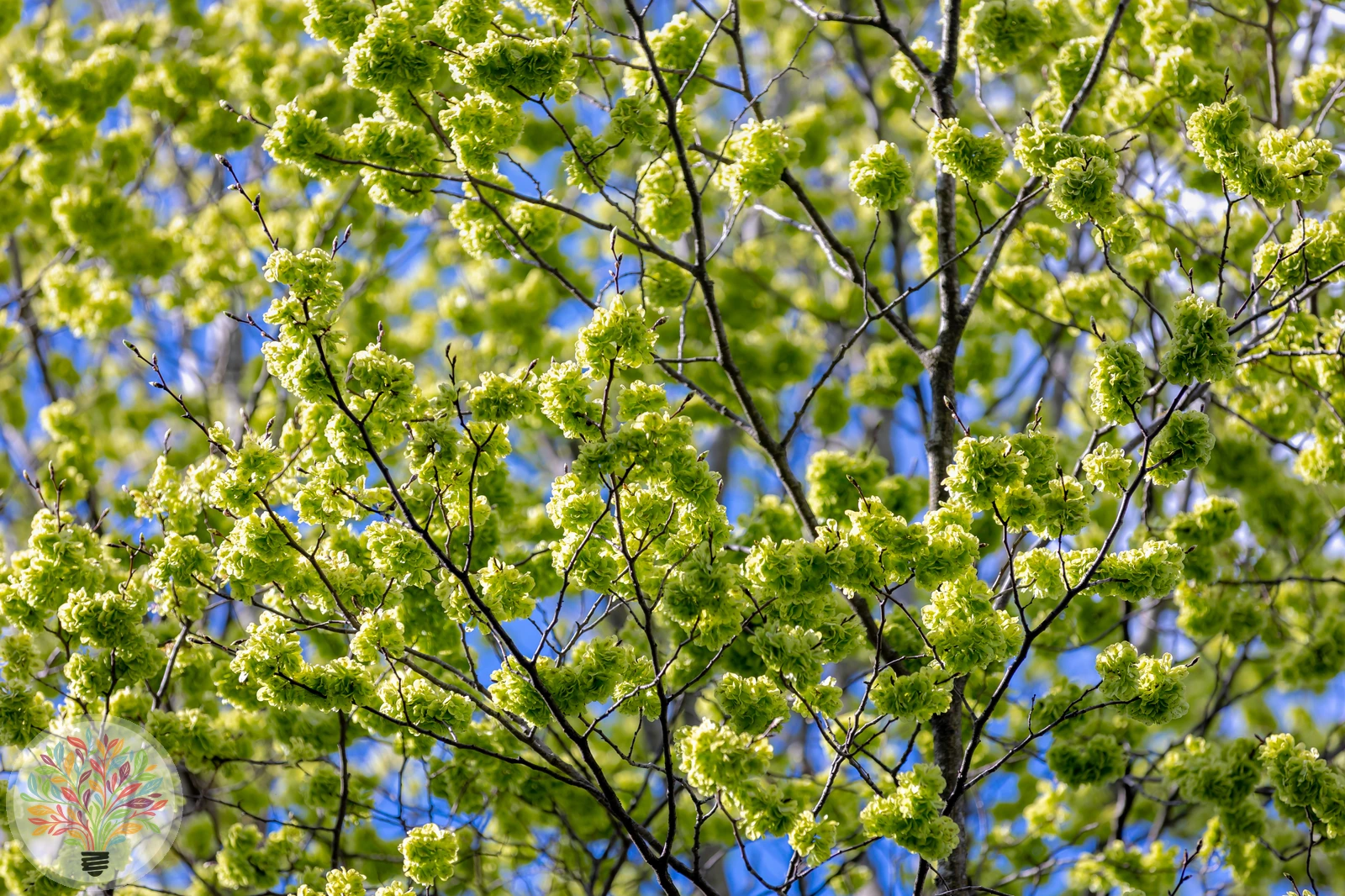
Ulmus minor is a native broad-leaved deciduous tree in Great Britain, typically reaching heights of over 23 metres. It thrives in semi-shaded locations on fresh, moderately moist, nutrient-rich, alkaline to neutral soils and is not tolerant of salt. Its small flowers appear in early spring, and it is considered of least concern in conservation assessments.
Ecological network
Click to highlight connections · Click again to open the species page
Loading network...
PollinationLarval hostFlower visit
Ecological significance
The tree is native and tends to occur in environments with low disturbance. Its preference for calcium-rich soils means it contributes to the structure of base-rich woodland communities. It is unable to colonise saline sites.
Annual cycle
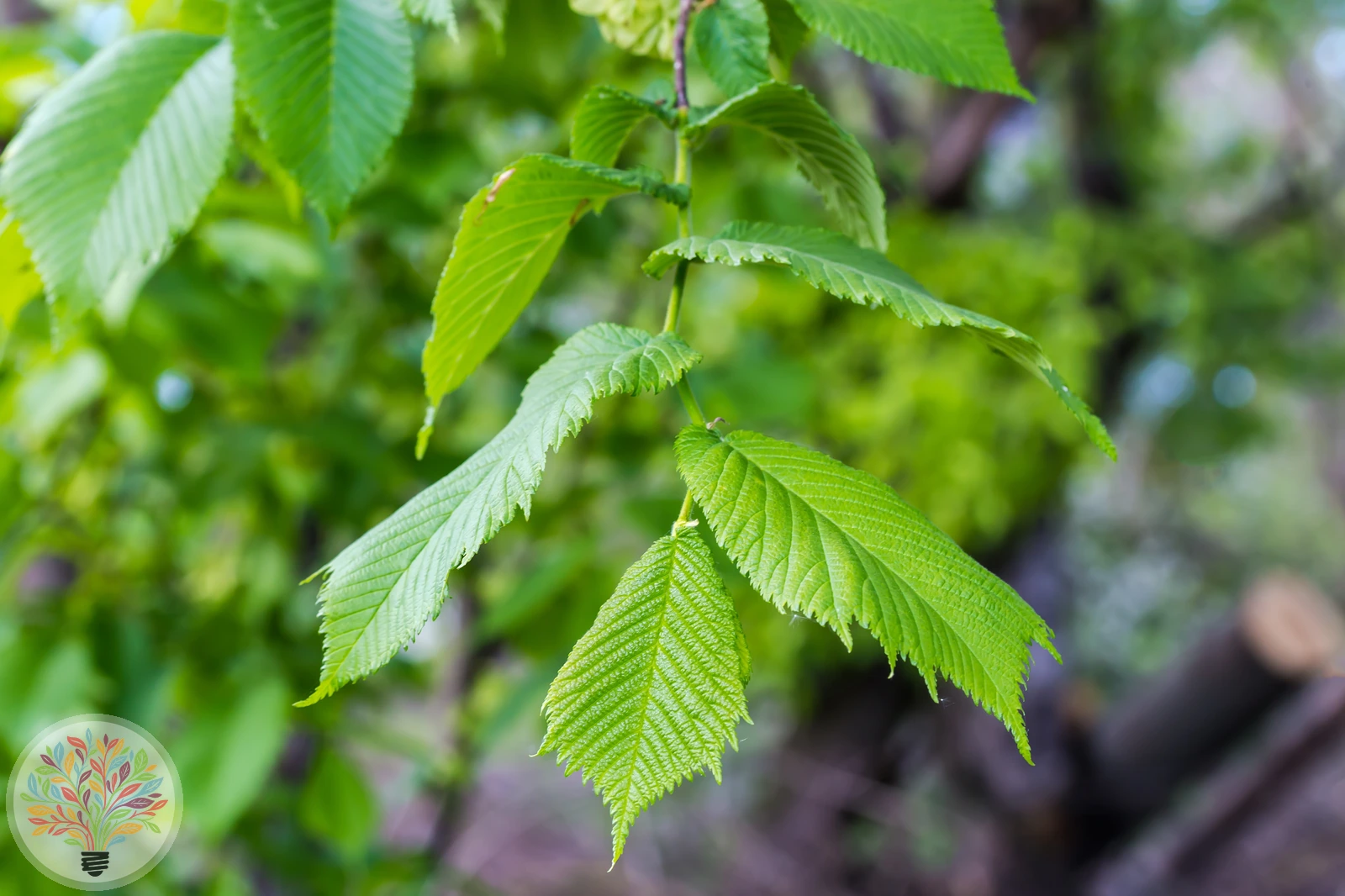
Flowering occurs in March and April. The broad leaves emerge in spring and are shed in autumn, leaving the tree bare through winter.
Standort & Merkmale
Light
Halbschatten
Moisture
Frisch (Mäßig feucht)
Soil
Mittelzehrer (Normaler Boden)
Flowering period
Mär – Apr
Soil reaction
Basisch / Kalkhold
Bioregion
Continental
Growth form
Baum
Woodiness
Verholzt
Leaf type
Breitblättrig
Leaf phenology
Laubabwerfend
Plant height
23.375 m
Morphological traits: TRY ID3 (CC BY 3.0) & TRY ID81 (CC BY)
Pflege & Anbau
Plant in semi-shade on a fresh, moderately moist, nutrient-rich soil that is neutral to alkaline. Ulmus minor is intolerant of saline conditions. It requires space to reach its mature height of over 20 metres. Deciduous; leaves drop in autumn.
Scientific profile
Ulmus minor is a woody broad-leaved tree, native to Great Britain. It attains a height of about 23.4 metres and bears deciduous foliage; leaf area averages 2409 mm². The species flowers in March and April. Ecological indicator values assign it to semi-shaded conditions and fresh, moderately moist soils; it is a strong nutrient-demanding plant (Ellenberg-type value 7) and favours calcareous or basic substrates (reaction value 8). It does not tolerate salinity (value 0). The tree is associated with habitats experiencing low disturbance (severity 0.69). Diaspore mass is approximately 4.9 mg.
Pollinators & visitors
14 Arten interagieren mit dieser Pflanze
Host relationships
10 species use this plant as a host
Cosmia pyralinaCosmia affinisCalliteara pudibundaOperophtera brumataNymphalis polychlorosMimas tiliaeCossus cossusPhalera bucephalaLymantria disparEctropis crepuscularia
Other flower visitors
8 other species visit the flowers
Capreolus capreolusPyrrhula pyrrhulaHarmonia axyridisPhyllobius oblongusTrachys minutusRhagonycha fulvaPlecotus auritusPipistrellus pygmaeus
Sources & data origin
•Interaktionsdaten via GloBI (CC-BY 4.0)
•Cook et al. (2025) UK Butterfly & Moth Traits (DOI: 10.5285/dbc7cc17-cbbd-49dd-bab4-8e8855768d66)
•pollinator_interactions
•FloraWeb / BfN
•EIVE 1.0 — Dengler et al. (2023), DOI: 10.3897/VCS.98324 (CC BY 4.0)
•GBIF Backbone Taxonomy — GBIF Secretariat (2024), DOI: 10.15468/39omei (CC BY 4.0)
•TRY Categorical Traits (ID3) — Kattge et al. (2012), DOI: 10.17871/TRY.3 (CC BY 3.0)
•TRY Global Spectrum (ID81) — Díaz et al. (2016/2021), DOI: 10.17871/TRY.81 (CC BY)
•Govaerts R et al. (2025) — World Checklist of Vascular Plants (WCVP) v14. Royal Botanic Gardens, Kew. DOI: 10.34885/xs7h-ze42 (CC BY 4.0)
•Foto: © Adobe Stock / AdobeStock_774452598
All data is licensed under CC BY 4.0, CC0, or compatible terms. Attribution according to license conditions. Full source overview →