Alnus glutinosa
Alnus glutinosa
FamilyGenus: Alnusheimisch in Deutschland
🌿
116
Species
interact
🔗
158
Interactions
documented
🐛
68
Host relationships
Species
About this species
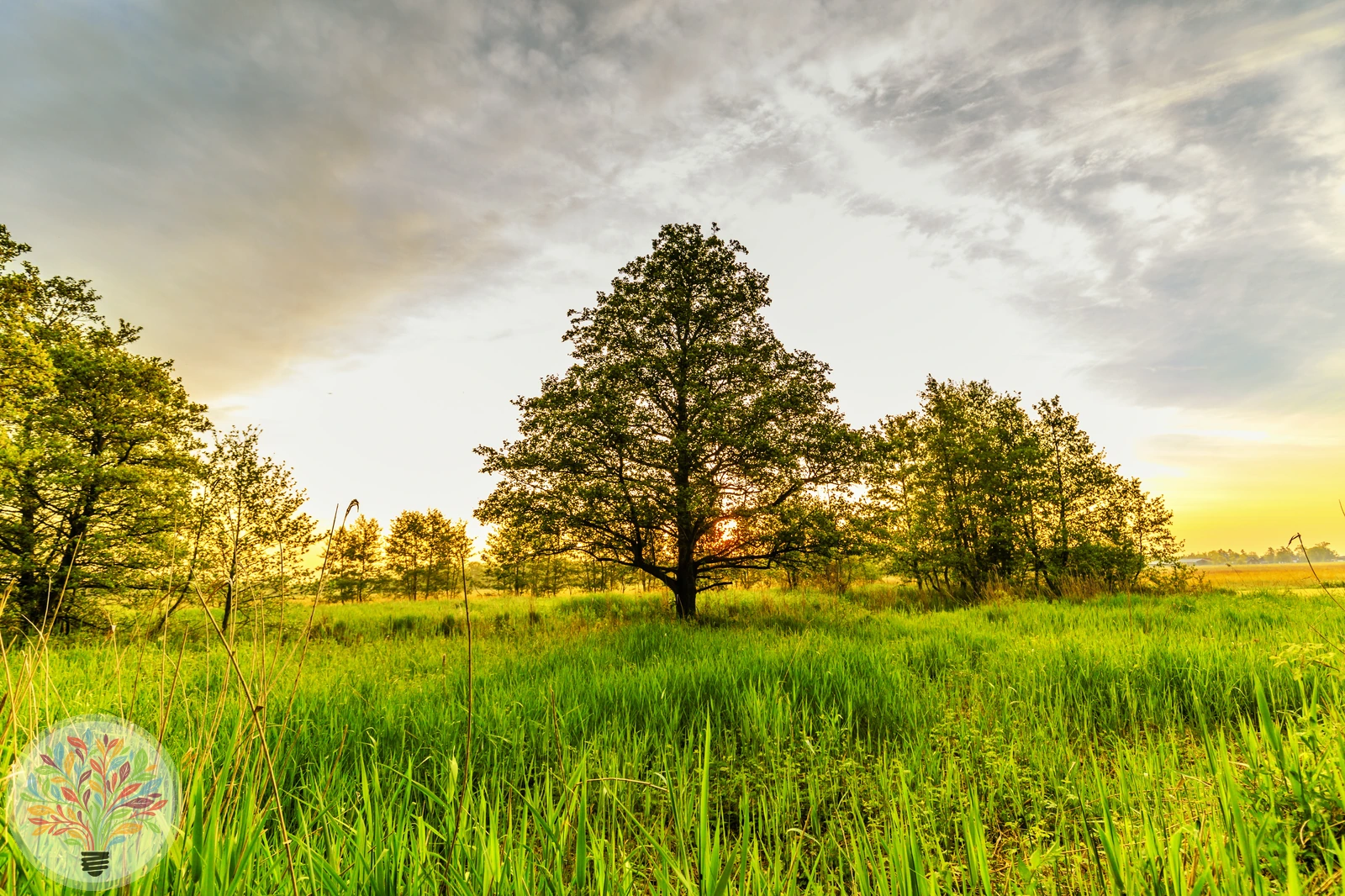
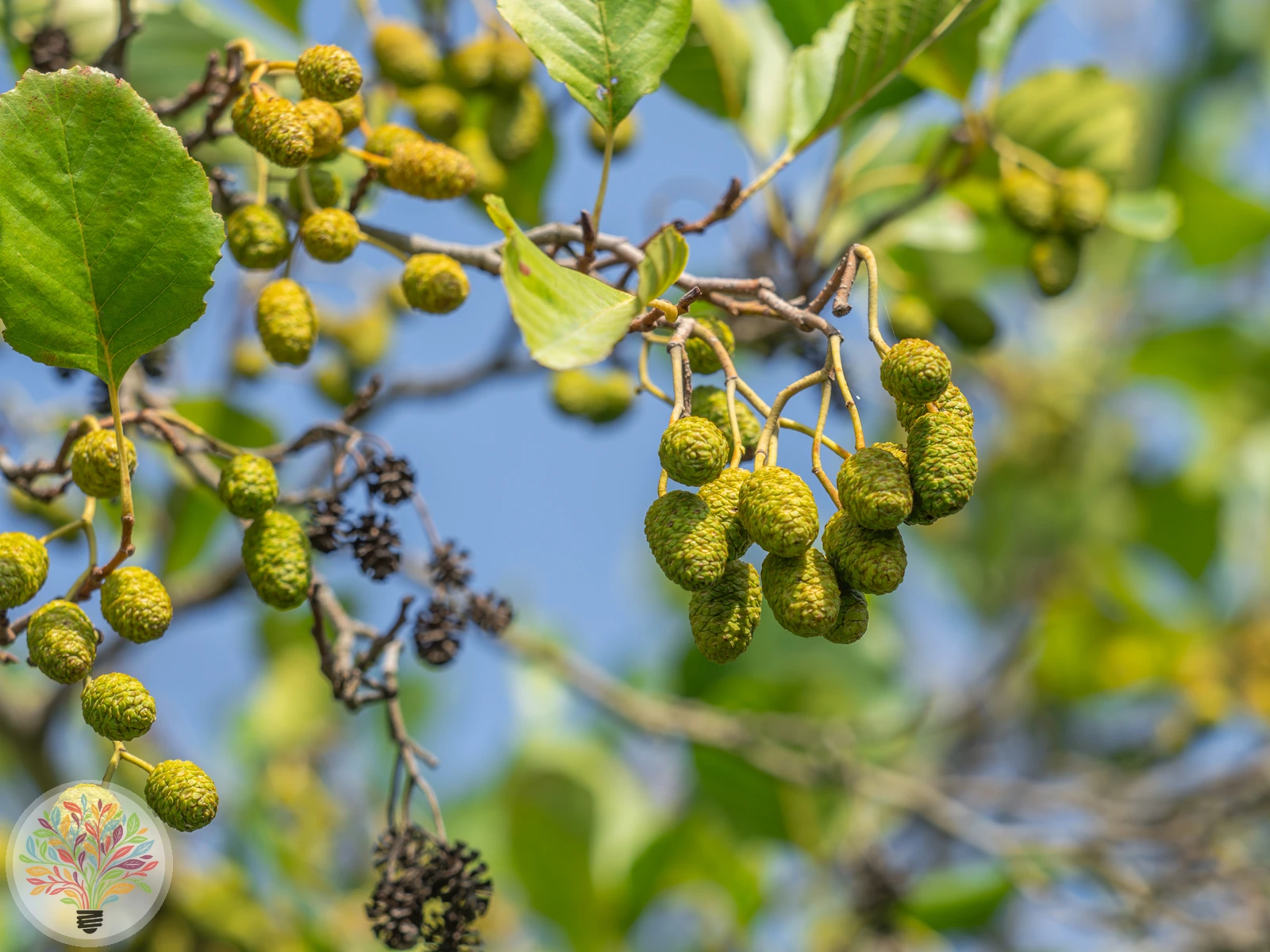
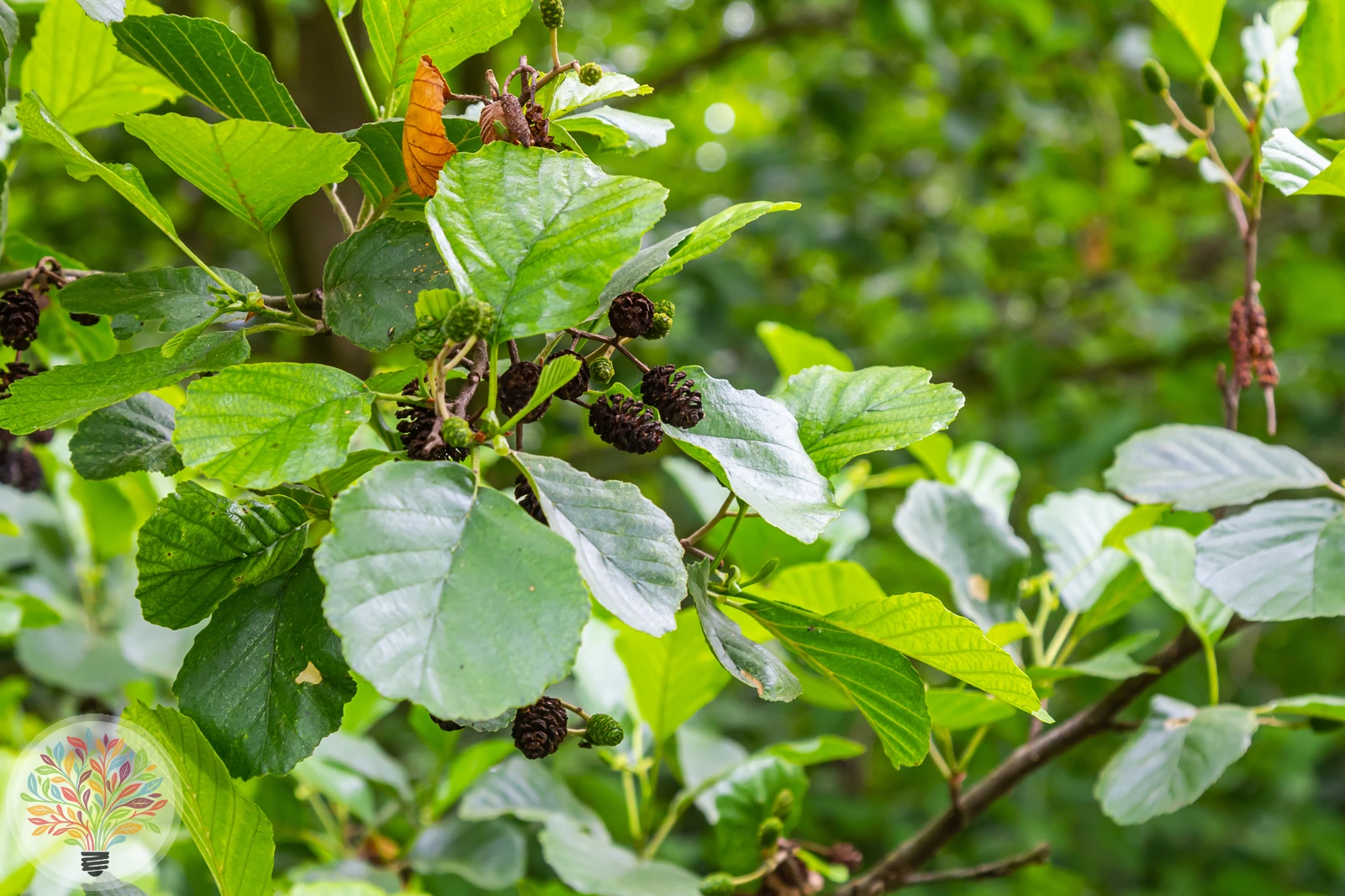
A native deciduous broad-leaved tree of damp habitats, Alnus glutinosa reaches about 18 m in height and bears its catkins between January and March. It thrives in wet, neutral to slightly acid soils in partial shade and forms ectomycorrhizal associations.
Ecological network
Click to highlight connections · Click again to open species page
Netzwerk wird geladen...
PollinationLarval hostFlower visit
Ecological significance
Alnus glutinosa is a native tree in Great Britain, typically found in damp woodlands and along watercourses.
Annual cycle
Catkins appear from January to March. The broad leaves emerge in spring and are shed in autumn.
Standort & Merkmale
Light
Halbschatten
Moisture
Feucht
Soil
—
Bloom time
Jan – Mär
Bioregion
Continental
Growth form
Baum
Woodiness
Verholzt
Leaf type
Breitblättrig
Leaf phenology
Laubabwerfend
Plant height
17.798 m
Morphological traits: TRY ID3 (CC BY 3.0) & TRY ID81 (CC BY)
Pflege & Anbau
•
Light: Grows best in partial shade (half-shade).
•
Moisture: Requires wet to moist soil.
•
Soil type: Prefers neutral to slightly acid soils.
•
Nutrients: Medium feeder; benefits from moderately fertile conditions.
•
Salinity: Tolerates low levels of soil salinity.
•
Form: Deciduous tree, ultimately reaching ~17.8 m in height.
•
Mycorrhiza: Ectomycorrhizal; benefits from the presence of appropriate fungal partners.
Scientific profile
Alnus glutinosa is a deciduous, broad-leaved tree in the birch family (Betulaceae). Mature specimens typically attain a height of around 17.8 metres. The leaves are broad and shed each autumn. The species blooms from January to March. It grows as a tree with woody tissues and has an ectomycorrhizal root symbiosis. Ecologically, it occupies half-shade conditions and prefers wet soils. It tolerates neutral to slightly acid ground, is a medium nutrient-demanding tree, and shows low tolerance to salinity. Disturbance tolerance is low. The temperature regime it favours is moderately warm. The diaspore mass is about 1.6 mg, and the leaf area averages 3070 mm². Alnus glutinosa is native in Great Britain.
Bestäuber & Besucher
7 Arten interagieren mit dieser Pflanze
Hydriomena impluviataEriophyes laevisNematus pavidusSylvia atricapillaVespa velutina nigrithoraxScoliopteryx libatrixLymantria dispar
Host relationships
68 species use this plant as a host
Cossus cossusTetheella fluctuosaOchropacha duplarisEndromis versicoloraPlemyria rubiginataDysstroma truncataEpirrita christyiEuchoeca nebulataHydrelia sylvataVenusia cambricaTrichopteryx carpinataMacaria alternataEpione repandariaEnnomos alniariaSelenia tetralunariaAgriopis aurantiariaParectropis similariaAethalura punctulataCampaea margaritariaFurcula bicuspisAcronicta alniLasiocampa quercusDrepana falcatariaCraniophora ligustriCabera pusariaMniotype adustaHerminia grisealisEpirrita autumnataOrthosia gothicaMimas tiliaeSelenia dentariaAnaplectoides prasinaOrthosia cerasiAgriopis marginariaPoecilocampa populiColotois pennariaAcronicta leporinaBiston stratariaPtilodon capucinaEupithecia exiguataOperophtera fagataCyclophora pendulariaOrgyia recensChloroclysta miataOperophtera brumataEuproctis chrysorrhoeaCabera exanthemataHydrelia flammeolariaPseudoips prasinanaLycia hirtaria
Other flower visitors
41 other species visit the flowers
Dendrocopos majorPicus viridisDryobates minorCarduelis carduelisPlatystomos albinusMelasis buprestoidesHemicoelus costatusPrionus coriariusAnaglyptus mysticusGrammoptera ruficornisPtilinus pectinicornisAlosterna tabacicolorRhagium mordaxNotodonta dromedariusPhalera bucephalaPyrrhula pyrrhulaPsittacula krameriCapreolus capreolusDendrocoptes mediusPolydrusus formosusErnoporicus fagiAcanthis flammeaApoderus coryliAgelastica alniCyanistes caeruleusHarmonia axyridisTrypodendron domesticumSpinus spinusCassida rubiginosaCarabus granulatusAgrilus viridisAgrilus angustulusMalacosoma neustriaNyctalus noctulaBarbastella barbastellusPlecotus auritusPipistrellus pipistrellusMyotis daubentoniiStenocorus meridianusXyleborinus saxeseniiAromia moschata
Sources & data origin
•TraitCH — CC BY 4.0TraitCH 2.0 contributors; imported as source-preserving NaturKompass taxon evidence.
•Cook et al. (2025) UK Butterfly & Moth Traits (DOI: 10.5285/dbc7cc17-cbbd-49dd-bab4-8e8855768d66)
•Interaktionsdaten via GloBI (CC-BY 4.0)
•FloraWeb / BfN
•EIVE 1.0 — Dengler et al. (2023), DOI: 10.3897/VCS.98324 (CC BY 4.0)
•GBIF Backbone Taxonomy — GBIF Secretariat (2024), DOI: 10.15468/39omei (CC BY 4.0)
•TRY Categorical Traits (ID3) — Kattge et al. (2012), DOI: 10.17871/TRY.3 (CC BY 3.0)
•TRY Global Spectrum (ID81) — Díaz et al. (2016/2021), DOI: 10.17871/TRY.81 (CC BY)
•Govaerts R et al. (2025) — World Checklist of Vascular Plants (WCVP) v14. Royal Botanic Gardens, Kew. DOI: 10.34885/xs7h-ze42 (CC BY 4.0)
•Foto: © Zie: http://www.photodigitaal.nl/voorwaarden.html / Adobe Stock / AdobeStock_291035471
All data is licensed under CC BY 4.0, CC0, or compatible. Attribution according to license terms. Full source overview →