Corylus avellana
Corylus avellana
FamilyGenus: Corylusheimisch in Deutschland
🌿
163
Species
interact
🔗
214
Interactions
documented
🐛
87
Host relationships
Species
About this species
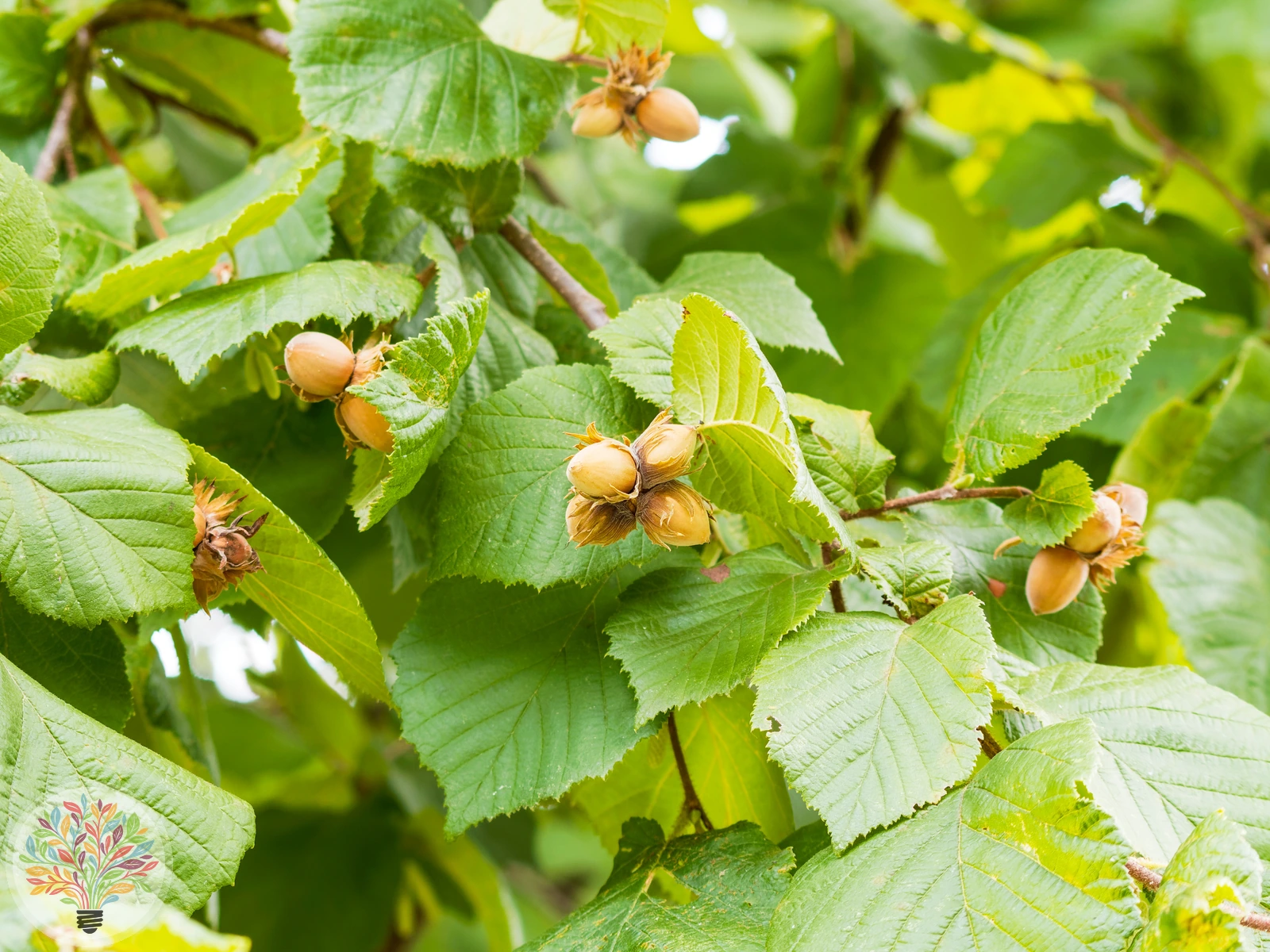
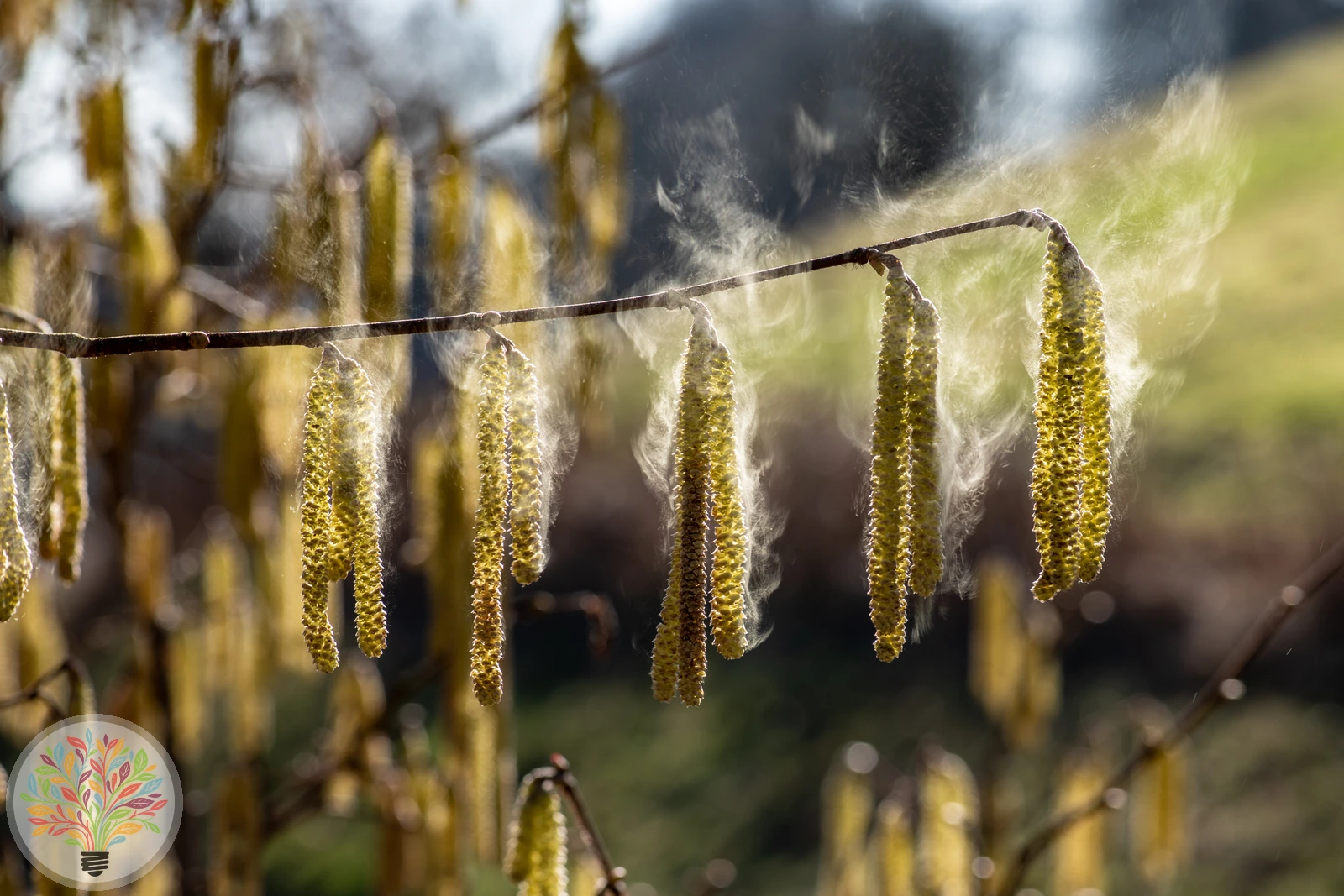
Corylus avellana is a native British deciduous shrub or small tree that bears catkins from January to March.
Ecological network
Click to highlight connections · Click again to open species page
Netzwerk wird geladen...
PollinationLarval hostFlower visit
Ecological significance
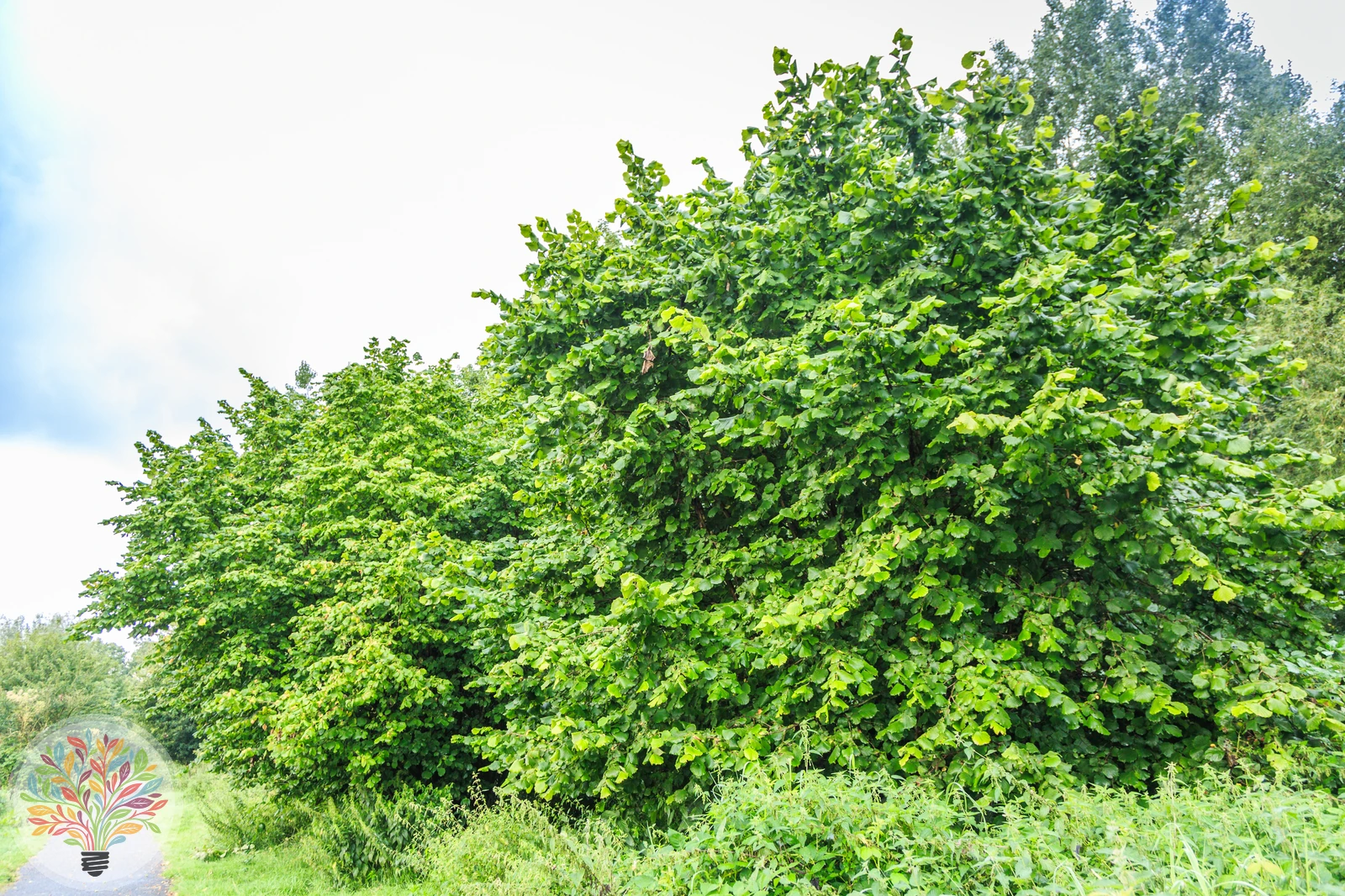
As a native broad-leaved shrub or small tree, Corylus avellana contributes to structural diversity in woodlands and hedgerows.
Annual cycle
Flowering occurs from January to March, with catkins appearing on bare stems. The deciduous leaves emerge in spring and are shed in autumn.
Standort & Merkmale
Light
Halbschatten
Moisture
Frisch (Mäßig feucht)
Soil
Mittelzehrer (Normaler Boden)
Bloom time
Jan – Mär
Soil reaction
Mäßig sauer bis neutral
Bioregion
Continental
Growth form
Strauch/Baum
Woodiness
Verholzt
Leaf type
Breitblättrig
Leaf phenology
Laubabwerfend
Plant height
3.929 m
Morphological traits: TRY ID3 (CC BY 3.0) & TRY ID81 (CC BY)
Pflege & Anbau
Corylus avellana grows best in partial shade and moderately moist, ordinary garden soil. It is a deciduous woody plant that can reach about 4 metres in height.
Scientific profile
Corylus avellana is a broad-leaved, woody, deciduous shrub or small tree in the birch family (Betulaceae). It typically reaches about 4 metres in height. The leaves are broad, averaging 3860 mm² in area. Native in Great Britain, it is commonly found in woodland understories and hedgerows. The plant prefers partial shade and fresh, moderately moist soils that are neutral to slightly acidic. Flowering occurs from January to March with the production of pendulous catkins. It tolerates low-disturbance conditions, reflecting its occurrence in established semi-natural vegetation.
Bestäuber & Besucher
24 Arten interagieren mit dieser Pflanze
Polygonia c-albumCoelioxys inermisAndrena wilkellaOrthosia cerasiOrthosia crudaErannis defoliariaHypomecis punctinalisStrophosoma melanogrammumPhytoptus avellanaeLymantria disparCamptogramma bilineataZilla diodiaAegithalos caudatusPisaura mirabilisVespula germanicaLomographa bimaculataApis melliferaApoderus coryliRhogogaster scalarisEndomychus coccineusBombus pratorumAlcedo atthisCraesus septentrionalisClytus arietis
Host relationships
87 species use this plant as a host
Ochropacha duplarisTrichiura crataegiSaturnia pavoniaEulithis testataEpirrita christyiAsthena albulataHydrelia sylvataEpione repandariaOdontopera bidentataAgriopis aurantiariaParectropis similariaAethalura punctulataCampaea margaritariaGeometra papilionariaJodis lacteariaEuproctis similisCalliteara pudibundaEpirrita autumnataColocasia coryliAsteroscopus sphinxEuplexia luciparaOrthosia incertaSchizotus pectinicornisAdalia bipunctataNoctua jantheXestia ditrapezium (Denis & Schiffermüller), 1775Pseudoips prasinanaLacanobia oleraceaLasiocampa quercusHabrosyne pyritoidesNotodonta dromedariusLomaspilis marginataOpisthograptis luteolataCraniophora ligustriCabera pusariaPhlogophora meticulosaMesoleuca albicillataHydriomena furcataHerminia grisealisCosmia trapezinaDiarsia mendicaAlcis repandataSelenia dentariaEupsilia transversaMimas tiliaeMelanchra persicariaeEpirrita dilutataDicallomera fascelinaColotois pennariaAgriopis marginaria
Other flower visitors
52 other species visit the flowers
Capreolus capreolusPtinomorphus imperialisAgrilus angustulusMicrorhagus pygmaeusStenurella nigraPtilinus pectinicornisLucanus cervusRhagium bifasciatumMyodes glareolusHippodamia variegataApodemus sylvaticusPhalera bucephalaUrsus arctosMuscardinus avellanariusSciurus vulgarisSciurus carolinensisTrachys minutusCoccinella septempunctataPsyllobora vigintiduopunctataAgrilus viridisTenthredo lividaApodemus flavicollisSitta europaeaGlis glisNucifraga caryocatactesAdalia decempunctataOenopia conglobataVibidia duodecimguttataDendrocopos majorPhyllobius pyriPlagiosterna aeneaAnaglyptus mysticusPhyllobius oblongusHarmonia axyridisFormica fuscaGibbaranea gibbosaAgelastica alniPhyllobius argentatusPica picaPolydrusus cervinusPolydrusus formosusGrammoptera ruficornisMisumena vatiaMelasis buprestoidesMyotis nattereriPlecotus auritusHemicoelus costatusRutpela maculataCerambyx scopoliiSinodendron cylindricum
Sources & data origin
•Cook et al. (2025) UK Butterfly & Moth Traits (DOI: 10.5285/dbc7cc17-cbbd-49dd-bab4-8e8855768d66)
•Interaktionsdaten via GloBI (CC-BY 4.0)
•pollinator_interactions
•Baden-Böhm F, App M, Thiele J (2022) — The FloRes Database: A floral resources trait database for pollinator habitat-assessment generated by a multistep workflow. Johann Heinrich von Thünen-Institut, Dryad, DOI: 10.5061/dryad.djh9w0w29 (CC0)
•FloraWeb / BfN
•EIVE 1.0 — Dengler et al. (2023), DOI: 10.3897/VCS.98324 (CC BY 4.0)
•GBIF Backbone Taxonomy — GBIF Secretariat (2024), DOI: 10.15468/39omei (CC BY 4.0)
•TRY Categorical Traits (ID3) — Kattge et al. (2012), DOI: 10.17871/TRY.3 (CC BY 3.0)
•TRY Global Spectrum (ID81) — Díaz et al. (2016/2021), DOI: 10.17871/TRY.81 (CC BY)
•Govaerts R et al. (2025) — World Checklist of Vascular Plants (WCVP) v14. Royal Botanic Gardens, Kew. DOI: 10.34885/xs7h-ze42 (CC BY 4.0)
•Foto: © Adobe Stock / AdobeStock_288456968
All data is licensed under CC BY 4.0, CC0, or compatible. Attribution according to license terms. Full source overview →