Crataegus monogyna
Crataegus monogyna
FamilyGenus: Crataegusheimisch in Deutschland
🌿
220
Species
interact
🔗
598
Interactions
documented
🐛
76
Host relationships
Species
About this species
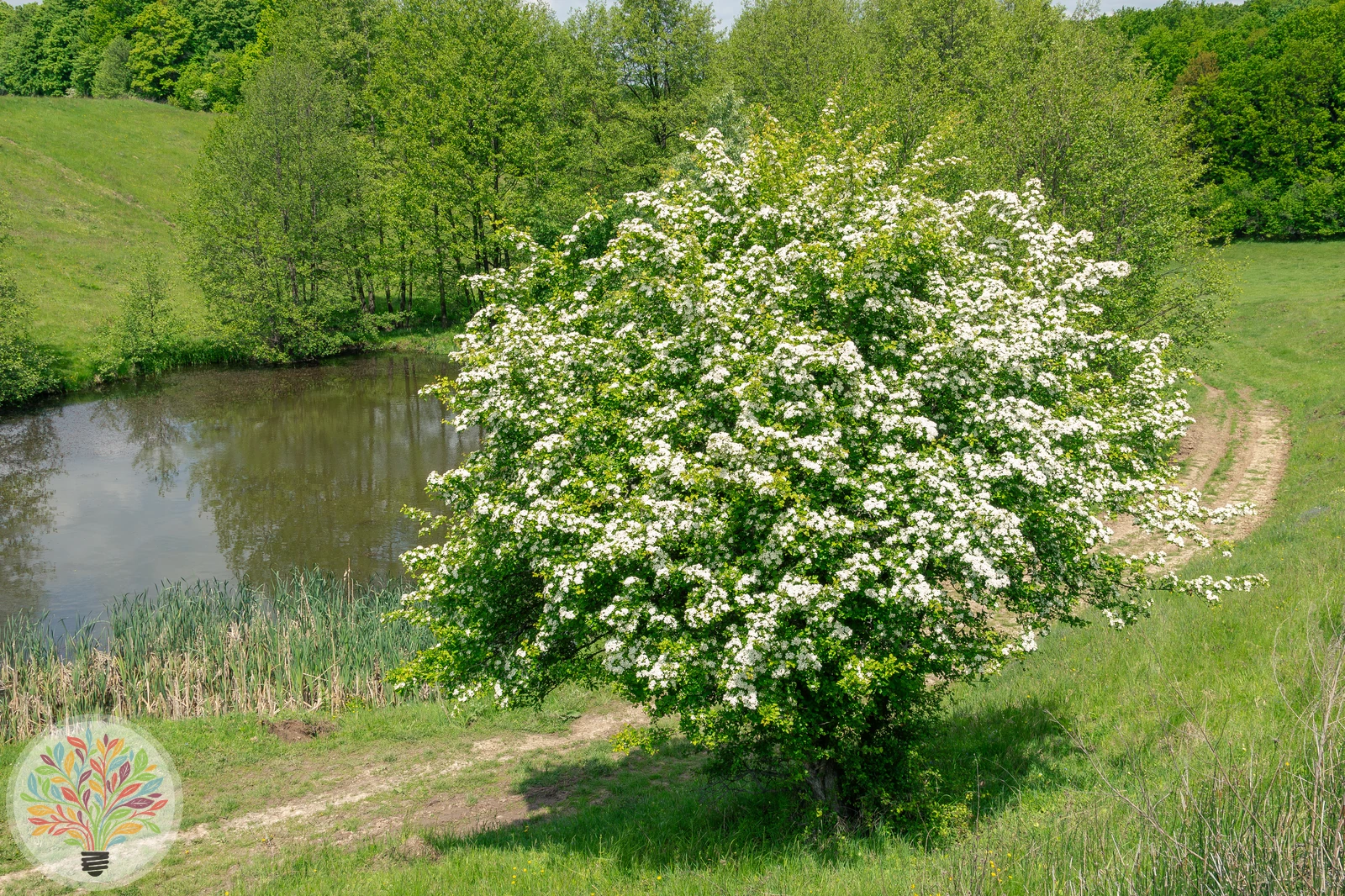
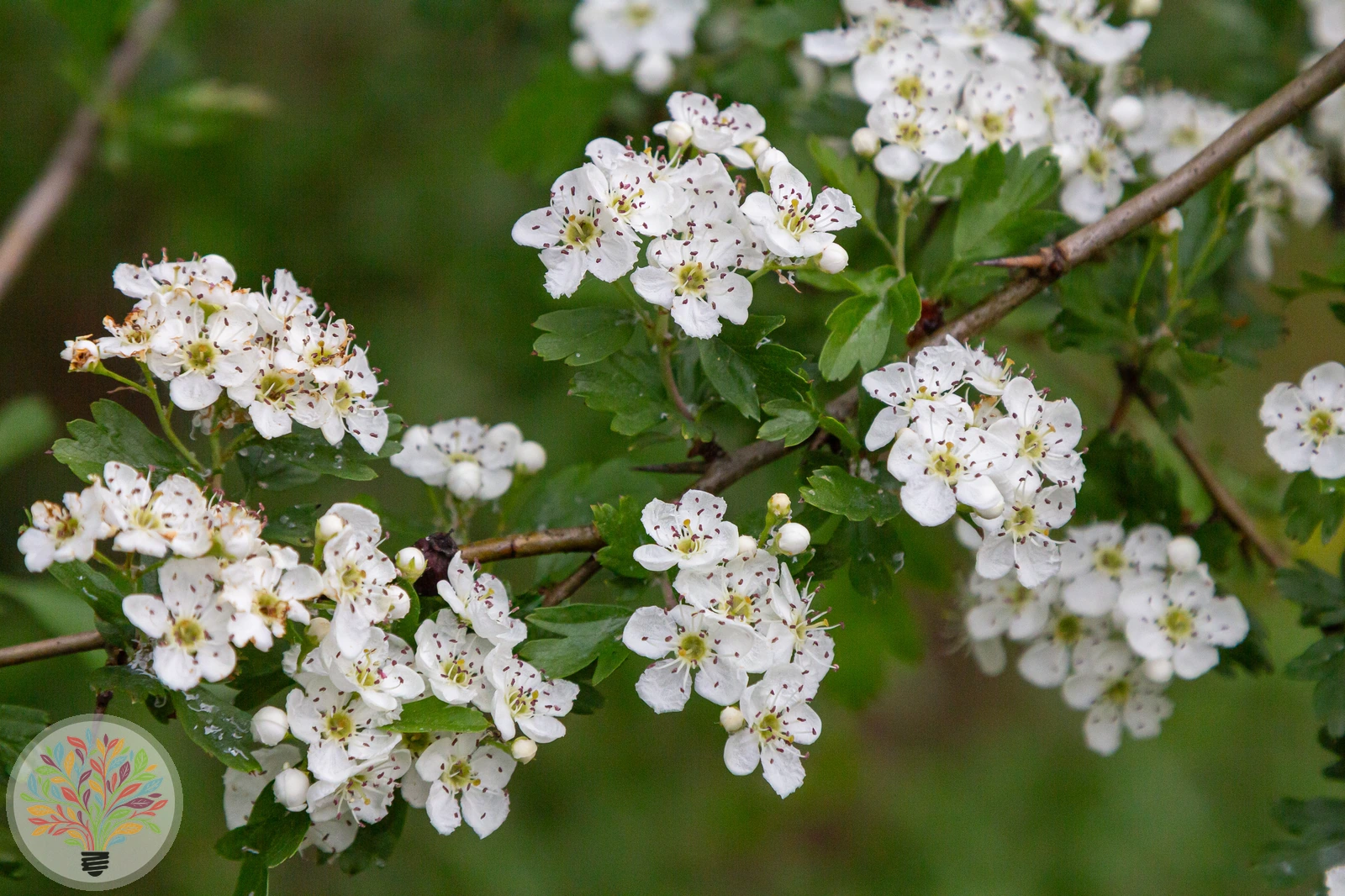
Crataegus monogyna is a deciduous shrub or small tree native in Great Britain. It typically reaches a height of about 4.3 metres. The plant blooms from May to June and grows best in full sun on fresh, moderately moist soils of average fertility. Its leaves are broad and it is fully woody, with a terrestrial habit suited to low-disturbance fresh meadow conditions.
Ecological network
Click to highlight connections · Click again to open species page
Netzwerk wird geladen...
PollinationLarval hostFlower visit
Ecological significance
Crataegus monogyna is a native component of fresh meadow habitats with low disturbance. It occurs as part of the shrub layer in such settings and shows no evidence of becoming invasive in Great Britain.
Annual cycle
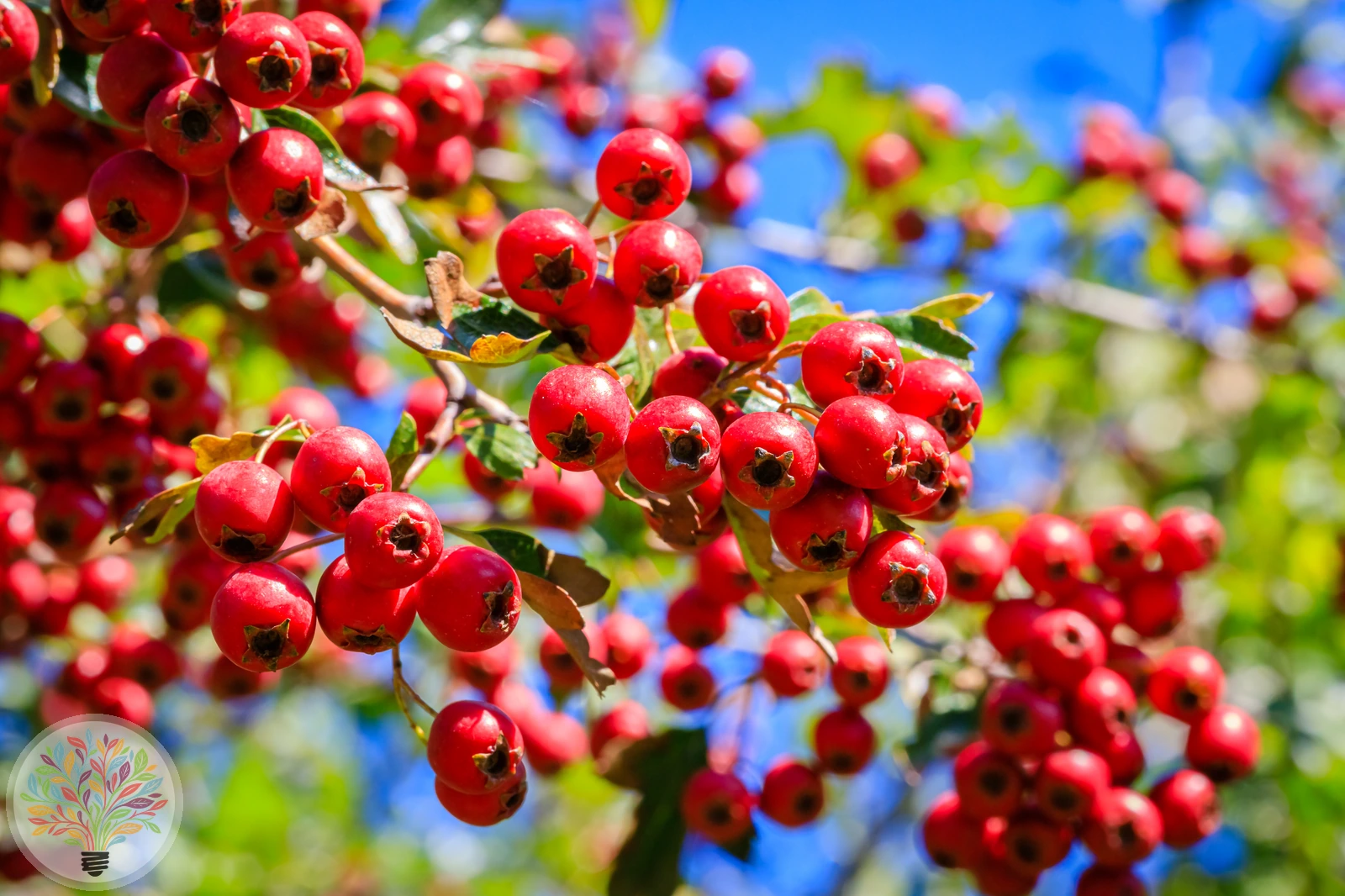
In spring, fresh green leaves unfurl. Flowering takes place in May and June. The foliage remains through summer and then turns colour before falling in autumn. The plant rests dormant over winter as bare woody branches.
Standort & Merkmale
Light
Sonne
Moisture
Frisch (Mäßig feucht)
Soil
Mittelzehrer (Normaler Boden)
Bloom time
Mai – Jun
Soil reaction
Basisch / Kalkhold
Bioregion
Continental
Growth form
Strauch/Baum
Woodiness
Verholzt
Leaf type
Breitblättrig
Leaf phenology
Laubabwerfend
Plant height
4.264 m
Morphological traits: TRY ID3 (CC BY 3.0) & TRY ID81 (CC BY)
Pflege & Anbau
•
Plant in full sun in a spot with moderately moist but well-drained soil of average fertility.
•
No special feeding is required; ordinary garden soil is suitable.
•
Once established, the plant tolerates occasional dry spells but performs best with consistent moisture.
•
Pruning is rarely necessary beyond removing dead, damaged or crossing branches.
Scientific profile
Crataegus monogyna belongs to the rose family (Rosaceae) and the genus Crataegus. It is a deciduous, broadly leaved woody plant, taking the form of a shrub or small tree. Typical height is around 4.3 metres, and the leaf area averages 572.5 square millimetres. The diaspores (seeds) have a mass of approximately 82.3 milligrams. It flowers from May to June. The species is terrestrial and adapted to full sun (Ellenberg light value 7) and fresh, moderately moist soil (moisture value 4). Its preferred substrate is normal mesotrophic soil. Ecologically it is found in fresh meadows that are moderately poor in nutrients, and it tolerates only low levels of disturbance. The plant is deciduous, shedding its leaves in autumn.
Bestäuber & Besucher
96 Arten interagieren mit dieser Pflanze
Andrena bicolorAndrena chrysoscelesAndrena cinerariaAndrena flavipesAndrena fulvaAndrena haemorrhoaAndrena humilisAndrena minutulaAndrena nigroaeneaAndrena subopacaAndrena wilkellaHalictus rubicundusHalictus tumulorumHylaeus communisLasioglossum albipesLasioglossum calceatumLasioglossum fulvicorneLasioglossum lativentreLasioglossum leucopusLasioglossum leucozoniumLasioglossum malachurumLasioglossum morioLasioglossum parvulumLasioglossum pauxillumLasioglossum puncticolleLasioglossum smeathmanellumLasioglossum villosulumSphecodes gibbusAndrena nitidaBombus campestrisNomada fabricianaNomada ruficornisBombus hortorumBombus lapidariusBombus pascuorumBombus pratorumBombus ruderatusBombus rupestrisChrysotoxum bicinctumEpisyrphus balteatusEupeodes corollaeEupeodes latifasciatusEupeodes lunigerMelanostoma mellinumPipizella viduataPlatycheirus albimanusPlatycheirus clypeatusPlatycheirus manicatusPlatycheirus peltatusScaeva pyrastri
Host relationships
76 species use this plant as a host
Cilix glaucataTrichiura crataegiGastropacha quercifoliaSaturnia pavoniaAnticlea derivataDysstroma truncataGymnoscelis rufifasciataPasiphila rectangulataEupithecia dodoneataEnnomos quercinariaOurapteryx sambucariaParectropis similariaCampaea margaritariaJodis lacteariaAgrochola lychnidisAgrochola helvolaAgrochola macilentaAgrochola lituraOrthosia incertaDiarsia dahliiNoctua fimbriataXestia ditrapezium (Denis & Schiffermüller), 1775Nola cucullatellaLomographa bimaculataLasiocampa quercusHabrosyne pyritoidesXestia bajaOpisthograptis luteolataCrocallis elinguariaXestia xanthographaPhalera bucephalaEpirrita autumnataNoctua comes HübnerNaenia typicaSelenia dentariaEupsilia transversaOrthosia cerasiEpirrita dilutataAgriopis marginariaPoecilocampa populiXestia triangulumMormo mauraConistra vacciniiEupithecia vulgataAngerona prunariaZeuzera pyrinaEupithecia subfuscataPtilodon capucinaChloroclystis v-ataAcasis viretata
Other flower visitors
48 other species visit the flowers
Cetonia aurataFormica fuscaTrichius gallicusCalliphoraTenebrio obscurusAnaspis frontalisBibio leucopterusBibio marciEmpis nuntiaEmpis tessellataPegoplata aestivaThricops nigrifronsThricops semicinereusCalliphora vicinaEaromyia virilisEmpis praeviaHelina impunctaLucilia caesarMuscina levidaOscinella fritByturus tomentosusCantharis decipiensGrammoptera ruficornisIsomira murinaMeligethes aeneusAchrysocharoides atysAlloxysta victrixBlastodacna hellerellaChlorops hypostigmaChlorops pumilionisChrysocharis pentheusDilophus febrilisGlyphipterix simpliciellaHoplocampa crataegiIschnomera cyaneaMalachius bipustulatusOedemera nobilisPnigalio soemiusScathophaga stercorariaSympiesis sericeicornisMusca autumnalisPollenia angustigenaSarcophaga carnariaSarcophaga subvicinaSarcophaga variegataTachina feraTrichius zonatusSyrphidae unknown
Sources & data origin
•Cook et al. (2025) UK Butterfly & Moth Traits (DOI: 10.5285/dbc7cc17-cbbd-49dd-bab4-8e8855768d66)
•FloRes_2022
•Mendeley_UK_2022
•pollinator_interactions
•FloraWeb / BfN
•EIVE 1.0 — Dengler et al. (2023), DOI: 10.3897/VCS.98324 (CC BY 4.0)
•GBIF Backbone Taxonomy — GBIF Secretariat (2024), DOI: 10.15468/39omei (CC BY 4.0)
•TRY Categorical Traits (ID3) — Kattge et al. (2012), DOI: 10.17871/TRY.3 (CC BY 3.0)
•TRY Global Spectrum (ID81) — Díaz et al. (2016/2021), DOI: 10.17871/TRY.81 (CC BY)
•Govaerts R et al. (2025) — World Checklist of Vascular Plants (WCVP) v14. Royal Botanic Gardens, Kew. DOI: 10.34885/xs7h-ze42 (CC BY 4.0)
•Foto: © Adobe Stock / AdobeStock_1287619988
All data is licensed under CC BY 4.0, CC0, or compatible. Attribution according to license terms. Full source overview →