Main article
Science Over Gardening Myths: How to Design a Biodiverse Garden Based on Ecological Data
Created with AI and translated(learn more)
This article was generated automatically based on the stated sources and translated into this language. The underlying video descriptions were editorially reviewed; this article itself was not individually reviewed by a subject-matter editor.
More about our AI transparencyDiscover science-based wildlife gardening: why 70–75% of wild bees nest in the soil, deadwood is indispensable, and fish-free ponds harbour greater diversity.
Brief Summary
Much widely circulated wildlife gardening advice sounds compelling, yet rarely withstands scientific scrutiny. Ecological databases such as GBIF and GloBI reveal that biodiversity relies on intricate networks. Anyone wishing to support species in the garden effectively should rely on concrete facts: roughly 70 to 75% of native wild bees nest in the ground rather than in traditional bee hotels, over 1,500 beetle species depend on deadwood, and species-rich ponds function best without fish stocking.
Introduction: Why Wildlife Gardening Requires Verified Data
When engaging with wildlife gardening, you encounter countless recommendations: certain plants are touted as universal "miracle flowers" for all insects, standardised insect hotels are supposed to save the entire wild bee population, and well-intentioned maintenance tasks are prematurely deemed indispensable. Yet many of these claims rely on recycled anecdotes and subjective opinions rather than robust ecological evidence.
Ecosystems are highly interconnected systems. Behind every species—whether bee, butterfly, beetle, or plant—lies a web of mutual interdependencies. To create effective habitats in one's own garden, a shift in perspective is well worthwhile: away from mere conjecture towards an evidence-based approach. This is precisely where the premise of modern biodiversity platforms such as NaturKompass comes into play: processing scientific datasets from ecological research into accessible formats and making them usable for practical gardening work.
Understanding Networks: What Biodiversity Databases Reveal
Ecological research increasingly relies today on worldwide, aggregated datasets. Two central pillars of this research are:
- GBIF (Global Biodiversity Information Facility): A global network aggregating geographically referenced observation records of animals, plants, and fungi. These data allow one to trace which species actually occur in a region (such as Germany, Austria, and Switzerland) and where their distribution boundaries lie.
- GloBI (Global Biotic Interactions) & GBIF-Traits: Databases documenting specific biological interactions. These record which insect species collect nectar or pollen from which plant, which butterfly caterpillars depend on specific larval food plants, and which predator-prey relationships exist.
These datasets make one thing clear: biodiversity cannot be viewed in isolation. Specialised insects (monolectic or oligolectic species that harvest pollen exclusively from particular plant families or genera) rely strictly on the precise presence of their partner plants. If the plant is missing, the insect disappears—even if alternative nectar sources are abundantly available.
Scientific caveat: Documented interactions and observation data illustrate ecological potential. However, they do not guarantee that every species will appear immediately in your garden, as local factors such as microclimate, soil properties, and the surrounding landscape matrix play a decisive role.
Three Scientifically Proven Levers for Greater Diversity
Looking beyond generic planting lists, baseline ecological data highlight very specific focal points you can address in the garden.
1. Bare Ground and Sandariums Instead of Mere Nesting Blocks
The classic "insect hotel" containing drilled blocks of wood or reed stems caters exclusively to cavity-nesting species. Looking at the nesting ecology of native species, however, drastically puts this benefit into perspective:
- The data finding: Between 70% and 75% of native wild bee species do not nest in above-ground cavities, but dig their nests in the soil (endogeic lifestyle).
- The implication: Offering only tubes ignores the vast majority of the wild bee fauna. Sun-exposed, un-vegetated patches of soil, sand and loess banks, and unsealed paving joints are the most critical resources for conserving these species.
2. Deadwood as a Complex Microcosm
Deadwood in gardens is often perceived as untidy and removed swiftly. From an ecological standpoint, however, dying or dead wood represents one of the most species-rich features of all:
- The data finding: Over 1,500 beetle species in Central Europe are directly tied to deadwood structures (xylophagous and saproxylic species), accompanied by countless fungi and lichens.
- The function: Beetle larvae break down the wood over many years, excavating galleries that subsequently serve as shelter for other insects. At the same time, decaying wood provides the nutritional foundation for specialised fungal communities.
3. Water Bodies Without Predatory Fish
A garden pond is regarded as a magnet for amphibians and insects. However, the structure and management of the water body determine its true ecological value:
- The data finding: Natural small and micro-water bodies that are fish-free serve as primary breeding sites for endangered amphibians (such as newts, toads, and frogs) as well as numerous dragonfly and damselfly species.
- The issue with stocking fish: Introducing ornamental fish (such as goldfish) fundamentally alters the aquatic ecosystem. Fish consume almost all amphibian spawn, tadpoles, and dragonfly larvae, and cause water turbidity through nutrient input, leading to the loss of specialised aquatic plants.
Practical Guide: Four Steps to a Data-Driven Wildlife Garden
If you wish to remodel your garden in line with these findings, you can take a structured approach. Focus on manageable, phased steps.
[1. Analysis]    Assess regional conditions and soil properties
       ↓
[2. Bare Ground] Establish open ground and sandariums for the 70–75% of ground-nesters
       ↓
[3. Deadwood]    Integrate horizontal and upright deadwood structures in full sun
       ↓
[4. Small Pond]  Create fish-free shallow water zones and mini-ponds
Step 1: Analysis of the baseline situation
Check the conditions your garden offers. What soil type (sand, loam, clay) is present? Where are the fully sunny, dry zones, and where are the shaded, damp areas? Plan plantings to match these actual site characteristics rather than attempting to alter the soil artificially.
Step 2: Create open ground and sandariums
- Leave sections of borders free from dense bark mulch, weed control membranes, or dense planting.
- Create a sandarium in a fully south-facing position: excavate a pit (approx. 30–50 cm deep) and backfill it with unwashed, loamy sand. Unwashed sand contains fine particles that ensure bees' excavated nesting burrows do not immediately collapse.
- Keep the surface largely free of vegetation to ensure the soil warms up effectively in the sun.
Step 3: Establish permanent deadwood elements
- Gather woody prunings, thick branches, or log segments and stack them in a sunny to partially shaded spot.
- Combine horizontal deadwood with hardwood logs sunk vertically into the ground (a "beetle stack" or deadwood posts). Standing deadwood warms up more rapidly and dries out differently to lying logs, benefiting different specialists.
- Avoid treating the wood with preservatives or turning it over regularly; the decay process must be allowed to proceed undisturbed over several years.
Step 4: Integrate a fish-free wetland habitat
- Even small water features (sunken builder's tubs, small liner ponds) have a tremendous impact.
- Always design shallow, easily accessible shoreline zones using stones and gravel so that insects or small mammals that fall in can climb out unaided.
- Dispense with fish entirely. Instead, plant the water feature with native submerged oxygenators and marginal aquatic plants, which naturally oxygenate the water and absorb nutrients.
Comparison Table: Garden Interventions Fact-Checked
The following overview compares widely practised approaches with scientifically substantiated alternatives:
| Area | Widely Practised Measure | Scientifically Founded Approach | Ecological Context (Evidence Base) |
|---|---|---|---|
| Wild bees | Hanging up commercially sold insect hotels with tubes | Creating sandariums and keeping patches of bare ground clear | Approx. 70–75% of Central European wild bees nest in the soil; tubes are used by only a few species. |
| Woody plant care | Chipping and carting away branch cuttings for "tidiness" | Retaining thick log and branch sections in sunny positions | Over 1,500 beetle species, as well as specialised fungi and lichens, require deadwood in various stages of decay. |
| Aquatic habitat | Garden pond stocked with ornamental fish (e.g. goldfish) | Fish-free small water body with stepped shallow-water zones | Goldfish decimate the spawn and larvae of amphibians and dragonflies; fish-free waters maximise reproductive success. |
| Plant selection | Selection based on visual floral display or generic "bee-friendliness" | Selection informed by documented plant-insect networks (e.g. GloBI) | Specialised wild bees and caterpillars depend on specific native plant genera. |
Limitations and Frequently Asked Questions (FAQ)
Do databases such as GBIF and GloBI guarantee success in my garden?
No. Data from the GBIF network and GloBI reflect verified biological interactions and regional occurrences. Whether a species actually establishes itself in your garden depends on higher-level ecological corridors, local pesticide exposure, microclimate, and the overall status of surrounding populations. The data do, however, point you towards the most effective path.
Are traditional nesting aids ("bee hotels") entirely useless?
No, they are not useless, but their benefits are often overstated. They support resilient, above-ground cavity nesters (such as certain mason bee species) and are outstanding for nature observation. As a standalone measure against insect decline, however, they fall short because they completely neglect the needs of the 70–75% of ground-nesting species.
Why do goldfish cause so much harm in a wildlife pond?
Goldfish are opportunistic omnivores exerting intense predation pressure. They devour amphibian spawn, newt larvae, and aquatic insect stages. Furthermore, they forage by rooting through sediment, which causes turbidity and reduces the light penetration vital for submerged aquatic plants.
How does science handle uncertainties?
Ecological knowledge develops continuously. Where unequivocal data are not yet available—such as regarding specific interactions between non-native plants (neophytes) and native fauna, or the precise decline rates of individual insect populations—this must be stated transparently. Rigorous conservation makes a clear distinction between verified causal relationships and preliminary hypotheses.
Sources and Further Reading
- NaturKompass Platform: Conceptual framework for connecting scientific biodiversity data with wildlife gardening modules.
- GBIF (Global Biodiversity Information Facility): Open spatial data on global and regional species occurrences (CC BY 4.0), referenced in the NaturKompass framework.
- GloBI (Global Biotic Interactions) & GBIF-Traits: Databases of biological interactions (plant-pollinator, host relationships), referenced in the NaturKompass framework.
- Thematic foundation and guiding concepts: YouTube description on the platform philosophy.
- Note on commercial links: The online shop mentioned in this context (Gartenexpedition Shop) sells wild plants and seeds; however, it does not constitute an independent source of scientific evidence.
- Unverified sources: During research, external links to the WhatsApp channel (
whatsapp.com/channel/...) and the TinyURL newsletter were technically inaccessible; they have therefore not been considered for this article.
Matching products
Available at Gartenexpedition.de
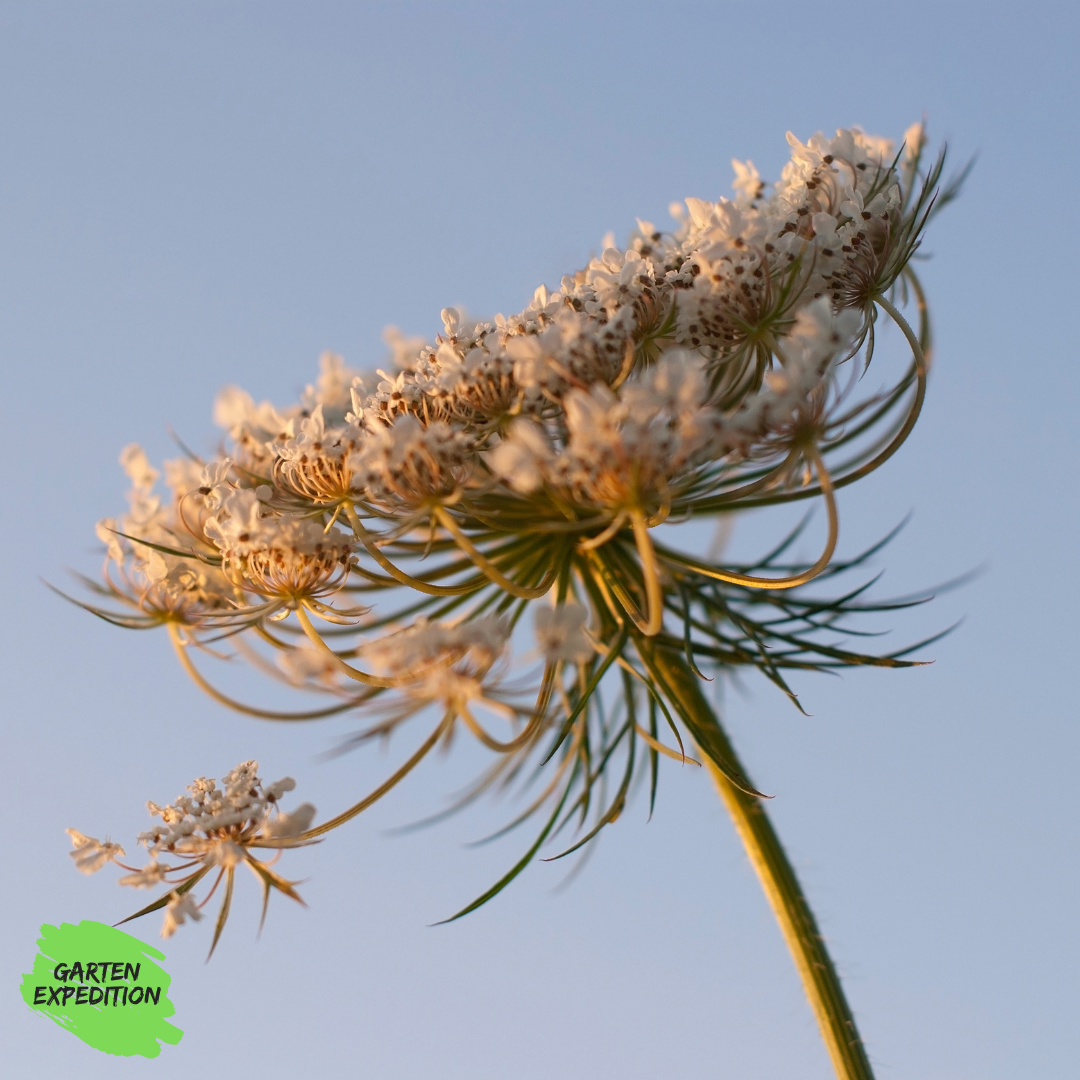
Wilde Möhre (Daucus carota)
2,50 €
incl. VAT, plus shipping costs
To shop →
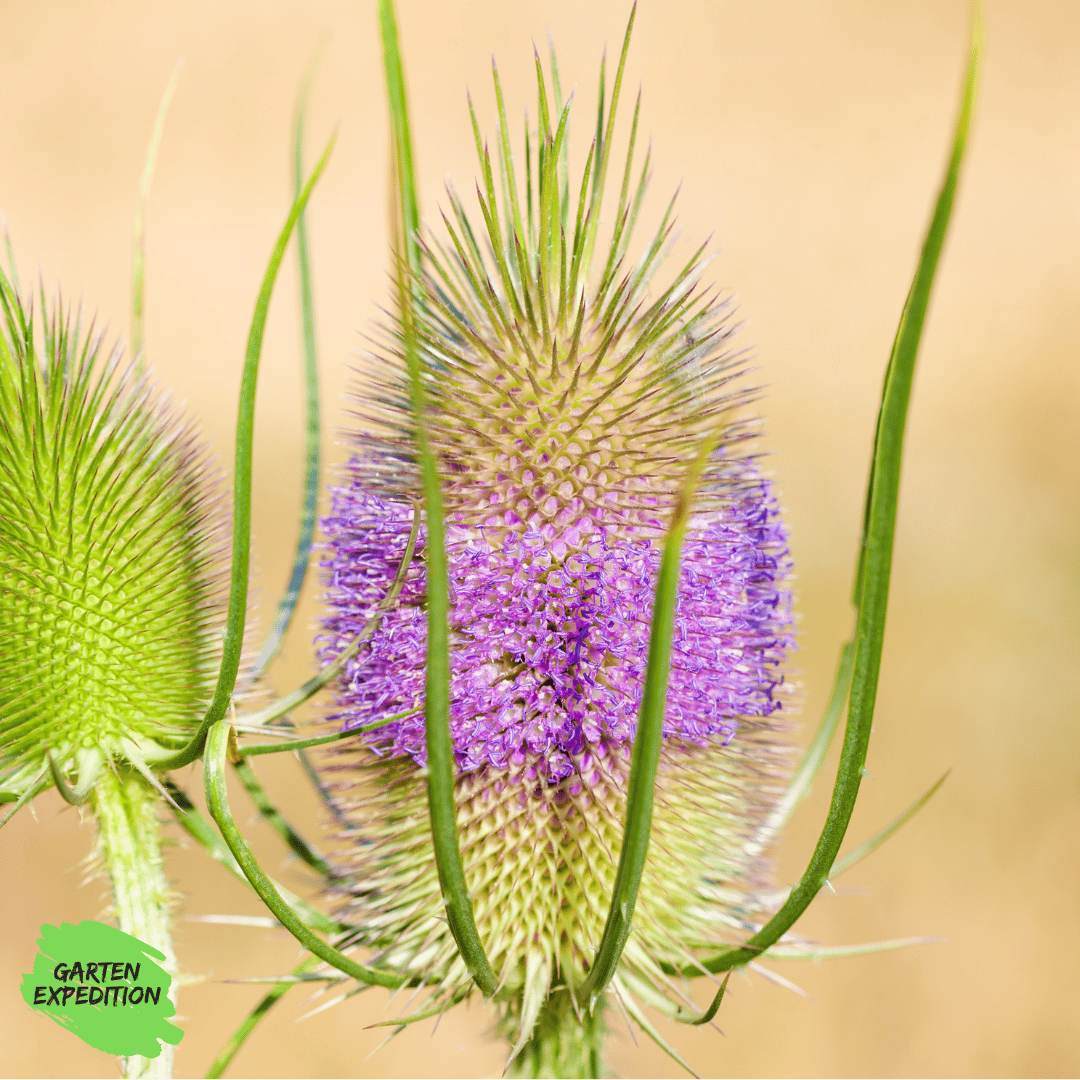
Wilde Karde (Dipsacus fullonum)
3,27 €
incl. VAT, plus shipping costs
To shop →
Partner note: The linked products are from Gartenexpedition.de. By purchasing, you support our work.
Keywords
All species data comes from scientific sources (CC BY 4.0 / CC0). Attribution according to licence terms. Complete source overview →
Last updated: 09/09/2026. Corrections can be reported via the feedback form.