Epilobium hirsutum
Epilobium hirsutum
FamilyGenus: Epilobiumnative in Germany
🌿
77
Species
interact
🔗
204
Interactions
documented
🐛
2
Host relationships
Species
About this species
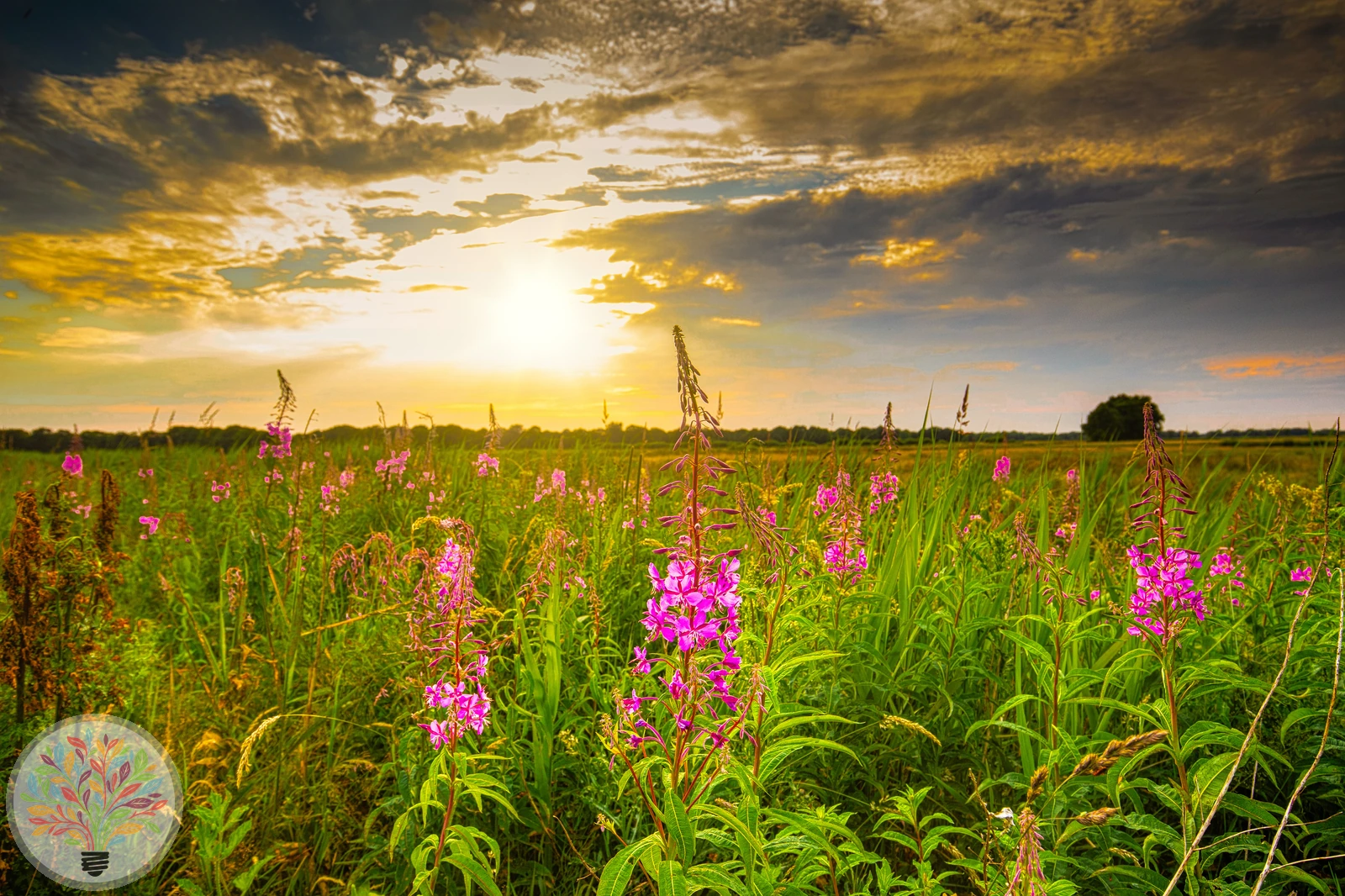
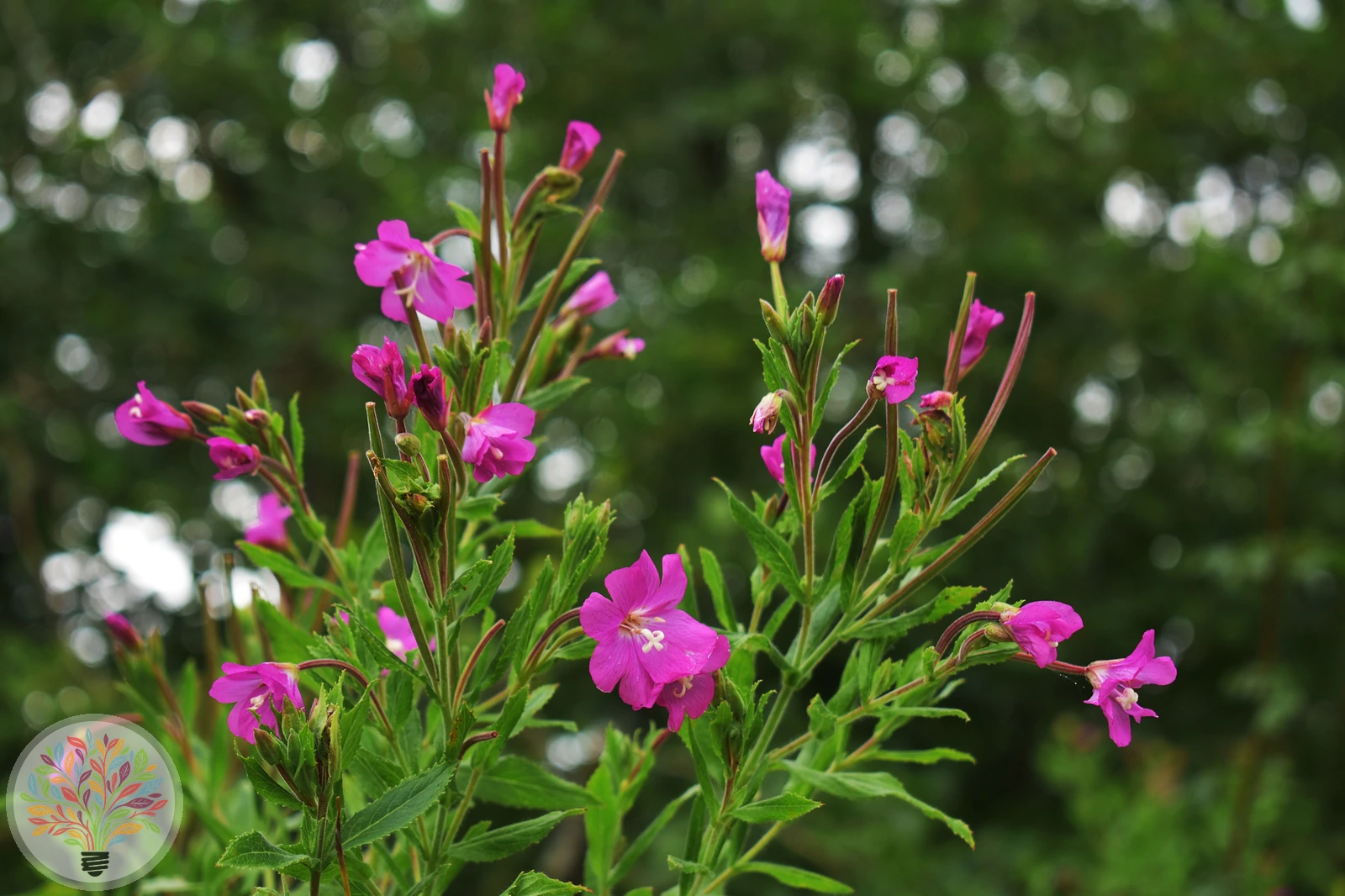
Epilobium hirsutum is a native herbaceous perennial in Great Britain, growing in sunny, moist, nutrient-rich, calcareous places. It bears broad leaves and pink blooms from May to September.
Ecological network
Click to highlight connections · Click again to open the species page
Loading network...
PollinationLarval hostFlower visit
Ecological significance
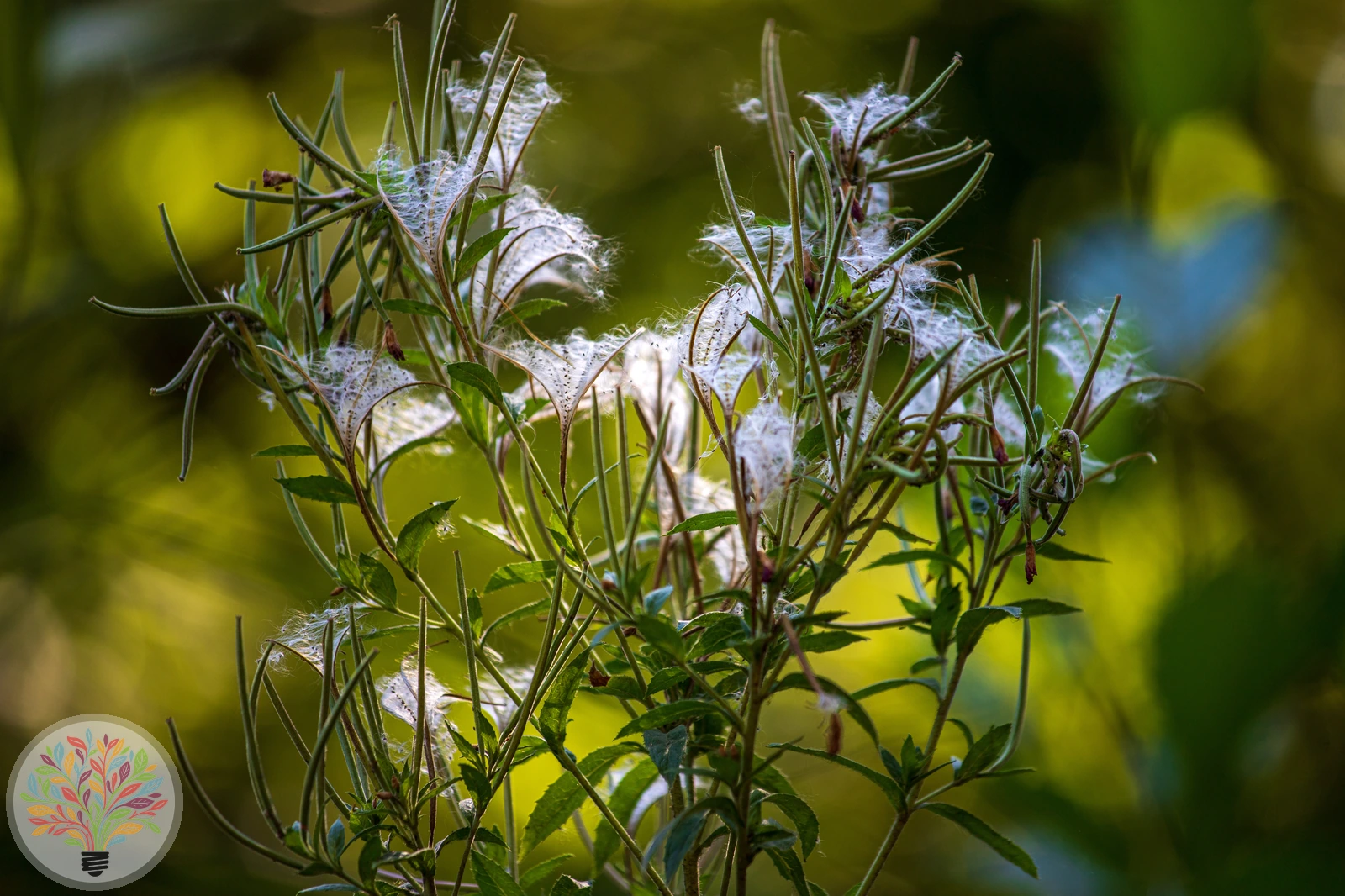
Epilobium hirsutum is adapted to sunny, moist, nutrient-rich, calcareous environments with low disturbance. It is not salt-tolerant and its tiny seeds are wind-dispersed.
Annual cycle
Flowering occurs from May to September. Top growth dies back over winter, with fresh shoots emerging in spring.
Standort & Merkmale
Light
Sonne
Moisture
Frisch (Mäßig feucht)
Soil
Starkzehrer (Nährstoffreicher/Fetter Boden)
Flowering period
Mai – Sep
Soil reaction
Basisch / Kalkhold
Bioregion
Continental
Growth form
Krautige Pflanze
Woodiness
Nicht verholzt
Leaf type
Breitblättrig
Plant height
1.151 m
Morphological traits: TRY ID3 (CC BY 3.0) & TRY ID81 (CC BY)
Pflege & Anbau
Grow in full sun on moisture-retentive, fertile, lime-rich soil. Suited to damp borders or waterside situations. Cut back after flowering if desired.
Scientific profile
Epilobium hirsutum is a broad-leaved, non-woody herbaceous plant reaching about 1.15 metres in height. Native in Great Britain, it typically occupies sunny sites with moist, base-rich, fertile soils and shows no salt tolerance. Ellenberg-type indicator values confirm its preference for full light, damp conditions, and calcareous substrates. The species occurs in habitats with low disturbance. Leaf area averages around 1148 mm², and the minute, wind-dispersed seeds weigh approximately 0.11 mg.
Pollinators & visitors
70 Arten interagieren mit dieser Pflanze
Deilephila elpenorPieris rapaePieris napiBombus ruderariusAglais urticaeBombus terrestrisNomada fabricianaPararge aegeriaLasioglossum morioLeptidea sinapisBombus humilisBombus lapidariusBombus hortorumBombus hypnorumBombus pratorumSatyrium w-albumPolyommatus icarusPieris brassicaePolygonia c-albumGonepteryx rhamniThymelicus sylvestrisCelastrina argiolusLasioglossum fratellumBombus pascuorumBombus sylvarumBombus lucorumCantharis rufa (Linnaeus)Apis melliferaColias croceusSphaerophoria scriptaEupeodes corollaeSyritta pipiensAndrena ovatulaSceliphron caementariumLasioglossum nitidulumEpisyrphus balteatusHalictus simplexHalictus compressusManiola jurtinaThymelicus lineolaHalictus simplex.agg.HelophilusBombus muscorumBombus vestalisBombus barbutellusColletes hederaeColletes daviesanusLasioglossum calceatumBombus bohemicusBombus campestris
Other flower visitors
5 other species visit the flowers
Sources & data origin
•Cook et al. (2025) UK Butterfly & Moth Traits (DOI: 10.5285/dbc7cc17-cbbd-49dd-bab4-8e8855768d66)
•Interaktionsdaten via GloBI (CC-BY 4.0)
•pollinator_interactions
•Baden-Böhm F, App M, Thiele J (2022) — The FloRes Database: A floral resources trait database for pollinator habitat-assessment generated by a multistep workflow. Johann Heinrich von Thünen-Institut, Dryad, DOI: 10.5061/dryad.djh9w0w29 (CC0)
•FloraWeb / BfN
•EIVE 1.0 — Dengler et al. (2023), DOI: 10.3897/VCS.98324 (CC BY 4.0)
•GBIF Backbone Taxonomy — GBIF Secretariat (2024), DOI: 10.15468/39omei (CC BY 4.0)
•TRY Categorical Traits (ID3) — Kattge et al. (2012), DOI: 10.17871/TRY.3 (CC BY 3.0)
•TRY Global Spectrum (ID81) — Díaz et al. (2016/2021), DOI: 10.17871/TRY.81 (CC BY)
•Govaerts R et al. (2025) — World Checklist of Vascular Plants (WCVP) v14. Royal Botanic Gardens, Kew. DOI: 10.34885/xs7h-ze42 (CC BY 4.0)
•Foto: © Adobe Stock / AdobeStock_515012643
All data is licensed under CC BY 4.0, CC0, or compatible terms. Attribution according to license conditions. Full source overview →