Filipendula vulgaris
Filipendula vulgaris
FamilyGenus: Filipendulanative in Germany
🌿
49
Species
interact
🔗
103
Interactions
documented
🐛
3
Host relationships
Species
About this species
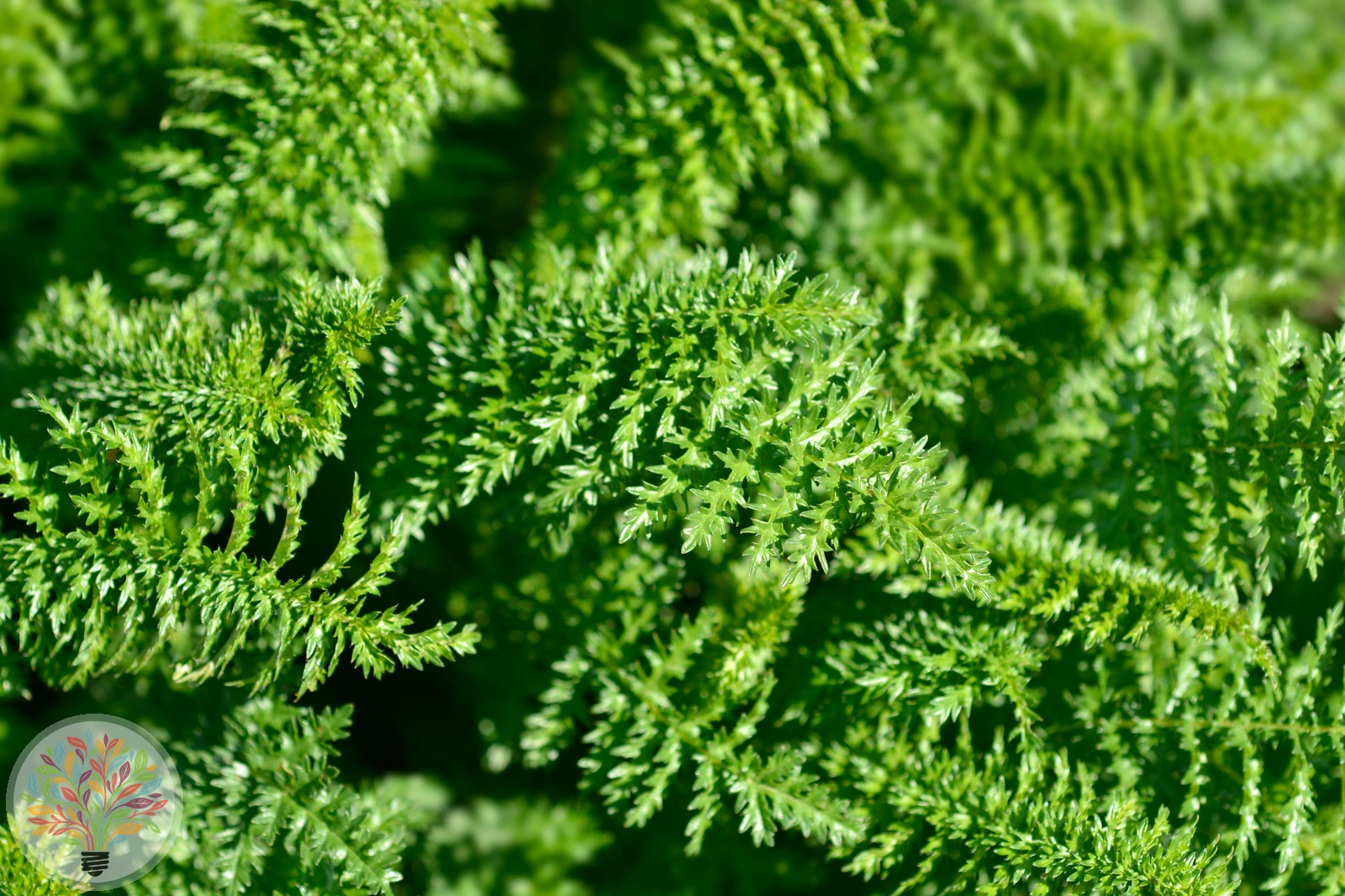
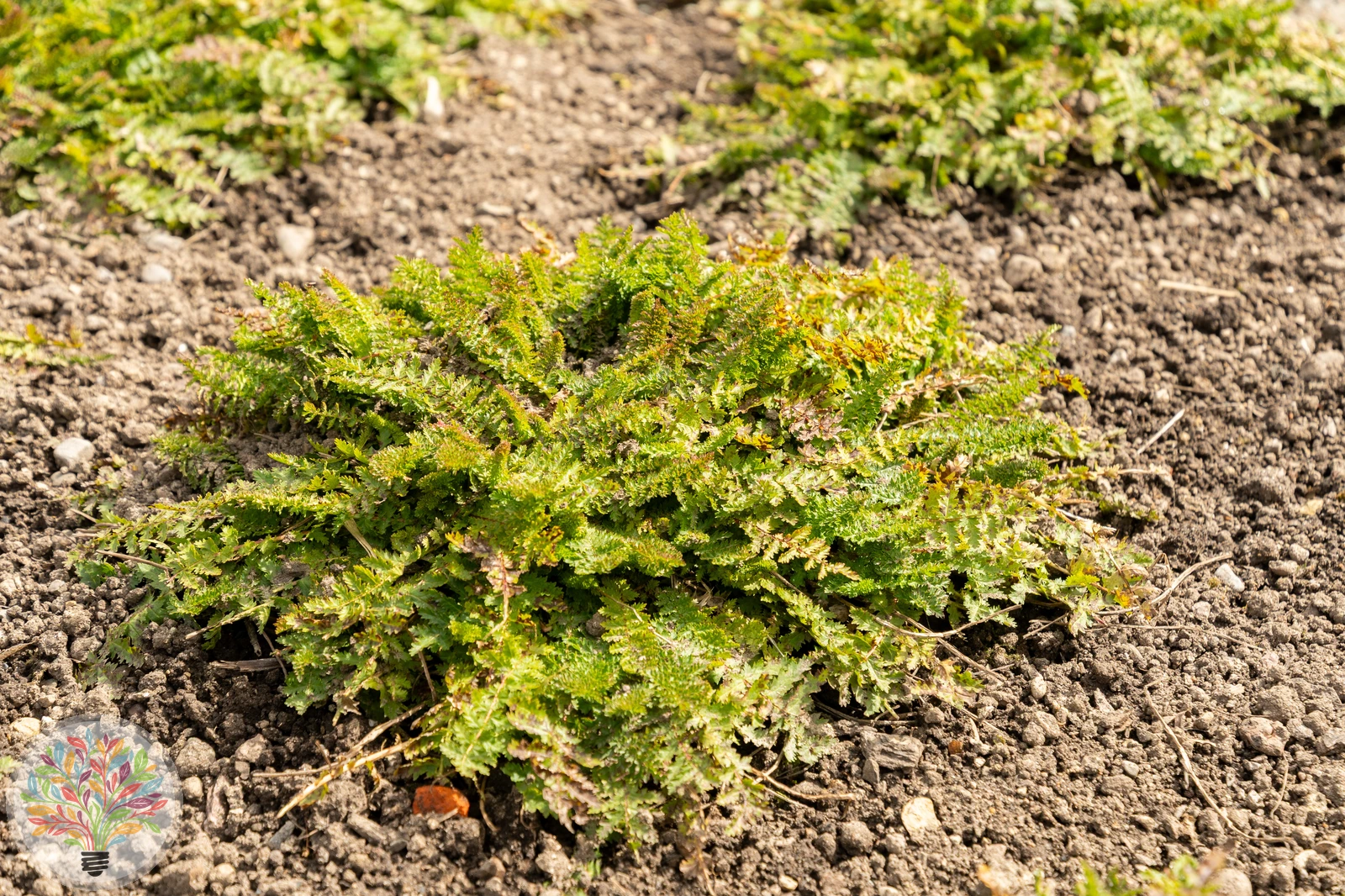
A native perennial of dry, calcareous grasslands, bearing loose clusters of creamy-white flowers from June to August above deeply divided, fern-like foliage.
Ecological network
Click to highlight connections · Click again to open the species page
Loading network...
PollinationLarval hostFlower visit
Ecological significance
As a native wildflower of species-rich grasslands, it contributes to the structural diversity of these habitats and provides nectar and pollen for a range of insects during its summer flowering period.
Annual cycle
Flowers from June to August. Top growth dies back over winter, with new foliage emerging from the woody rootstock in spring.
Standort & Merkmale
Light
Sonne
Moisture
Trocken
Soil
Schwachzehrer (Magerer Boden)
Flowering period
Jun – Aug
Soil reaction
Basisch / Kalkhold
Bioregion
Continental
Growth form
Krautige Pflanze
Woodiness
Nicht verholzt
Leaf type
Breitblättrig
Plant height
0.402 m
Morphological traits: TRY ID3 (CC BY 3.0) & TRY ID81 (CC BY)
Pflege & Anbau
Grow in full sun in a well-drained, low-fertility soil, ideally on chalk or limestone. Avoid feeding or enriching the ground, as rich soils encourage lax growth and reduce flowering. Once established it tolerates dry spells well. Cut back old stems in late autumn or early spring before new growth appears.
Scientific profile
Filipendula vulgaris is a herbaceous, non-woody plant with broad leaves, reaching roughly 40 cm in height. It is native in Great Britain and typically found on dry, nutrient-poor, base-rich soils in full sun. The plant produces airy sprays of small, cream to pale pink flowers from June through August, held on slender stems above a rosette of finely cut leaves. Its ecological preference for low-disturbance, calcareous swards makes it a characteristic member of unimproved chalk and limestone grassland communities. The tiny diaspores, weighing less than a milligram each, are dispersed by wind and gravity.
Pollinators & visitors
38 Arten interagieren mit dieser Pflanze
Andrena nitidaNomada goodenianaNomada flavoguttataNomada ruficornisHalictus tumulorumAndrena flavipesAndrena cinerariaAndrena subopacaAndrena wilkellaAndrena chrysoscelesSphecodes ephippiusNomada striataNomada marshamellaLasioglossum lativentreAndrena labialisBombus sylvarumBrenthis inoApis melliferaLasioglossum albipesSphegina sibiricaLasioglossum calceatumEristalis rupiumCheilosia proximaSphaerophoria scriptaEpisyrphus balteatusHalictus rubicundusLasioglossum pygmaeumEristalis tenaxMelanostoma mellinumSeladonia confusaLejogaster metallinaAndrena helvolaEristalis nemorumSericomyia silentisLasioglossum zonulumBombusHalictus confusus/tumulorumEristalis interrupta
Host relationships
3 species use this plant as a host
Agrochola lituraAmmoconia caecimacula (Denis & Schiffermüller), 1775Tenthredo livida
Other flower visitors
8 other species visit the flowers
Phyllopertha horticolaProtaetia cupreaOxythyrea funestaBrachypalpoides lentusBrassicogethes aeneusMegalodontesTropinotaMeligethes aeneus (Fabricius,1775)
Sources & data origin
•Interaktionsdaten via GloBI (CC-BY 4.0)
•pollinator_interactions
•FloraWeb / BfN
•EIVE 1.0 — Dengler et al. (2023), DOI: 10.3897/VCS.98324 (CC BY 4.0)
•GBIF Backbone Taxonomy — GBIF Secretariat (2024), DOI: 10.15468/39omei (CC BY 4.0)
•TRY Categorical Traits (ID3) — Kattge et al. (2012), DOI: 10.17871/TRY.3 (CC BY 3.0)
•TRY Global Spectrum (ID81) — Díaz et al. (2016/2021), DOI: 10.17871/TRY.81 (CC BY)
•Govaerts R et al. (2025) — World Checklist of Vascular Plants (WCVP) v14. Royal Botanic Gardens, Kew. DOI: 10.34885/xs7h-ze42 (CC BY 4.0)
•Foto: © Adobe Stock / AdobeStock_503461846
All data is licensed under CC BY 4.0, CC0, or compatible terms. Attribution according to license conditions. Full source overview →