In-depth
Planting Wildflowers on Your Balcony: A Habitat in the Smallest of Spaces
Learn how to create an ecologically valuable stepping-stone habitat for insects on your balcony using native wild plants. Step-by-step guide.
Key points at a glance
- Choosing native wild plants is essential, as only they provide the evolutionarily adapted food sources required by specialised insects.
- Wildflowers thrive in nutrient-poor, well-draining substrates, developing into resilient plant communities.
- July is an ideal time to plan for planting in early autumn or spring.
Wild Plants on the Balcony: Systematic Design
Many insect species rely on the specific compounds and morphological features of native plants. By planting wildflowers on your balcony, you create a valuable stepping-stone habitat—an isolated living space that allows pollinators to bridge larger distances between larger natural areas.
The key to success lies in the substrate. Conventional potting soil often contains a high proportion of peat and is too heavily pre-fertilised. Instead, use a mineral-based mix of sand, gravel, and a small amount of compost. This prevents the plants from becoming sappy and unstable, instead encouraging better flower formation.
Selection of suitable species
The following table offers a selection of species that are well-suited for container gardening and are ecologically valuable.
| Species Name (Latin) | Aspect | Ecological Significance |
|---|---|---|
| Scabiosa ochroleuca | Sunny | Important nectar source for specialised solitary bees |
| Thymus pulegioides | Sunny | High-quality nectar plant for honeybees and butterflies |
| Campanula rotundifolia | Partial shade | Provides food for specialised bellflower resin bees |
| Origanum vulgare | Sunny | Magnet for a variety of hoverflies and butterflies |
Practical tips for your balcony habitat
- Choosing pots and drainage: Use terracotta pots with drainage holes. Add a 3-5 cm layer of expanded clay or coarse gravel at the bottom to prevent waterlogging—one of the most common causes of wild plant failure.
- Plant spacing: Keep planting density relatively low. Native wild perennials need space to develop. Overcrowded window boxes increase susceptibility to fungal diseases.
- Water management: While most wild plants tolerate drought, they need regular watering during their first year after planting until their root systems are established. Water in the early morning hours.
- Avoid chemicals: The use of synthetic fertilisers or chemical pesticides is counterproductive. To provide nutrients, a small annual application of mature compost in early spring is sufficient.
Establishing these species encourages the arrival of insects such as the red mason bee (Osmia cornuta) or various types of hoverflies (Syrphidae), which will find an important supply depot on your floor.
By using regional seeds or perennials from certified wild plant nurseries, you ensure that no non-native species are introduced into the environment. Be sure to avoid planting invasive neophytes—non-native plants that spread uncontrollably and displace local species.
Frequently Asked Questions
Can I use regular potting soil?
No, regular potting soil is usually too heavily fertilised and contains too much peat. Use nutrient-poor, mineral-based substrates to promote natural growth.
When is the best time to plant?
Late summer (August/September) is ideal, as the plants can establish their roots well before winter. Alternatively, spring is also suitable.
How do I specifically attract insects?
Choose native plants like the yellow scabious. A combination of nectar sources and structural diversity is crucial for successful colonisation.
Main article: Wild plants in July: 5 species for a species-rich insect paradise
Matching products
Available at Gartenexpedition.de
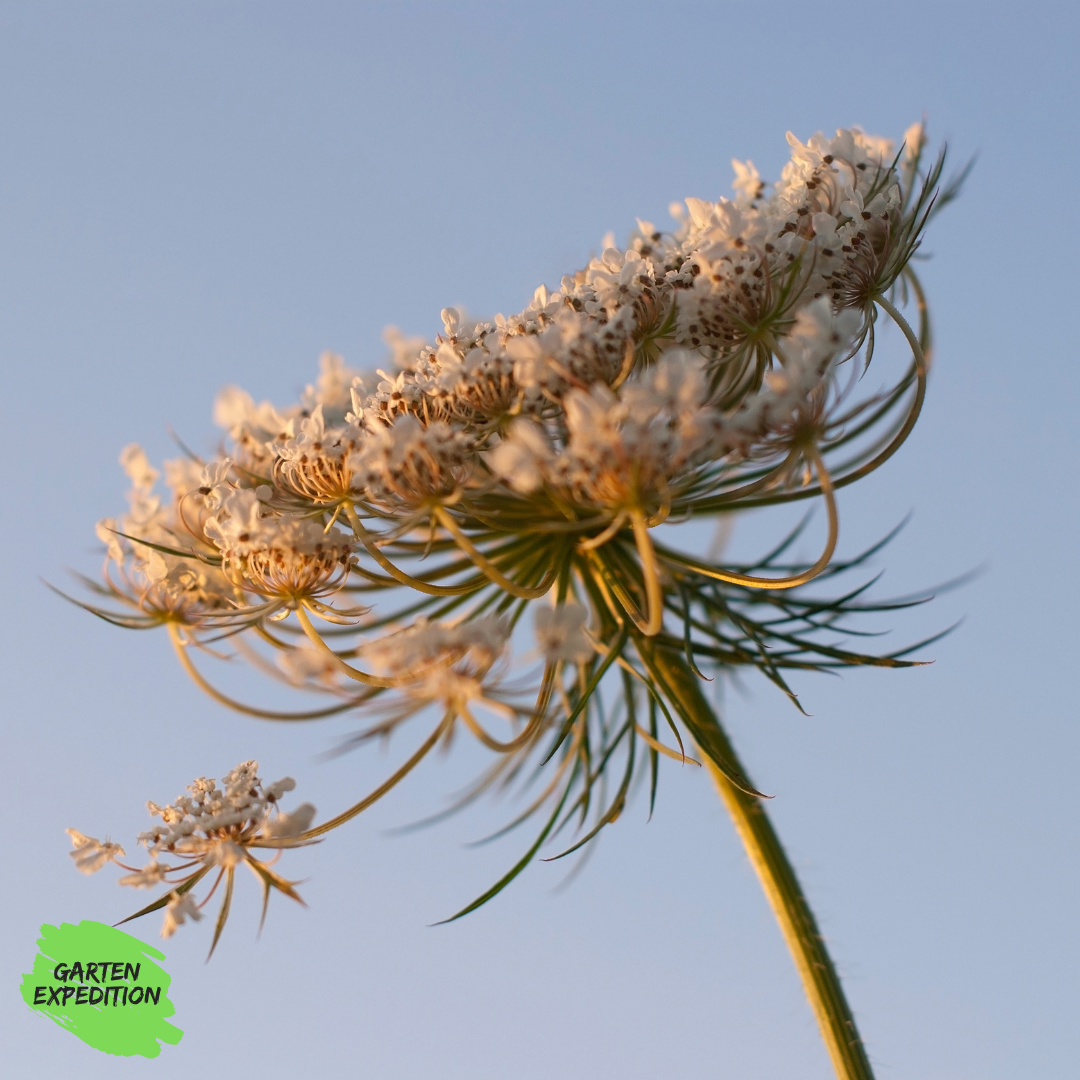
Wilde Möhre (Daucus carota)
2,50 €
incl. VAT, plus shipping costs
To shop →
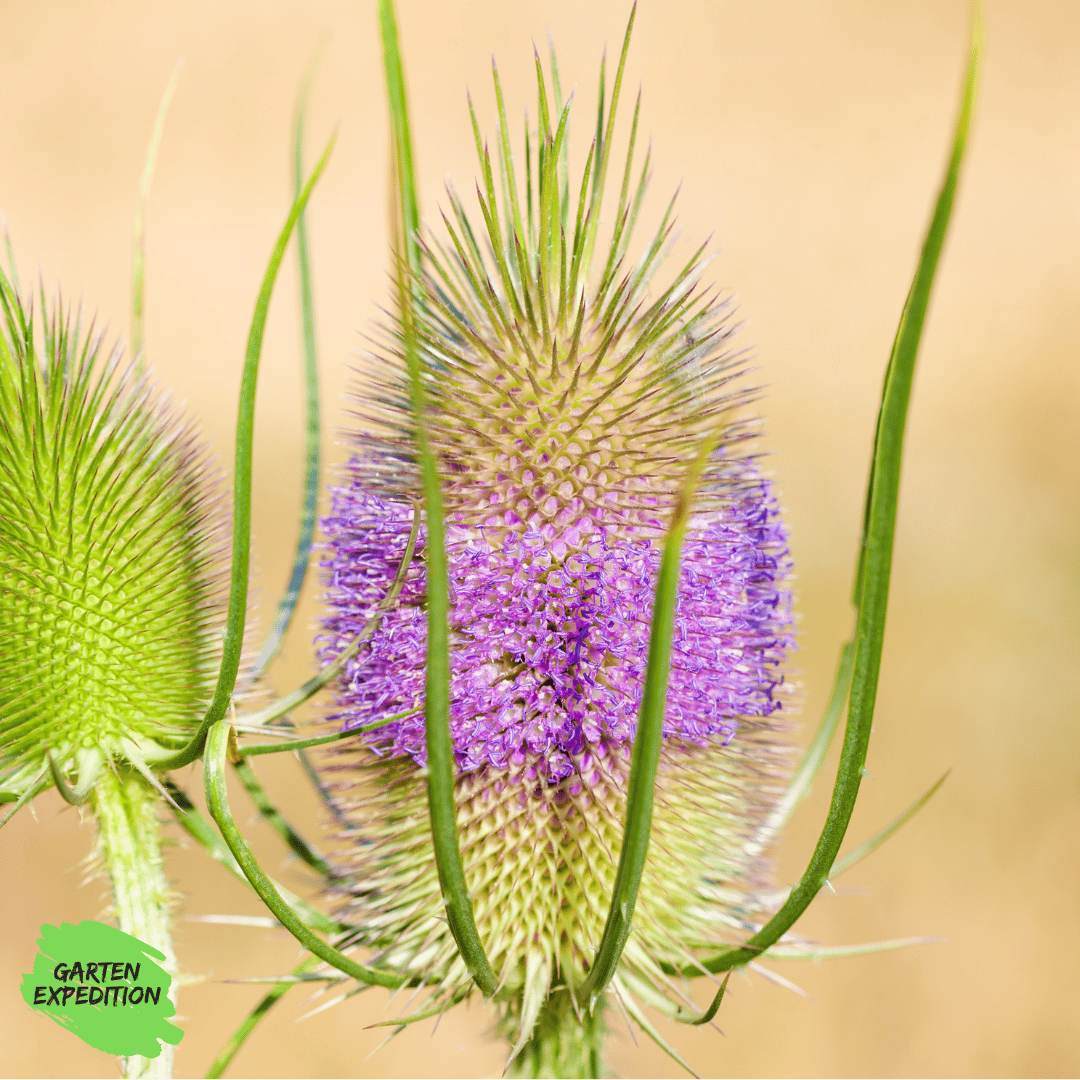
Wilde Karde (Dipsacus fullonum)
3,27 €
incl. VAT, plus shipping costs
To shop →
Partner note: The linked products are from Gartenexpedition.de. By purchasing, you support our work.
Matching videos on the topic
Mauereidechsen ansiedeln: So baust du das perfekte Habitat im Naturgarten
Mini-Trockenmauer bauen: Die ökologische Beeteinfassung aus Bruchsteinen
Gartenvlog 25 - Bei der Wildnisschule Ruhrgebiet mit Martin Maschka - Gartenexpedition #naturgarten
Moos = Öko-Boost: Warum es oft besser ist, als du denkst - Gartenexpedition #naturgarten #shorts
Keywords
More articles on this topic
Main article
Wild plants in July: 5 species for a species-rich insect paradise
Discover which 5 native wild plants provide essential food for solitary bees and butterflies in July and how to establish them successfully in your garden.
In-depthChicory in July: A Key Source for the Insect World
Discover why Common Chicory (*Cichorium intybus*) is essential in July for solitary bees like the pantaloon bee and how you can best support it in your garden.
In-depthEcological balance in the garden: The power of wildflowers
Discover how you can promote a stable ecological balance in your garden and support natural food webs through the use of native wildflowers.
In-depthDrought-Resistant Wildflowers: Climate Adaptation in the July Garden
Learn how to prepare your garden for climate change with drought-resistant wildflowers. Tips for heat-tolerant species in July.
In-depthInsect-friendly pruning: Why you should leave faded perennials standing
Find out why insect-friendly pruning in July is crucial: faded perennials serve as vital nesting and overwintering sites.
All species data comes from scientific sources (CC BY 4.0 / CC0). Attribution according to licence terms. Complete source overview →