In-depth
Insect-friendly pruning: Why you should leave faded perennials standing
Find out why insect-friendly pruning in July is crucial: faded perennials serve as vital nesting and overwintering sites.
At a glance
- From July onwards, faded perennials serve as vital nurseries for insect larvae.
- Early pruning destroys essential overwintering habitats and nesting sites.
- Pithy stems and dried-out seed heads provide protection against adverse weather and predators.
In July, many wild perennials reach their peak and begin to develop seed heads. While many manicured gardens prompt an urge to tidy up, a critical phase begins for the local fauna. Insect-friendly pruning in midsummer requires moving away from the aesthetic ideal in favour of biological functionality.
The ecological importance of stems and seed heads
Many insect species use the pithy or hollow stems of perennials for egg-laying or as an overwintering site for their larvae. As soon as a plant has finished flowering, its structures transform from nectar sources into vital infrastructure. If you remove these stems too early, you are destroying the next generation of pollinators.
Cream scabious (Scabiosa ochroleuca) is particularly rich in species. Its sturdy stems and seed heads harbour a variety of specialist insects whose larvae develop within or on parts of the plant. The table below shows why leaving these structures is ecologically sensible:
| Plant feature | Function for insects | Example species (larval stage) |
|---|---|---|
| Hollow stems | Nesting site for wild bees | Red mason bee (Osmia cornuta) |
| Pithy stems | Feeding substrate / protection | Masked bees (Hylaeus) |
| Seed heads | Overwintering site for eggs | Short-winged conehead (Conocephalus dorsalis) |
Practical tips for insect-friendly pruning
- Avoid clear-cutting: Refrain from any large-scale pruning during July and August. Leave the plants standing until they lose their structural integrity in early spring.
- Selective care: If you must shorten perennials for access or safety reasons, leave at least 20 to 30 centimetres of the stems as stubble. These continue to provide hiding places for ground-dwelling insects.
- Seed heads as a food source: Leave seed heads on the plant until late winter. Species such as the goldfinch (Carduelis carduelis) use the remaining seeds of the Scabiosa ochroleuca as a vital winter resource.
- Material usage: If cutting is unavoidable, stack the trimmings in a sunny, quiet corner of the garden instead of composting them. This allows larvae to complete their development on the ground.
By aligning your garden management with the life cycles of insects, you not only create an aesthetic display of natural decay but also ensure the survival of a variety of species in your local environment. In gardening, patience is the most valuable biological investment.
Frequently asked questions
Why shouldn't I cut back faded perennials in July?
Insect larvae develop in the stems and seed heads, and eggs overwinter there. Pruning would destroy these protected habitats.
What should I do with the cuttings if I have to prune?
Place the cuttings in a pile in a quiet corner of the garden. This allows larvae to safely complete their development on the ground.
When is the right time for pruning?
Wait until early spring. Only when the stems start to shoot again the following year should the old remains be removed as mulch.
Main article: Wildflowers in July: 5 species for a biodiverse insect paradise
Matching products
Available at Gartenexpedition.de
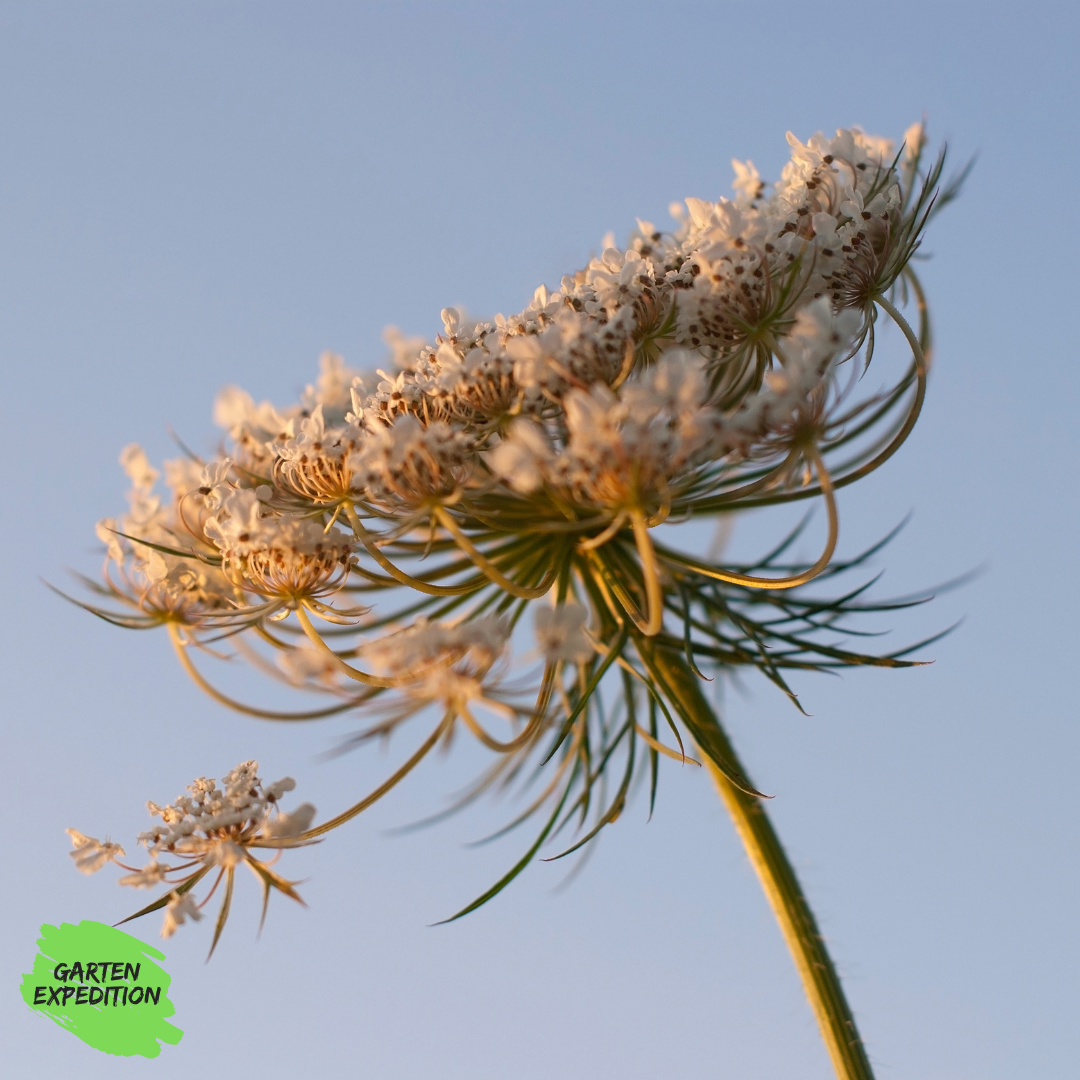
Wilde Möhre (Daucus carota)
2,50 €
incl. VAT, plus shipping costs
To shop →
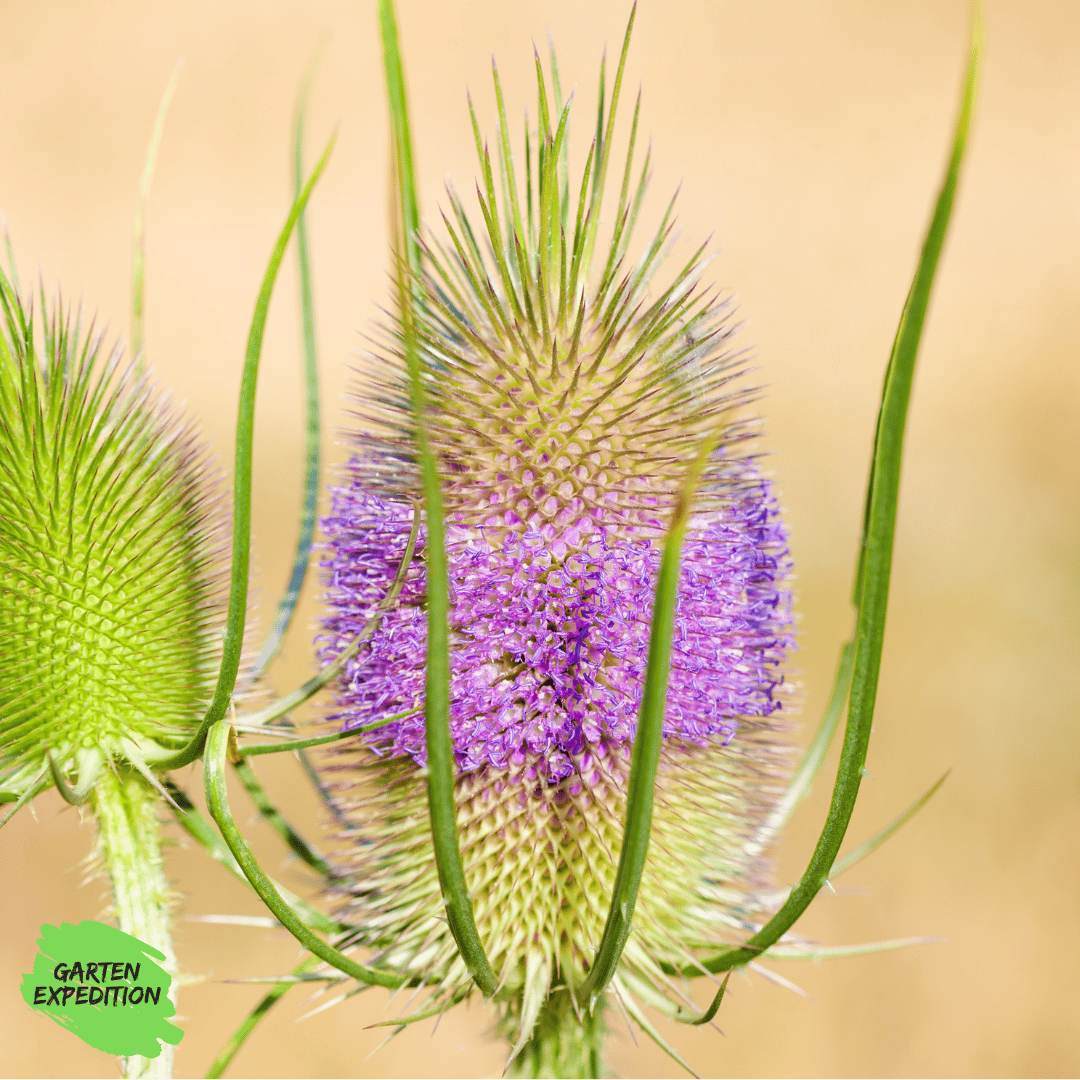
Wilde Karde (Dipsacus fullonum)
3,27 €
incl. VAT, plus shipping costs
To shop →
Partner note: The linked products are from Gartenexpedition.de. By purchasing, you support our work.
Keywords
More articles on this topic
Main article
Wild plants in July: 5 species for a species-rich insect paradise
Discover which 5 native wild plants provide essential food for solitary bees and butterflies in July and how to establish them successfully in your garden.
In-depthChicory in July: A Key Source for the Insect World
Discover why Common Chicory (*Cichorium intybus*) is essential in July for solitary bees like the pantaloon bee and how you can best support it in your garden.
In-depthEcological balance in the garden: The power of wildflowers
Discover how you can promote a stable ecological balance in your garden and support natural food webs through the use of native wildflowers.
In-depthDrought-Resistant Wildflowers: Climate Adaptation in the July Garden
Learn how to prepare your garden for climate change with drought-resistant wildflowers. Tips for heat-tolerant species in July.
In-depthPlanting Wildflowers on Your Balcony: A Habitat in the Smallest of Spaces
Learn how to create an ecologically valuable stepping-stone habitat for insects on your balcony using native wild plants. Step-by-step guide.
All species data comes from scientific sources (CC BY 4.0 / CC0). Attribution according to licence terms. Complete source overview →