Main article
Natural gardening in an allotment: a step-by-step guide to biodiversity
Discover how to gradually turn your allotment into a wildlife haven. Expert advice on structure, deadwood, and native plants to boost biodiversity.
Key takeaways
- Natural gardens are always evolving: a gradual transformation is both ecologically sound and sustainable.
- Structural diversity through distinct garden zones (such as deadwood piles and ruderal patches) creates habitats for insects and small animals.
- Native plants (indigenous species) provide essential food for specialist insects.
- Non-native plants are not automatically harmful, but it is best to replace them over time with wild plants suited to the site.
Matching videos on the topic
Diese Pflanze entscheidet über das Überleben einer Wildbiene -Gartenexpedition #shorts #naturgarten
Moor retten, Garten gewinnen: Der Praxis-Guide für torffreie Erde
Schmetterlingsbeet anlegen: Warum Blüten allein nicht reichen (3-Schritte-Guide)
Glockenblumen-Schmalbiene: Dein Praxis-Guide zur Wildbiene des Jahres 2026
Creating a vibrant garden space
A natural garden is never a finished product but an ongoing process. Many gardeners feel pressured to create a perfectly ecological garden overnight. Rather, the first step, especially in June when growth is at its peak, is to observe your garden as a living habitat. An allotment garden, with its different functional zones, naturally offers the complexity needed to merge human relaxation with ecological niches such as dry-stone walls or log piles.
Integrating deadwood is crucial. Deadwood is not garden waste; it is a vital substrate for wood-boring beetles, fungi, and nesting sites for solitary wild bees. By including structures beyond a traditional lawn, you encourage colonisation by species that cannot survive in sterile settings.
Structural diversity and ecological functions
| Element | Ecological function | Task in June |
|---|---|---|
| Deadwood | Habitat for beetles and fungi | Stack old wood, do not burn it |
| Ruderal area | Habitat for wild bees | Do not fertilise soil, create bare patches |
| Wildflower meadow | Source of pollen and nectar | Mow only once a year |
| Hedge | Protection and nesting site | Thin out after the breeding season |
Matching products
Available at Gartenexpedition.de
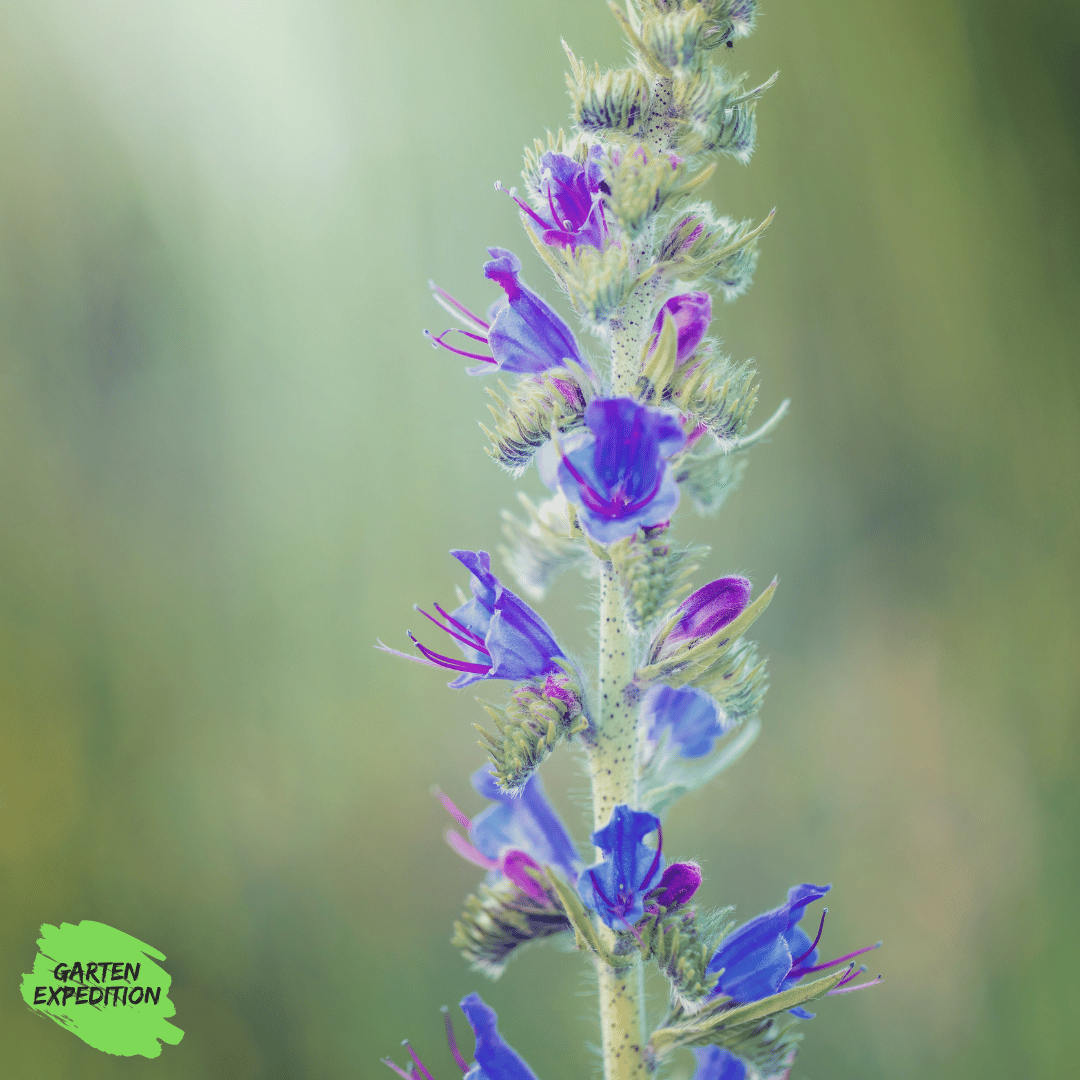
Gewöhnlicher Natternkopf (Echium vulgare)
3,27 €
incl. VAT, plus shipping costs
To shop →
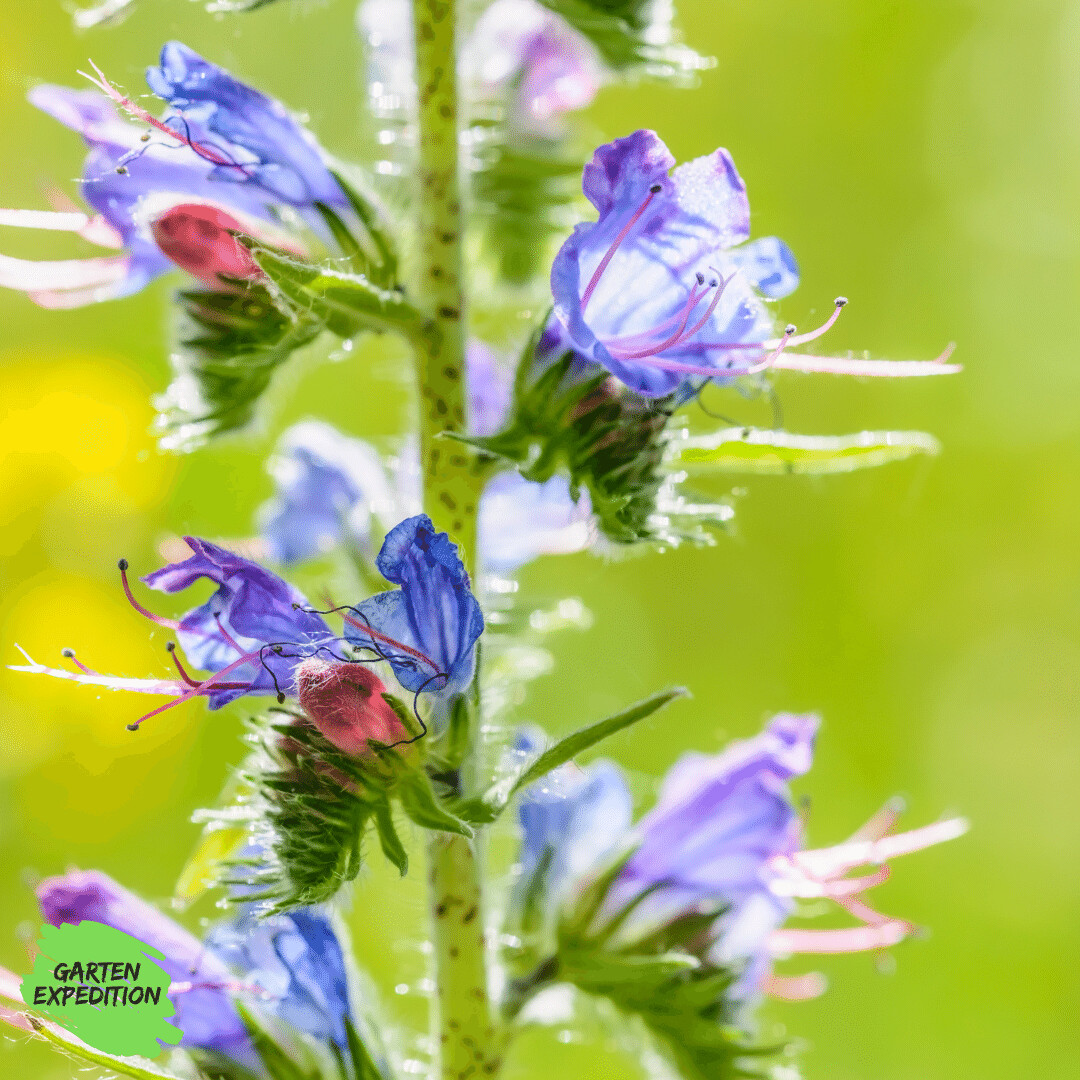
Gewöhnlicher Natternkopf (Echium vulgare)
2,00 €
incl. VAT, plus shipping costs
To shop →
Partner note: The linked products are from Gartenexpedition.de. By purchasing, you support our work.
Step-by-step guide to redesigning your garden
- Assess your garden: Note down which native wild plants are already present and which invasive non-natives, such as butterfly bush (Buddleja davidii), need careful consideration.
- Add deadwood: Build a pile of native wood in a sunny or semi-shady spot. This offers protection for beetles and wild bees (e.g. Osmia species).
- Define zones: Keep vegetable plots or seating areas separate from wild zones. This makes the garden more accepted and gives it a clear layout without sterile, lifeless surfaces.
- Replace gradually: Swap out non-native ornamentals over time with plants native to the area, such as viper’s-bugloss (Echium vulgare) or chicory (Cichorium intybus), to support local biodiversity.
- Avoid chemicals: Stick to mechanical weed control. Synthetic fertilisers and peat have no place in an ecological garden; rely instead on compost made from your own garden waste.
A successful natural garden is built on consistency. Avoid pesticides entirely—they disrupt the food chain and directly harm beneficial insects and birds. Patience is your greatest asset.
Frequently asked questions
Do I need to remove all non-native plants straight away?
No. A natural garden develops gradually. Replace non-natives with suitable wild plants over time, as and when the need arises.
Why is deadwood so important?
Deadwood offers a home for beetle larvae, fungi, and wild bees. It is a cornerstone of ecological stability and garden biodiversity.
Further reading
- Allotment regulations and natural gardening: Designing in compliance with the law
- Peat-free gardening: Protecting peatlands directly from your garden
- Using regional seeds: Why provenance counts in the garden
- Supporting wild bees in the garden: Targeting biodiversity colonisation
- Creating a deadwood hedge: Building habitats in the garden
All species data comes from scientific sources (CC BY 4.0 / CC0). Attribution according to licence terms. Complete source overview →