Quercus robur
Quercus robur
FamilyGenus: Quercusnative in Germany
🌿
180
Species
interact
🔗
274
Interactions
documented
🐛
79
Host relationships
Species
About this species
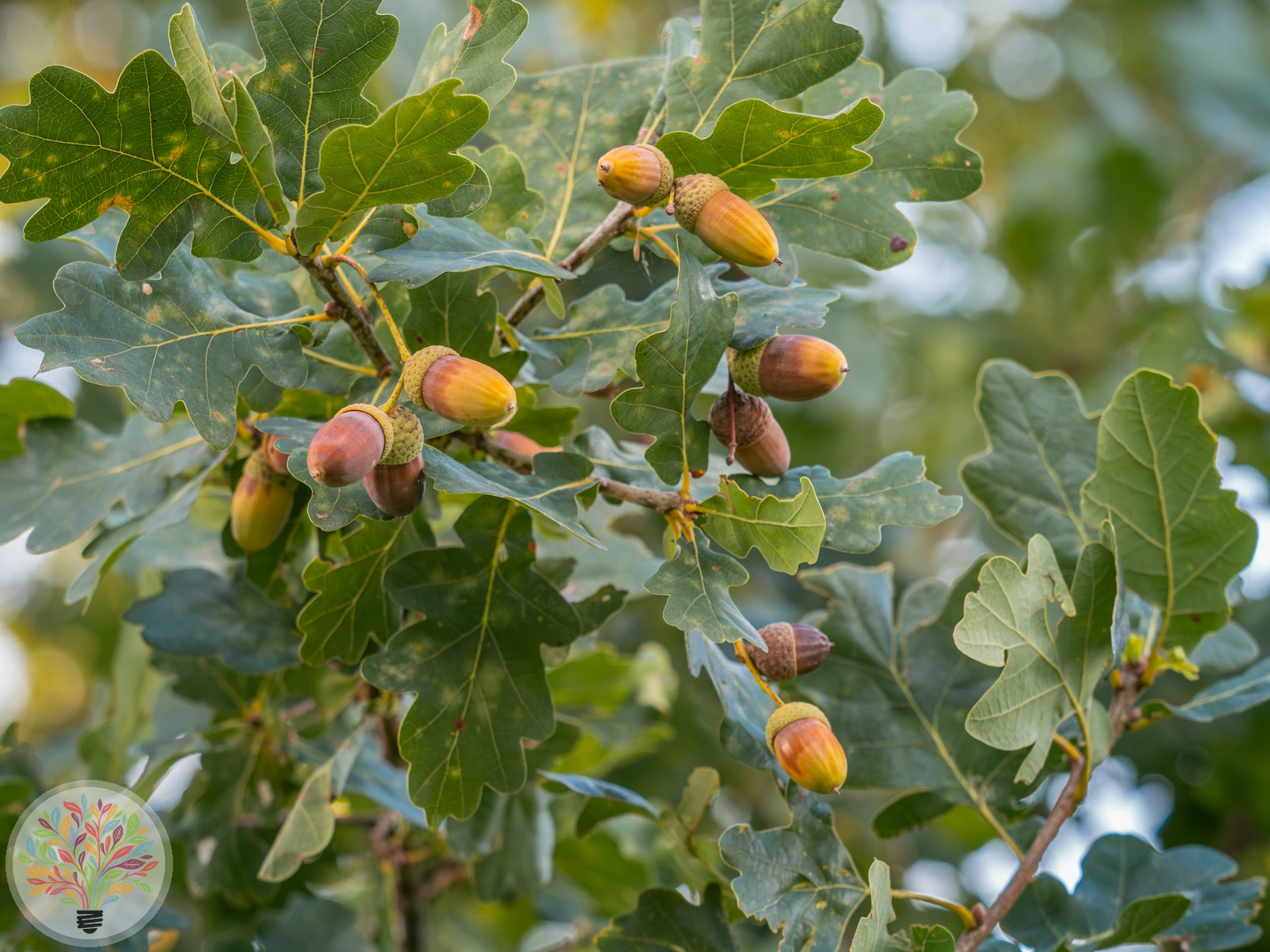
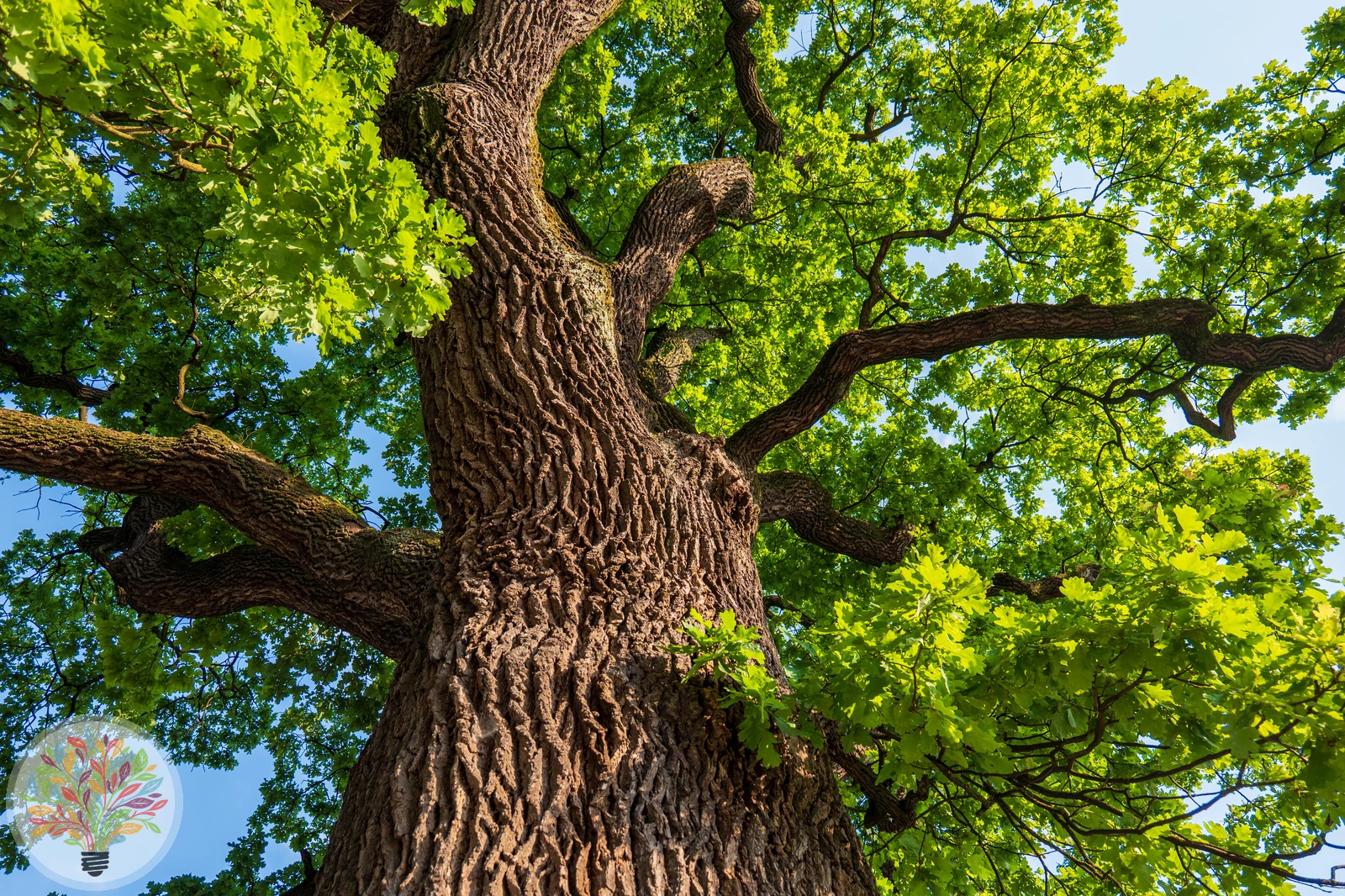
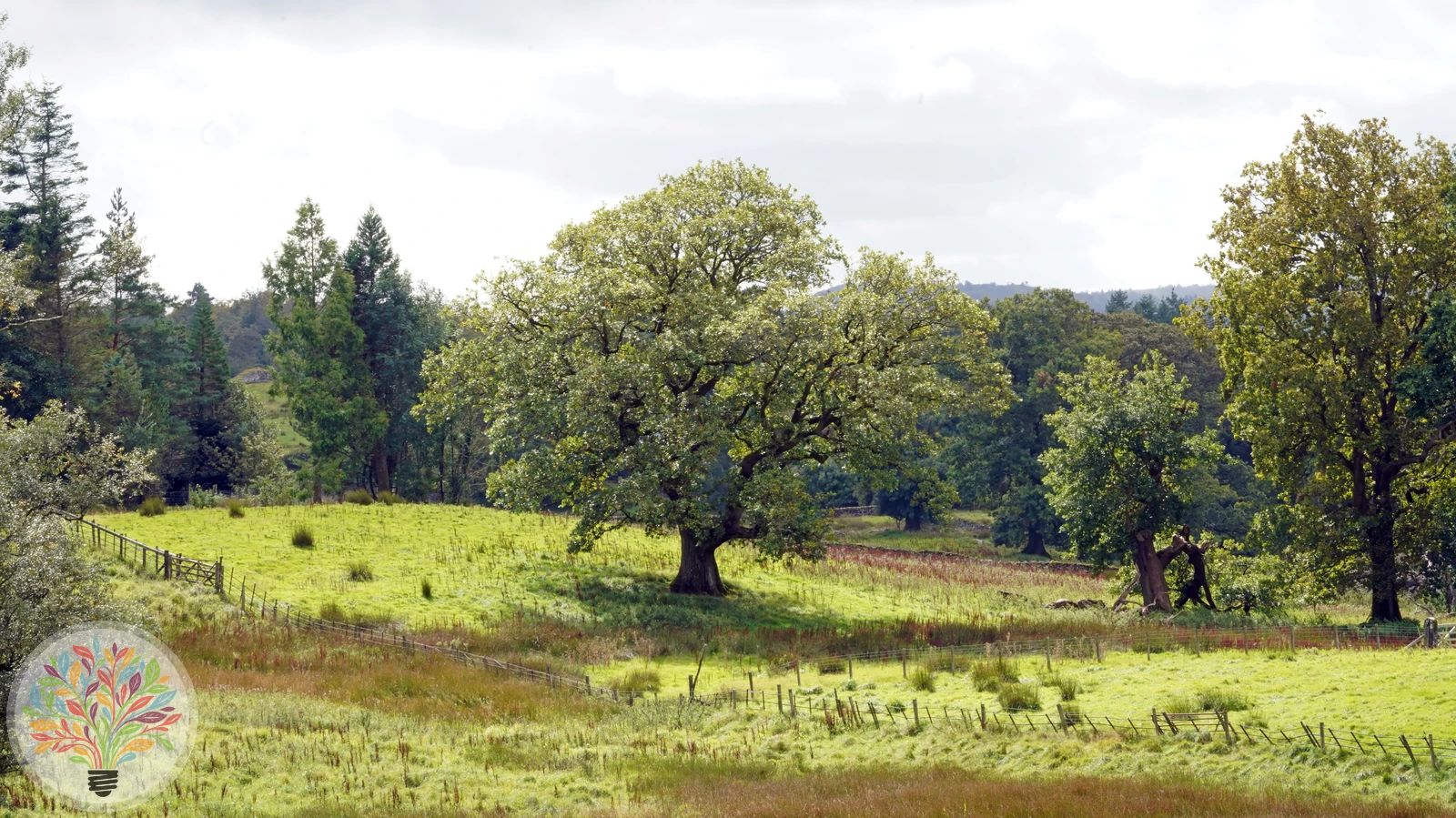
Quercus robur is a large native deciduous broad-leaved tree that thrives in full sun on fresh, moderately moist neutral to weakly acid soils. It bears flowers in April and May and typically reaches 27–45 m in height. As a long-lived native species it is a characteristic component of British woodland landscapes.
Ecological network
Click to highlight connections · Click again to open the species page
Loading network...
PollinationLarval hostFlower visit
Ecological significance
Detailed ecological interactions for Quercus robur are not recorded in the provided profile data.
Annual cycle
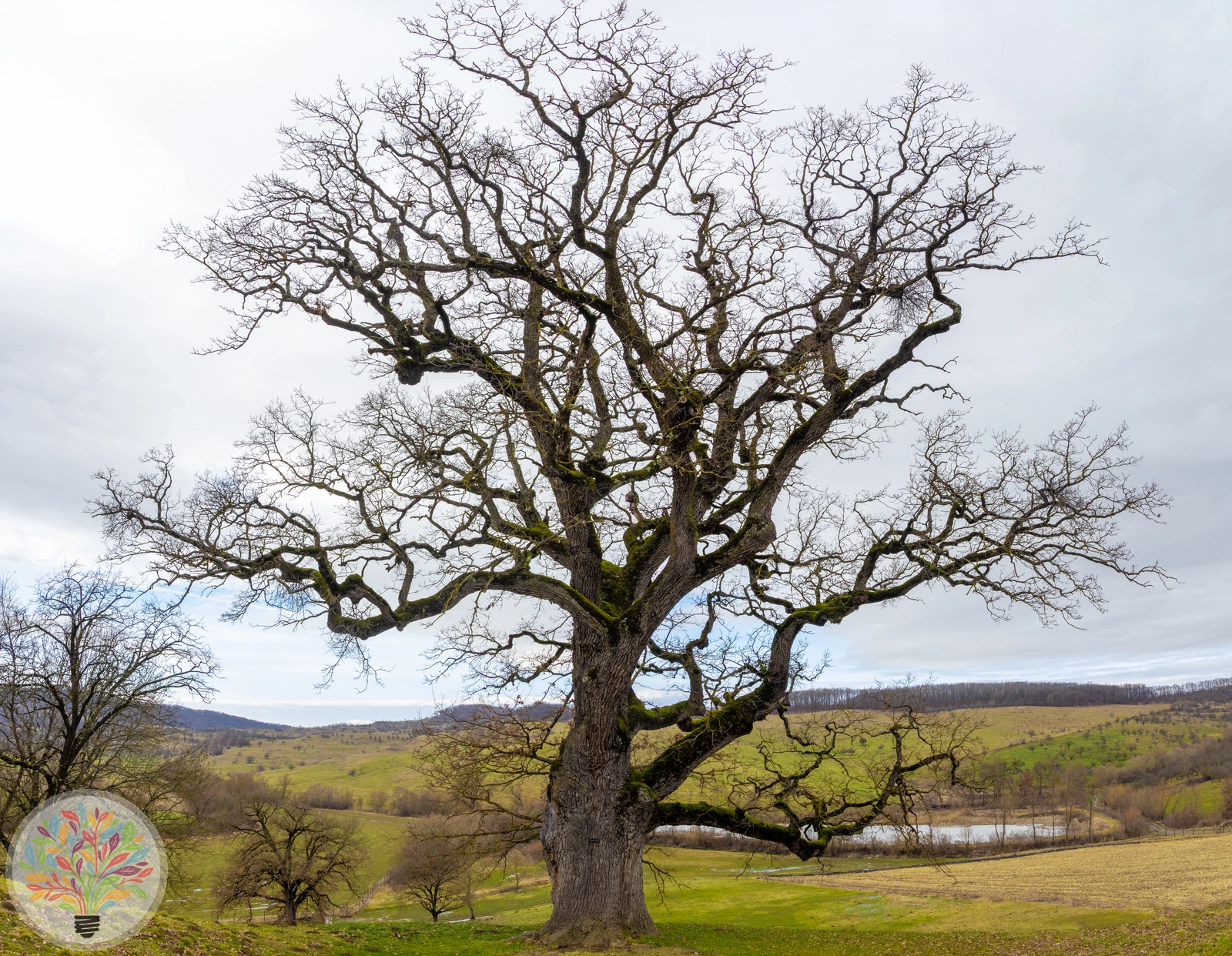
The tree is winter-deciduous. New leaves appear in spring, followed by flowers from April to May. Acorns develop through summer and ripen in autumn. The leaves turn brown and fall in late autumn, leaving the crown bare until the following spring.
Safety note
Safety data are not available for this species.
Standort & Merkmale
Light
Sonne
Moisture
Frisch (Mäßig feucht)
Soil
—
Flowering period
Apr – Mai
Bioregion
Continental
Growth form
Baum
Woodiness
Verholzt
Leaf type
Breitblättrig
Leaf phenology
Laubabwerfend
Plant height
27.075 m
Morphological traits: TRY ID3 (CC BY 3.0) & TRY ID81 (CC BY)
Pflege & Anbau
Choose a sunny position with deep, moisture-retentive yet well-drained soil. Quercus robur prefers neutral to slightly acid conditions. As an ectomycorrhizal tree, it benefits from soil that contains native woodland fungi; incorporating leaf mould or a mycorrhizal inoculant at planting can aid establishment. Water regularly during the first growing season until the tree is established. Once settled it requires little intervention.
Scientific profile
Quercus robur is a large, long-lived deciduous broad-leaved tree of the beech family (Fagaceae). It is native wild in Great Britain. Mature specimens can attain 45 m in height, with a typical mature canopy height around 27 m. The tree is heliophilous, requiring full sun, and grows best on fresh, moderately moist soils that are neutral to slightly acid. It forms ectomycorrhizal associations. Flowers are produced in April and May. The species is associated with low-disturbance settings and is a key component of ancient woodland and mature hedgerows.
Pollinators & visitors
33 Arten interagieren mit dieser Pflanze
Vespa velutina nigrithoraxColumba palumbusPseudoips prasinanaLycia hirtariaErannis defoliariaNeuroterus numismalisCynips longiventrisAndricus kollariCerthia familiarisSturnus vulgarisOrthosia cerasiOrthosia crudaEupsilia transversaAcronicta acerisLymantria monachaOrgyia antiquaColoeus monedulaMitopus morioCynips quercusfoliiSciurus vulgarisNeuroterus quercusbaccarumNeuroterus albipesClytus arietisHomo sapiensCerambyx cerdoVespa crabroChloris chlorisPyronia tithonusEriophyes inangulisParus majorCyanistes caeruleusScolytus intricatusXyleborus monographus
Host relationships
79 species use this plant as a host
Cossus cossusApoda limacodesWatsonalla binariaCymatophorina dilutaPolyploca ridensCyclophora porataCyclophora punctariaElectrophaes corylataEupithecia dodoneataEupithecia irriguataHypomecis roborariaParectropis similariaCampaea margaritariaComibaena bajulariaDrymonia dodonaea (Denis & Schiffermüller), 1775Drymonia ruficornisPechipogo strigilataCatocala sponsaCatocala promissaMoma alpiumAmphipyra berbera svenssoniTiliacea auragoEpirrita autumnataDicycla ooDryobotodes eremitaMeganola strigulaBena bicoloranaNycteola revayanaDiaphora mendicaHerminia grisealisCosmia trapezinaLithophane ornitopusAgriopis marginariaOrthosia gracilisMacrothylacia rubiPolia nebulosaNola confusalisEupithecia abbreviataEupithecia exiguataEnnomos quercinariaAgriopis leucophaeariaApocheima hispidariaHypomecis punctinalisSpilosoma luteaAndricus quercuscalicisCalliteara pudibundaColocasia coryliOrthosia gothicaOrthosia incertaPoecilocampa populi
Other flower visitors
68 other species visit the flowers
Dendrocopos majorDendrocoptes mediusThaumetopoea processioneaPeridea ancepsApodemus sylvaticusCarduelis carduelisApodemus flavicollisLinaria cannabinaFringilla coelebsCorvus frugilegusEmberiza citrinellaCallosciurus erythraeusPericlista lineolataGarrulus glandariusPaidiscura pallensMuscardinus avellanariusErithacus rubeculaNeuroterus anthracinusPhyllobius pyriAnas platyrhynchosAglia tauPtilodon capucinaMyodes glareolusAndricus quercustozaePsyllobora vigintiduopunctataAndricus curvatorAnthaxia nitidulaCurculio nucumMisumena vatiaGrammoptera ruficornisCarabus auronitensPhymatodes testaceusPlatypus cylindrusBiorhiza pallidaAndricus caputmedusaePhalera bucephalaThanasimus formicariusCarabus cancellatusAndricus hungaricusDorcus parallelipipedusClytra quadripunctataCarabus granulatusCurculio glandiumStauropus fagiPasser domesticusLasiocampa quercusColumba liviaPipistrellus nathusiiMyotis nattereriBarbastella barbastellus
Sources & data origin
•Cook et al. (2025) UK Butterfly & Moth Traits (DOI: 10.5285/dbc7cc17-cbbd-49dd-bab4-8e8855768d66)
•Interaktionsdaten via GloBI (CC-BY 4.0)
•pollinator_interactions
•Baden-Böhm F, App M, Thiele J (2022) — The FloRes Database: A floral resources trait database for pollinator habitat-assessment generated by a multistep workflow. Johann Heinrich von Thünen-Institut, Dryad, DOI: 10.5061/dryad.djh9w0w29 (CC0)
•FloraWeb / BfN
•EIVE 1.0 — Dengler et al. (2023), DOI: 10.3897/VCS.98324 (CC BY 4.0)
•GBIF Backbone Taxonomy — GBIF Secretariat (2024), DOI: 10.15468/39omei (CC BY 4.0)
•TRY Categorical Traits (ID3) — Kattge et al. (2012), DOI: 10.17871/TRY.3 (CC BY 3.0)
•TRY Global Spectrum (ID81) — Díaz et al. (2016/2021), DOI: 10.17871/TRY.81 (CC BY)
•Govaerts R et al. (2025) — World Checklist of Vascular Plants (WCVP) v14. Royal Botanic Gardens, Kew. DOI: 10.34885/xs7h-ze42 (CC BY 4.0)
•Foto: © Adobe Stock / AdobeStock_649008212
All data is licensed under CC BY 4.0, CC0, or compatible terms. Attribution according to license conditions. Full source overview →