Clematis vitalba
Clematis vitalba
FamilyGenus: Clematisnative in Germany
🌿
118
Species
interact
🔗
303
Interactions
documented
🐛
16
Host relationships
Species
About this species
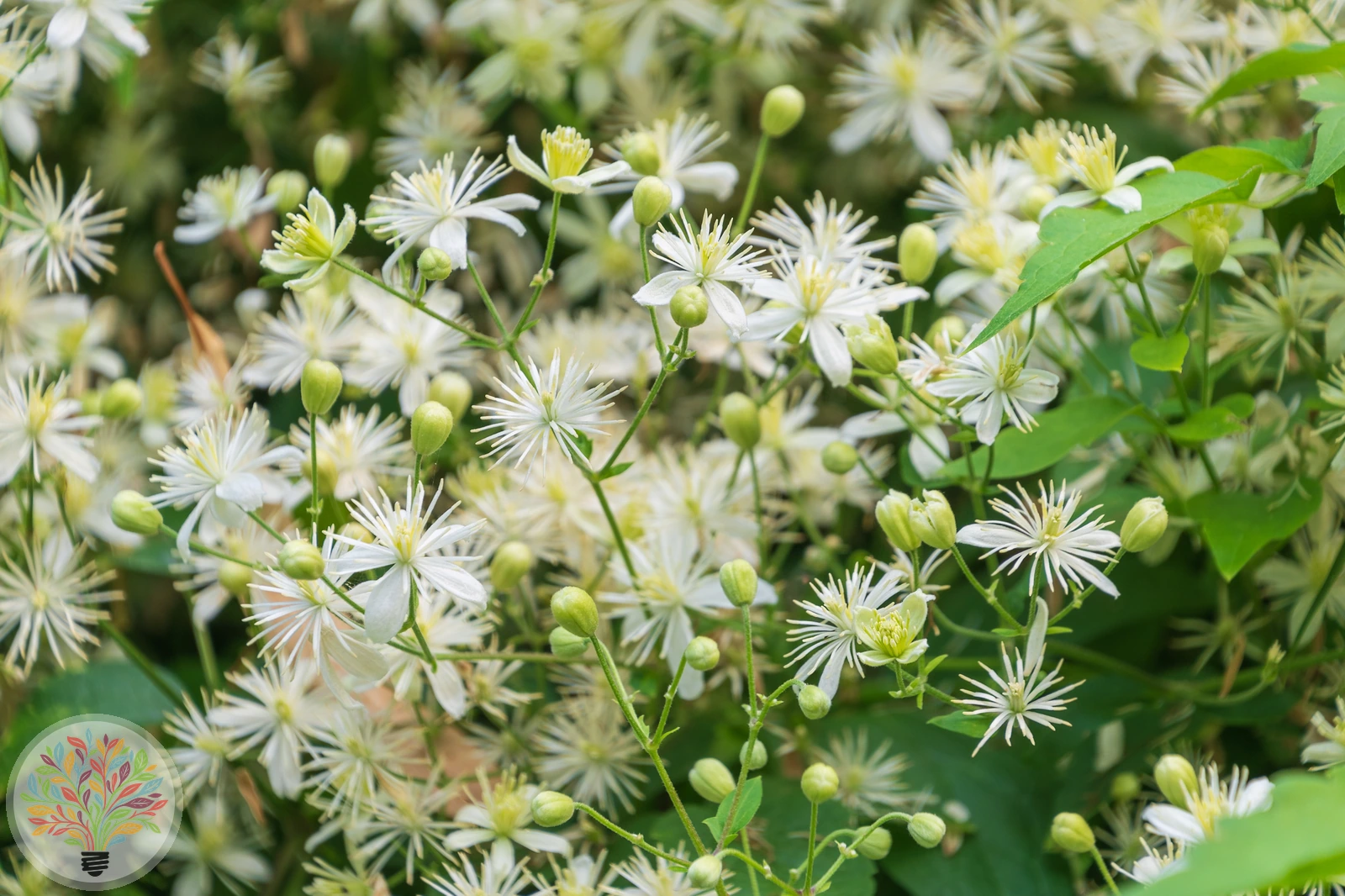
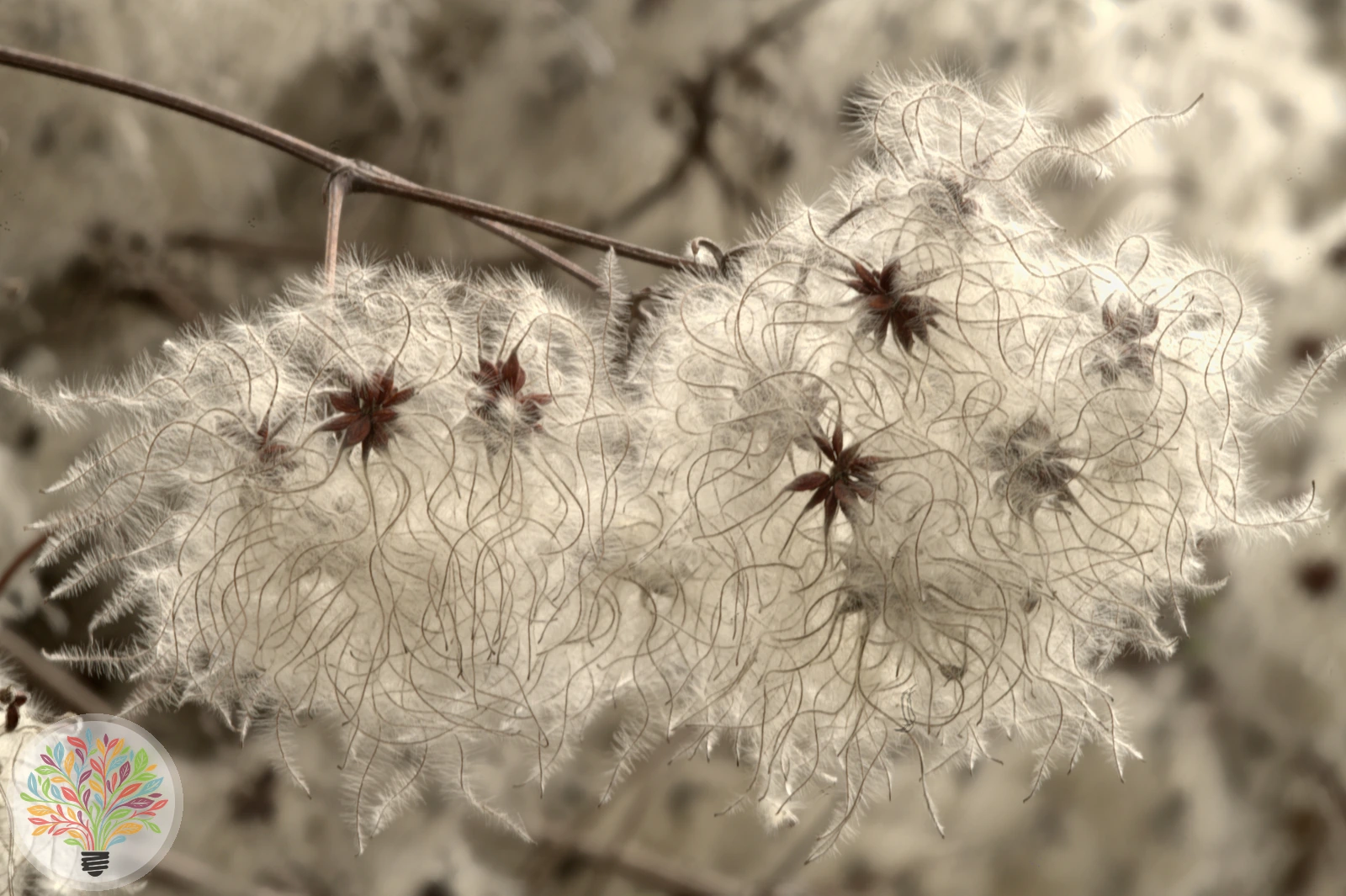
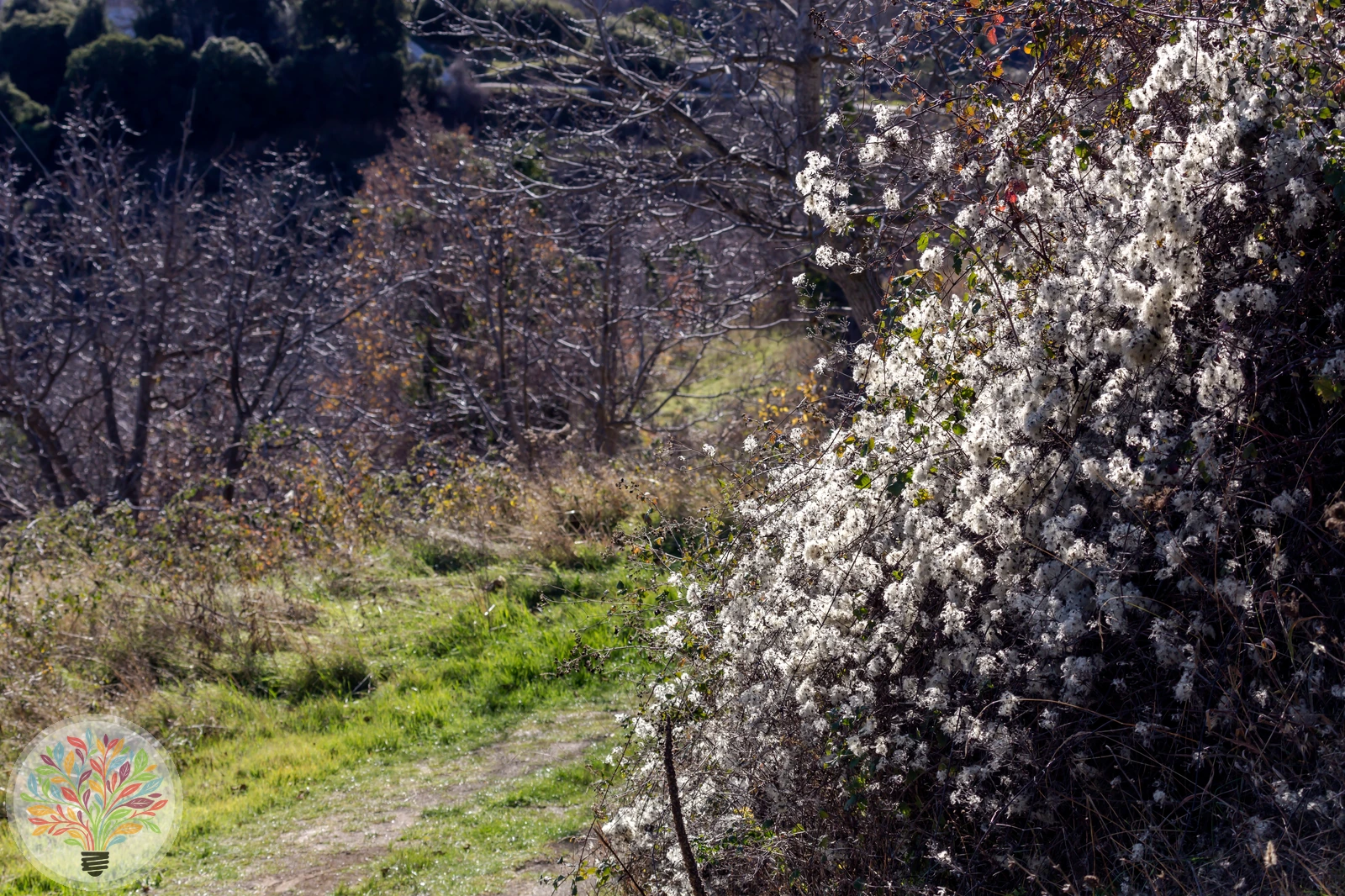
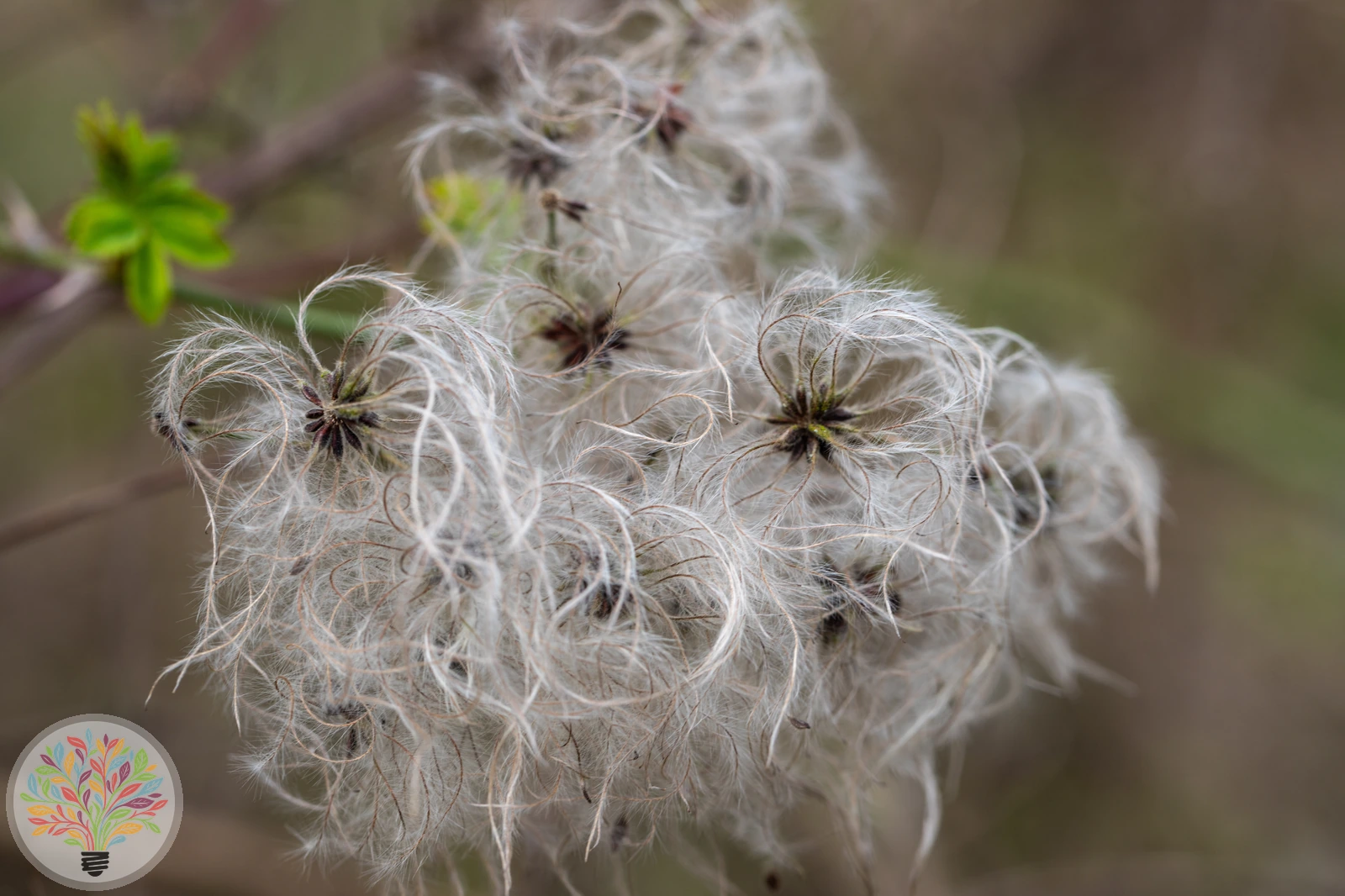
A native woody climber bearing broad leaves and producing flowers from June to August. It thrives in partial shade to full sun on moderately moist, calcareous soils and climbs by twining its leaf stalks.
Ecological network
Click to highlight connections · Click again to open the species page
Loading network...
PollinationLarval hostFlower visit
Ecological significance
This plant is native in Great Britain.
Annual cycle
Flowering occurs from June to August. As a woody perennial, the plant’s stems persist above ground throughout the year; new growth appears in spring.
Safety note
No specific hazards are documented for this species.
Standort & Merkmale
Light
Halbschatten
Moisture
Frisch (Mäßig feucht)
Soil
Mittelzehrer (Normaler Boden)
Flowering period
Jun – Aug
Soil reaction
Basisch / Kalkhold
Bioregion
Continental
Growth form
Kletterpflanze
Woodiness
Verholzt
Leaf type
Breitblättrig
Plant height
8.168 m
Morphological traits: TRY ID3 (CC BY 3.0) & TRY ID81 (CC BY)
Pflege & Anbau
Grow in partial shade to full sun, in moderately fertile, well-drained, calcareous soil. Keep the soil moderately moist. Provide a sturdy support such as a trellis, fence or shrub, as the plant climbs by twining leaf stalks. No regular pruning is essential, but it may be cut back to maintain shape or size after flowering.
Scientific profile
Clematis vitalba is a woody, broad-leaved climbing plant capable of reaching around 8 m in height. It favours partial shade to full sun and grows best on moderately moist, calcareous soils of moderate fertility. The stems twine and are supported by the coiling of leaf stalks. Flowering takes place from June to August.
Pollinators & visitors
74 Arten interagieren mit dieser Pflanze
Satyrium w-albumOsmia spinulosaHipparchia semeleSphecodes hyalinatusPieris brassicaeAglais urticaeHalictus tumulorumCelastrina argiolusBombus ruderariusBombus pratorumAndrena bicolorBombus hortorumBombus hypnorumBombus lapidariusAnthophora furcataBombus lucorumPieris rapaeBombus terrestrisLasioglossum calceatumLasioglossum albipesHylaeus communisEupithecia icterataLasioglossum morioPyronia tithonusLasioglossum leucopusAndrena clarkellaBombus pascuorumBombus sylvestrisApis melliferaVanessa carduiColias alfacariensisArgynnis paphiaParnassius apolloManiola jurtinaSympetrum meridionaleStenurella nigraAmblyteles armatoriusMangora acalyphaCarrhotus xanthogrammaMacrophya annulataPolistes dominulaPheidole pallidulaHalictus scabiosaeLasioglossum subhirtumLasioglossum pauxillumSyrphus vitripennisEpisyrphus balteatusHelophilus hybridusLasioglossum leucozoniumLasioglossum nitidulum
Host relationships
16 species use this plant as a host
idaea rusticataMelanthia procellataHorisme vitalbataEupithecia haworthiataEupithecia centaureataAngerona prunariaHemistola chrysoprasariaLacanobia oleraceaHerminia grisealisAlcis repandataXestia triangulumHorisme tersataChloroclystis v-ataPeribatodes rhomboidariaGymnoscelis rufifasciataOedemera flavipes
Other flower visitors
28 other species visit the flowers
Corvus frugilegusPasser domesticusLinaria cannabinaCarduelis carduelisColumba palumbusRhagonycha fulvaBrassicogethes aeneusAnaspis frontalisEmberiza citrinellaCetonia aurataOryctolagus cuniculusOncocera semirubellaHarmonia axyridisOedemera podagrariaeMisumena vatiaNigma walckenaeriEriothrix rufomaculataAnaspis pulicariaAnaspis maculataCantharis lateralisDelia platuraMinettia rivosaMeligethes aeneusPegoplata aestivaPterophorus pentadactylaSepsis cynipseaEmpis lividaMeligethes nigrescens
Sources & data origin
•Cook et al. (2025) UK Butterfly & Moth Traits (DOI: 10.5285/dbc7cc17-cbbd-49dd-bab4-8e8855768d66)
•Interaktionsdaten via GloBI (CC-BY 4.0)
•pollinator_interactions
•Baden-Böhm F, App M, Thiele J (2022) — The FloRes Database: A floral resources trait database for pollinator habitat-assessment generated by a multistep workflow. Johann Heinrich von Thünen-Institut, Dryad, DOI: 10.5061/dryad.djh9w0w29 (CC0)
•FloraWeb / BfN
•EIVE 1.0 — Dengler et al. (2023), DOI: 10.3897/VCS.98324 (CC BY 4.0)
•GBIF Backbone Taxonomy — GBIF Secretariat (2024), DOI: 10.15468/39omei (CC BY 4.0)
•TRY Categorical Traits (ID3) — Kattge et al. (2012), DOI: 10.17871/TRY.3 (CC BY 3.0)
•TRY Global Spectrum (ID81) — Díaz et al. (2016/2021), DOI: 10.17871/TRY.81 (CC BY)
•Govaerts R et al. (2025) — World Checklist of Vascular Plants (WCVP) v14. Royal Botanic Gardens, Kew. DOI: 10.34885/xs7h-ze42 (CC BY 4.0)
•Foto: © Adobe Stock / AdobeStock_1088908400
All data is licensed under CC BY 4.0, CC0, or compatible terms. Attribution according to license conditions. Full source overview →