Carpinus betulus
Carpinus betulus
FamilyGenus: Hainbuchennative in Germany
🌿
95
Species
interact
🔗
119
Interactions
documented
🐛
34
Host relationships
Species
About this species
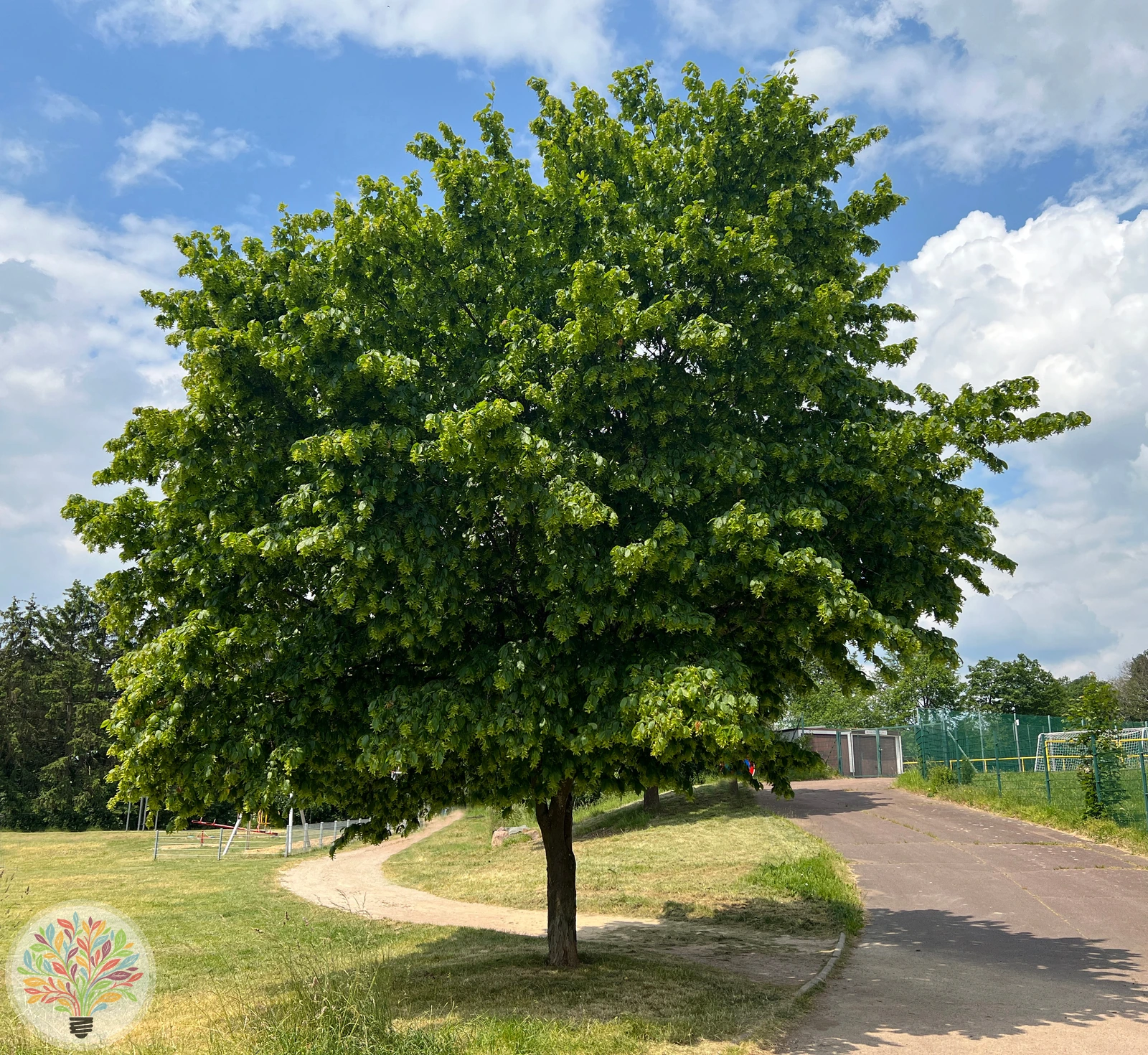
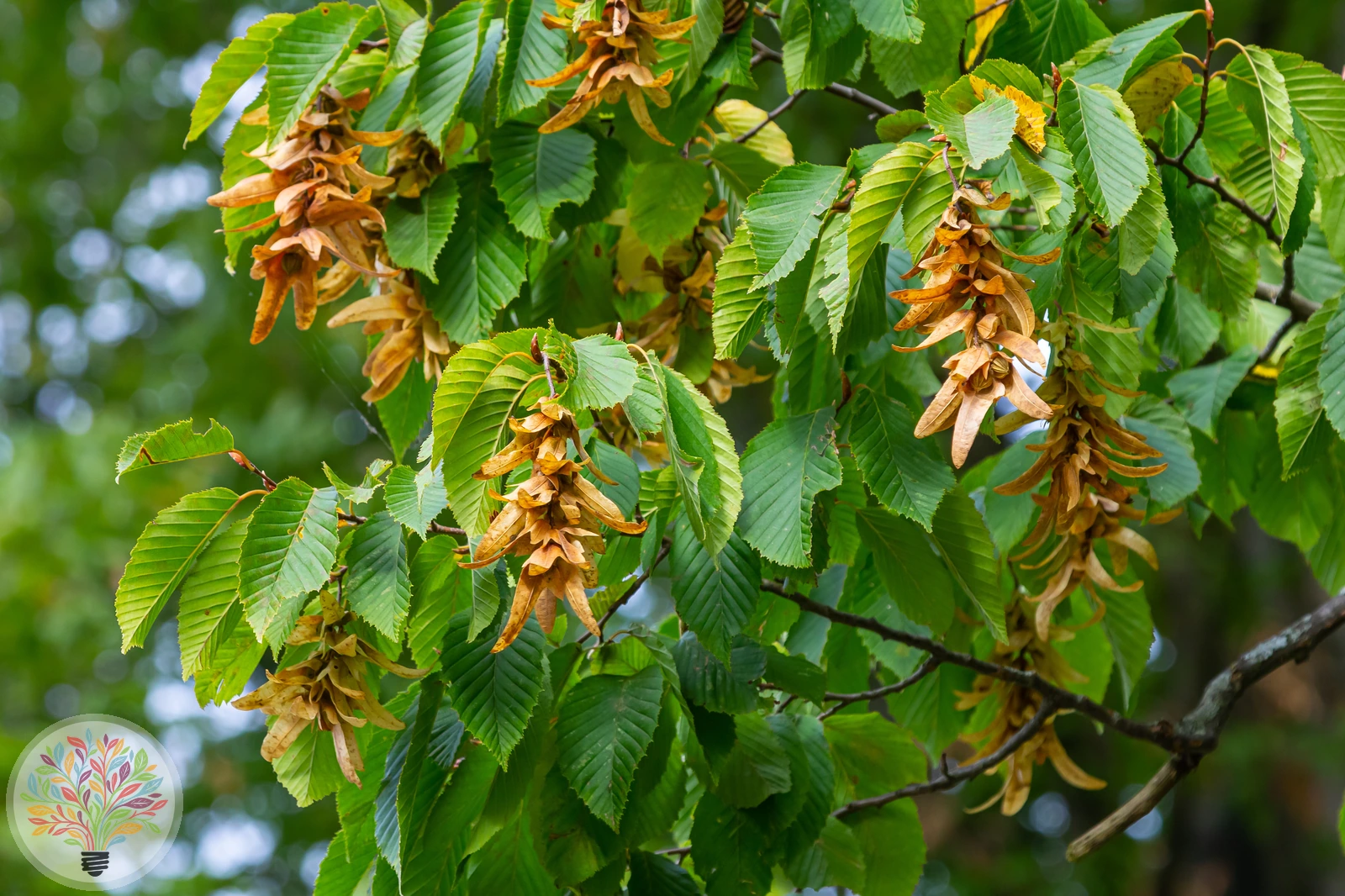
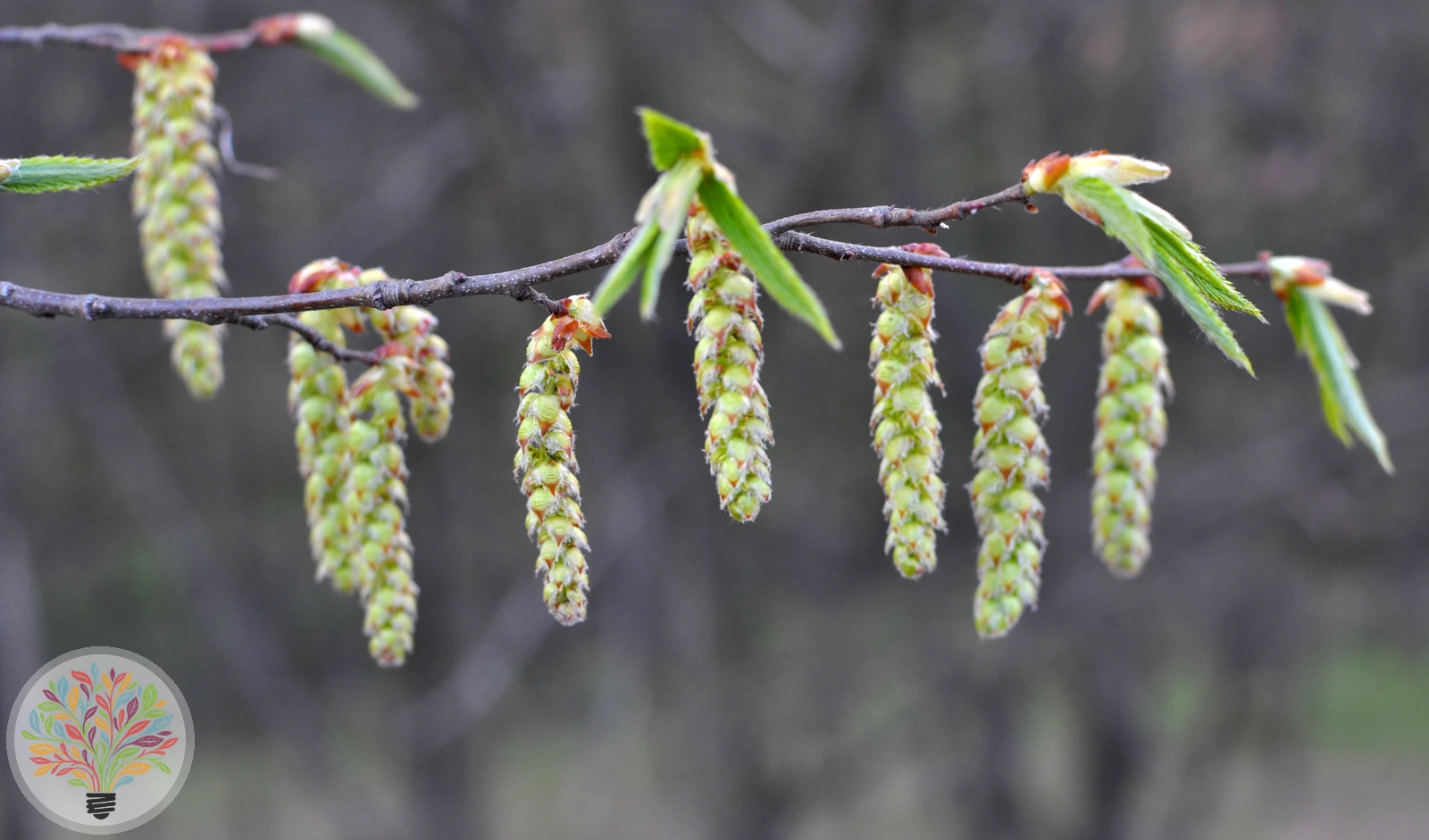
Carpinus betulus is a deciduous broadleaved tree native in Great Britain. It is characteristic of shaded positions in fresh, moderately moist, neutral to slightly acid soils, typically forming part of beech and mixed deciduous woodlands on calcareous ground. Mature trees reach a height of around 17 metres. Catkins are produced in April and May. The species associates with arbuscular mycorrhizal fungi.
Ecological network
Click to highlight connections · Click again to open the species page
Loading network...
PollinationLarval hostFlower visit
Ecological significance
As a native tree, Carpinus betulus contributes to the structure of broadleaved woodland communities on calcareous substrates. It supports woodland habitat complexity within its native range.
Annual cycle
A deciduous tree. Leaves flush in spring and are shed in autumn. The flowering period runs from April to May.
Standort & Merkmale
Light
Schatten
Moisture
Frisch (Mäßig feucht)
Soil
Mittelzehrer (Normaler Boden)
Flowering period
Apr – Mai
Soil reaction
Mäßig sauer bis neutral
Bioregion
Continental
Growth form
Baum
Woodiness
Verholzt
Leaf type
Breitblättrig
Leaf phenology
Laubabwerfend
Plant height
16.718 m
Morphological traits: TRY ID3 (CC BY 3.0) & TRY ID81 (CC BY)
Pflege & Anbau
Site Carpinus betulus in full shade or partial shade. It thrives in fresh, moderately moist soil that is neutral to slightly acid and of average fertility. It tolerates low-disturbance settings and benefits from natural arbuscular mycorrhizal partnerships. Young specimens appreciate consistent moisture until established.
Scientific profile
A woody tree of broadly deciduous leaf type, Carpinus betulus is indigenous to Britain. It grows in shade and favours fresh, moderately moist, neutral to weakly acid soils of normal nutrient status. Ellenberg-type indicator values place it in shady habitats, with a low disturbance tolerance and a preference for moderately warm temperatures. The tree typically attains heights around 16.7 metres and produces leaves of roughly 22 cm² in area. The crown is deciduous, with flowers appearing in April and May. Diaspores weigh about 36 mg. The species forms arbuscular mycorrhizal associations. It is a component of calcareous beech and mixed deciduous woodlands, with a high ecological confidence. The red list assessment registers it as *, indicating it is not threatened.
Pollinators & visitors
21 Arten interagieren mit dieser Pflanze
Anaglyptus mysticusClytus arietisErannis defoliariaCapreolus capreolusRilaena triangularisScopula ornataSitta europaeaTimandra comaeVibidia duodecimguttataPlatybunus pinetorumCervus elaphusOrthosia cerasiVespa velutina nigrithoraxAnyphaena accentuataSitona lineatusHalyzia sedecimguttataLymantria disparAgrotis exclamationisCraesus septentrionalisPolygonia c-albumNymphalis antiopa
Host relationships
34 species use this plant as a host
Chloroclysta siterataOperophtera brumataEpirrita christyiAsthena albulataEnnomos alniariaAlsophila aesculariaAgriopis aurantiariaCampaea margaritariaPtilodon capucinaPhalera bucephalaLymantria monachaAmphipyra pyramideaAmphipyra berbera svenssoniTiliacea auragoColydium elongatumXestia bajaColocasia coryliHerminia grisealisDiarsia brunneaEpirrita dilutataAgriopis marginariaJodis lacteariaApocheima hispidariaParadarisa consonariaColotois pennariaCoccinella septempunctataCalvia decemguttataPsyllobora vigintiduopunctataSatyrium w-albumCastor fiberAdalia decempunctataCalliteara pudibundaAglia tauUleiota planatus
Other flower visitors
40 other species visit the flowers
Melasis buprestoidesCerambyx scopoliiRutpela maculataGrammoptera ruficornisPtilinus pectinicornisHemicoelus costatusPlagionotus arcuatusDiplocoelus fagiVincenzellus ruficollisLitargus connexusTrachys minutusThaumetopoea processioneaDendrocopos majorDendrocoptes mediusChloris chlorisAgrilus viridisOenopia conglobataCarabus cancellatusCalvia quatuordecimguttataXysticus cristatusTurdus merulaPsittacula krameriTetramorium caespitumAgrilus angustulusPipistrellus pipistrellusMyotis daubentoniiNyctalus noctulaNyctalus leisleriPipistrellus pygmaeusPlecotus auritusMyotis nattereriTaphrorychus bicolorPtinomorphus imperialisScolytus intricatusStenurella nigraAlosterna tabacicolorChrysobothris affinisPhymatodes testaceusDorcus parallelipipedusSinodendron cylindricum
Sources & data origin
•Cook et al. (2025) UK Butterfly & Moth Traits (DOI: 10.5285/dbc7cc17-cbbd-49dd-bab4-8e8855768d66)
•Interaktionsdaten via GloBI (CC-BY 4.0)
•Middleton-Welling_2020
•FloraWeb / BfN
•EIVE 1.0 — Dengler et al. (2023), DOI: 10.3897/VCS.98324 (CC BY 4.0)
•GBIF Backbone Taxonomy — GBIF Secretariat (2024), DOI: 10.15468/39omei (CC BY 4.0)
•TRY Categorical Traits (ID3) — Kattge et al. (2012), DOI: 10.17871/TRY.3 (CC BY 3.0)
•TRY Global Spectrum (ID81) — Díaz et al. (2016/2021), DOI: 10.17871/TRY.81 (CC BY)
•Govaerts R et al. (2025) — World Checklist of Vascular Plants (WCVP) v14. Royal Botanic Gardens, Kew. DOI: 10.34885/xs7h-ze42 (CC BY 4.0)
•Foto: © Manfred Ruckszio / Adobe Stock / AdobeStock_672743490
All data is licensed under CC BY 4.0, CC0, or compatible terms. Attribution according to license conditions. Full source overview →