Echte Walnuss
Juglans regia
Mit KI erstellt
Mehr erfahren
Die redaktionellen Texte dieses Profils wurden mithilfe von KI auf Grundlage der unten genannten wissenschaftlichen Daten und Quellen erstellt.
Auch bekannt als: Walnussbaum, Calottier
Familie: WalnussgewächseGattung: JuglansHeimisch — Deutschland
🌿
47
Arten
interagieren
🔗
55
Interaktionen
dokumentiert
🐛
28
Wirtsbeziehungen
Arten
Über diese Art
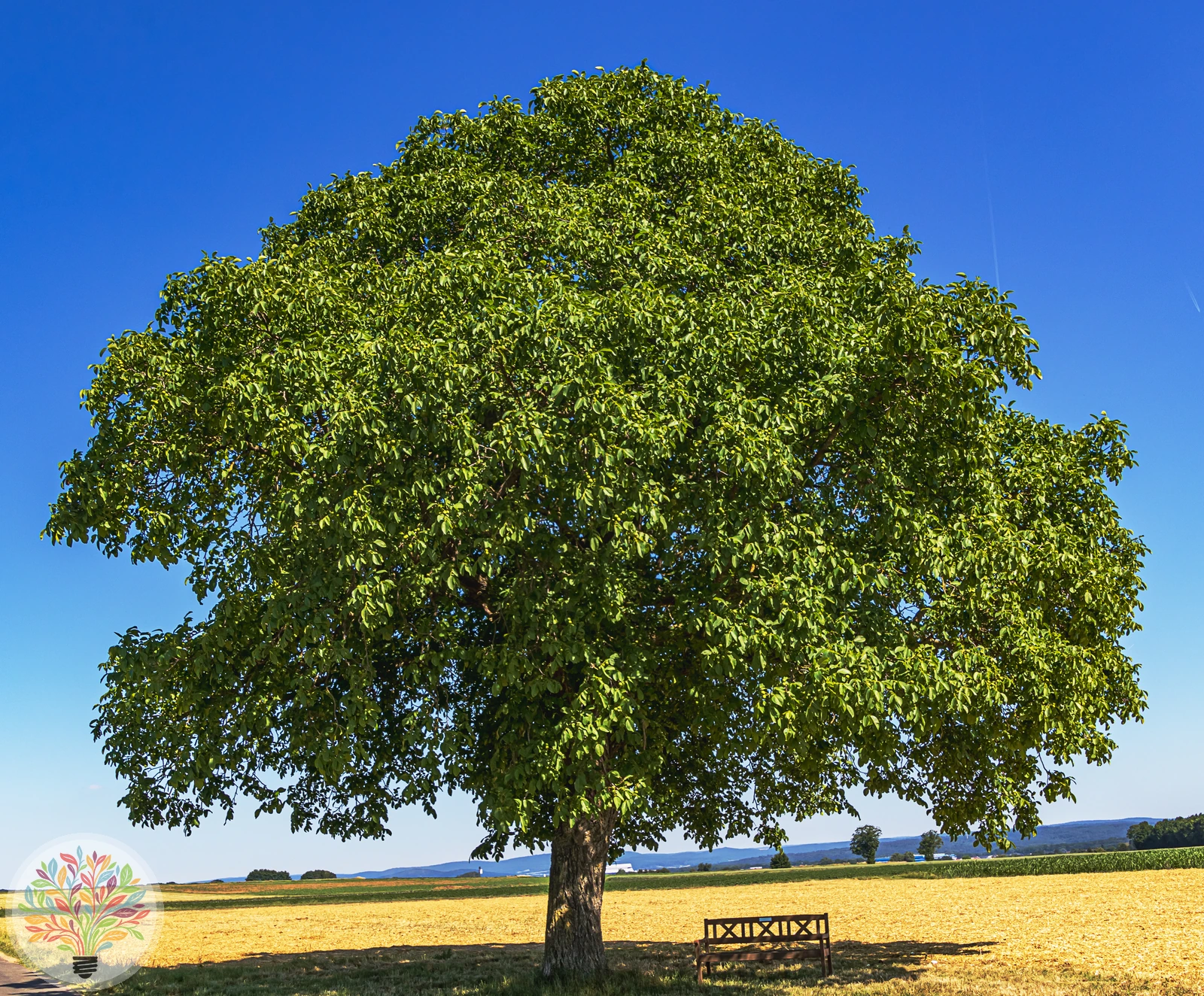
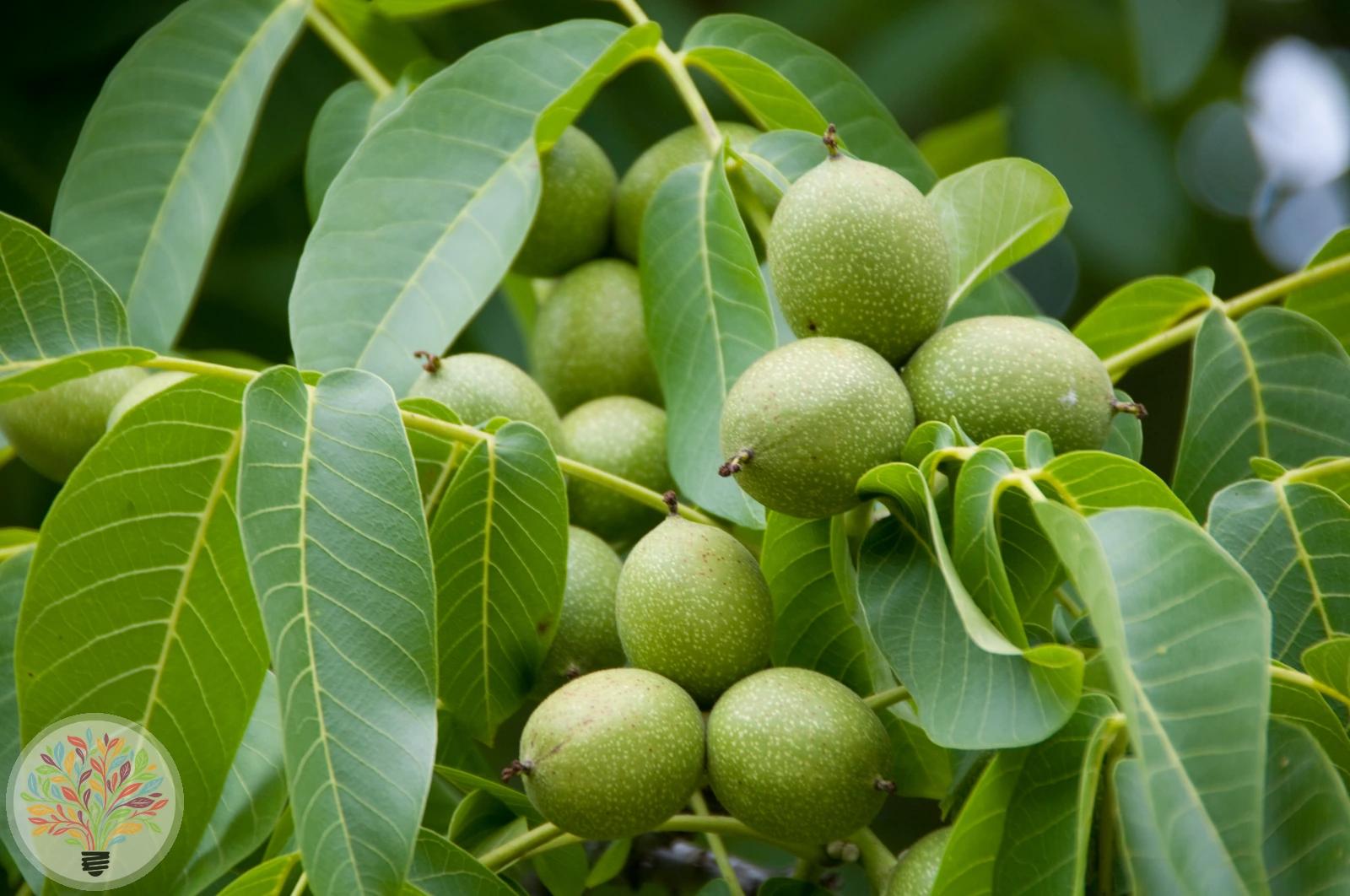
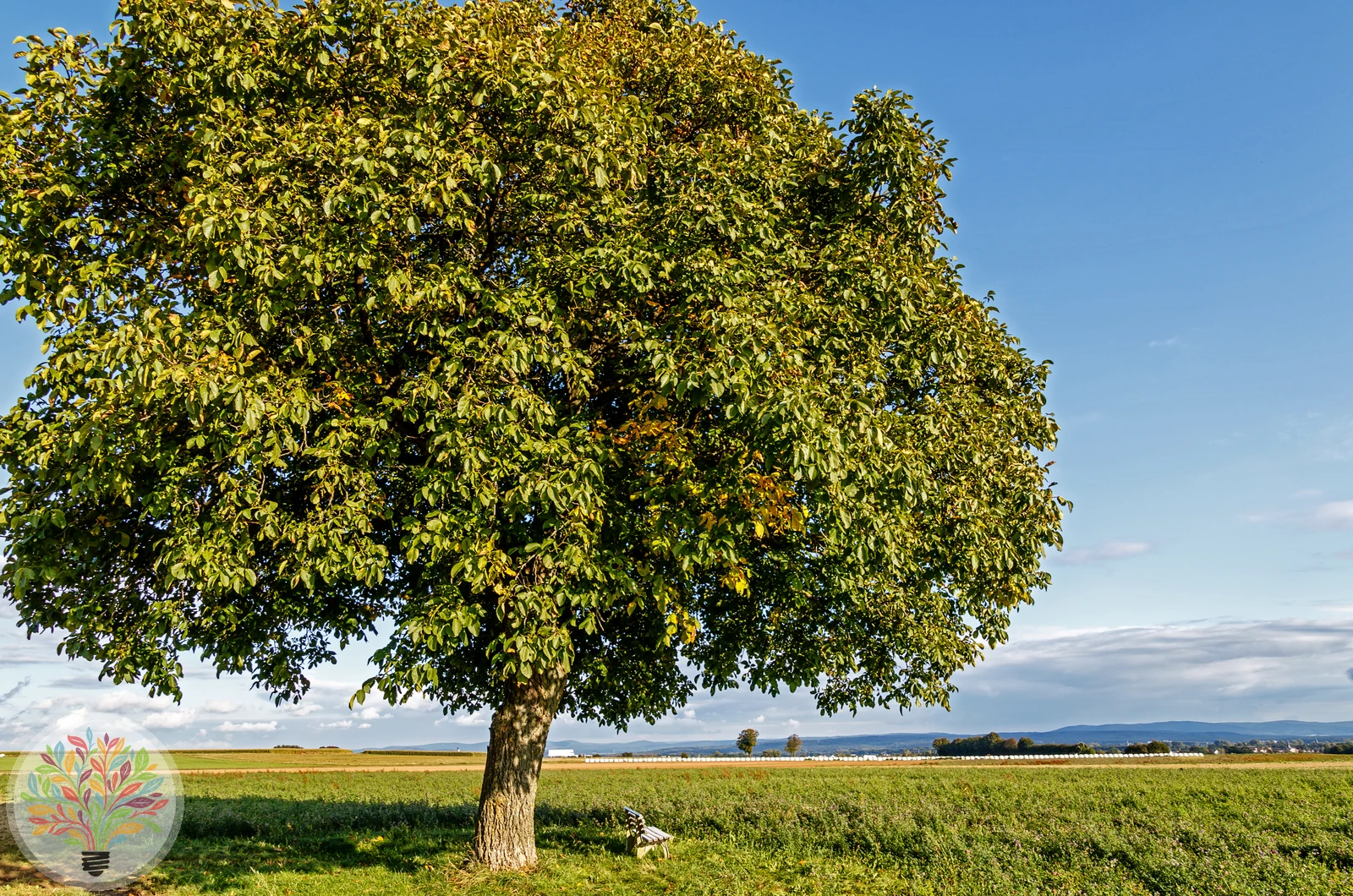
Mit ihren markanten, unpaarig gefiederten Blättern und der imposanten Krone fällt die Echte Walnuss (Juglans regia) sofort auf. Dieser Baum ist ein Archäophyt (eine Pflanze, die bereits vor 1492 bei uns eingeführt wurde) und bereichert unsere Gärten seit Jahrhunderten. Ökologisch ist sie besonders wertvoll, da sie als Raupenfutter für den Buchen-Zahnspinner (Drymonia ruficornis) dient. Auch spezialisierte Kleinstlebewesen wie die Gallmilbe (Aceria erinea) finden hier ein Zuhause. Wenn du ausreichend Platz hast, ist sie ein wertvolles Erbstück für kommende Generationen. Hast du schon einen geeigneten Platz für diesen Charakterbaum reserviert?
Majestätischer Baumriese und wichtiges Raupenfutter für den Buchen-Zahnspinner.
Ökologisches Netzwerk
Klicken hebt Verbindungen hervor · Nochmals klicken öffnet die Artenseite
Netzwerk wird geladen...
BestäubungLarvalwirtBlütenbesuch
Ökologische Bedeutung
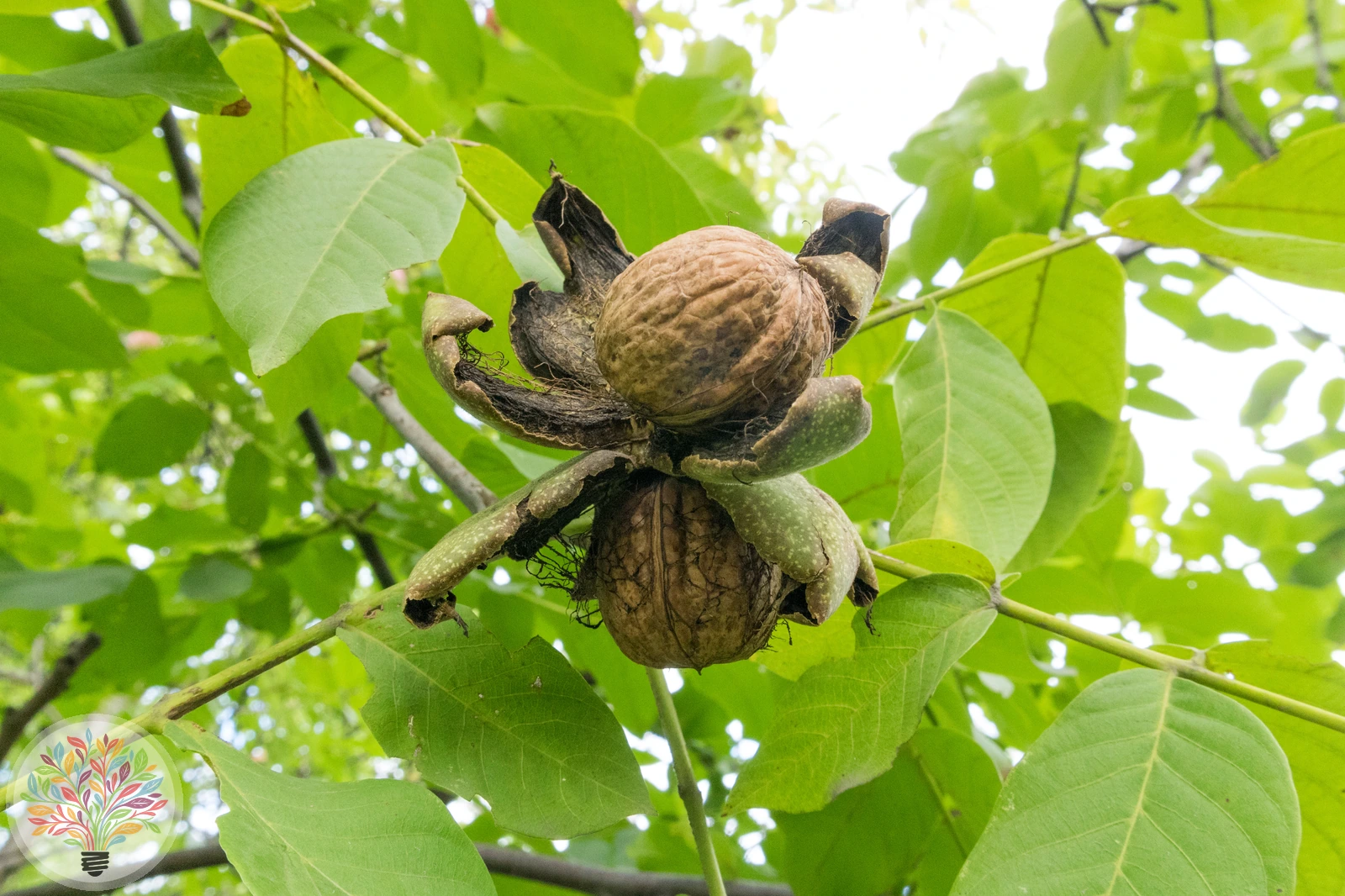
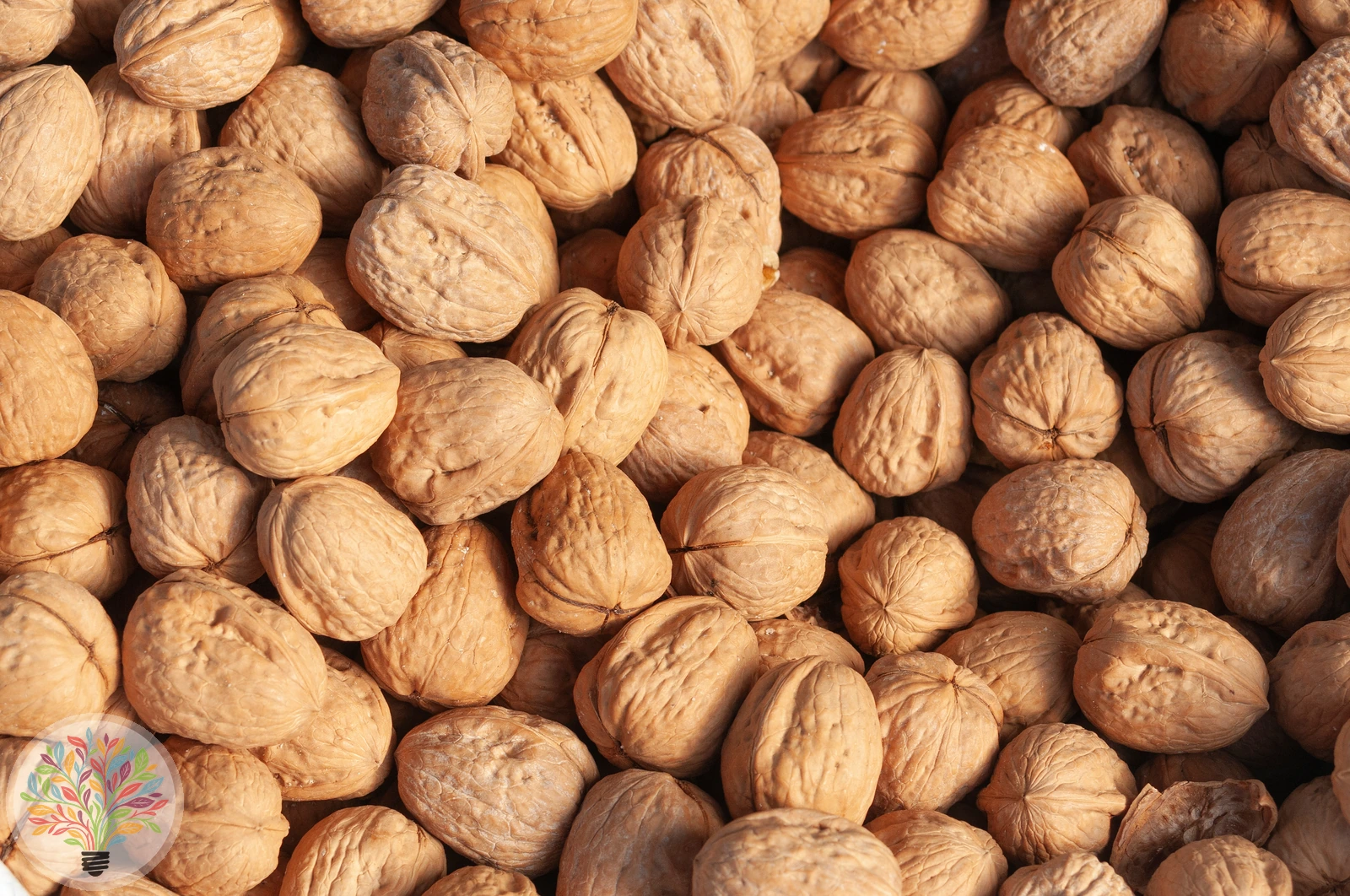
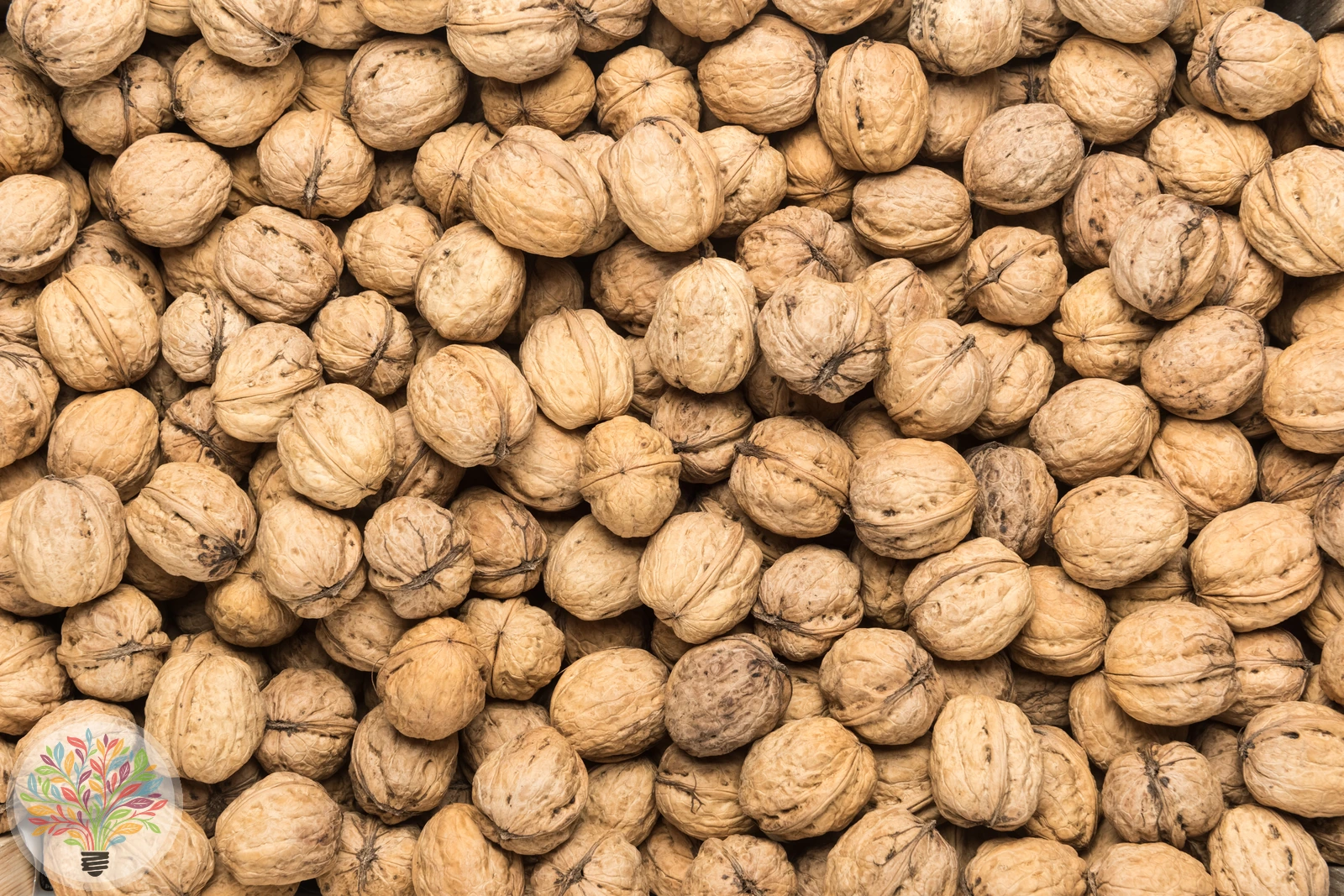
Die Echte Walnuss ist ein wichtiger Baustein für die heimische Artenvielfalt. Sie dient spezifisch als Raupenfutterpflanze für den Buchen-Zahnspinner (Drymonia ruficornis). Auf den Blättern siedelt zudem häufig die Gallmilbe (Aceria erinea), die typische Pusteln verursacht, dem Baum aber nicht schadet. Mit einer Blütezeit im Juni (Monat 6) bietet sie Pollen in einer Zeit, in der viele andere Waldbäume bereits verblüht sind. Die schweren Nüsse werden von Eichhörnchen und Vögeln geschätzt, die so für die Tierverbreitung über kurze Distanzen sorgen. Ein alter Baum bildet zudem durch seine rissige Borke wertvolle Nischen für nützliche Raubinsekten.
Jahreszyklus
Apr-MaiPflanzzeit Frühling bei offenem Boden
JunUnscheinbare Blütezeit
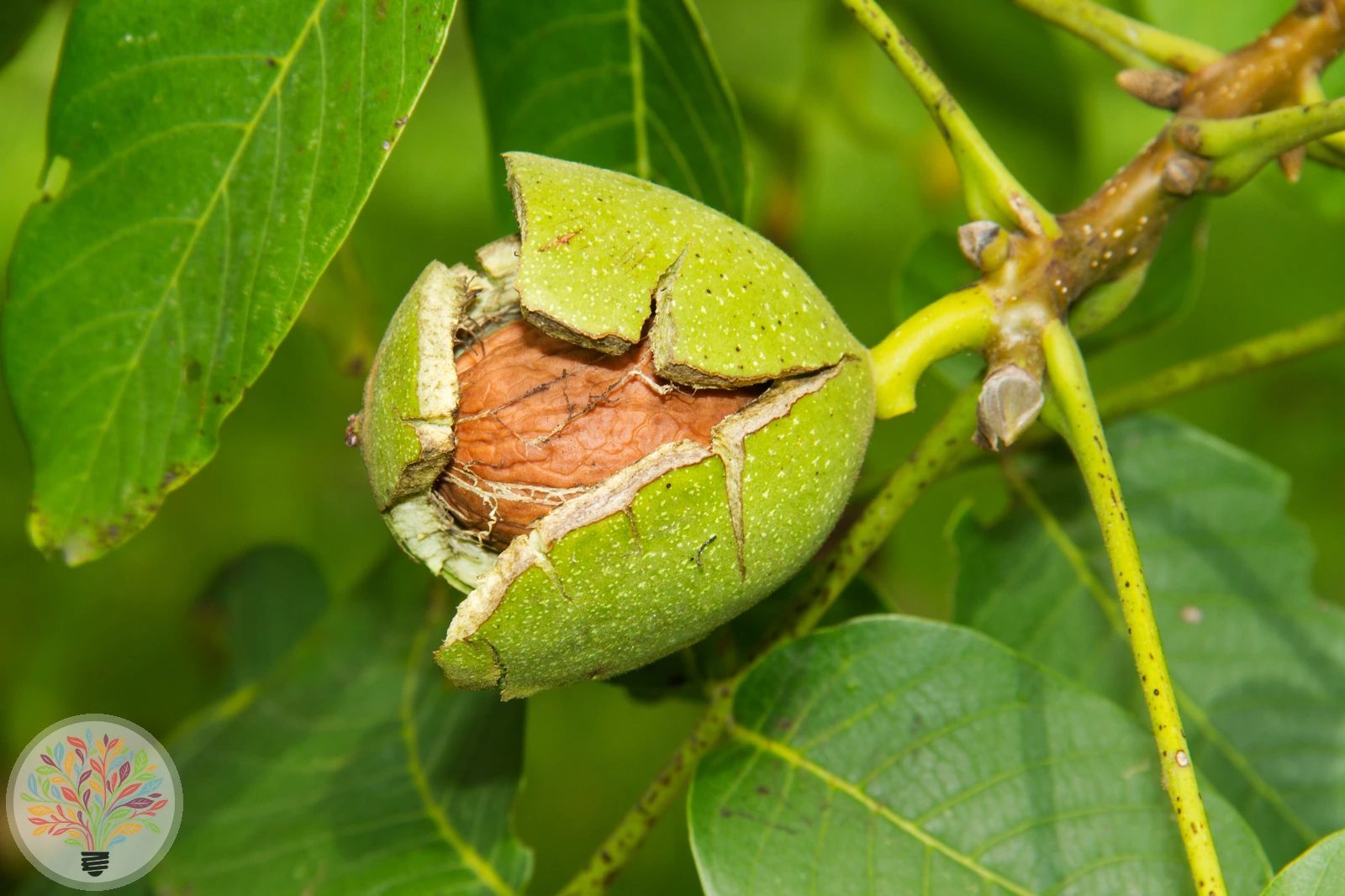
Jul-AugAusbildung der grünen Fruchtschalen
Sep-OktSamenreife und Ernte der herabgefallenen Nüsse
NovPflanzzeit Herbst bis zum ersten Frost
Dez-JanWinterruhe und Zeit für die Planung von Unterpflanzungen
Sicherheitshinweis
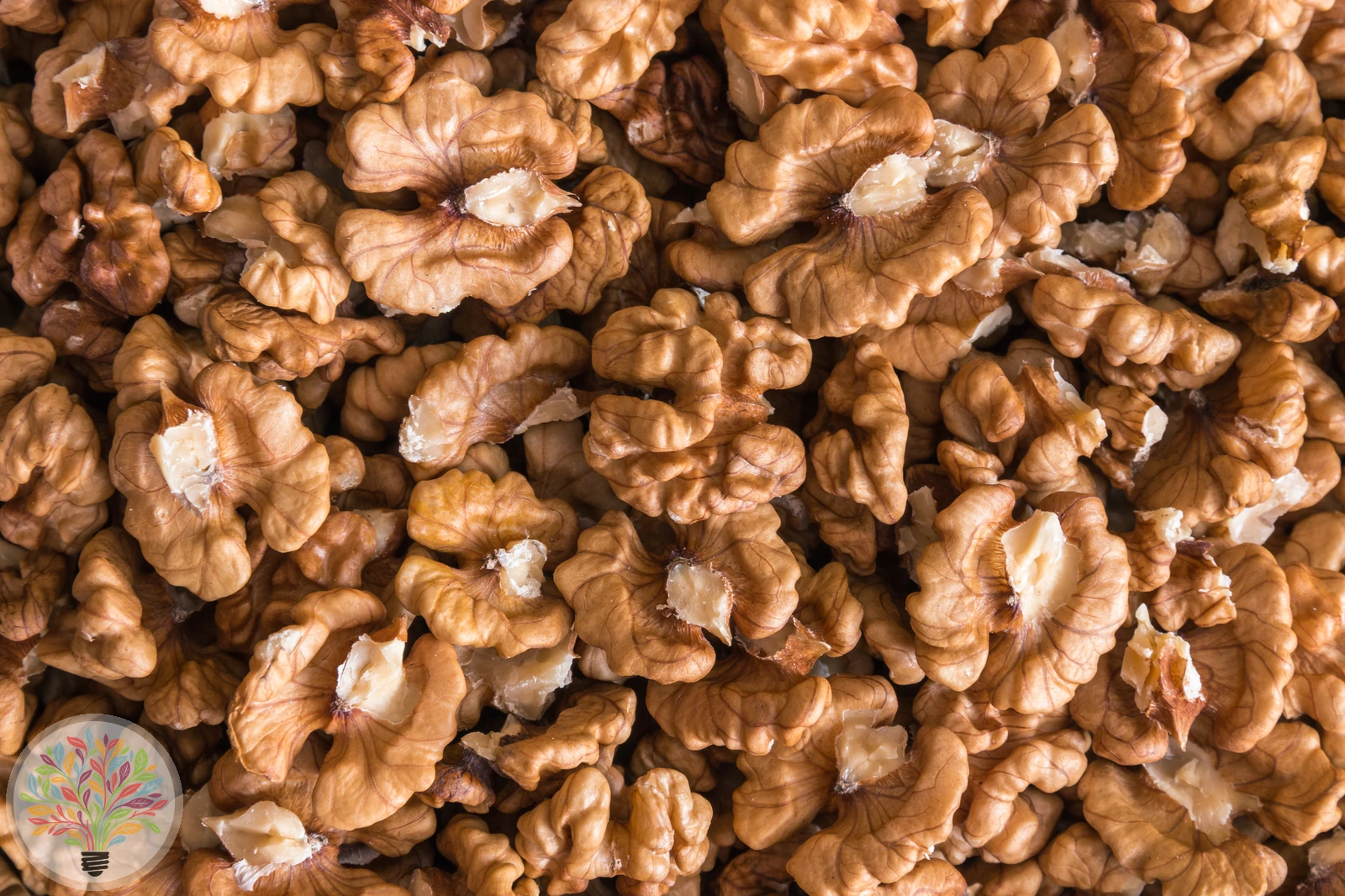
Die Echte Walnuss gilt im Garten als nicht uneingeschränkt kindersicher. Die grünen Fruchtschalen enthalten intensive Farbstoffe und Gerbstoffe, die bei Kontakt zu Flecken oder leichten Hautreizungen führen können. Achte darauf, dass kleine Kinder die unreifen Früchte nicht in den Mund nehmen. Die reifen Kerne hingegen sind nach der Ernte ein sicherer und gesunder Genuss.
Standort & Merkmale
Licht
Halbschatten
Feuchtigkeit
Frisch (Mäßig feucht)
Boden
Starkzehrer (Nährstoffreicher/Fetter Boden)
Blütezeit
Jun – Jun
Bodenreaktion
Basisch / Kalkhold
Bioregion
Continental
Wuchsform
Baum
Verholzung
Verholzt
Blatttyp
Breitblättrig
Blattphänologie
Laubabwerfend
Pflanzenhöhe
19,624 m
Morphologische Merkmale: TRY ID3 (CC BY 3.0) & TRY ID81 (CC BY)
Pflege & Anbau
- Ellenberg Licht 6: Wähle einen halbschattigen Platz, an dem die Krone sich frei zu ihrer vollen Größe entfalten kann.
- Boden: Als Starkzehrer (Pflanze mit hohem Nährstoffbedarf) benötigt sie einen tiefgründigen, sehr nährstoffreichen Boden.
- Ellenberg Feuchte 5: Achte auf eine frische (mäßig feuchte) Bodenbeschaffenheit ohne Staunässe.
- Bodenreaktion: Ein kalkhaltiger (basischer) Boden ist ideal für ein gesundes Wachstum.
- Pflanzzeit: Setze den Baum am besten im Frühling (März bis Mai) oder im Herbst (September bis November), sofern der Boden offen ist.
- Abstand: Halte aufgrund der Endhöhe von 19.62 m ausreichend Distanz zu Gebäuden und anderen Gehölzen ein.
- Pflege: Ein Rückschnitt sollte nur im Spätsommer erfolgen, um den starken Saftfluss der Pflanze zu kontrollieren.
- Gute Partnerin: Die Hasel (Corylus avellana) — sie hat ähnliche Ansprüche an Boden und Licht und ergänzt das ökologische Angebot für Nagetiere.
Wissenschaftliches Profil
Die Echte Walnuss (Juglans regia) gehört zur Familie der Walnussgewächse (Juglandaceae) und zur Ordnung der Buchenartigen. In Deutschland, Österreich und der Schweiz ist sie weit verbreitet und besiedelt bevorzugt lichte Laubmischwälder oder Weinbauregionen auf kalkhaltigem Untergrund. Morphologisch ist sie durch ihre silbergraue Rinde und die großen, aromatisch duftenden Fiederblätter gut erkennbar. Der Baum erreicht eine stattliche Wuchshöhe von genau 19.62 m. Als Archäophyt (alteingebürgerte Art) ist sie ein fester Bestandteil unserer heimischen Kulturlandschaft.
Bestäuber & Besucher
4 Arten interagieren mit dieser Pflanze
Wirtsbeziehungen
28 Arten nutzen diese Pflanze als Wirt
Buchen-ZahnspinnerAceria tristriataActias lunaTau-EulenspinnerEichen-ProzessionsspinnerSchwammspinnerWeidenbohrerBuchen-Streckfuß, RotschwanzArchips podanaCadra cautellaCaloptilia roscipennellaCydia pomonellaCydia splendanaAsiatischer MarienkäferGoldafterEuzophera bigellaHyphantria cuneaKleiner KurzdeckenbockPanaphis juglandisParalipsa gularisSaissetia oleaeGroßes NachtpfauenaugeStigmella floslactellaStigmella microtheriellaSynanthedon vespiformisThaumatotibia leucotretaBlausiebDörrobstmotte
Weitere Blütenbesucher
15 weitere Arten besuchen die Blüten
Quellen & Datenherkunft
•TraitCH — CC BY 4.0TraitCH 2.0 contributors; imported as source-preserving NaturKompass taxon evidence.
•Interaktionsdaten via GloBI (CC-BY 4.0)
•Cook et al. (2025) UK Butterfly & Moth Traits (DOI: 10.5285/dbc7cc17-cbbd-49dd-bab4-8e8855768d66)
•pollinator_interactions
•Baden-Böhm F, App M, Thiele J (2022) — The FloRes Database: A floral resources trait database for pollinator habitat-assessment generated by a multistep workflow. Johann Heinrich von Thünen-Institut, Dryad, DOI: 10.5061/dryad.djh9w0w29 (CC0)
•FloraWeb / BfN
•EIVE 1.0 — Dengler et al. (2023), DOI: 10.3897/VCS.98324 (CC BY 4.0)
•GBIF Backbone Taxonomy — GBIF Secretariat (2024), DOI: 10.15468/39omei (CC BY 4.0)
•TRY Categorical Traits (ID3) — Kattge et al. (2012), DOI: 10.17871/TRY.3 (CC BY 3.0)
•TRY Global Spectrum (ID81) — Díaz et al. (2016/2021), DOI: 10.17871/TRY.81 (CC BY)
•Checklist Alien Plants Belgium — Verloove F (2023), Botanic Garden Meise (CC BY 4.0)
•Govaerts R et al. (2025) — World Checklist of Vascular Plants (WCVP) v14. Royal Botanic Gardens, Kew. DOI: 10.34885/xs7h-ze42 (CC BY 4.0)
•Foto: © Adobe Stock / AdobeStock_512619741
Alle Daten sind CC BY 4.0, CC0 oder kompatibel lizenziert. Namensnennung gemäß Lizenzbedingungen. Vollständige Quellenübersicht →
Stand: 18.12.2025. Korrekturen können über das Feedback-Formular gemeldet werden.