Gewöhnliche Rosskastanie
Aesculus hippocastanum
Mit KI erstellt
Mehr erfahren
Die redaktionellen Texte dieses Profils wurden mithilfe von KI auf Grundlage der unten genannten wissenschaftlichen Daten und Quellen erstellt.
Auch bekannt als: Gewöhnliche Roßkastanie, Weiße Rosskastanie, Rosskastanie, Gemeine Rosskastanie
Familie: SeifenbaumgewächseGattung: RosskastanienHeimisch — Deutschland
🌿
59
Arten
interagieren
🔗
95
Interaktionen
dokumentiert
🐛
9
Wirtsbeziehungen
Arten
Über diese Art
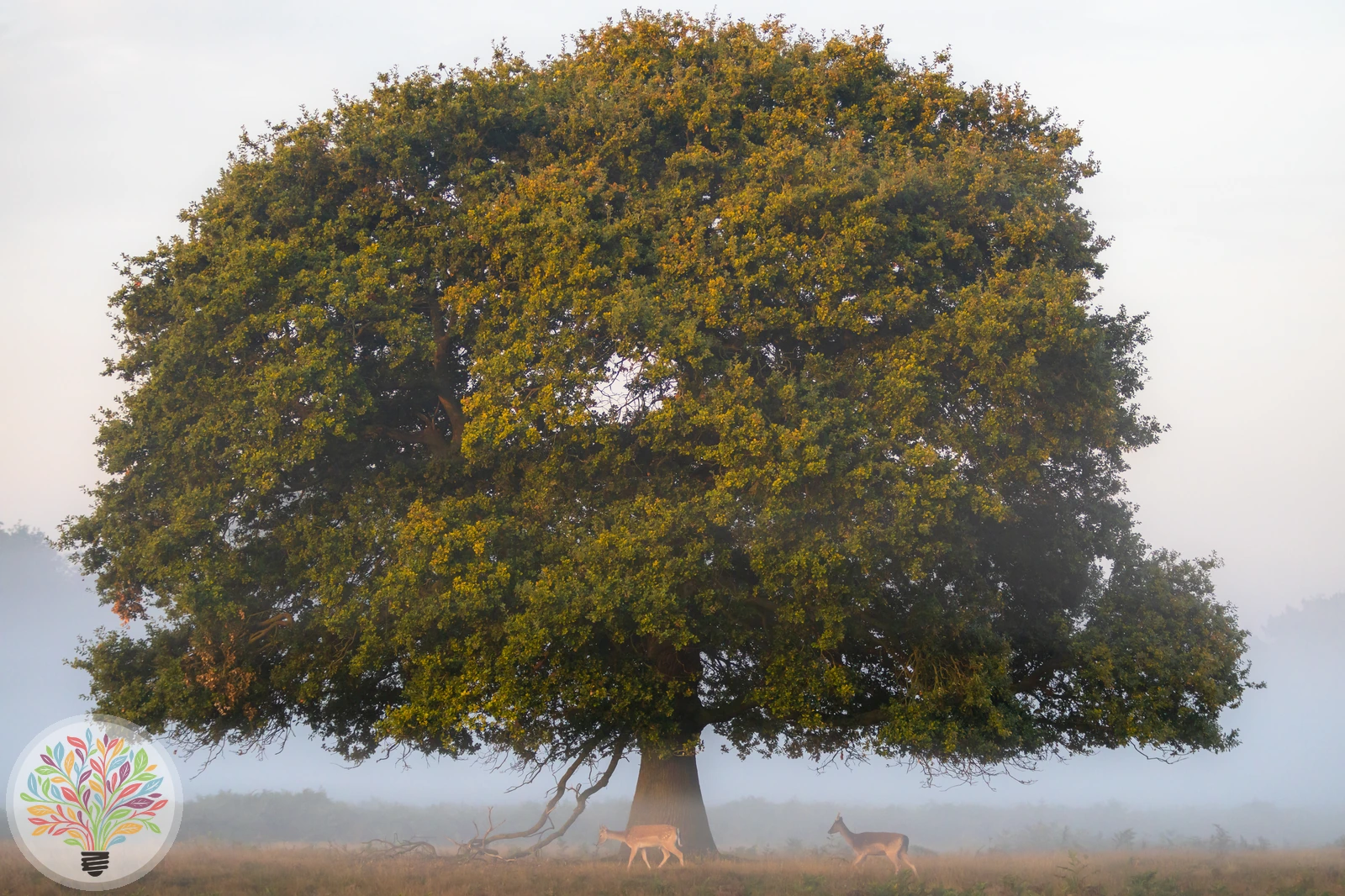
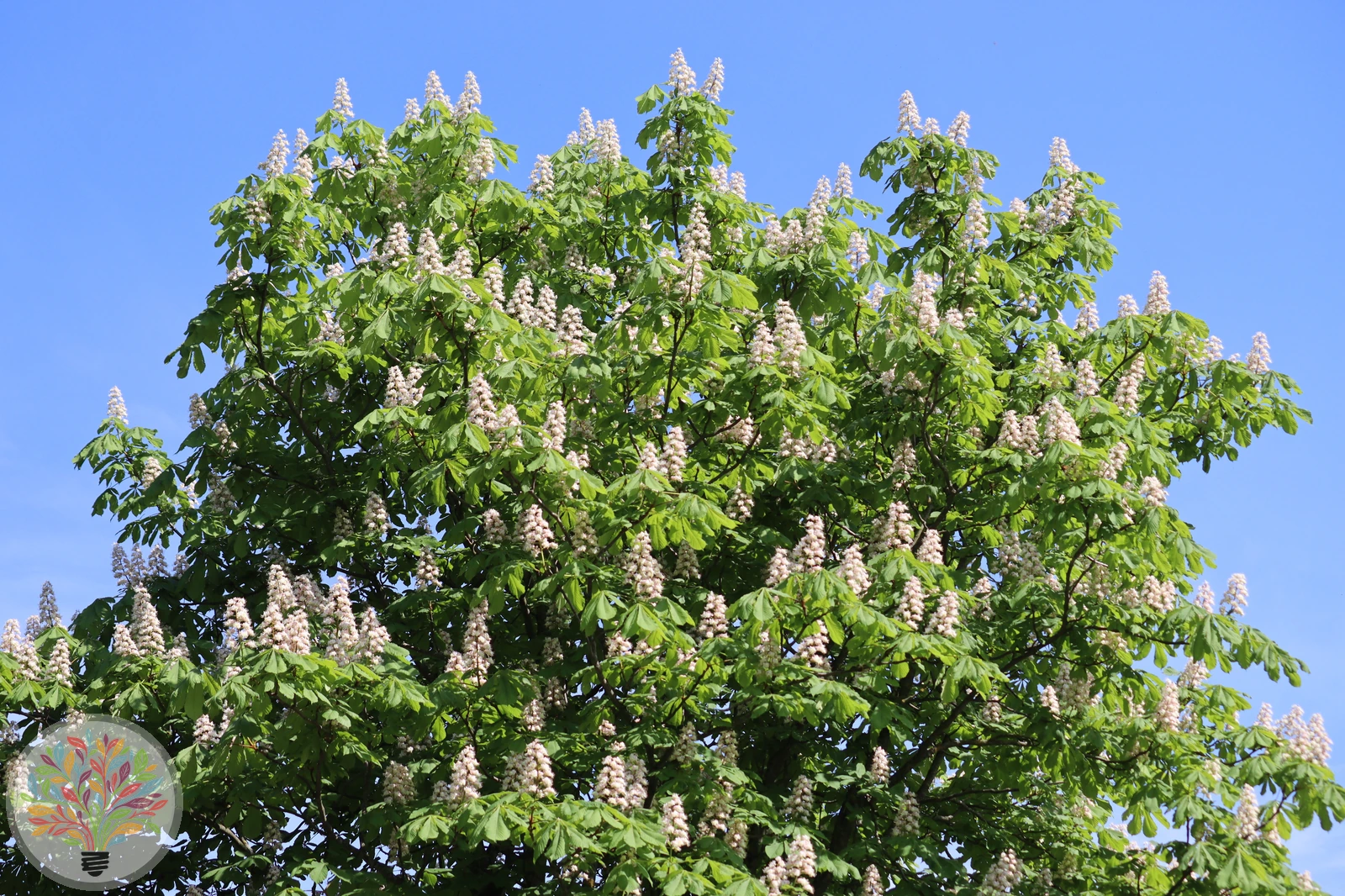
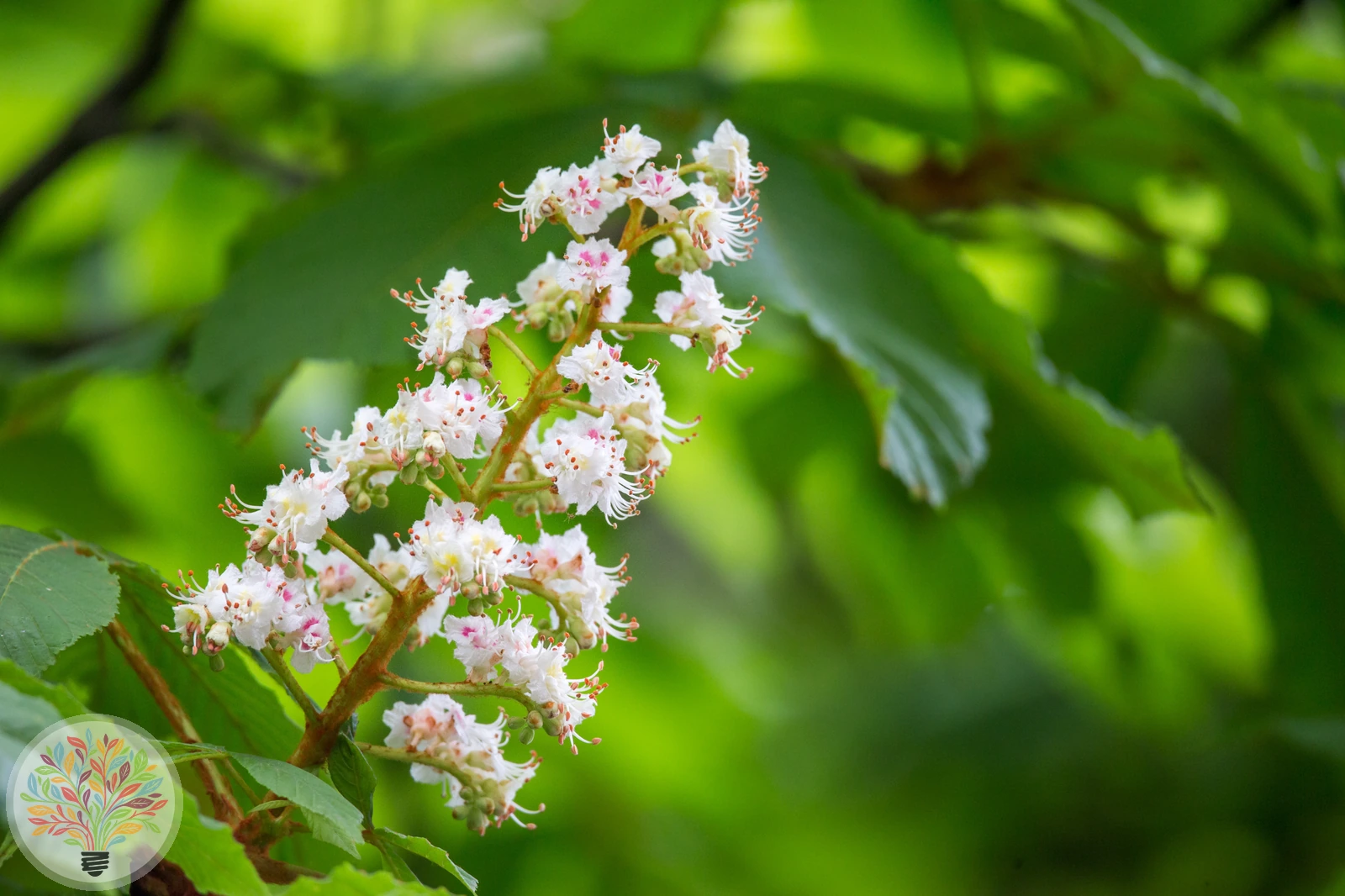
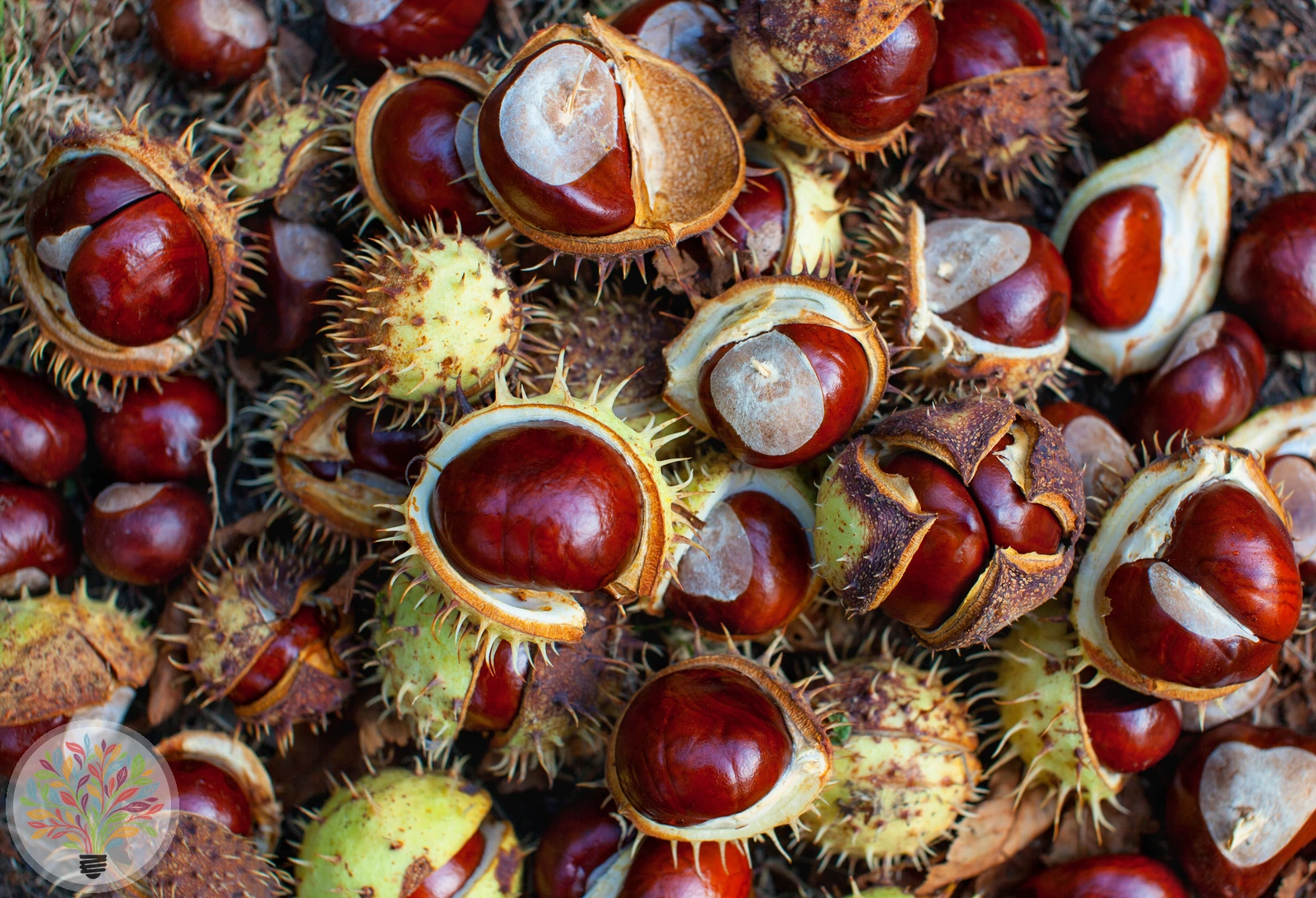
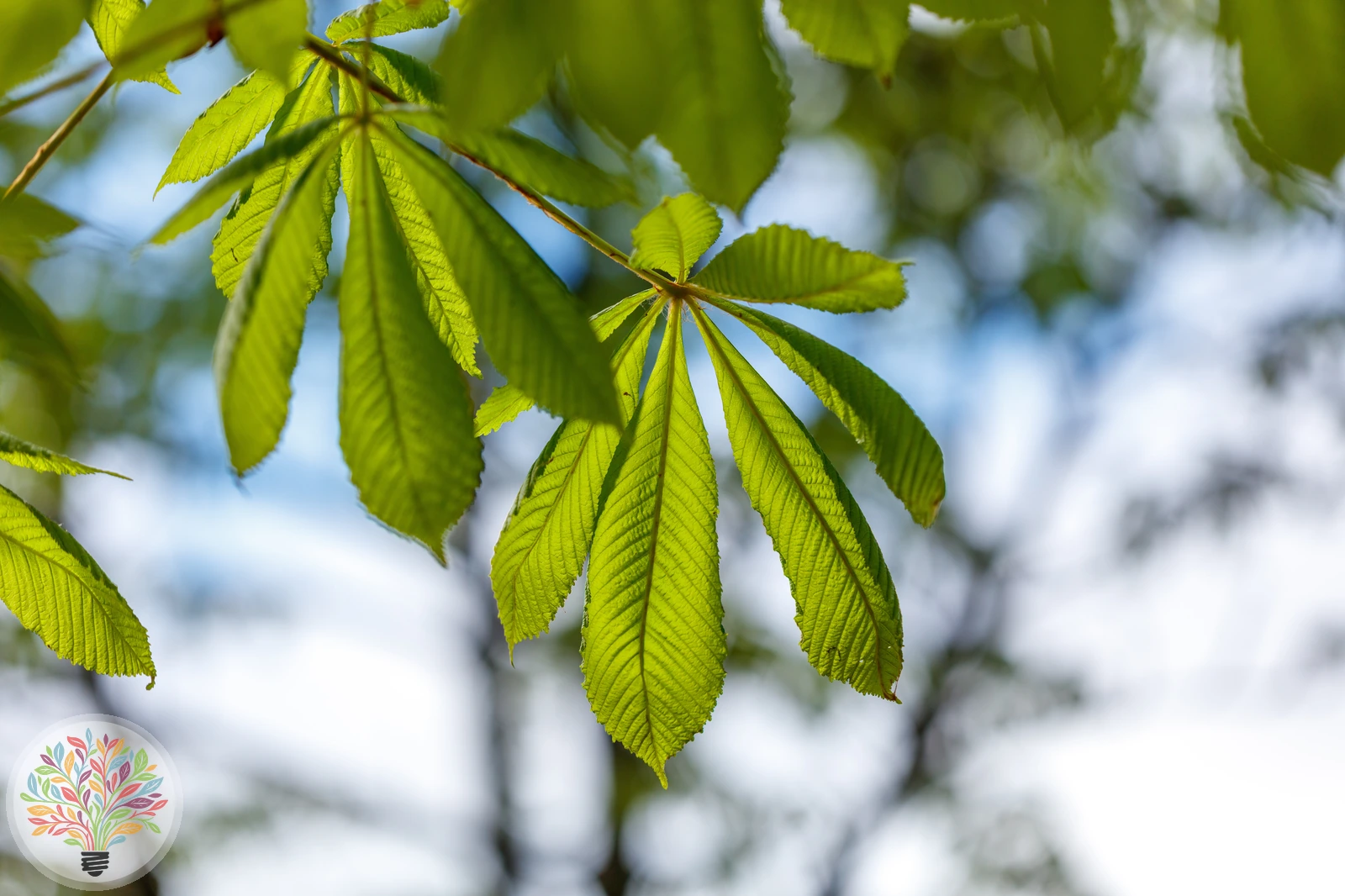
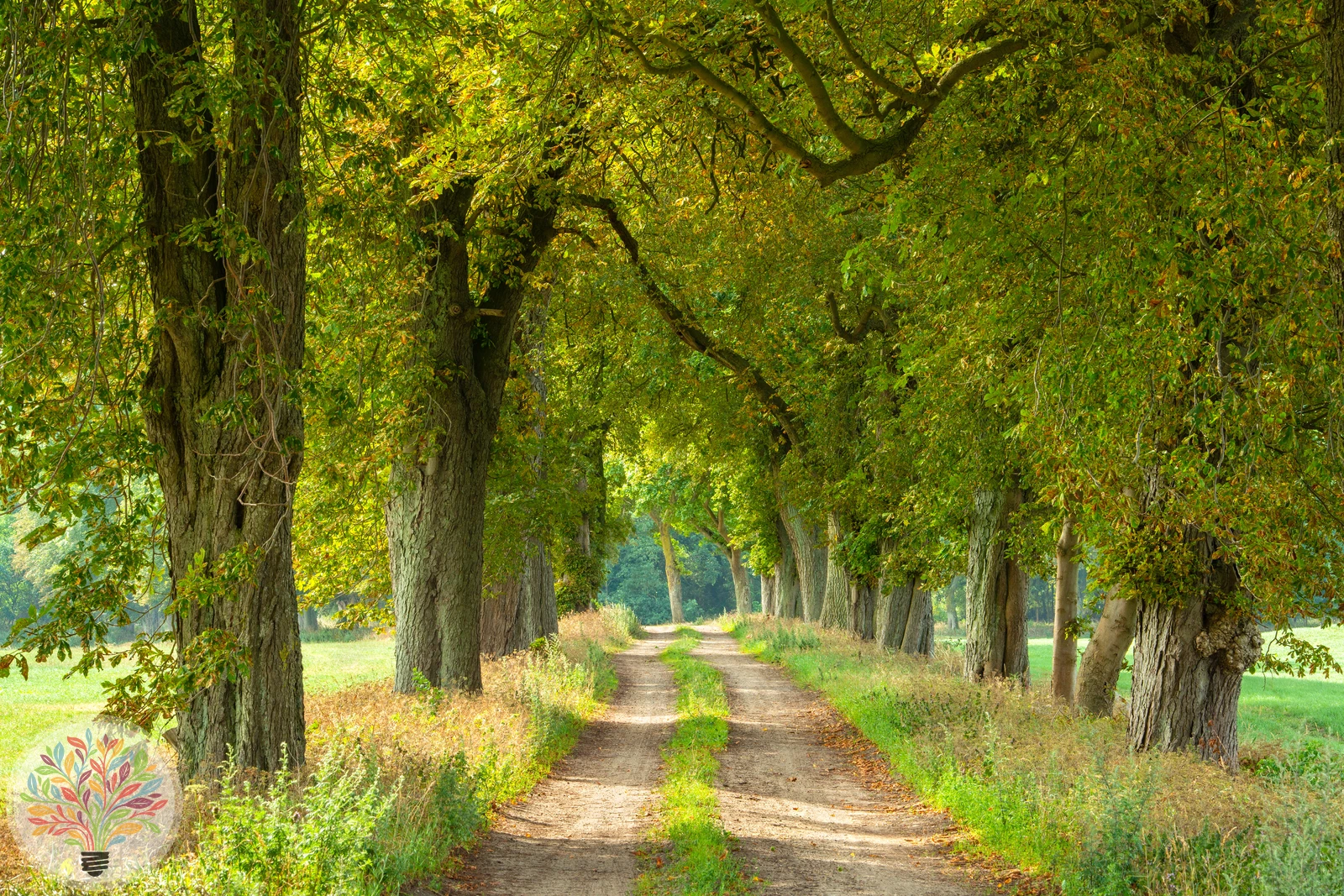
Kaum zu übersehen: Die Gewöhnliche Rosskastanie (Aesculus hippocastanum) besticht durch ihre großen, fingerförmig geteilten Blätter und die markanten, aufrechten Blütenstände. In deinem Naturgarten fungiert sie als wertvoller Lebensraum, von dem beispielsweise die Westliche Kuckuckshummel (Bombus campestris) und die Zwergfledermaus (Pipistrellus pipistrellus) profitieren. Sie bietet kühlen Schatten und eine imposante Struktur auf einer stattlichen Höhe. Wenn du eine Fläche hast, auf der ein Baum über Jahrzehnte wachsen darf, triffst du mit ihr eine nachhaltige Wahl für die Artenvielfalt. Achte aber darauf, dass sie ausreichend Platz für ihre Wurzeln und die breite Krone bekommt.
Ein 17 Meter hohes Naturmonument für Kuckuckshummeln und Zwergfledermäuse.
Ökologisches Netzwerk
Klicken hebt Verbindungen hervor · Nochmals klicken öffnet die Artenseite
Netzwerk wird geladen...
BestäubungLarvalwirtBlütenbesuch
Ökologische Bedeutung
Nach aktuellen Bestäubungsdaten ist die Rosskastanie eine wichtige Anlaufstelle für Insekten wie die Gelbbeinige Kielsandbiene (Andrena flavipes) und die Gewöhnliche Bindensandbiene (Halictus tumulorum). Als Raupenfutterpflanze dient sie spezialisierten Arten wie dem Holunderspanner (Ourapteryx sambucaria), dem Blausieb (Zeuzera pyrina) und dem Nachtschwalbenschwanz (Ourapteryx sambucaria). Auch der Schwarzfleckige Trapezrüßler (Liophloeus tessulatus) ist ein regelmäßiger Gast. Sogar Wirbeltiere wie die Zwergfledermaus (Pipistrellus pipistrellus) nutzen den Baum als Lebensraum. Die schweren Samen dienen verschiedenen Tieren als Nahrung, die im Gegenzug für die Verbreitung sorgen.
Jahreszyklus
Mrz-MaiPflanzzeit im Frühjahr bei offenem Boden
JunHauptblütezeit und Nektarangebot für Insekten
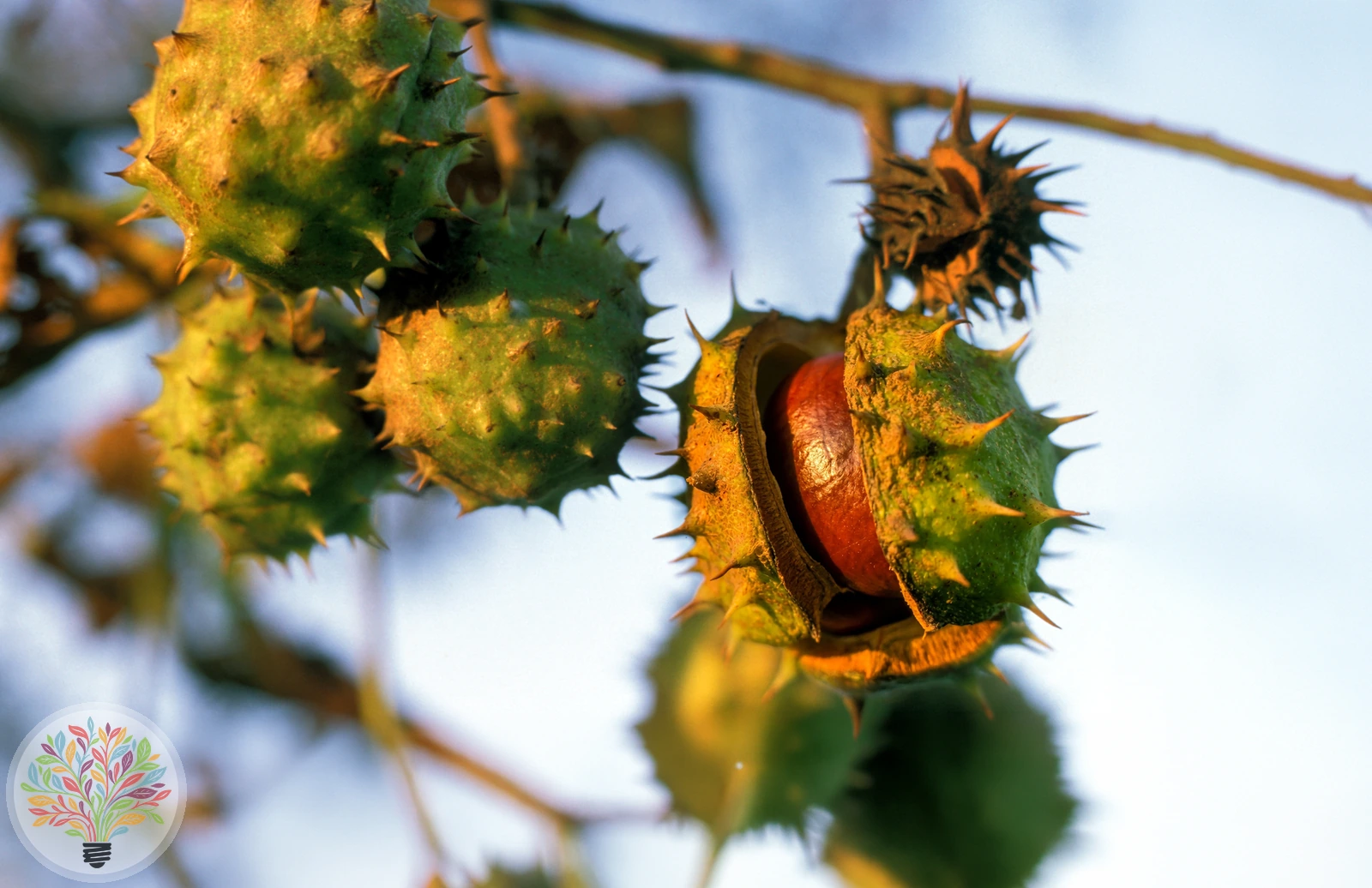
Jul-AugEntwicklung der stacheligen Kapselfrüchte
SepBeginn der Samenreife und natürliche Ausbreitung
Sep-NovIdeale Pflanzzeit im Herbst
OktLaubfall und beginnende Winterruhe
Dez-FebWinteraspekt als potenzielles Quartier für Fledermäuse
Sicherheitshinweis
Die Gewöhnliche Rosskastanie ist nicht kindersicher, da ihre Samen und Blätter Inhaltsstoffe enthalten, die bei Verzehr zu Unverträglichkeiten führen können. Achte besonders darauf, dass Kleinkinder die glänzenden Kastanien nicht in den Mund stecken. Im Notfall ist der Giftnotruf unter 0228 19 240 erreichbar.
Standort & Merkmale
Licht
Halbschatten
Feuchtigkeit
Frisch (Mäßig feucht)
Boden
—
Blütezeit
Jun – Jun
Bioregion
Continental
Wuchsform
Baum
Verholzung
Verholzt
Blatttyp
Breitblättrig
Blattphänologie
Laubabwerfend
Pflanzenhöhe
17,036 m
Morphologische Merkmale: TRY ID3 (CC BY 3.0) & TRY ID81 (CC BY)
Kronröhre
4.5 mm
Nektar
0.5399 µl/Blüte
Pflege & Anbau
- Standort: Wähle einen Platz im Halbschatten (Lichtzahl 5), sie kommt jedoch auch mit helleren Standorten gut zurecht.
- Boden: Ein nährstoffreiches Substrat ist für diesen Starkzehrer (Nährstoffzahl 7) lebensnotwendig.
- Feuchtigkeit: Der Boden sollte stets frisch bis mäßig feucht (Feuchtezahl 6) sein; Staunässe jedoch vermeiden.
- Pflanzzeit: Setze den Baum idealerweise im Frühjahr (März bis Mai) oder im Herbst (September bis November), solange der Boden frostfrei ist.
- Platzbedarf: Plane für die Endhöhe von genau 17.04 m ausreichend Abstand zu Gebäuden und Grundstücksgrenzen ein.
- Bodenreaktion: Sie bevorzugt neutrale bis schwach saure Bodenverhältnisse (Reaktionszahl 6).
- Pflege: Ein Rückschnitt ist bei ausreichendem Platz nicht nötig; achte auf eine gute Wasserversorgung in trockenen Sommern.
- Gute Partnerin: Waldmeister (Galium odoratum) – er schätzt das schattige Milieu unter der Krone und die nährstoffreichen Bedingungen.
Wissenschaftliches Profil
Die Gewöhnliche Rosskastanie gehört zur Familie der Seifenbaumgewächse (Sapindaceae) und ist in Deutschland, Österreich sowie der Schweiz heimisch. Ursprünglich besiedelt sie frische, nährstoffreiche Standorte in mäßig warmen Lagen, oft in Gesellschaft anderer Laubgehölze. Charakteristisch ist ihre Wuchsform als verholzter, breitblättriger Baum mit schweren Samen. Mit einem Diasporengewicht (Gewicht der Ausbreitungseinheit) von über 9000 Milligramm setzt sie auf Kurzdistanz-Ausbreitung, wobei Tiere die Samen oft über kleine Strecken verschleppen. Die Mykorrhiza (Symbiose zwischen Pilz und Wurzel) erfolgt über den Typ der Arbuskulären Mykorrhizapilze (AM).
Bestäuber & Besucher
30 Arten interagieren mit dieser Pflanze
Gewöhnliche BindensandbieneBaumhummelGelbbeinige KielsandbieneWiesenhummelHelle ErdhummelGartenhummelAckerhummelWestliche KuckuckshummelHonigbieneWald-KuckuckshummelGlanzrücken-ZwergsandbieneGlänzende DüstersandbieneSteinhummelErdhummelBlaumeiseDistelfalterBlaue HolzbieneBrachypalpoides lentaGefleckte BärlauchschwebfliegeXylocopa virginicaAndrena erythrogasterAnthophora walshiiBombus griseocollisBombus huntiiMegachile texanaRote MauerbieneAdmiralHornisseXylocopa sp.1Andrena scotica
Wirtsbeziehungen
9 Arten nutzen diese Pflanze als Wirt
Weitere Blütenbesucher
20 weitere Arten besuchen die Blüten
Großer AbendseglerHalsbandsittichSchwarzfleckiger TrapezrüßlerPolydrusus formosusFeldmaikäferGrauhörnchenNatterer-FledermausZwergfledermausZwergfledermausBechsteinfledermausBraunes LangohrMyolepta dubiaCriorhina ranunculiAgapostemon texanusCoelioxys alternataHabropoda depressaMelissodes menuachusPseudopanurgus labrosusTriepeolus nevadensisXenoglossa strenua
Quellen & Datenherkunft
•TraitCH — CC BY 4.0TraitCH 2.0 contributors; imported as source-preserving NaturKompass taxon evidence.
•Interaktionsdaten via GloBI (CC-BY 4.0)
•Cook et al. (2025) UK Butterfly & Moth Traits (DOI: 10.5285/dbc7cc17-cbbd-49dd-bab4-8e8855768d66)
•pollinator_interactions
•Baden-Böhm F, App M, Thiele J (2022) — The FloRes Database: A floral resources trait database for pollinator habitat-assessment generated by a multistep workflow. Johann Heinrich von Thünen-Institut, Dryad, DOI: 10.5061/dryad.djh9w0w29 (CC0)
•EIVE 1.0 — Dengler et al. (2023), DOI: 10.3897/VCS.98324 (CC BY 4.0)
•GBIF Backbone Taxonomy — GBIF Secretariat (2024), DOI: 10.15468/39omei (CC BY 4.0)
•TRY Categorical Traits (ID3) — Kattge et al. (2012), DOI: 10.17871/TRY.3 (CC BY 3.0)
•TRY Global Spectrum (ID81) — Díaz et al. (2016/2021), DOI: 10.17871/TRY.81 (CC BY)
•Checklist Alien Plants Belgium — Verloove F (2023), Botanic Garden Meise (CC BY 4.0)
•Govaerts R et al. (2025) — World Checklist of Vascular Plants (WCVP) v14. Royal Botanic Gardens, Kew. DOI: 10.34885/xs7h-ze42 (CC BY 4.0)
•Foto: © Stephen Bridger Photography / Adobe Stock
Alle Daten sind CC BY 4.0, CC0 oder kompatibel lizenziert. Namensnennung gemäß Lizenzbedingungen. Vollständige Quellenübersicht →
Stand: 24.12.2025. Korrekturen können über das Feedback-Formular gemeldet werden.