Gewöhnliche Fichte
Picea abies
Mit KI erstellt
Mehr erfahren
Die redaktionellen Texte dieses Profils wurden mithilfe von KI auf Grundlage der unten genannten wissenschaftlichen Daten und Quellen erstellt.
Auch bekannt als: Fichte, Rot-Tanne, Rottanne, Rotfichte, Gemeine Fichte
Familie: KieferngewächseGattung: PiceaHeimisch — Deutschland
🌿
235
Arten
interagieren
🔗
257
Interaktionen
dokumentiert
🐛
181
Wirtsbeziehungen
Arten
Über diese Art
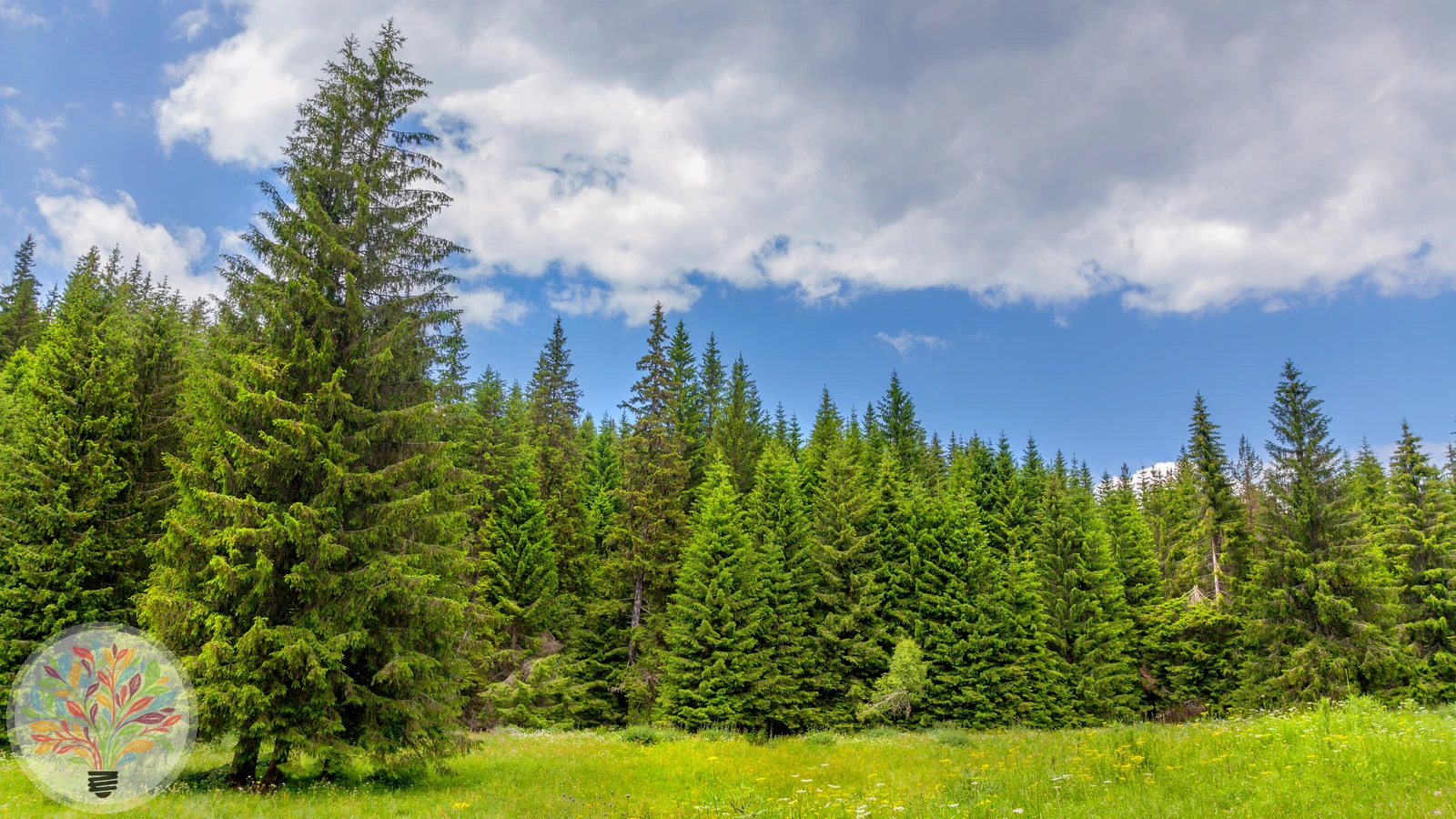
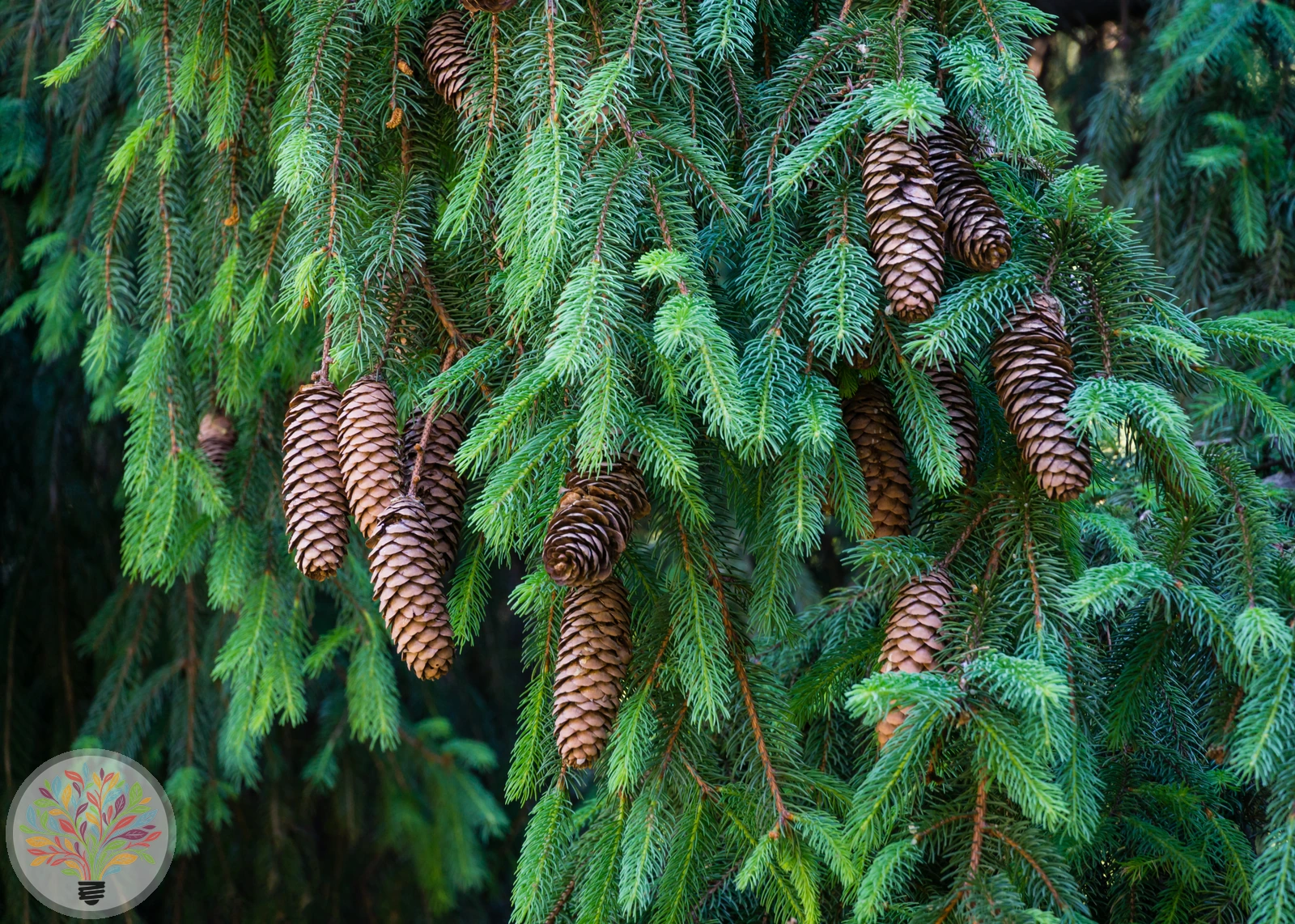
Du erkennst die Gewöhnliche Fichte an ihrer kegelförmigen Krone, den spitzen, rundum am Zweig angeordneten Nadeln und den herabhängenden Zapfen. Sie ist ein zentraler Baustein für die Artenvielfalt und dient als unverzichtbare Kinderstube für spezialisierte Nachtfalter wie den Kiefernschwärmer (Sphingius pinastri) oder den Braunen Bären (Arctia caja). Ohne diesen heimischen Nadelbaum würden diese Arten einen wichtigen Teil ihres Lebensraums verlieren. Wenn du ausreichend Platz im Garten hast, schaffst du mit ihr ein wertvolles Ganzjahres-Refugium für viele heimische Insekten. In deinem Naturgarten ist sie ein verlässlicher Partner für den Artenschutz.
Heimischer Riese und wichtiger Lebensraum für den prächtigen Kiefernschwärmer.
Ökologisches Netzwerk
Klicken hebt Verbindungen hervor · Nochmals klicken öffnet die Artenseite
Netzwerk wird geladen...
BestäubungLarvalwirtBlütenbesuch
Ökologische Bedeutung
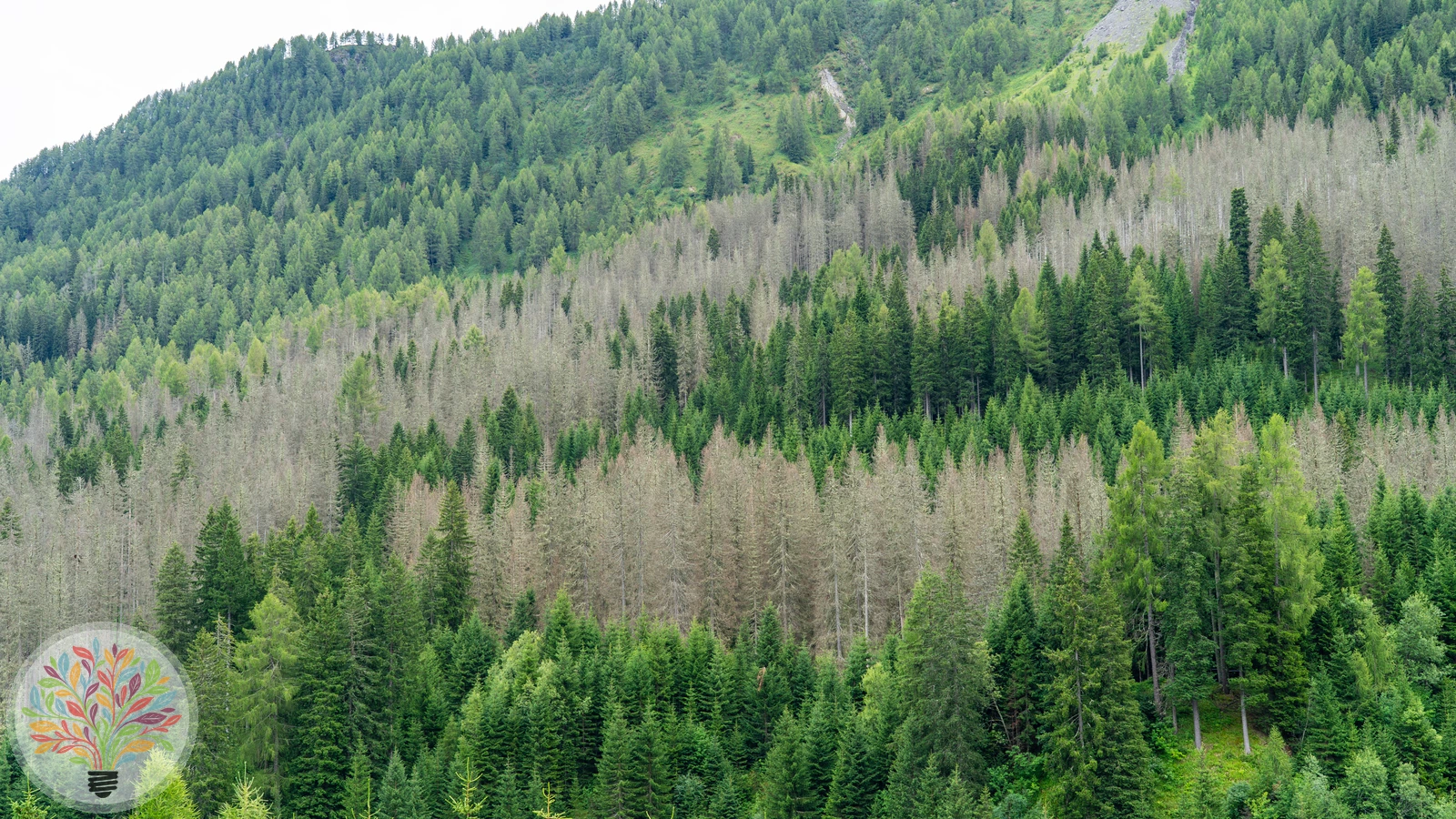
Die Fichte ist eine wertvolle Raupenfutterpflanze für den Kiefernschwärmer (Sphingius pinastri) und den Braunen Bären (Arctia caja). Auch die Nonne (Lymantria monacha) nutzt sie zur Entwicklung. An ihrem Holz und in der Rinde finden Käfer wie der Kardinalbock (Pyrrhocidium sanguineum) oder der Buchdrucker (Ips typographus) einen Lebensraum. Im Winter bieten die Samen in den Zapfen eine wichtige Energiequelle für Vögel. Als heimischer Baum unterstützt sie ein komplexes Netzwerk an Insekten, das weit über die reinen Futterbeziehungen hinausgeht, indem sie Schutz und Überwinterungsplätze bietet.
Jahreszyklus
FebWinteraspekt mit Zapfen
Mrz-MaiIdeale Pflanzzeit im Frühjahr
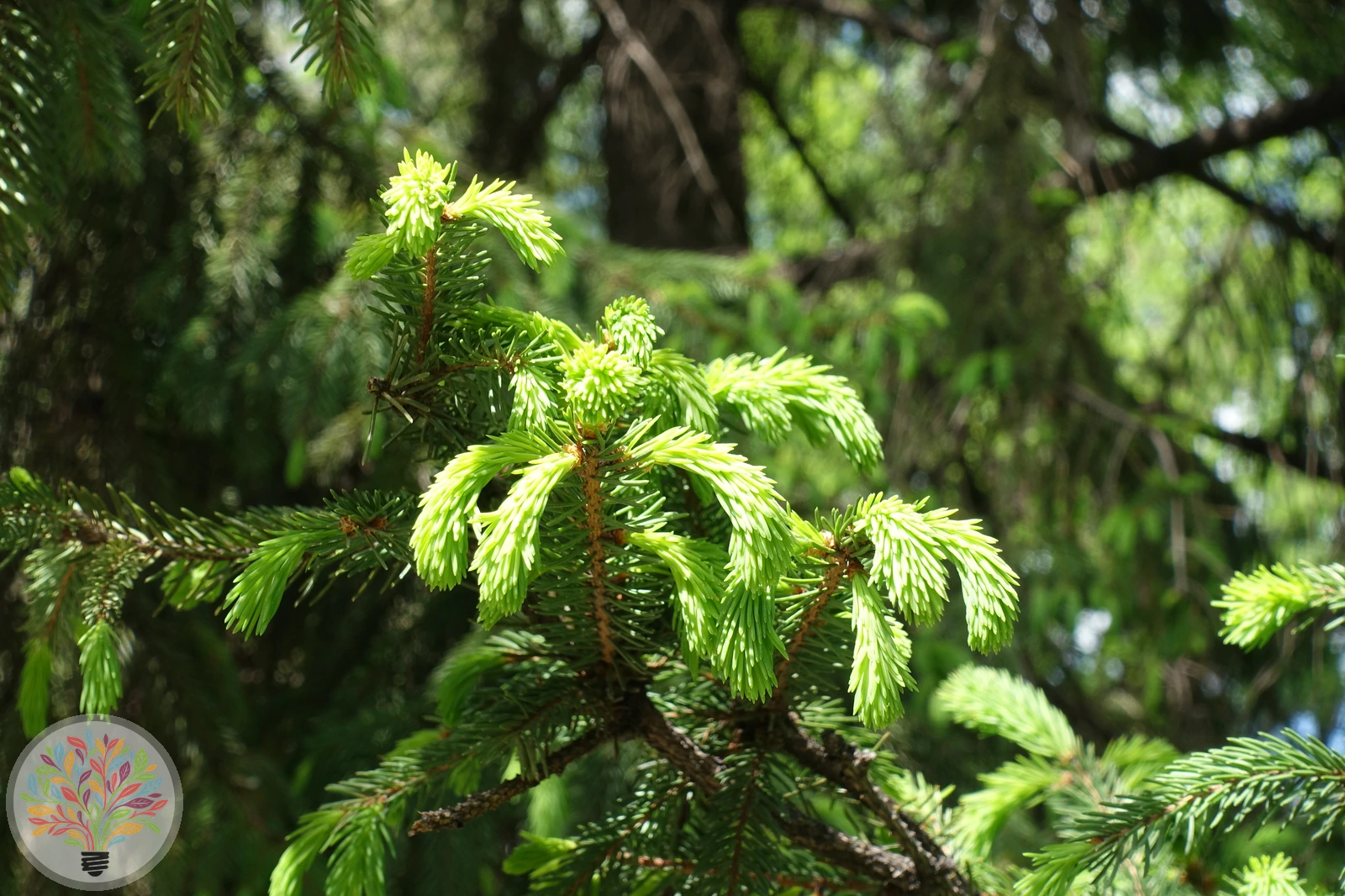
MaiAustrieb der hellgrünen Maiwüchse
Jun-AugZapfenentwicklung am Baum
Sep-NovPflanzzeit Herbst vor dem ersten Frost
Dez-JanSamenreife und Winternahrung für Vögel
Sicherheitshinweis
Die Gewöhnliche Fichte gilt als nicht kindersicher, da ihre spitzen Nadeln zu mechanischen Hautreizungen oder Verletzungen führen können. Verwechslungsgefahr besteht mit der stark giftigen Eibe (Taxus baccata), die jedoch weiche, flache Nadeln ohne Stechspitze besitzt. Die Fichte selbst enthält keine gefährlichen Gifte, sollte aber wegen der spitzen Nadeln mit Bedacht platziert werden.
Standort & Merkmale
Licht
Schatten
Feuchtigkeit
Frisch (Mäßig feucht)
Boden
Mittelzehrer (Normaler Boden)
Blütezeit
Apr – Jun
Bodenreaktion
Mäßig sauer bis neutral
Bioregion
Continental
Wuchsform
Baum
Verholzung
Verholzt
Blatttyp
Nadelblättrig
Blattphänologie
Immergrün
Pflanzenhöhe
40,688 m
Morphologische Merkmale: TRY ID3 (CC BY 3.0) & TRY ID81 (CC BY)
Pflege & Anbau
- Wähle einen Standort, der frisch (mäßig feucht) ist, da die Fichte empfindlich auf extreme Trockenheit reagiert.
- Sie gedeiht am besten auf normalem Boden (Mittelzehrer) und ist beim Lichtbedarf flexibel, da sie auch Schatten verträgt.
- Die beste Pflanzzeit ist von März bis Mai oder im Herbst von September bis Ende November, solange der Boden offen ist.
- Achte beim Pflanzen darauf, das Pflanzloch groß genug auszuheben, ohne die Mykorrhiza (Symbiose-Pilze) an den Wurzeln zu schädigen.
- Da sie ein Flachwurzler ist, sollte der Boden im Wurzelbereich nicht unnötig verdichtet werden.
- In den ersten Standjahren ist eine regelmäßige Wasserzufuhr bei sommerlicher Hitze ratsam.
- Eine Düngung ist in normalen Gartenböden nicht erforderlich.
- Gute Partnerin: Die Heidelbeere (Vaccinium myrtillus) – beide Arten bevorzugen ähnliche Bodenverhältnisse und kommen auch in natürlichen Nadelwäldern gemeinsam vor.
Wissenschaftliches Profil
Die Gewöhnliche Fichte (Picea abies) gehört zur Familie der Kieferngewächse (Pinaceae) und ist in Deutschland, Österreich und der Schweiz weit verbreitet. Ihr natürlicher Lebensraum erstreckt sich von den kühlen Mittelgebirgen bis in die subalpine Stufe der Alpen. Morphologisch zeichnet sie sich durch ihre rötlich-braune Schuppenborke und die hängenden Zapfen aus, die im Ganzen abfallen. Als indigenes (ursprünglich hier heimisches) Gehölz ist sie perfekt an das mitteleuropäische Klima angepasst und bildet oft eine Ektomykorrhiza (eine Lebensgemeinschaft zwischen Pilz und Baumwurzel).
Bestäuber & Besucher
10 Arten interagieren mit dieser Pflanze
Wirtsbeziehungen
181 Arten nutzen diese Pflanze als Wirt
KiefernschwärmerZweibrütiger Kiefern-NadelholzspannerFichtenzapfen-BlütenspannerLärchen-BlütenspannerBraungrauer EckflügelspannerFleckleibborkenspannerGemeiner Lichtwald-KiefernspannerNonneUleiota planatusNadelgehölz-BlütenspannerBrauner BärNadelholz-RindenspannerSägezahnfühler-NadelholzspannerZweibindiger Nadelwald-SpannerWeißer LigusterspannerAbdera triguttataAcleris abietanaRostspinnerSchwammspinnerKiefernspinnerDoppelzahnspannerKleiner FrostspannerAgathidium arcticumAgathidium seminulumAmpedus elegantulusAmpedus praeustusAnidorus nigrinusAnisotoma castaneaAnomognathus cuspidatusAnthaxia morioArchips oporanaArgyresthia glabratellaAsca aphidioidesAssara terebrellaAtomaria alpinaAtrecus affinisAtrecus longicepsBatrachedra pinicolellaBius thoracicusAsiatischer MarienkäferTannen-StreckfußCamisia spiniferCardiophorus ruficollisCerylon histeroidesChionodes electellaAmeisenjägerCinara pectinataeCis glabratusCis quadridensClypastraea pusilla
Weitere Blütenbesucher
44 weitere Arten besuchen die Blüten
RehRothirschHylastes aterVioletter BockkäferAnogcodes rufiventrisKleiner RothalsbockSchrotbockChrysanthia geniculataGemeiner RotdeckenbockLinierter NutzholzborkenkäferSchwarzer FichtenbastkäferKupferstecherSchneiderbockHylurgops palliatusOrangefarbener FeuerkäferGelber VierfleckbockHaselmausSchwarzaugeKiefernrinden-MarienkäferKopfvierpunkt-MarienkäferBuchdruckerZehnpunkt-MarienkäferBuntspechtZottiger FichtenborkenkäferRunzeliger LaufkäferZimmermannsbockEichhörnchenVioletter LaufkäferKleiner KiefernborkenkäferFichtenkreuzschnabelVierpunktiger KiefernprachtkäferMattschwarzer BlütenbockDoppeläugiger FichtenbastkäferKardinalbockAnastrangalia sanguinolentaTabakfarbiger SchmalbockGroßer Brauner RüsselkäferGemeiner FichtensplintbockCrypturgus pusillusHylis carinicepsParacorymbia maculicornisBlutroter SchnellkäferBuchenbockGelbrotköpfiger Scheinrüßler
Quellen & Datenherkunft
•TraitCH — CC BY 4.0TraitCH 2.0 contributors; imported as source-preserving NaturKompass taxon evidence.
•Interaktionsdaten via GloBI (CC-BY 4.0)
•Cook et al. (2025) UK Butterfly & Moth Traits (DOI: 10.5285/dbc7cc17-cbbd-49dd-bab4-8e8855768d66)
•pollinator_interactions
•FloraWeb / BfN
•EIVE 1.0 — Dengler et al. (2023), DOI: 10.3897/VCS.98324 (CC BY 4.0)
•GBIF Backbone Taxonomy — GBIF Secretariat (2024), DOI: 10.15468/39omei (CC BY 4.0)
•TRY Categorical Traits (ID3) — Kattge et al. (2012), DOI: 10.17871/TRY.3 (CC BY 3.0)
•TRY Global Spectrum (ID81) — Díaz et al. (2016/2021), DOI: 10.17871/TRY.81 (CC BY)
•Checklist Alien Plants Belgium — Verloove F (2023), Botanic Garden Meise (CC BY 4.0)
•Govaerts R et al. (2025) — World Checklist of Vascular Plants (WCVP) v14. Royal Botanic Gardens, Kew. DOI: 10.34885/xs7h-ze42 (CC BY 4.0)
•Foto: © Adobe Stock / AdobeStock_169462878
Alle Daten sind CC BY 4.0, CC0 oder kompatibel lizenziert. Namensnennung gemäß Lizenzbedingungen. Vollständige Quellenübersicht →
Stand: 18.12.2025. Korrekturen können über das Feedback-Formular gemeldet werden.